








Kuningan in Bali: Understanding the Meaning Behind One of the Island’s Most Sacred Days
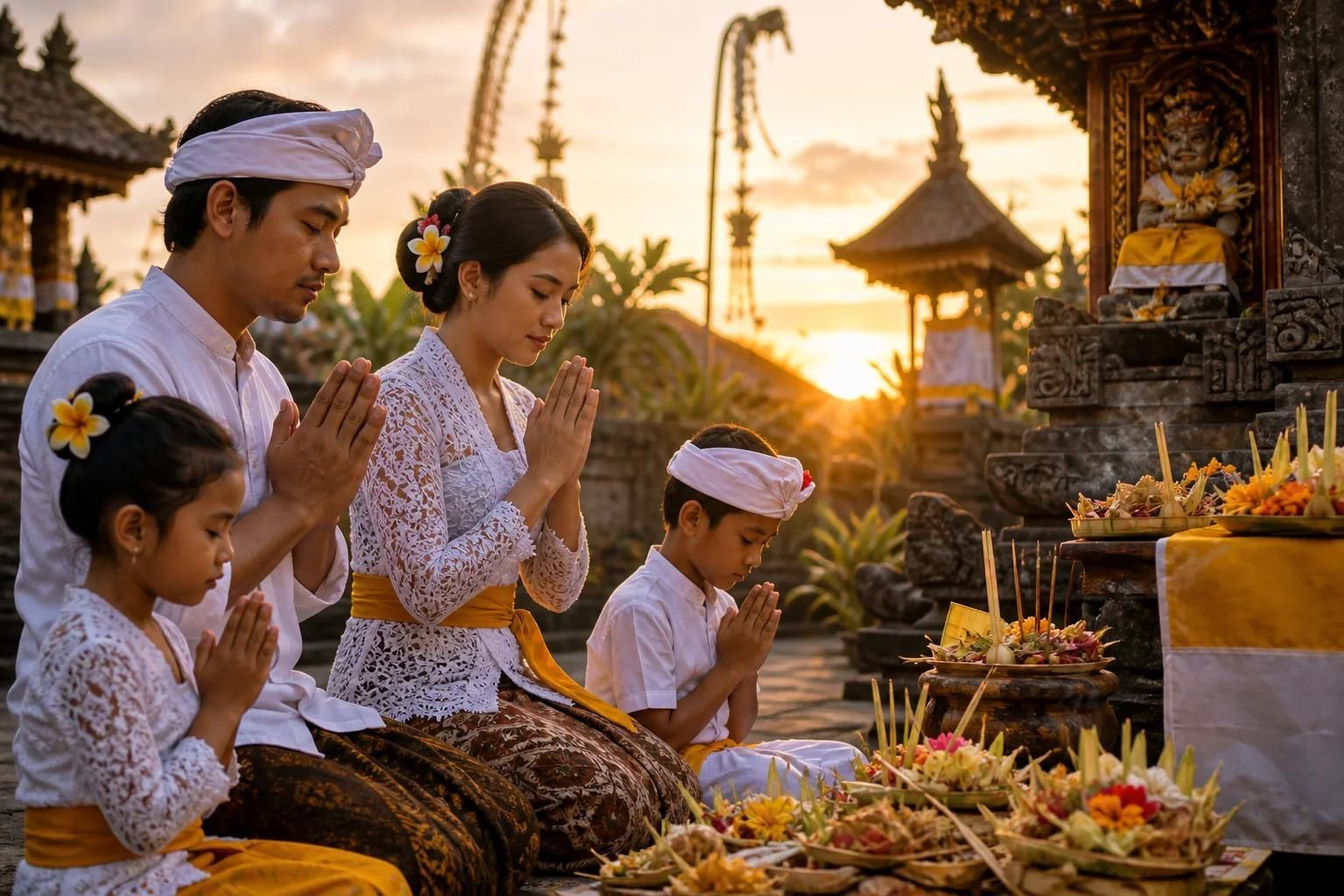
For many travelers visiting Bali this week, the island feels noticeably different. Streets are lined with elegant penjor, families gather in traditional attire, and temples become filled with prayers and offerings. The atmosphere is peaceful yet meaningful, and there is a sense that something important is taking place across the island. This special moment is known as Kuningan, one of the most sacred days in Balinese Hindu tradition. While many visitors recognize the beautiful decorations and ceremonies, fewer people know the deeper meaning behind them. Kuningan is celebrated ten days after Galungan and marks the closing of the Galungan festival. In Balinese Hindu belief, Galungan celebrates the victory of Dharma (goodness and truth) over Adharma (evil and negativity). During the ten days between Galungan and Kuningan, ancestral spirits are believed to visit their families on Earth. Kuningan is the day when these ancestors return to the spiritual realm after giving blessings and guidance to their descendants. Because of this, Kuningan is not only a celebration but also a time for gratitude, reflection, and spiritual connection.
The Meaning of Gratitude in Kuningan
One of the most important values of Kuningan is gratitude. Families prepare offerings, visit temples, and spend time praying together as a way of expressing thanks for the blessings they have received in life. The celebration reminds people that prosperity is not measured only by material success but also by health, family, harmony, and peace of mind. In today’s fast-paced world, where many people are constantly focused on work, schedules, and achievements, this message feels especially relevant. Kuningan encourages people to pause for a moment and appreciate what they already have. It is a reminder that happiness often comes from balance rather than from constantly chasing more. Many visitors to Bali find this philosophy inspiring because it reflects a slower and more mindful way of living that is increasingly rare in modern life.
The Beautiful Symbolism of Penjor
Perhaps the most recognizable symbol during Kuningan is the penjor. These tall bamboo poles gracefully arch over roads and entrances throughout Bali, creating one of the island’s most iconic sights. To visitors, they may simply look decorative and photogenic, but every part of a penjor carries symbolic meaning. The bamboo represents strength and flexibility, while the decorations made from coconut leaves, rice, fruits, flowers, and other natural elements symbolize gratitude for the abundance provided by nature. The penjor also reflects the Balinese philosophy of Tri Hita Karana, which teaches that true happiness comes from maintaining harmony between humans, nature, and the divine. This philosophy is deeply woven into everyday life in Bali and is one of the reasons the island feels culturally unique. During Kuningan, the presence of thousands of penjor across villages, towns, and cities creates not only a beautiful visual experience but also a powerful reminder of the importance of living in balance with the world around us.
A Family-Centered Celebration
Unlike festivals that focus on public entertainment, Kuningan is primarily a family-centered and spiritual occasion. Early in the morning, many Balinese families visit temples together, wear their finest traditional clothing, prepare offerings, and pray for blessings and protection. Visitors may notice that some local businesses operate with fewer staff or open later than usual, as many people take time to participate in religious ceremonies with their families. Rather than viewing this as an inconvenience, many travelers appreciate it as a rare opportunity to witness how deeply tradition remains connected to everyday life in Bali. In many parts of the world, cultural traditions are often preserved mainly for tourism or special events. In Bali, however, ceremonies like Kuningan continue to be practiced as a natural and important part of community life. This living tradition is one of the reasons the island leaves such a strong impression on visitors from around the world.
Experiencing Bali During Kuningan
For travelers staying in Bali during Kuningan, the day offers a chance to experience the island beyond its beaches, cafés, and popular attractions. Simply walking through neighborhoods, observing the penjor, hearing ceremonial music from nearby temples, or seeing families dressed in traditional attire can provide a meaningful glimpse into Balinese culture. These are experiences that cannot be fully captured in photographs because they are felt through the atmosphere of the island itself. Many visitors later remember Kuningan not because of a specific tourist attraction but because of the feeling of being surrounded by a culture that continues to honor its traditions with sincerity and devotion. The celebration reveals a side of Bali that is quieter, more reflective, and deeply rooted in community values.
A Gentle Reminder to Slow Down
At Aviator Bali, we do not hold a special Kuningan celebration, but we deeply respect the significance of this important day for the Balinese community. We are grateful that our guests have the opportunity to experience Bali during one of its most meaningful cultural moments. If you are visiting the island today, take a little extra time to notice the details around you—the beautifully decorated penjor, the peaceful atmosphere, and the sense of togetherness shared by local families. Kuningan offers a gentle reminder that travel is not only about seeing new places but also about understanding the people, values, and traditions that make a destination truly unique. Sometimes, the most memorable part of a journey is not another attraction on the itinerary, but a deeper appreciation for the culture that gives a place its soul. We wish everyone celebrating Happy Galungan and Kuningan, and may this special day bring peace, gratitude, and blessings to all.