





This is a subtitle for your new post

The Expectation of the Perfect Bali Experience
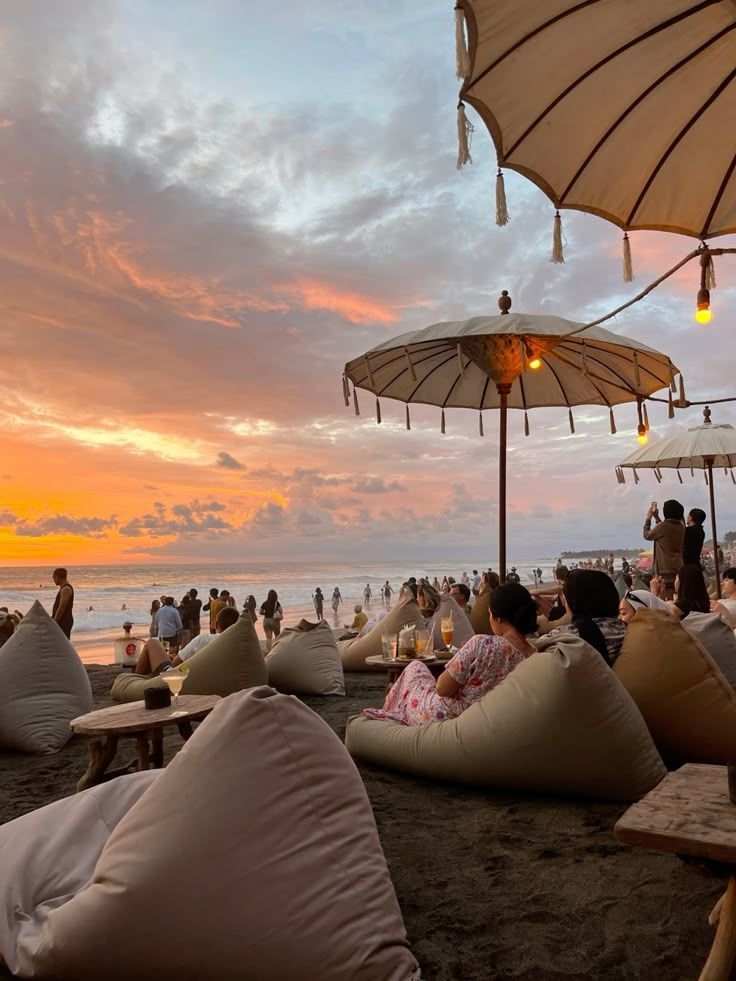
Before arriving in Bali, most travelers already have a picture in their minds of what the island should look like. Months before departure, they save Instagram posts, TikTok videos, YouTube travel guides, Google Maps lists, and recommendations from friends who have visited before. Their phones become filled with screenshots of cafés overlooking rice fields, infinity pools facing the ocean, hidden waterfalls, beach clubs, scenic swings, boutique stores, and colorful smoothie bowls. By the time they land at Ngurah Rai International Airport, they already know exactly where they think they should go. In many ways, Bali has become one of the most photographed destinations in the world, and with that popularity comes a subtle pressure to experience the island exactly as everyone else has. Travelers often worry about whether they are visiting the "right" café, watching sunset from the "best" beach, staying in the trendiest neighborhood, or taking photos at the most famous viewpoints. Without realizing it, the vacation slowly becomes a mission to recreate someone else's version of Bali instead of discovering a personal one. Every decision is influenced by online recommendations, rankings, or viral content. There is nothing wrong with seeking inspiration before traveling, and many famous places deserve their popularity. However, something interesting begins happening when every experience is compared against expectations created online. Instead of appreciating what is in front of them, travelers sometimes evaluate whether the moment matches what they imagined beforehand. If a café looks slightly different than expected, disappointment appears. If a sunset is cloudy, it feels like a missed opportunity. If traffic causes delays, frustration replaces curiosity. The island itself has not changed—but expectations have quietly become part of the journey. Increasingly, experienced travelers are discovering that Bali becomes far more enjoyable the moment they stop trying to "do Bali correctly." They begin realizing that there is no perfect checklist, no officially correct itinerary, and no universal definition of the ideal Bali vacation. The island is too diverse, too personal, and too dynamic for that. Every visitor arrives with different interests, different energy levels, and different reasons for traveling. Some people find happiness surfing every morning. Others prefer reading beside a pool for hours. Some spend entire afternoons exploring local cafés, while others enjoy wandering through quiet neighborhoods with no destination at all. None of these experiences are more authentic than the others. Bali simply offers enough variety for every traveler to discover their own version of the island. Ironically, many visitors only experience this freedom after letting go of the idea that they need to experience Bali the way everyone else does.
Travel Becomes Better When Curiosity Replaces Comparison
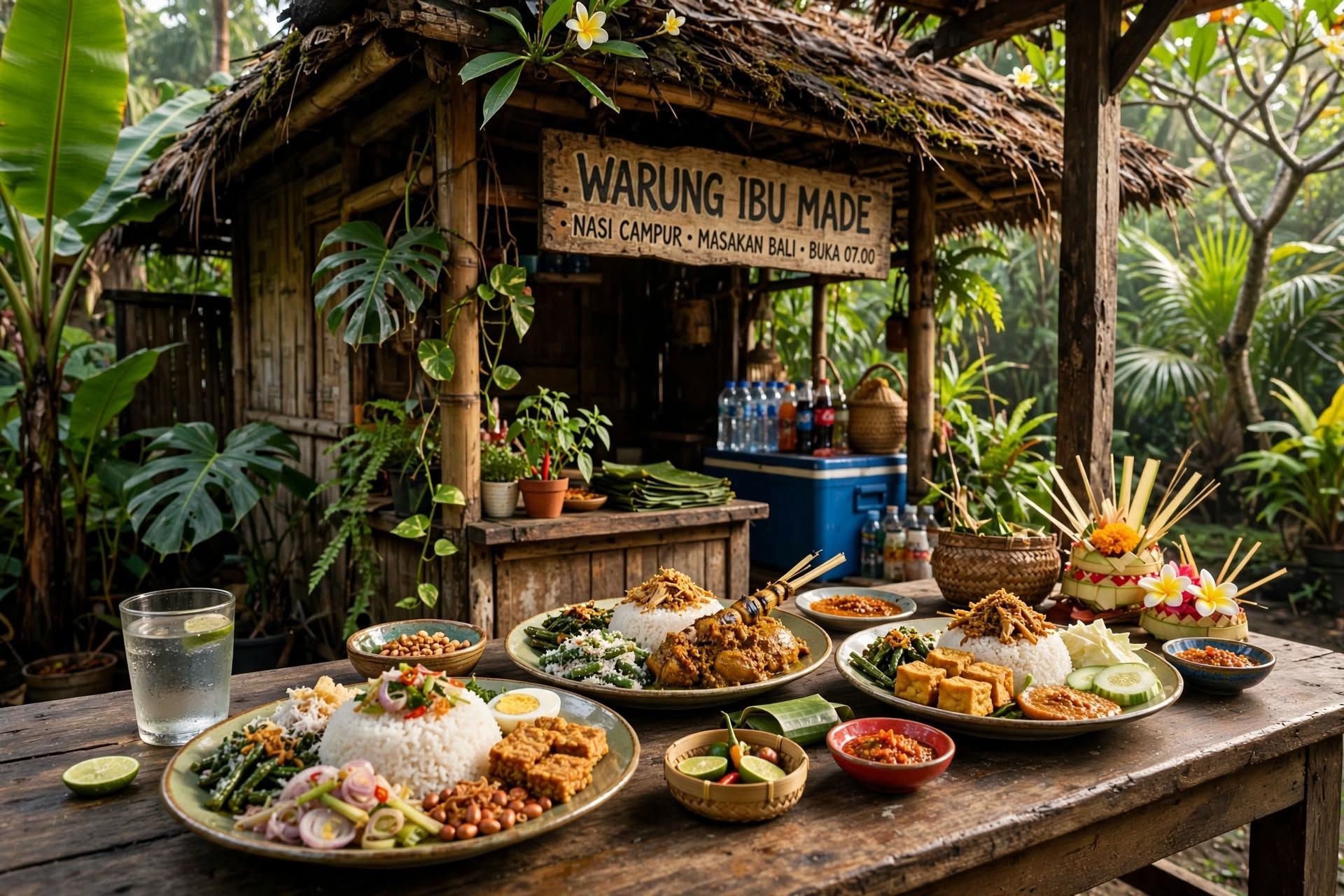
Comparison is one of the easiest habits to develop while traveling, especially in destinations that receive enormous attention online. Every café seems to have hundreds of reviews. Every beach has thousands of photographs. Every attraction has countless videos showing exactly what visitors should expect. While this information is incredibly useful, it can also reduce one of travel's greatest joys: discovery. When travelers already know exactly what something will look like before arriving, the experience sometimes loses part of its magic. Curiosity, on the other hand, transforms even ordinary experiences into memorable ones. Instead of asking whether a place lives up to online expectations, curious travelers ask different questions. They wonder who owns the small restaurant they just discovered. They become interested in the architecture of nearby houses. They notice ceremonies taking place beside the road and respectfully observe local traditions. They explore side streets simply because they look interesting rather than because they appeared in a guidebook. This mindset changes the emotional experience of travel completely. Instead of constantly comparing reality to expectations, visitors become fully engaged with what is actually happening around them. Bali rewards this type of curiosity exceptionally well because the island reveals its personality gradually. A quiet neighborhood may hide an exceptional bakery. A small local café may serve the best coffee of the entire trip. A casual conversation with a shop owner may become more memorable than visiting another famous attraction. These experiences rarely appear in itineraries because they cannot be planned. They happen naturally when travelers allow themselves to explore without constantly evaluating whether every moment is "worth it." Many returning visitors say their favorite Bali memories came from places they had never researched beforehand. Those moments became special precisely because they belonged only to them. They were not chasing someone else's experience—they were creati
ng their own.
Feeling Comfortable Gives You the Freedom to Explore Differently
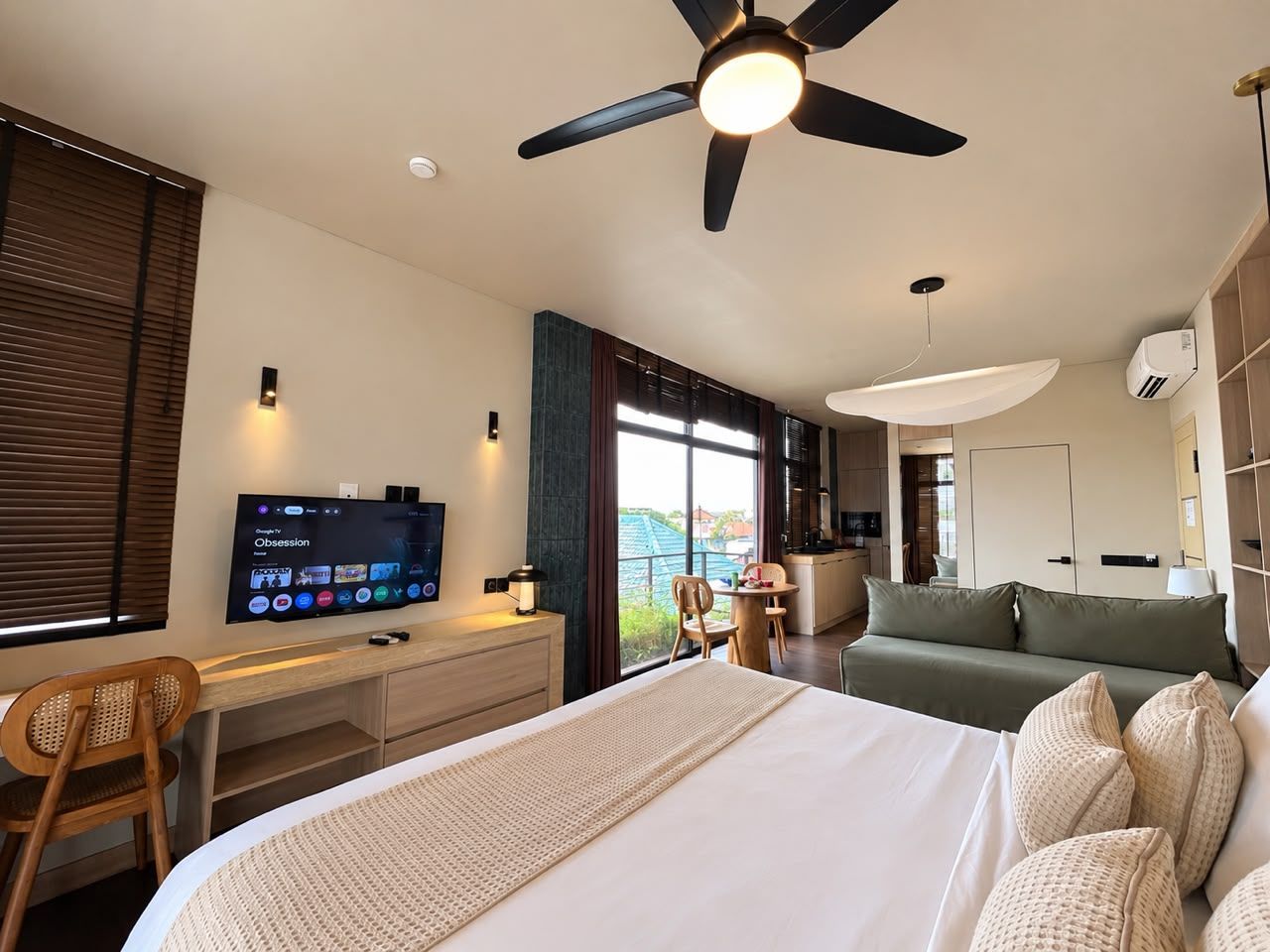
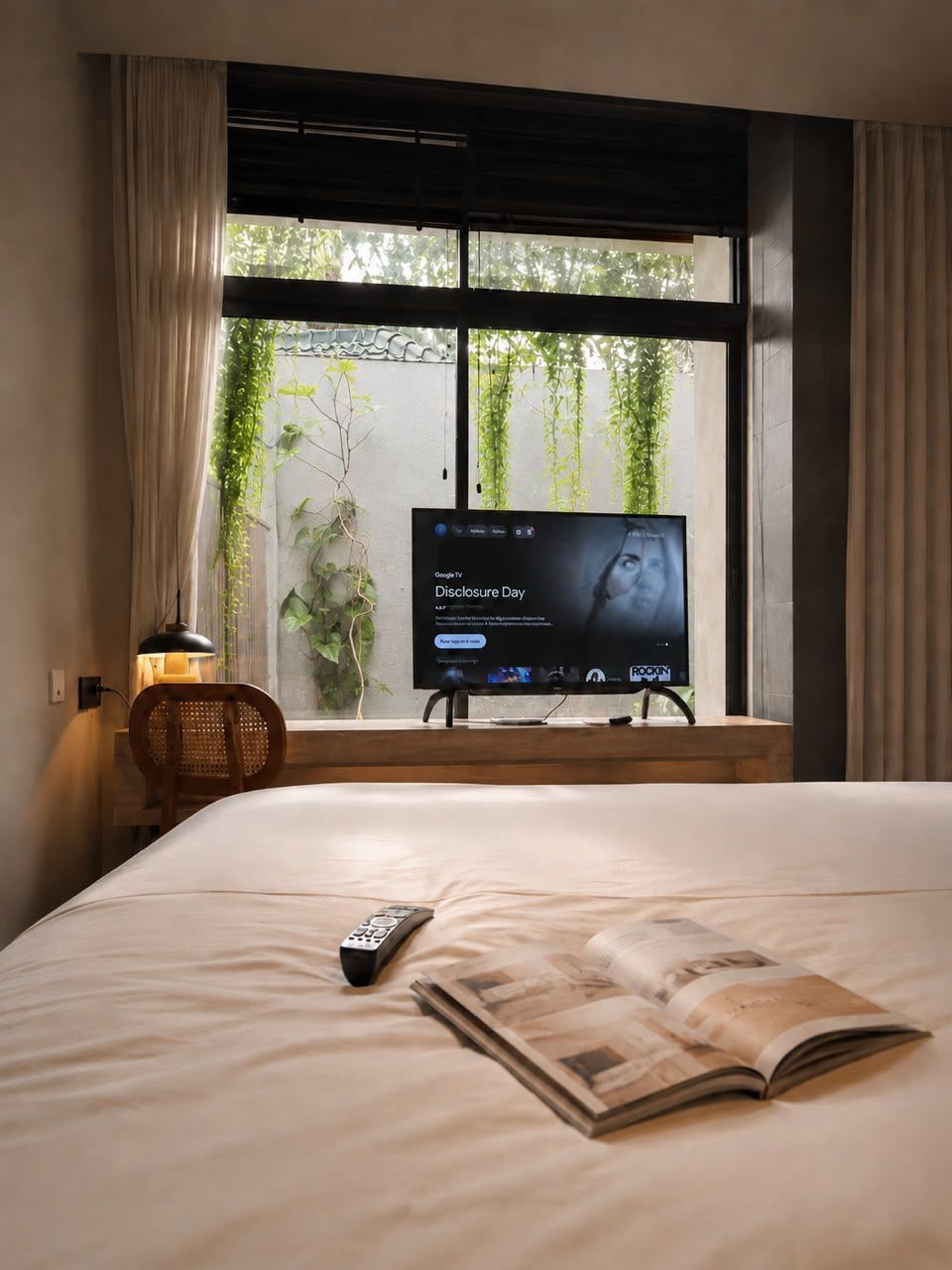
One of the reasons travelers often rush through destinations is the feeling that they need to maximize every minute away from their accommodation. If the hotel is viewed only as a place to sleep, every hour spent there can feel like time being wasted. However, when the accommodation itself becomes part of the overall travel experience, something changes. There is less urgency to constantly move from one attraction to another because returning to the room feels enjoyable rather than obligatory. At Aviator Bali, many guests naturally settle into this slower rhythm. After exploring Canggu, nearby beaches, or local cafés, they know they can return to a peaceful environment whenever they wish. Some guests begin their mornings preparing coffee in the kitchenette before heading out. Others spend an hour by the swimming pool before deciding whether they even want to leave immediately. There is no pressure to fill every moment because relaxation itself becomes part of the itinerary. This flexibility often leads to more enjoyable travel decisions. Rather than forcing themselves to continue sightseeing despite feeling tired, guests can rest and head out later with renewed energy. If tropical rain suddenly changes afternoon plans, they have a comfortable place to enjoy the slower pace instead of feeling disappointed. Over several days, the accommodation begins feeling less like temporary lodging and more like a familiar space that supports the entire vacation experience. This emotional comfort creates confidence to explore differently. Travelers become more willing to follow spontaneous ideas because they know they always have a relaxing place to return to at the end of the day. In many ways, the quality of a vacation is not determined only by where people go—it is also shaped by how they feel between those adventures.
The Bali You'll Remember Is Usually the One You Didn't Plan
Memory has an interesting way of editing travel experiences. Months after returning home, people rarely remember every attraction in chronological order. Instead, certain moments quietly stand out while others fade away. Surprisingly, these memorable experiences are often the least planned ones. A spontaneous stop for fresh coconut water on a hot afternoon. Watching rain fall while waiting under a café roof. Meeting another traveler who recommends a hidden beach. Taking an evening walk with no destination. Sitting beside a pool long after sunset simply because the evening feels too peaceful to leave. None of these experiences appear on famous travel itineraries, yet they frequently become the moments travelers cherish the most. They feel genuine because they were never performed for a photograph or scheduled into the day. They happened naturally. Bali encourages this type of memory because the island constantly offers small opportunities that reveal themselves only when people slow down enough to notice them. The sound of gamelan music drifting from a nearby temple. Children flying kites in an open field. The aroma of incense carried by the morning breeze. Friendly smiles exchanged with local residents during an evening stroll. These details rarely become viral travel content, but they often become emotionally significant because they reflect everyday life rather than curated attractions. As travelers become more comfortable letting go of rigid expectations, they begin collecting these quieter moments almost without trying. Eventually they realize that the Bali they remember most vividly is not necessarily the Bali they planned before arriving. It is the Bali they discovered unexpectedly through curiosity, patience, and openness.
Perhaps There Is No "Right Way" to Experience Bali
Every year, millions of visitors arrive in Bali searching for something slightly different. Some are looking for adventure. Others want rest. Some dream of surfing, while others simply hope to enjoy peaceful mornings with good coffee and warm sunshine. Because the island offers so many possibilities, there can never be one correct way to experience it. The best Bali vacation is rarely the one that follows someone else's itinerary perfectly. Instead, it is the one that reflects the traveler's own pace, interests, and personality. At Aviator Bali, we believe that every guest should feel free to create their own version of Bali. Whether that means spending the morning exploring nearby cafés, relaxing beside the swimming pool, preparing breakfast in the kitchenette, working remotely for a few hours, or simply enjoying an afternoon with no plans at all, every experience has value. Travel becomes most meaningful when people stop trying to collect approval and start collecting genuine moments instead. Bali has a remarkable ability to reward those who remain open to the unexpected. It teaches visitors that not every beautiful experience needs to be scheduled, photographed, or shared online. Sometimes the most unforgettable memory is simply realizing that, for a little while, life felt slower, lighter, and wonderfully uncomplicated. And perhaps that is the version of Bali worth taking home—the one that was never found in a guidebook, but discovered quietly through your own journey.