



Why Some Travelers Leave Bali With Fewer Photos but Better Memories

The Modern Pressure to Document Everything
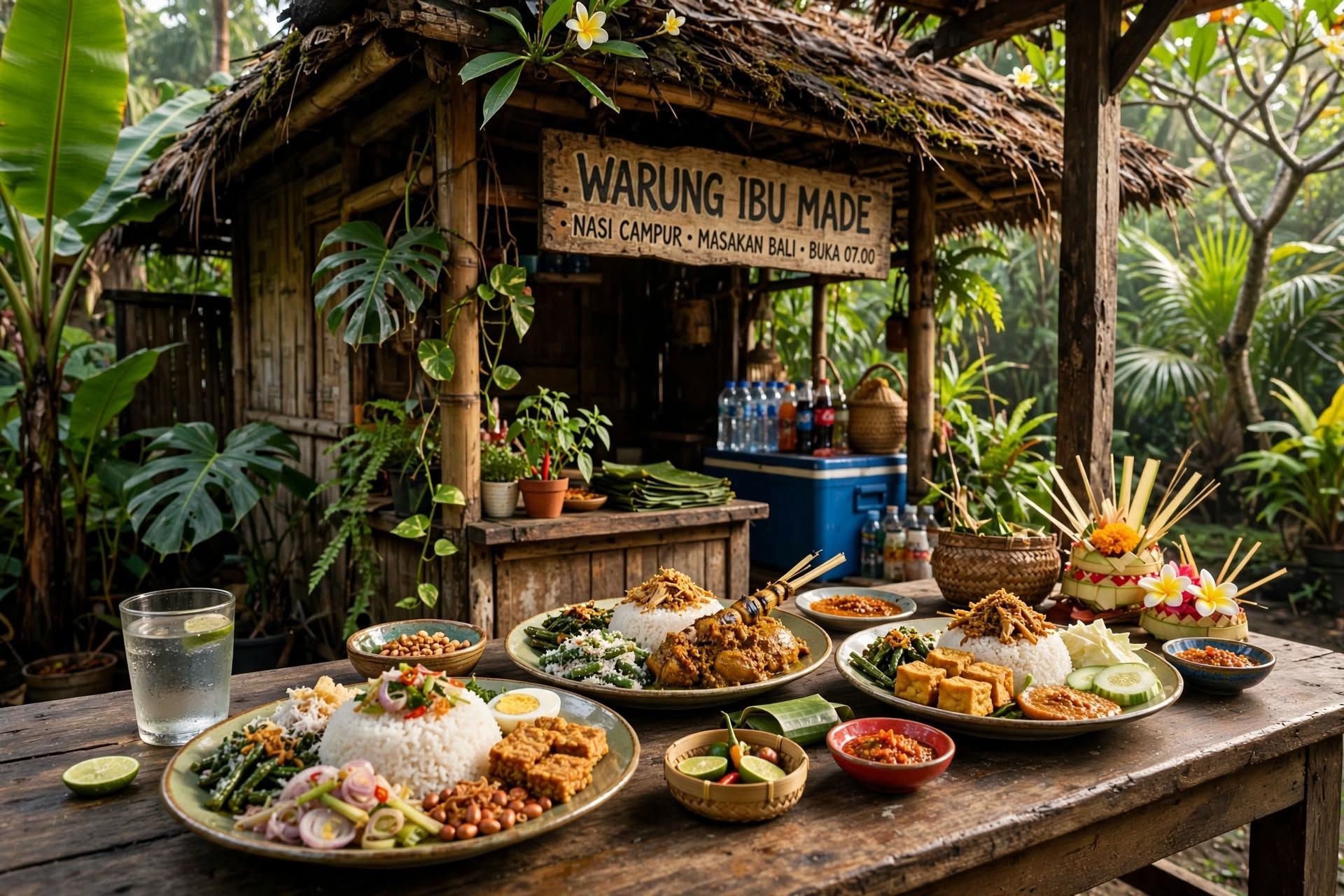
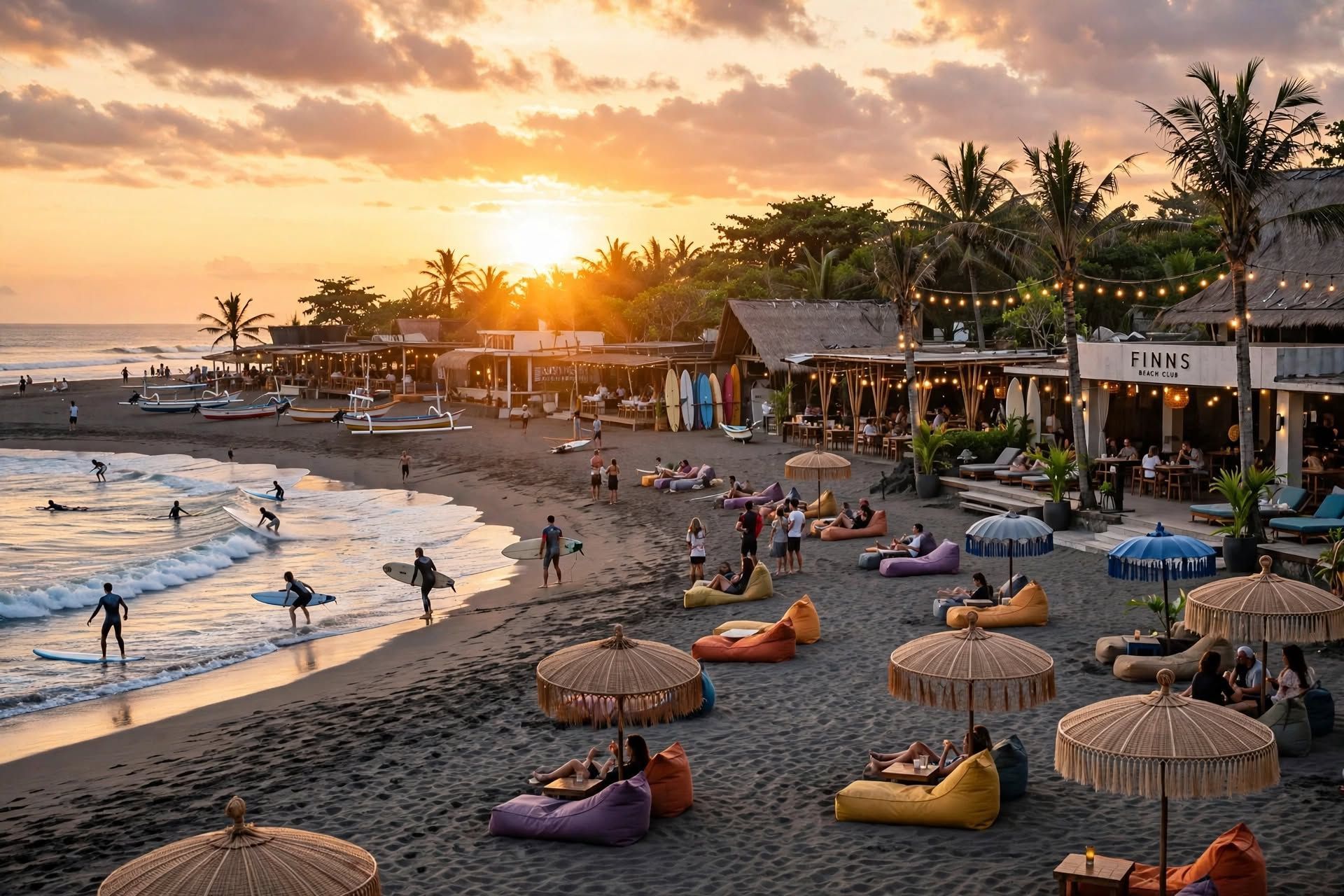
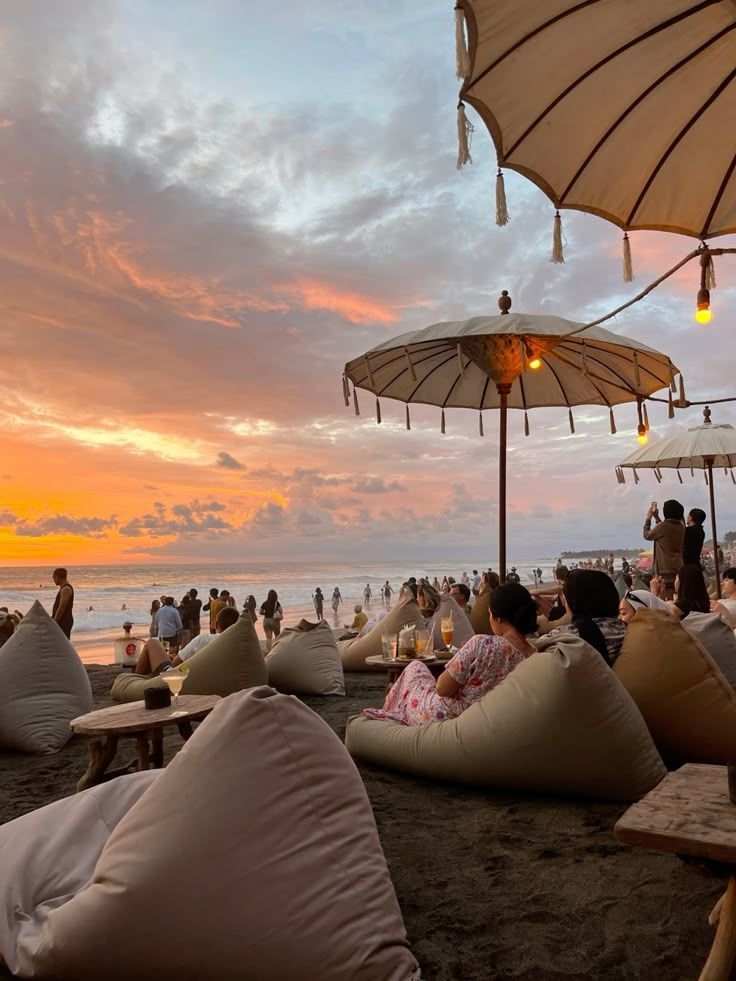
Travel has changed dramatically over the last decade. In the past, photographs were often taken selectively because cameras had limits. People waited for special moments before pressing the shutter. Today, smartphones allow travelers to capture thousands of photos during a single trip. Every meal, every sunset, every beach visit, every café, and every scenic corner can instantly become part of a digital collection. While this convenience has obvious benefits, it has also created a subtle pressure that many travelers do not immediately recognize. Increasingly, vacations are being experienced through screens rather than through direct observation. Instead of watching a sunset unfold naturally, people may spend several minutes adjusting angles, recording videos, or searching for the perfect photo. Instead of enjoying a meal, they may focus on capturing content before taking the first bite. Bali, particularly areas like Canggu, provides endless opportunities for photography. Beautiful cafés, tropical streets, artistic architecture, beaches, and vibrant lifestyle scenes appear almost everywhere. Because of this abundance, travelers can easily fall into the habit of documenting continuously. At first, this feels harmless. After all, photographs help preserve memories. However, many visitors eventually realize that documenting an experience and fully experiencing it are not always the same thing. The mind behaves differently when attention is focused on recording. Instead of becoming immersed in the moment, part of the brain remains occupied with framing, editing, sharing, or evaluating the experience. Over time, this can create a strange paradox. Travelers may return home with thousands of photographs but struggle to remember how certain moments actually felt. The images exist, yet the emotional memory feels weaker than expected. This realization has led many modern travelers to rethink their relationship with photography during vacations. Rather than trying to capture everything, they begin focusing on being present. Ironically, the fewer photos they take, the stronger some memories become. This does not mean photography loses value. Instead, it means that memory often depends more on attention than documentation. A traveler who spends ten minutes fully immersed in a sunset may remember it more vividly years later than someone who spent the same ten minutes trying to record every second. As a result, many visitors leave Bali discovering that the most valuable moments of the trip were not necessarily the ones they photographed. They were the moments they allowed themselves to experience completely
Why Presence Creates Stronger Memories Than Perfection
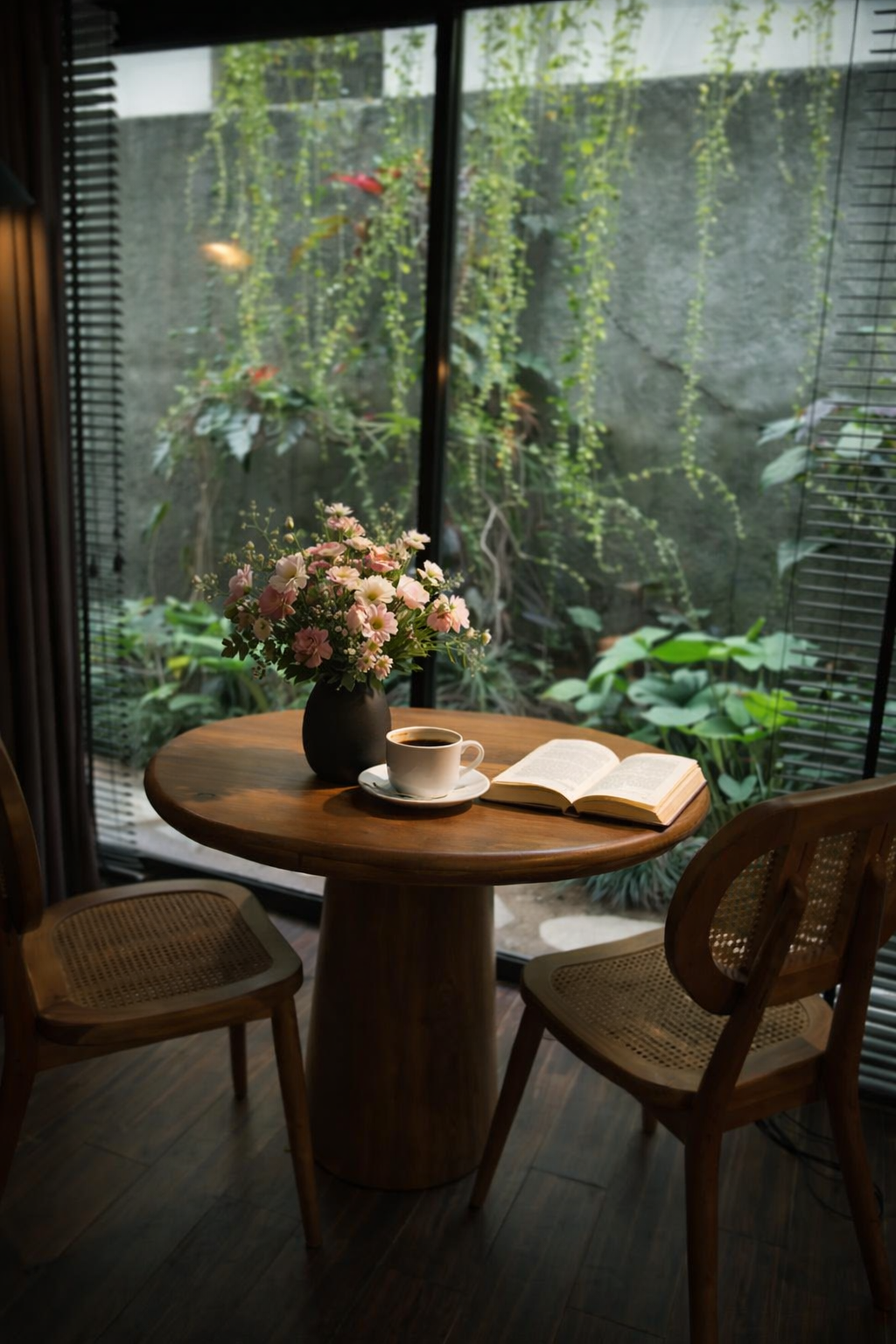
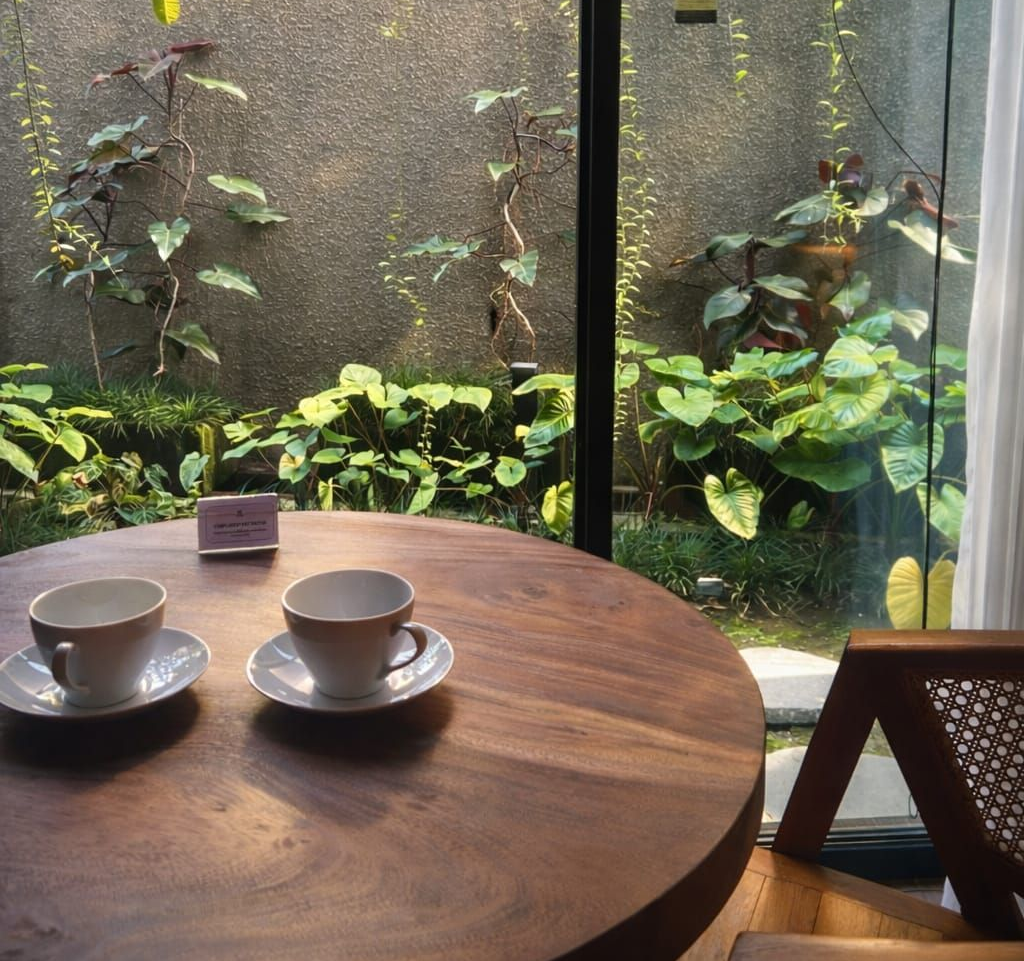
Human memory is deeply connected to emotion and attention. When people are fully engaged in an experience, the brain processes information more deeply and stores it more effectively. This is one reason why childhood memories often remain vivid despite having few photographs associated with them. Those experiences were lived directly rather than filtered through a camera. During travel, the same principle applies. Travelers who allow themselves to become fully present often create stronger and more detailed memories than those who focus primarily on capturing content. In Bali, this difference becomes particularly noticeable because the environment naturally encourages sensory experiences. The warmth of the air, the sounds of daily life, the scent of tropical vegetation, and the atmosphere of places like Canggu cannot be fully captured in a photograph. These elements contribute significantly to how a destination feels, yet they only become part of memory when attention is directed toward experiencing them. Many travelers report that their most vivid recollections are not linked to the most photographed locations. Instead, they remember ordinary moments that received their full attention. A quiet morning coffee. A conversation by the pool. A peaceful evening walk. These experiences often feel insignificant at the time because they are not designed for social media or travel highlights. Yet years later, they remain emotionally powerful because they were experienced without distraction. Perfection also plays a role in this process. Social media encourages travelers to seek perfect images, perfect locations, and perfect experiences. However, real memories are rarely perfect. They are emotional, personal, and often connected to small imperfections. A cloudy afternoon may become memorable because it led to an unexpected conversation. A missed plan may create space for a spontaneous discovery. A quiet day with no agenda may become more meaningful than an expensive excursion. By letting go of the need to create perfect content, travelers often gain something more valuable: authentic memories that belong entirely to them.
How Slower Stays Encourage Deeper Experiences
The way travelers choose to stay also influences how memories are formed. Fast-moving itineraries encourage constant documentation because every destination feels temporary. There is pressure to capture everything before moving on. In contrast, longer and slower stays create opportunities for deeper experiences. At Aviator Bali, many guests naturally settle into a rhythm that supports this slower approach. Instead of rushing through a checklist of attractions, travelers often spend enough time to develop routines and become familiar with their surroundings. The kitchenette allows guests to enjoy simple daily rituals such as making coffee or preparing breakfast. The swimming pool provides a comfortable place to relax without needing to leave the property. These small experiences may not seem extraordinary, but they often become emotionally meaningful because they are repeated and enjoyed without pressure. When travelers remain in one place longer, they stop viewing every moment as content that must be captured. The urgency decreases. There is no need to document everything because there is confidence that tomorrow will offer another opportunity. This shift creates more space for genuine presence. Guests begin paying attention to how the trip feels rather than how it looks. They notice the comfort of familiar routines, the calm atmosphere of the property, and the simple pleasure of having nowhere urgent to be. These experiences contribute to a stronger emotional connection with both the accommodation and the destination itself. By the end of the stay, travelers often realize that some of their favorite memories were never photographed at all.
The Memories That Cameras Cannot Capture
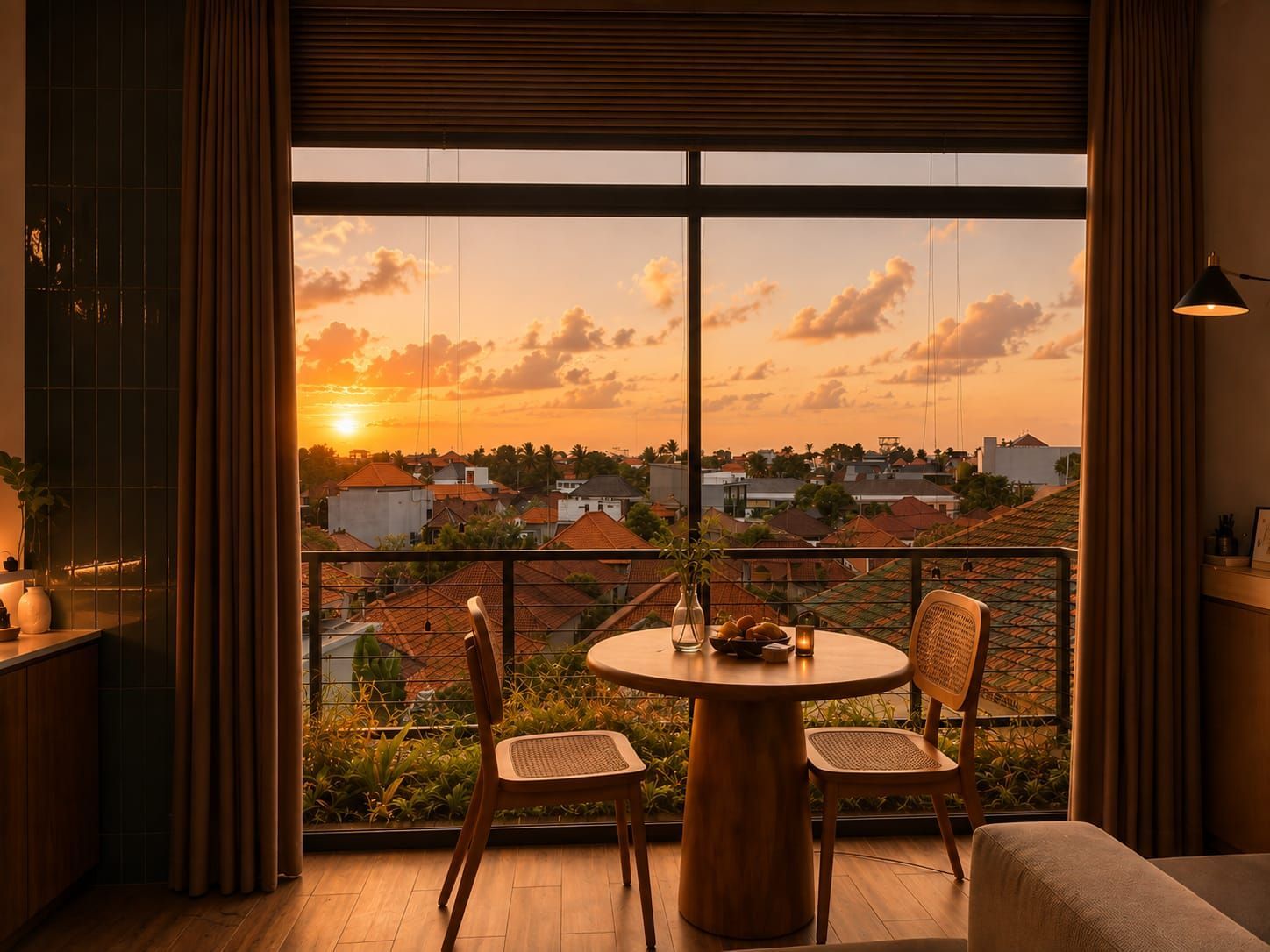
Photography is excellent at preserving visual information, but travel memories involve far more than visuals. Some of the most meaningful aspects of a trip cannot be recorded by a camera. The feeling of waking up without an alarm. The comfort of returning to a familiar room after a day of exploration. The sensation of a warm tropical breeze during sunset. The sound of rain falling outside during a quiet afternoon. These experiences contribute significantly to how travelers remember Bali, yet they exist almost entirely outside the world of photography. In destinations like Canggu, many visitors gradually discover that the emotional atmosphere of the trip becomes more important than the attractions themselves. The destination starts feeling less like a place to visit and more like a place to experience. This emotional connection develops through repeated moments of presence. Travelers who spend time relaxing by the pool, enjoying slow mornings, or simply observing daily life often form stronger memories than those who constantly seek the next attraction. At Aviator Bali, the calm environment supports these experiences naturally. The simplicity of the property allows guests to slow down and pay attention to the moments between activities. Over time, these moments accumulate into something meaningful. They become part of the emotional story of the trip. While photographs may help trigger recollection later, the memories themselves are built through attention, comfort, and presence rather than documentation alone.
Why the Best Souvenir Is Often a Feeling
When a vacation ends, travelers usually return home with photographs, purchases, and various reminders of their journey. Yet the most valuable souvenir is often something that cannot be packed into a suitcase. It is a feeling. The feeling of being relaxed. The feeling of having enough time. The feeling of waking up without stress and spending days according to personal rhythms rather than obligations. In Bali, these feelings often become the most enduring part of the experience. Months after returning home, travelers may struggle to remember specific details of certain attractions. However, they remember how the trip made them feel. They remember the calmness of a slow morning, the comfort of their accommodation, and the freedom of having fewer responsibilities. Staying at Aviator Bali contributes to this type of memory by providing an environment centered around simplicity, comfort, and flexibility. With private rooms, kitchenettes, and a swimming pool, guests can enjoy experiences that feel personal rather than performative. The atmosphere encourages travelers to live in the moment instead of constantly documenting it. In the end, many visitors leave Bali realizing that their favorite memories were not necessarily the most photographed ones. They were the moments when they forgot about capturing content entirely and simply allowed themselves to be present. Those memories may never appear on social media, but they often become the ones that last the longest.