






Travel Burnout Is Real: Why Doing Less in Bali Can Help You Experience More

When Vacations Become Just Another Task to Complete
For generations, vacations were seen as a chance to step away from everyday responsibilities. People traveled to rest, reconnect with loved ones, experience different cultures, and return home feeling refreshed. The purpose of a holiday was simple: to slow down and enjoy life outside the routines of work and obligation. Today, however, the way many people travel has changed dramatically. The rise of social media, digital travel guides, and endless online recommendations has transformed vacations into carefully managed projects. Before a trip even begins, travelers often spend weeks researching the best cafés, hidden beaches, sunrise viewpoints, restaurants, beach clubs, waterfalls, shopping districts, and photography spots. Detailed itineraries are created to maximize every hour. Restaurant reservations are booked weeks in advance, maps are filled with saved locations, and every day is divided into a series of activities that must be completed before moving on to the next destination. What was once intended as a relaxing escape gradually begins to resemble another full-time schedule. Instead of waking up wondering what they feel like doing, travelers wake up worrying about what they might miss. Breakfast must happen before the café becomes crowded. The beach should be visited before the afternoon heat. The waterfall is best photographed before other visitors arrive. Sunset needs to be seen from the perfect viewpoint. Dinner reservations cannot be missed. Every decision becomes influenced by time rather than enjoyment. This growing phenomenon is now commonly described as travel burnout. Unlike ordinary fatigue caused by long flights or busy sightseeing, travel burnout is the emotional exhaustion that develops when vacations become overloaded with expectations. People feel pressure to experience everything because they believe they may never return. Ironically, this pursuit of the perfect holiday often prevents them from actually enjoying the destination. Bali offers an interesting contrast to this mindset. While the island certainly provides countless attractions, it also quietly reminds visitors that its greatest beauty cannot always be scheduled. Some of the most meaningful experiences happen when plans change, when unexpected discoveries appear, or when travelers simply allow themselves to stop rushing. Increasingly, visitors are discovering that Bali is not a destination to conquer. It is a destination to experience at a pace that feels human again. The island gently suggests that perhaps the richest journeys are not measured by how many places were visited, but by how present people were while experiencing them.
The Hidden Pressure of Trying to Have the "Perfect" Holiday
One reason travel burnout has become increasingly common is that vacations are no longer private experiences. In previous decades, travelers returned home with stories they shared only with friends and family. Today, every destination is immediately compared against thousands of photographs, videos, and reviews found online. Before arriving somewhere, people often know exactly what the view should look like, where they should stand for the best photo, which menu item everyone orders, and what time they should visit to avoid crowds. While this information is undoubtedly useful, it also creates invisible pressure. Instead of simply enjoying a destination, travelers begin evaluating whether their experience matches the expectations created online. If the weather changes unexpectedly, disappointment appears. If a café looks different from social media, it feels less special. If traffic delays a planned itinerary, frustration quickly replaces curiosity. Even beautiful moments are sometimes interrupted by the feeling that they should be documented before they are fully experienced. This constant comparison gradually shifts attention away from the present. Travelers become observers of their own vacation instead of participants in it. Bali, however, has a remarkable ability to interrupt this cycle. The island consistently rewards flexibility rather than perfection. An afternoon rain shower may unexpectedly lead to discovering a quiet coffee shop. A wrong turn down a small street may reveal a hidden local restaurant with unforgettable food. Deciding to skip one attraction might create enough time for a long conversation that becomes the most cherished memory of the trip. These experiences rarely appear on anyone's itinerary because they cannot be planned. They emerge naturally when travelers stop chasing perfection and begin embracing whatever the day offers. In many ways, Bali teaches an important lesson that extends beyond travel itself: life becomes more enjoyable when we stop measuring every experience against someone else's expectations.
The Most Memorable Days Often Begin Without a Plan
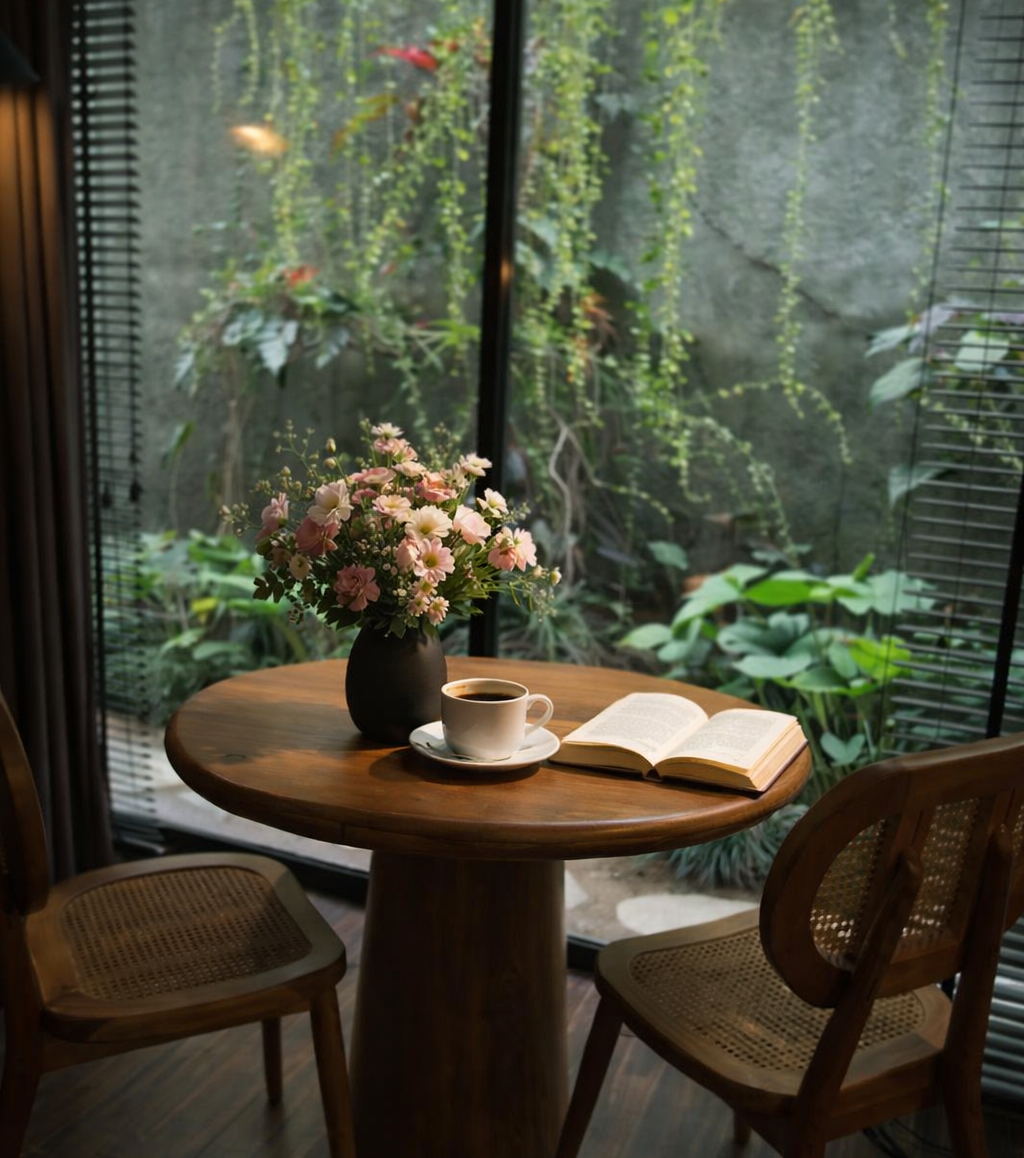
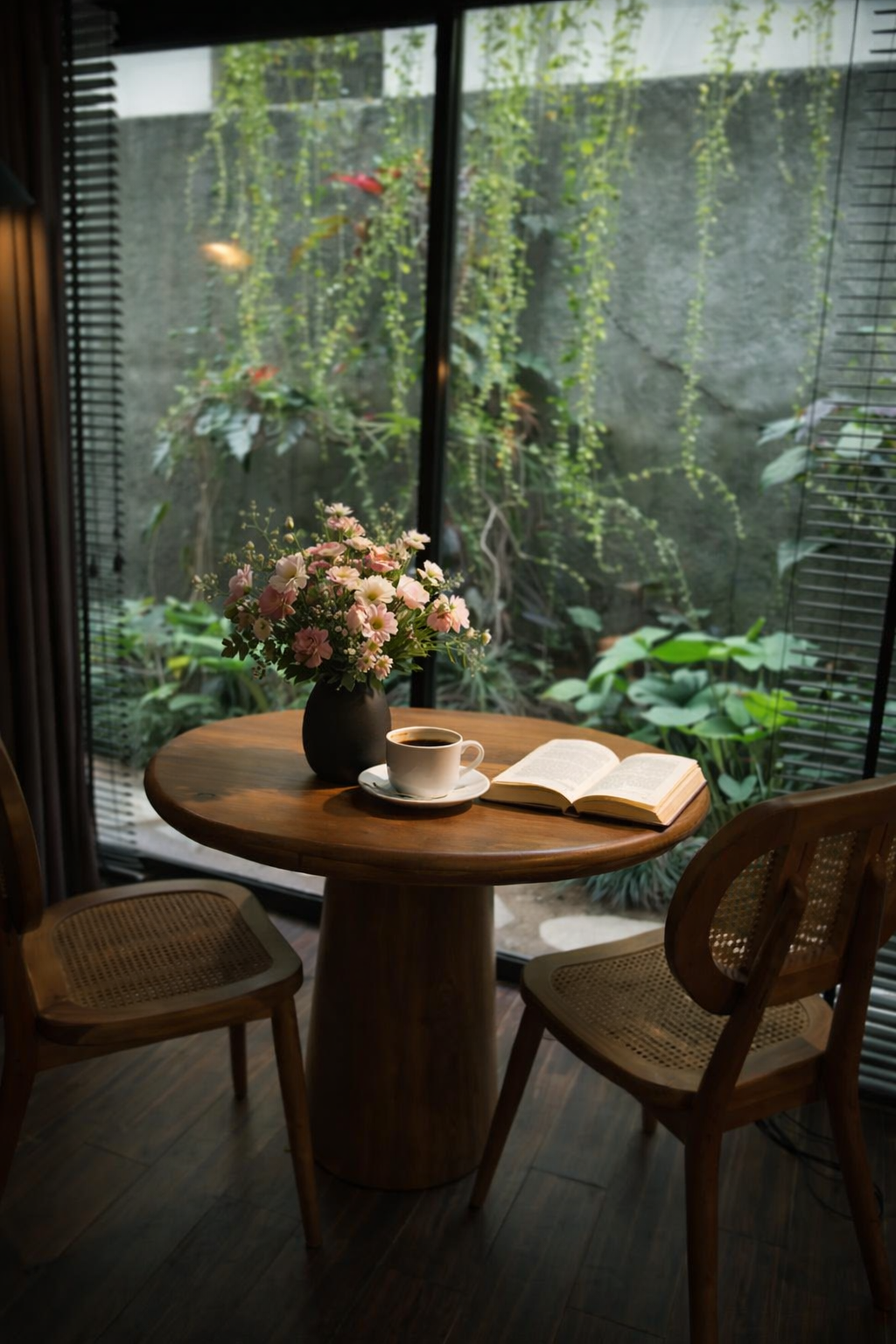
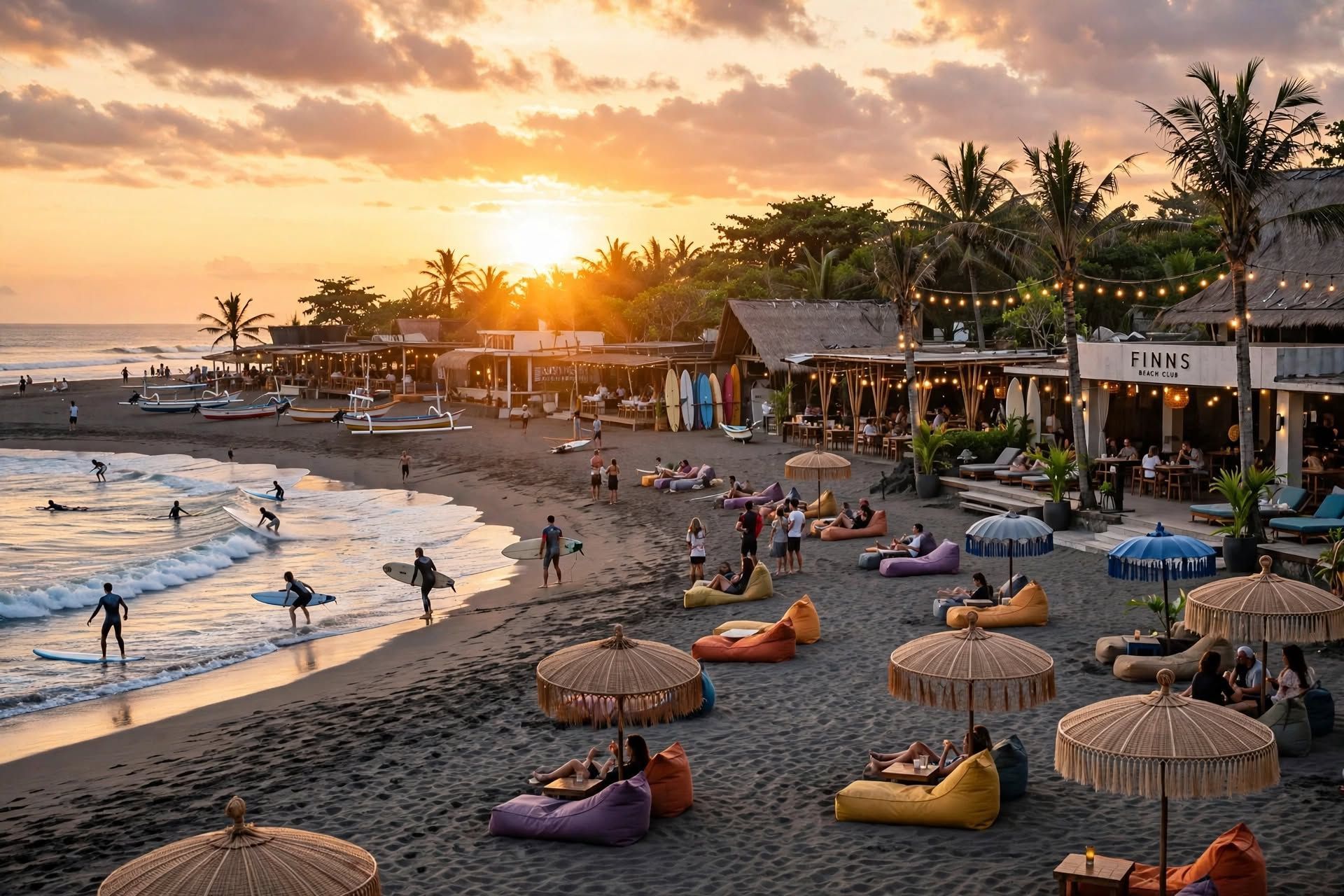
There is something surprisingly liberating about waking up without a detailed schedule. Instead of immediately checking maps, reservations, or transportation times, travelers have the freedom to ask a much simpler question: "What do I feel like doing today?" This mindset can completely transform a vacation. Some mornings naturally begin with a leisurely breakfast and an extra cup of coffee. Other days may inspire an early beach walk before the island becomes busy. Sometimes the weather itself decides the itinerary, encouraging visitors to spend more time indoors reading, relaxing, or enjoying conversations instead of rushing between attractions. Bali is particularly well suited to this spontaneous style of travel because every neighborhood offers enough variety to fill an entire day without strict planning. In areas like Canggu, visitors can spend hours exploring independent cafés, boutique shops, local bakeries, wellness studios, nearby beaches, and quiet streets simply by following their curiosity. There is no need to constantly drive long distances or check the clock. Each decision naturally leads to another discovery. This slower approach often creates a stronger emotional connection with the destination because travelers begin responding to their surroundings instead of following predetermined schedules. They notice local ceremonies taking place, stop to admire traditional architecture, or spend unexpected time watching surfers from the shoreline. These moments feel authentic precisely because they were never forced. They belong entirely to the individual experiencing them. Rather than returning home with memories of rushing from one attraction to another, travelers remember how relaxed they felt allowing the island itself to shape each day.
A Comfortable Stay Makes Slower Travel Feel Natural
Choosing accommodation that supports relaxation rather than constant movement can significantly influence the overall quality of a vacation. When guests feel comfortable where they are staying, they no longer view every hour spent at the property as wasted sightseeing time. Instead, the accommodation becomes an enjoyable part of the journey itself. At Aviator Bali, many guests naturally settle into a rhythm that balances exploration with genuine rest. The mornings often begin slowly, with coffee prepared in the in-room kitchenette before heading out to explore nearby cafés, beaches, or local attractions around Canggu. Others choose to enjoy a refreshing swim before making any plans at all. Throughout the day, guests appreciate knowing they have a peaceful place to return whenever they wish. Rather than feeling obligated to remain outside until late evening simply to maximize the holiday, they can return for a short break, relax by the pool, or spend time unwinding in their room before deciding how to spend the rest of the evening. These simple routines reduce the feeling of constantly being "on the move" and replace it with something much more valuable: balance. Many visitors later discover that these slower moments become some of their favorite memories because they allowed space for the holiday to feel restorative instead of exhausting.
The Best Trips Are the Ones You Don't Need to Recover From
One of the greatest ironies of modern travel is that some people return home needing another vacation to recover from the first one. Early flights, packed itineraries, constant transportation, and endless activities can leave travelers physically and emotionally drained. Bali offers a refreshing alternative. The island reminds visitors that travel does not need to be measured by productivity. It can also be measured by peace of mind, meaningful conversations, spontaneous discoveries, restful mornings, and evenings without urgency. At Aviator Bali, we believe the most memorable journeys are often the ones that create balance between adventure and relaxation. Exploring the beauty of Canggu, discovering local culture, enjoying great food, and visiting nearby beaches become even more rewarding when there is enough time left to simply enjoy where you are. After all, the purpose of travel is not to complete a checklist—it is to create memories that make you feel more alive. Sometimes the greatest achievement of a vacation is returning home feeling healthier, calmer, and more connected to yourself than when you left. That may not be something that appears in a travel itinerary, but it is often the experience people remember the longest.