


Why the Best Part of a Bali Trip Is Often the Routine You Never Planned

How Travelers Accidentally Create New Daily Rituals in Bali
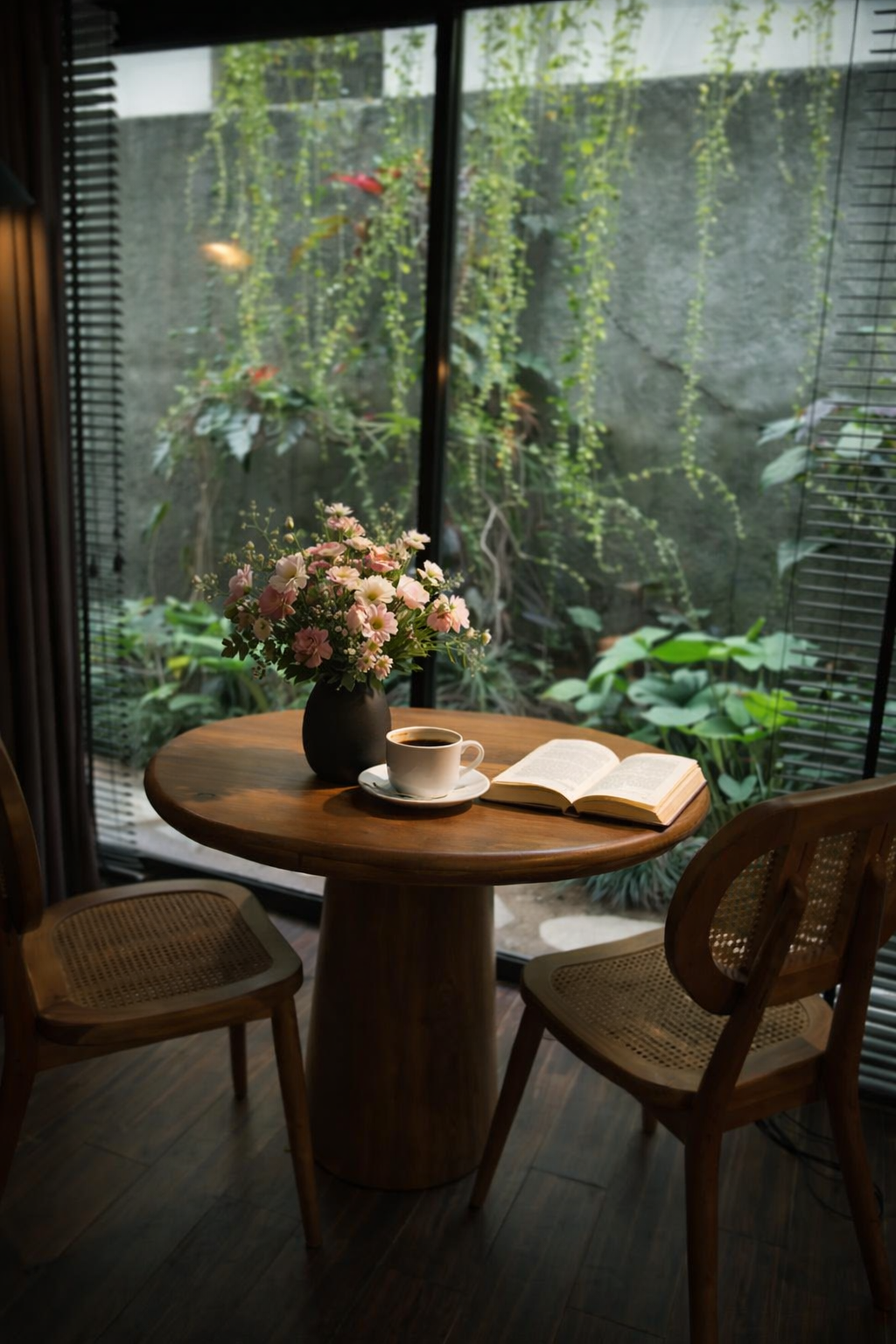
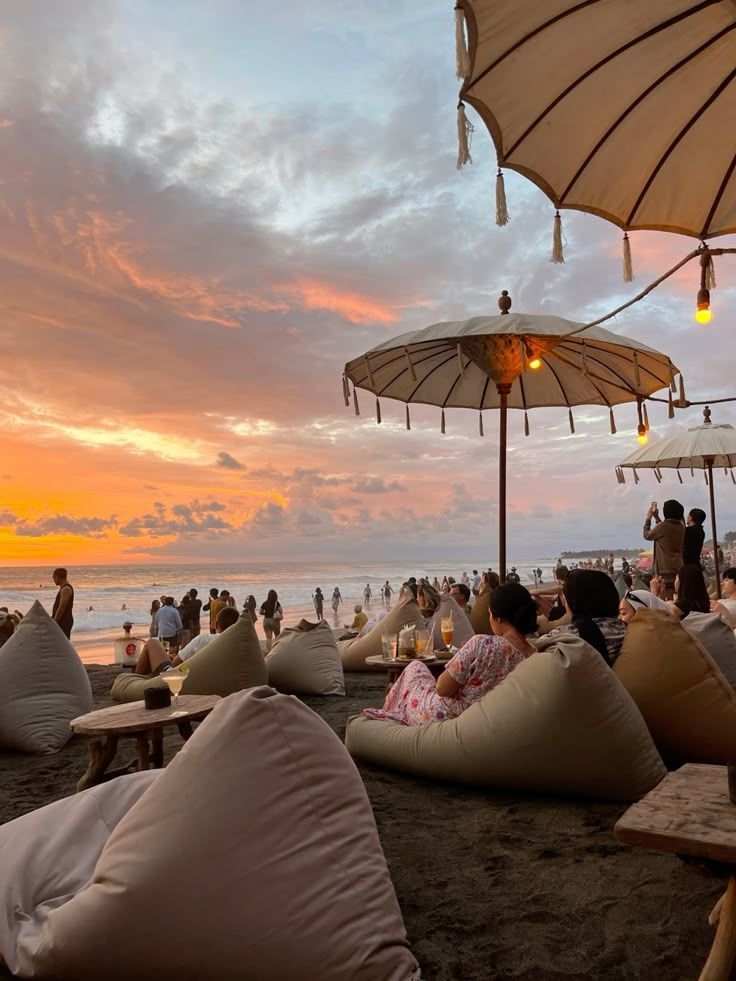
When people imagine a trip to Bali, they often focus on the major experiences they expect to have. They think about famous beaches, scenic rice fields, popular cafés, sunsets, cultural attractions, and exciting day trips. Before arriving, most travelers build their expectations around destinations and activities. However, something interesting happens after a few days on the island. The experiences that begin shaping the trip are often not the major attractions at all. Instead, travelers slowly develop small daily rituals without realizing it. A certain time to wake up. A favorite coffee spot. A short walk before breakfast. A quiet moment by the pool before leaving for the day. These routines are rarely planned in advance, yet they often become one of the most enjoyable parts of the entire trip. In everyday life, routines are usually associated with responsibilities. They are connected to work schedules, obligations, appointments, and tasks that need to be completed. In Bali, however, routines take on a completely different meaning. They become associated with comfort rather than obligation. Travelers start looking forward to familiar moments because they create stability without creating pressure. This is especially noticeable in areas like Canggu, where there is always something new happening. Despite having countless options available every day, many visitors eventually find themselves returning to the same simple habits. They may visit the same café multiple mornings in a row, walk the same streets each evening, or spend time in the same corner of their accommodation every afternoon. These repeated experiences create a feeling of familiarity that becomes increasingly valuable throughout the stay. What makes these rituals so meaningful is that they emerge naturally. Nobody tells travelers to create them. There is no schedule requiring them. They simply appear because certain moments feel good enough to repeat. Over time, these small routines become emotional anchors that make the trip feel more personal and less temporary. Instead of constantly searching for the next experience, travelers begin enjoying the comfort of knowing exactly how they want to spend certain parts of the day. This shift is subtle, but it often changes the entire feeling of the vacation.
Why Familiarity Becomes More Valuable Than Novelty
At the beginning of a trip, novelty is exciting. Everything feels fresh and unfamiliar. New streets, different food, unique scenery, and unexpected experiences create a sense of discovery that travelers naturally enjoy. However, human psychology tends to seek balance. While novelty provides stimulation, familiarity provides comfort. After several days of constant exploration, many travelers begin craving environments that feel predictable and emotionally easy to navigate. This is not because they have become bored with Bali. Rather, it is because the brain naturally seeks moments where it can stop processing so much new information. In a destination like Canggu, where cafés, shops, restaurants, beaches, and social spaces create continuous sensory stimulation, familiarity becomes surprisingly relaxing. Travelers start appreciating places where they no longer need to make decisions. They know where their favorite seat is. They know what they want to order. They know how long it takes to walk somewhere. These small forms of familiarity reduce mental effort and create emotional ease. Over time, the comfort of returning to something familiar can feel just as rewarding as discovering something new. This is one reason why many travelers extend their stays in Bali. The longer they remain, the more connected they feel to the rhythms they have created. Instead of spending every day chasing novelty, they begin balancing exploration with routine. The trip starts feeling less like a temporary visit and more like a different version of everyday life—one that is calmer, slower, and significantly less stressful. This balance between discovery and familiarity often becomes the point where travelers feel most relaxed. They are still experiencing Bali, but they are no longer trying to experience everything. Instead, they focus on what genuinely makes them feel comfortable and happy.
How Accommodation Influences Everyday Comfort
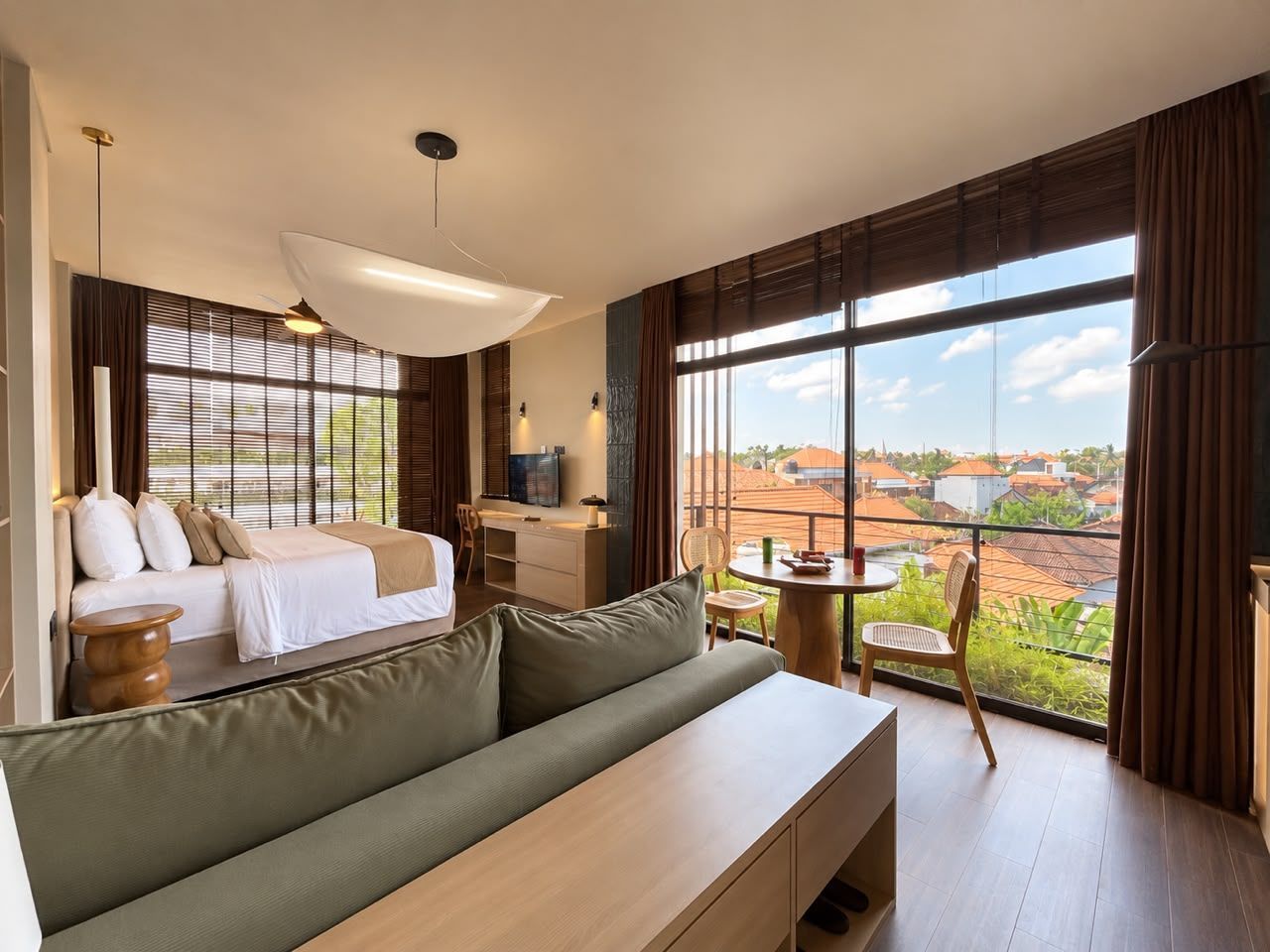
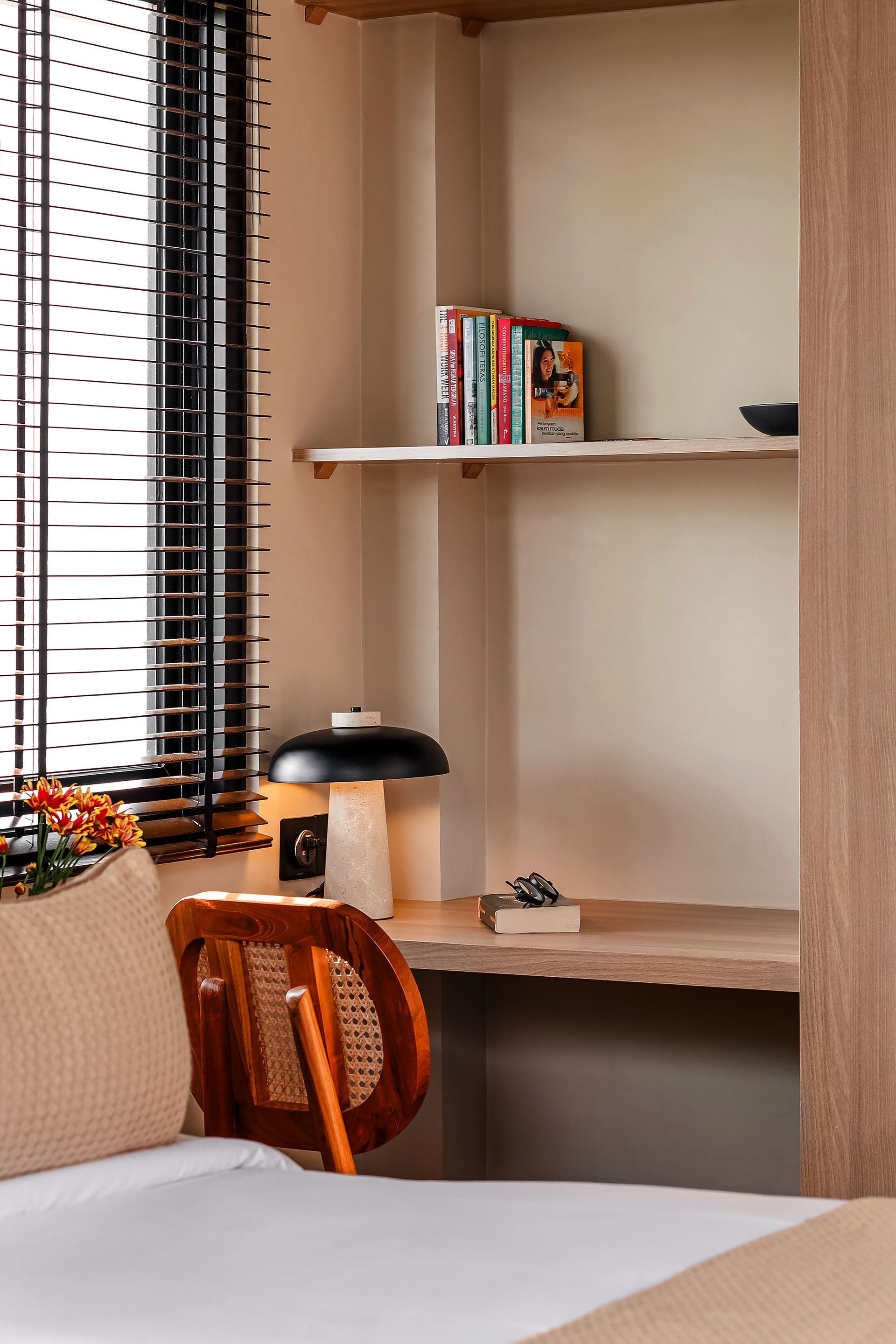
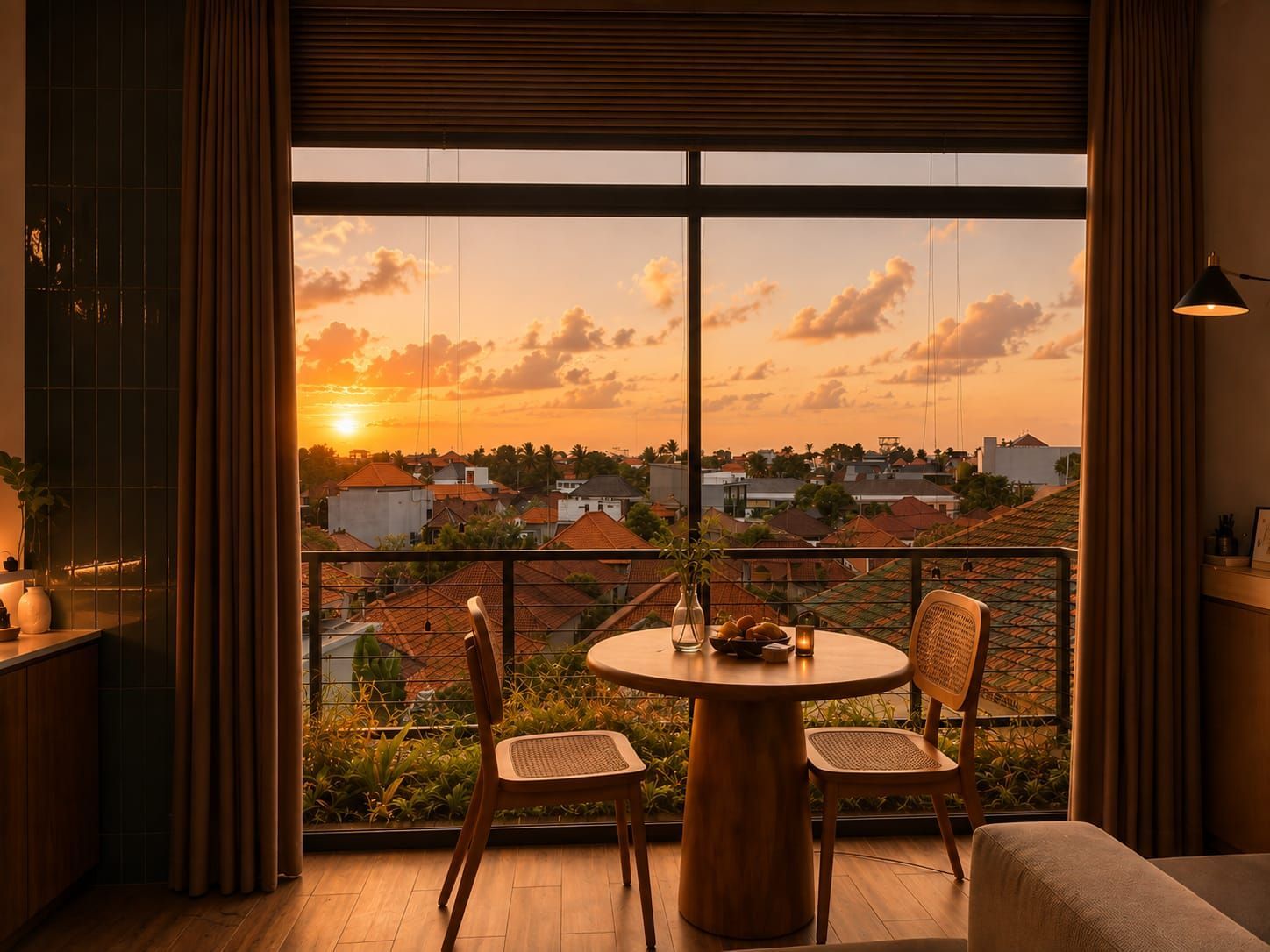
The accommodation plays a major role in determining whether these routines can develop naturally. Some properties are designed around constant activity, encouraging guests to move continuously from one facility to another. Others create an atmosphere where slowing down feels comfortable. At Aviator Bali, the environment supports the development of simple daily rituals because the focus is placed on flexibility and ease rather than constant engagement. The property offers essential comforts that allow guests to shape their days according to their own preferences. The kitchenette becomes an important part of this experience because it gives travelers freedom to create personal routines. Some guests begin every morning by making coffee before heading out. Others enjoy preparing a light breakfast and taking their time before starting the day. These small habits may seem insignificant, but they contribute greatly to the feeling of comfort during longer stays. The swimming pool also becomes part of many guests’ routines. Rather than being a place reserved for special occasions, it becomes a familiar space where travelers can relax whenever they want. Because the atmosphere remains calm and uncomplicated, guests are able to settle into patterns that feel natural rather than forced. There are no large crowds competing for space, no constant events demanding participation, and no pressure to structure the day around hotel activities. This simplicity creates an environment where routines can emerge organically. Guests are free to spend an afternoon by the pool, stay in their room longer than planned, or simply enjoy a slower pace without feeling like they are missing out. Over time, these repeated experiences help transform the accommodation from a temporary place to sleep into a comfortable base that supports the overall rhythm of the trip.
Why Small Moments Often Become the Strongest Memories
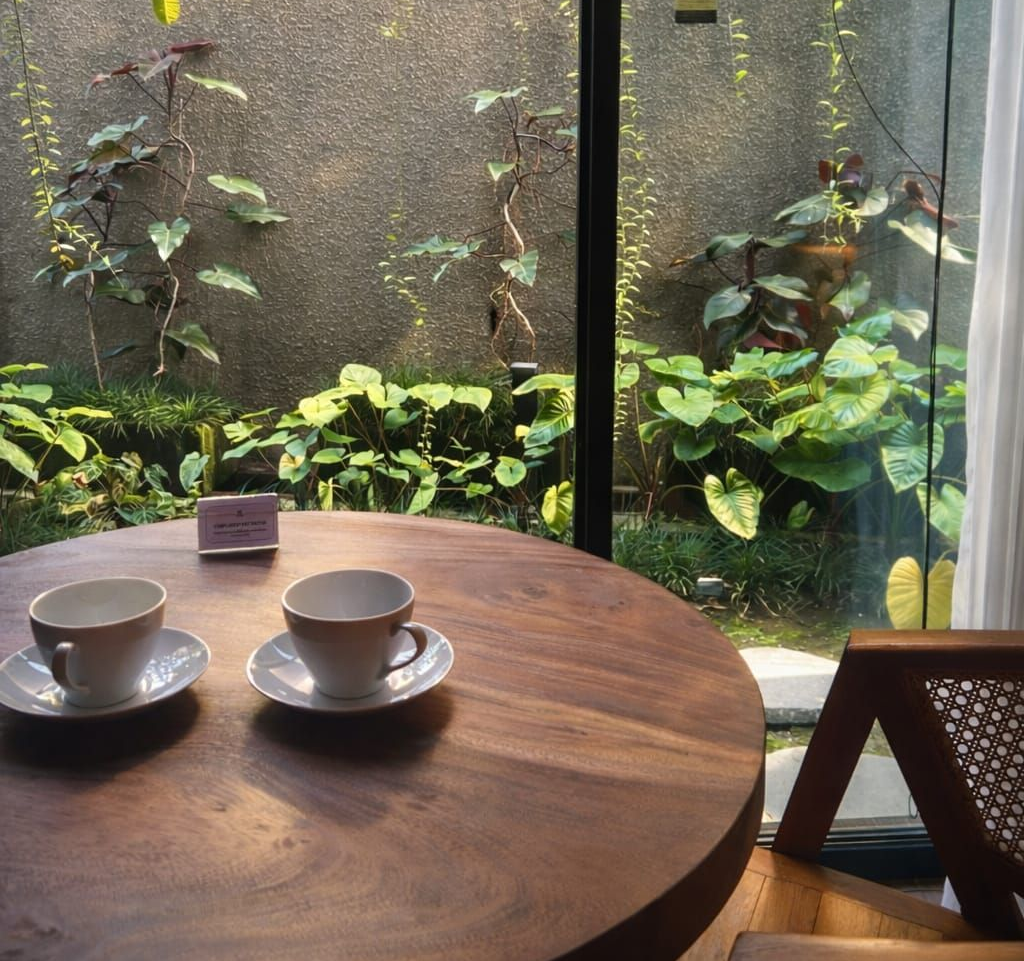
One of the most surprising aspects of travel is how memory works. People often assume they will remember the biggest attractions most clearly. While major experiences certainly leave impressions, many of the memories that remain strongest are connected to small, repeated moments. A familiar morning routine. The feeling of sunlight entering a room. The quiet atmosphere around a pool in the late afternoon. A favorite coffee enjoyed at the same time every day. These moments become memorable because they are associated with emotional states rather than specific achievements. In Bali, travelers frequently discover that their happiest memories are not necessarily tied to famous landmarks. Instead, they remember how relaxed they felt during ordinary moments that occurred repeatedly throughout the trip. This is particularly true in Canggu, where the combination of activity and calmness allows people to create personal rhythms that feel both enjoyable and restorative. The repetition of these experiences creates familiarity, and familiarity creates emotional attachment. By the end of the stay, travelers often realize they have become connected not only to the destination itself but also to the routines they developed there. Returning home can feel surprising because these rituals disappear almost immediately. The morning coffee tastes different. The pace of the day changes. The atmosphere is no longer the same. This realization highlights how meaningful these simple routines became during the trip. They may not have been planned, photographed, or shared online, but they often represent the moments when travelers felt most present and content.
The Unexpected Gift of Living More Slowly
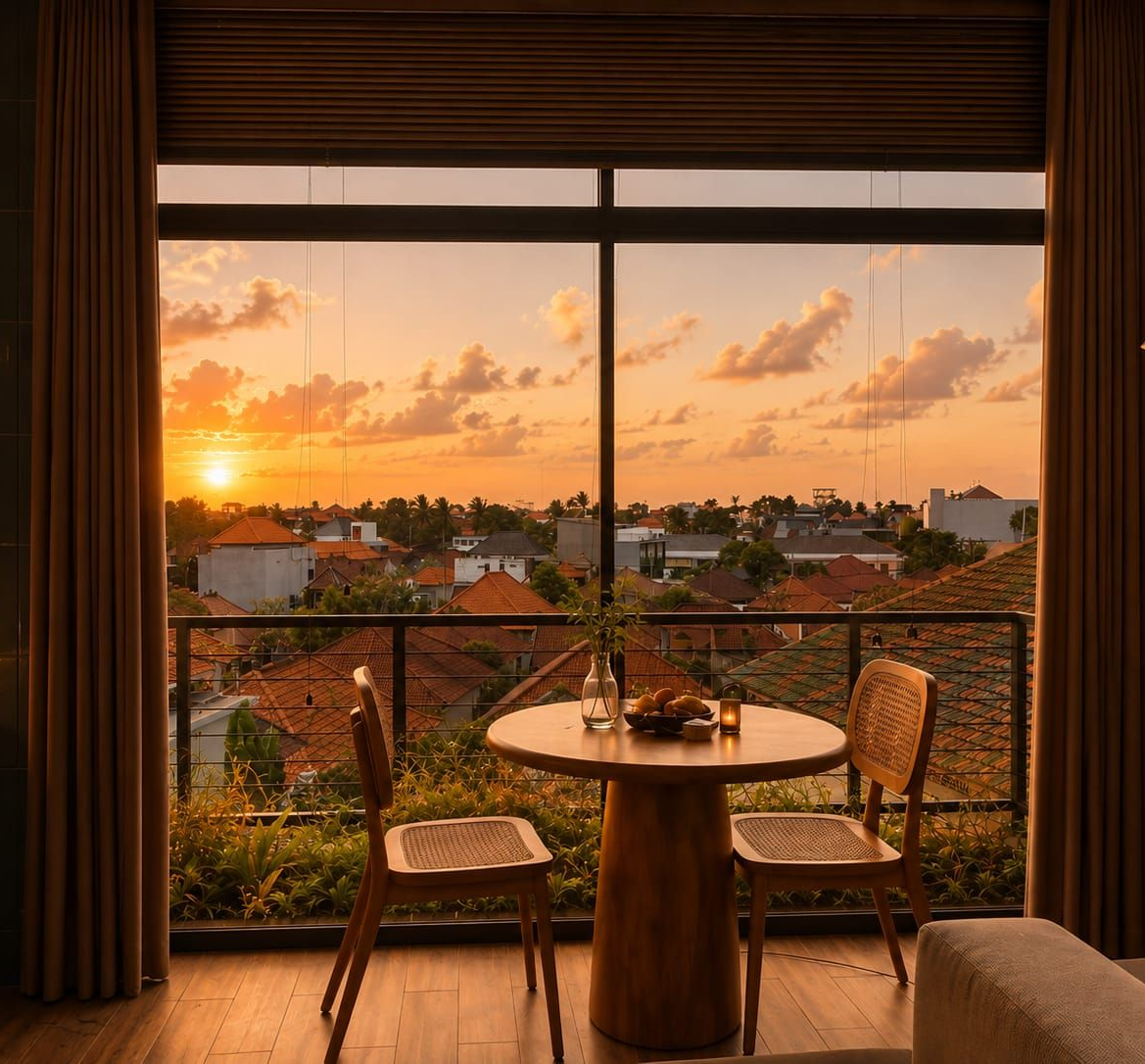
Perhaps one of the most valuable things Bali offers is the opportunity to experience a different relationship with time. In everyday life, routines are often rushed. People move quickly from one responsibility to the next with little opportunity to enjoy the moments in between. In destinations like Canggu, travelers frequently discover that routines do not have to feel restrictive. They can be comforting, enjoyable, and even luxurious when they are chosen freely rather than imposed by obligation. Staying at Aviator Bali supports this slower way of living by providing an environment where guests can move at their own pace. With private rooms, kitchenettes, and a swimming pool, travelers have the freedom to create routines that feel personal and meaningful throughout their stay. There is no pressure to follow schedules, no expectation to constantly participate in activities, and no need to fill every hour with plans. This flexibility allows guests to focus on the simple experiences that often become the most rewarding. In the end, many travelers leave Bali with a deeper appreciation for ordinary moments. They realize that the best part of the trip was not always the famous attraction they visited or the activity they completed. Often, it was the unexpected routine they created along the way—the quiet morning, the familiar coffee, the peaceful afternoon, and the feeling of having enough time to enjoy it all without rushing. Those simple rituals become a reminder that sometimes the greatest luxury in travel is not doing more, but enjoying the freedom to do less.