






Why Some Travelers End Up Enjoying Rainy Afternoons in Bali More Than Sunny Days

The Common Belief That Perfect Weather Creates the Perfect Vacation
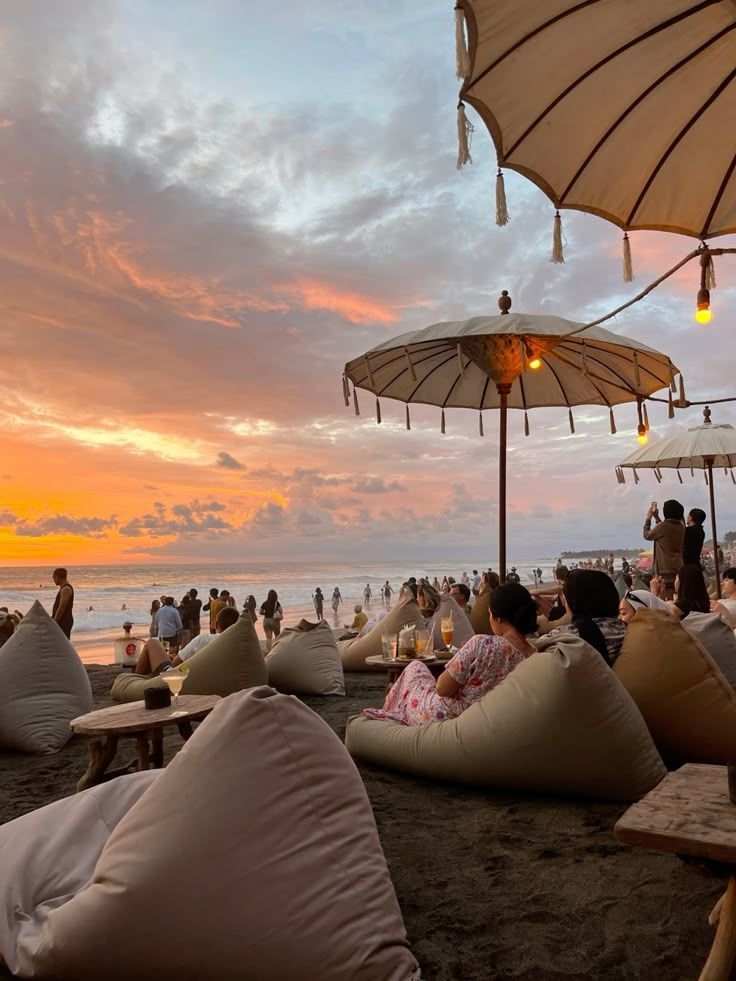
When people imagine a holiday in Bali, they usually picture bright blue skies, warm sunshine, crystal-clear mornings, and long afternoons spent outdoors. Travel advertisements, social media posts, and tourism campaigns have spent years promoting the image of Bali as a tropical paradise where every day looks perfect. Because of this, many travelers arrive with a clear expectation that sunny weather automatically means a better vacation. When rain appears unexpectedly, disappointment often follows. Plans may need to change, beach visits might be postponed, and outdoor activities can become less convenient. At first, rain is often seen as an interruption rather than part of the experience itself. However, travelers who spend more time in Bali frequently discover something surprising. Some of their most relaxing and memorable moments happen during rainy afternoons rather than under clear skies. This realization usually develops gradually. After several busy days filled with exploration, movement, and constant activity, rain creates something increasingly rare in modern travel: permission to slow down. Suddenly, there is no pressure to rush out and complete an itinerary. The atmosphere naturally encourages rest, reflection, and a different way of experiencing the destination. In places like Canggu, where life often moves at a fast pace due to the large number of cafés, restaurants, social spaces, and attractions available, a rainy afternoon can completely transform the emotional atmosphere of the day. The sounds become softer, the streets become quieter, and the overall energy shifts from activity toward stillness. Many travelers who initially hoped for endless sunshine eventually realize that these slower moments provide a type of relaxation they did not know they needed. Instead of focusing on what the weather prevents them from doing, they begin appreciating what it allows them to experience. The rain becomes less of an inconvenience and more of an opportunity to enjoy a different side of Bali—one that feels calmer, more intimate, and surprisingly comforting.
Why Rain Naturally Slows People Down
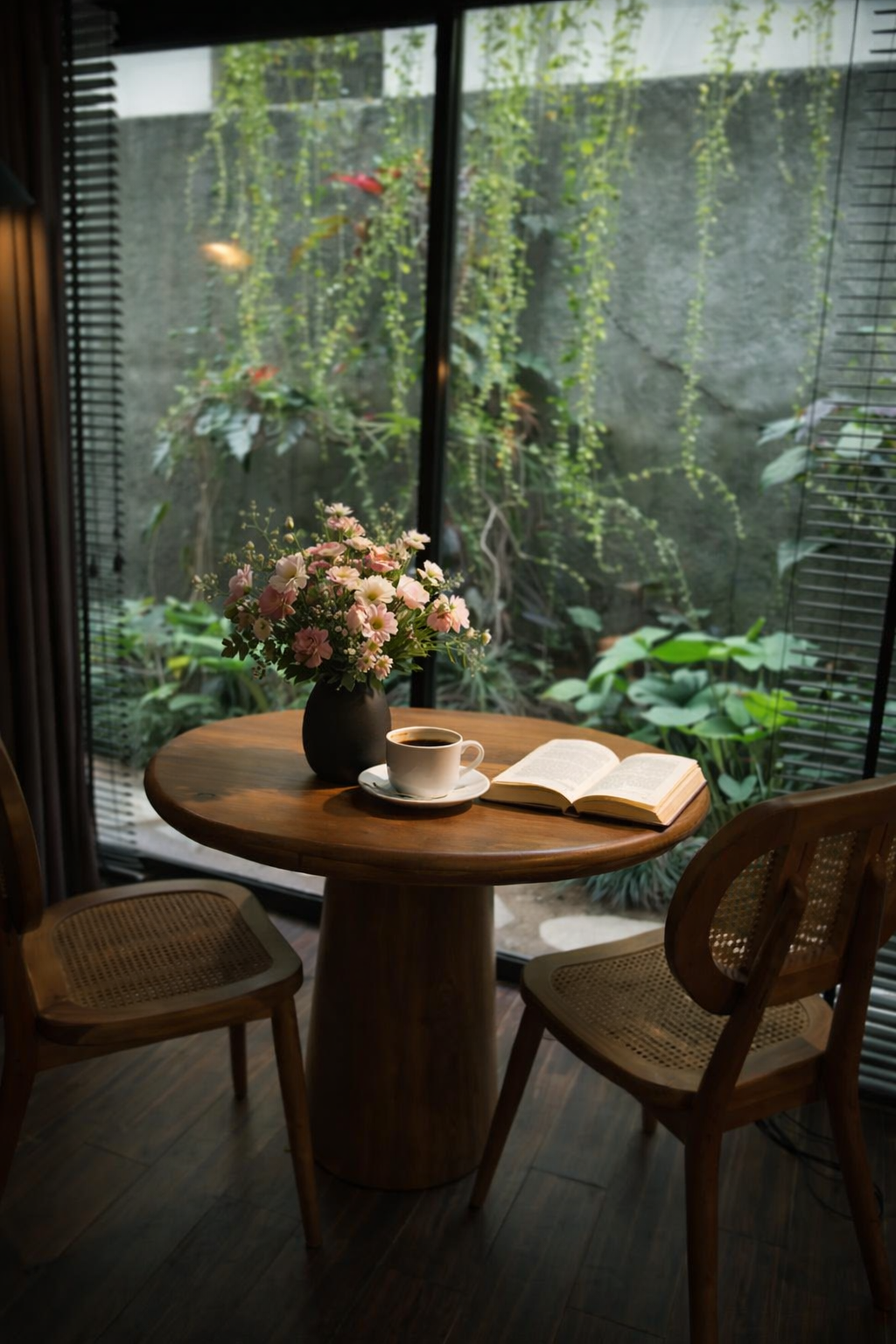
Modern life rarely encourages people to stop moving. Most daily routines are structured around productivity, schedules, and constant activity. Even vacations often follow the same pattern. Travelers wake up early to maximize the day, move quickly between attractions, and try to fit as many experiences as possible into a limited amount of time. Rain changes this rhythm almost instantly. It introduces a natural pause that cannot easily be ignored. Outdoor plans become flexible, transportation feels less urgent, and people often find themselves spending more time in one place than originally intended. In Bali, particularly in Canggu, this slowdown creates a unique atmosphere that many visitors end up enjoying. Rain transforms familiar surroundings into something different. The sound of water falling on rooftops, the cooler air, and the reduced activity outside create an environment that feels noticeably calmer. For travelers who have spent several days surrounded by stimulation, this shift can be deeply refreshing. Instead of constantly deciding where to go next, they are given an opportunity to simply stay present. Conversations become longer, meals feel less rushed, and moments of rest feel more intentional. The psychological effect of this slowdown is significant. Without realizing it, travelers often begin experiencing a level of mental quietness that is difficult to achieve during busy sunny days. The absence of urgency allows attention to settle. Small details become more noticeable. Time feels less fragmented. Many people later discover that some of their strongest memories from Bali are connected not to major attractions but to these unexpected pauses created by the weather. The rain creates space for experiences that might never happen on a perfectly sunny day because there would always be another place to visit or another activity to complete.
The Comfort of Having the Right Place to Stay
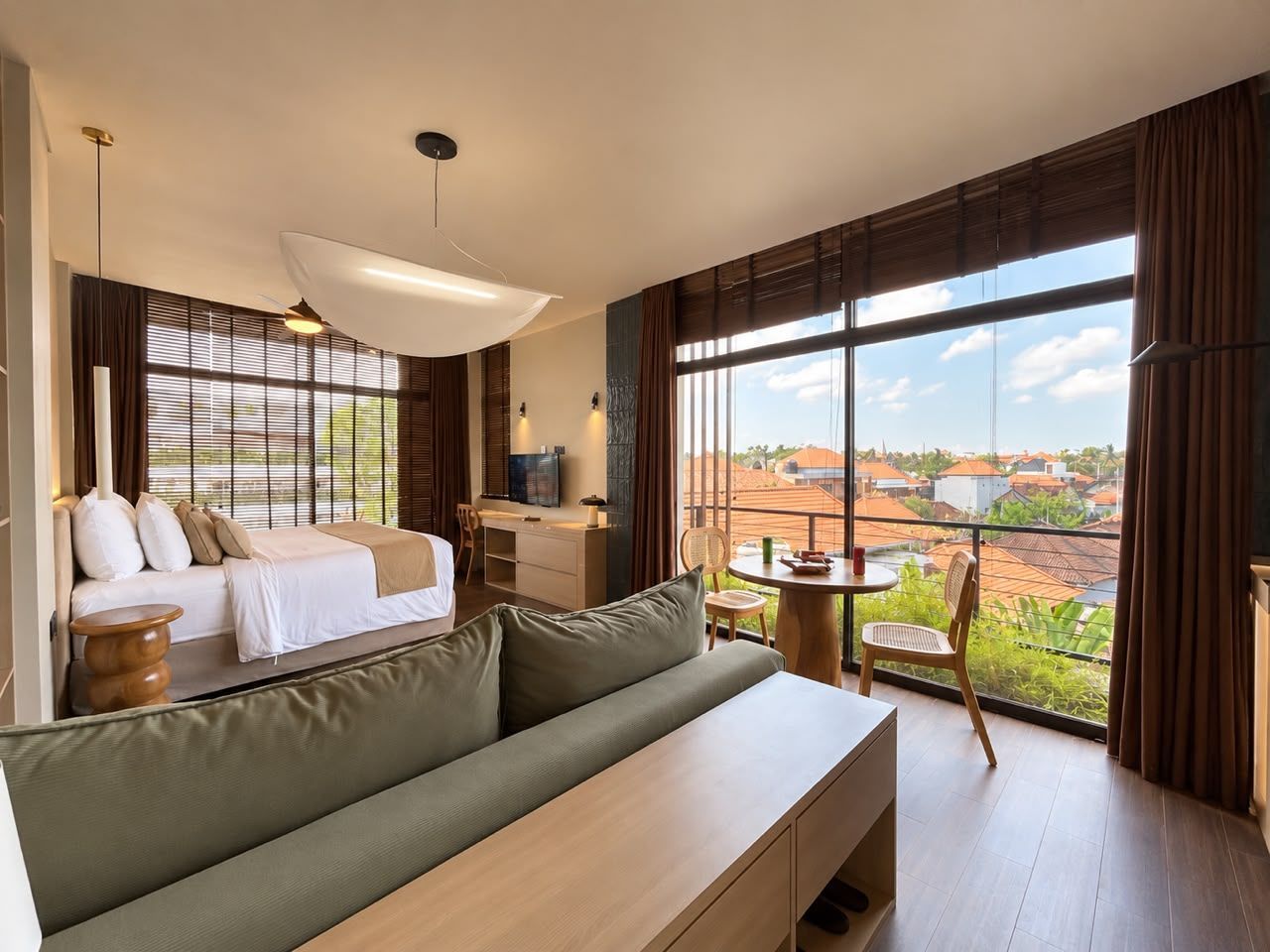
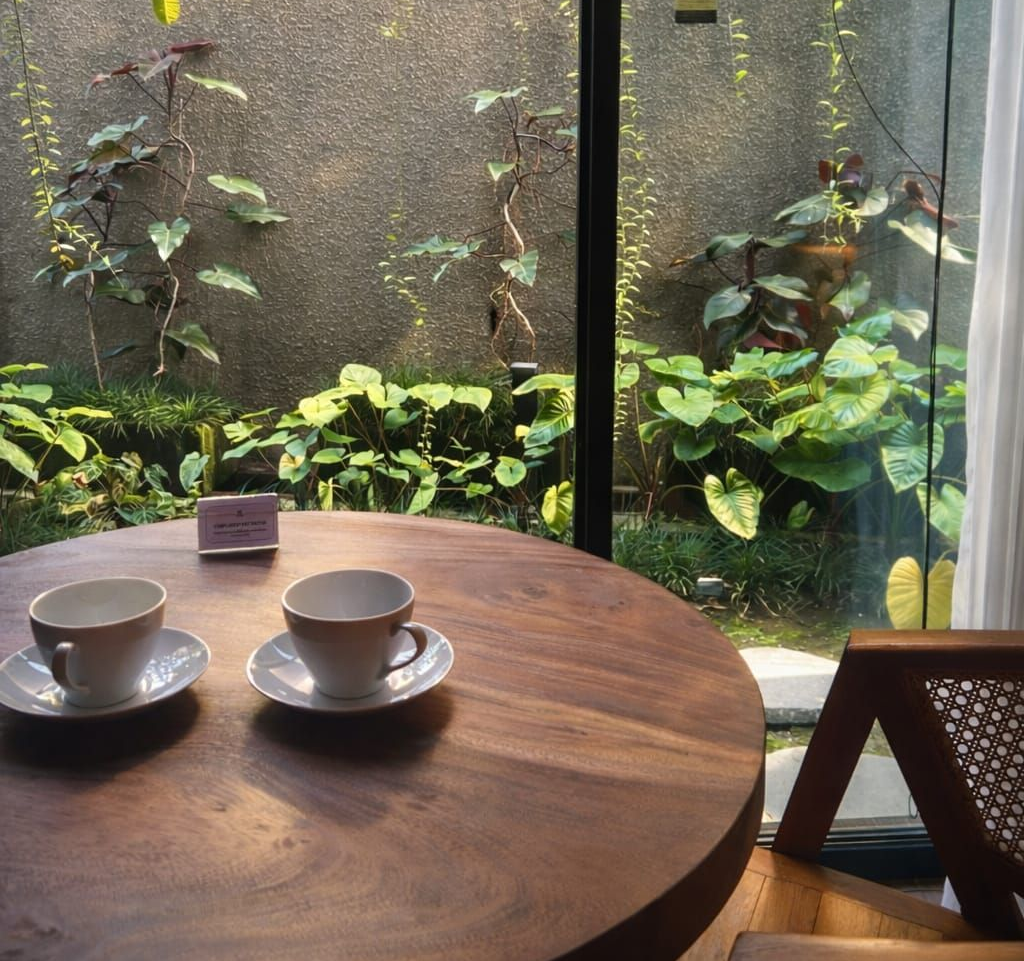
The experience of a rainy afternoon depends greatly on the environment where travelers spend it. If the accommodation feels uncomfortable, crowded, or lacking basic conveniences, rain can quickly become frustrating. On the other hand, a comfortable and relaxing space can transform a rainy day into one of the most enjoyable parts of the trip. At Aviator Bali, the atmosphere supports this slower pace naturally. The property provides a calm environment where guests can enjoy time indoors without feeling confined or bored. The private rooms create a comfortable retreat from the weather, allowing travelers to rest, read, work, or simply enjoy a quieter afternoon. The kitchenette becomes especially valuable during rainy days because it allows guests to prepare coffee, tea, or simple meals without needing to leave the property. Small routines like making a warm drink while listening to the rain outside often become surprisingly memorable experiences. The swimming pool, while commonly associated with sunny weather, also contributes to the overall atmosphere by creating a peaceful visual environment that complements the slower mood of the day. Because the property does not rely on constant activity or crowded public spaces, guests are able to embrace the quieter energy that rainy weather naturally creates. Instead of feeling that their vacation has been interrupted, they can continue enjoying the day in a different way. This flexibility is one reason why many long-stay travelers appreciate accommodations that prioritize comfort and simplicity over nonstop entertainment. The ability to enjoy both active and quiet days equally often determines how relaxing a trip ultimately feels.
Why Rainy Afternoons Often Create Stronger Memories
Memory is influenced as much by emotion as it is by events. While travelers often assume they will remember the most exciting activities, many of the moments that remain vivid years later are surprisingly simple. A rainy afternoon spent watching the weather from a balcony. A long conversation that happened because plans changed unexpectedly. A quiet evening that felt peaceful after a busy week. These experiences create strong memories because they are associated with emotional states rather than specific achievements. In Bali, rainy afternoons often provide the conditions for these moments to occur. The slower pace encourages reflection and presence. Travelers stop focusing on what comes next and begin paying attention to what is happening right now. In Canggu, where sunny days often involve movement and exploration, rain creates a rare opportunity to experience the destination differently. The atmosphere feels more intimate. Familiar places look different. Sounds become more noticeable. Even time itself seems to move more slowly. These changes create emotional depth that many travelers do not expect. Instead of remembering a checklist of activities, they remember how they felt during those quieter moments. At Aviator Bali, the calm environment supports this process by providing a comfortable setting where guests can fully embrace slower experiences. The absence of pressure to constantly participate in activities allows rainy afternoons to become enjoyable rather than disappointing. Over time, many visitors realize that some of their favorite memories came from days when nothing extraordinary happened at all.
Learning to Appreciate Every Side of Bali
One of the reasons Bali continues leaving such a strong impression on travelers is that it offers more than just beautiful weather and scenic views. The island teaches people to appreciate different rhythms of life. Sunny days encourage exploration, adventure, and discovery. Rainy days encourage rest, reflection, and stillness. Both experiences contribute to a balanced and meaningful trip. Travelers who spend enough time in places like Canggu often develop a deeper appreciation for this variety. They stop judging each day based on the weather and start valuing how each day feels. Staying at Aviator Bali supports this perspective by providing an environment that remains comfortable regardless of the conditions outside. With private rooms, kitchenettes, and a swimming pool, guests have the flexibility to enjoy both active and quiet days without needing to constantly adjust their plans. Whether the afternoon is filled with sunshine or rain, the focus remains on comfort, simplicity, and enjoying the experience at a personal pace. In the end, many travelers leave Bali realizing that perfect weather was never the most important part of the trip. What mattered most was having enough time and freedom to appreciate every version of the island—including the rainy afternoons that unexpectedly became some of the most memorable moments of all.