

Why the Most Expensive Part of a Bali Vacation Is Often the Time You Don't Notice Losing
The Hidden Cost That Most Travelers Never Calculate
When planning a trip to Bali, most travelers focus on visible expenses. Flights, accommodation, transportation, food, activities, and shopping usually dominate the budget. Before arriving, people compare room rates, calculate daily spending, and search for ways to maximize value during their stay. However, there is another cost that rarely appears on travel budgets despite being one of the most valuable resources a traveler possesses: time. Unlike money, time cannot be refunded, replaced, or earned back after it has been spent. Yet many visitors unintentionally lose large amounts of it throughout their vacation without realizing it. In destinations like Canggu, where there are endless choices of places to visit and things to do, travelers often become so focused on maximizing experiences that they overlook how much time is quietly disappearing in the background. Long journeys between locations, waiting for transportation, standing in queues, deciding where to eat, researching activities, and constantly adjusting plans can consume hours every day. Individually, these moments may seem insignificant. Together, however, they can become one of the largest portions of the trip. The irony is that many travelers leave Bali wishing they had more time, even though they spent considerable portions of their holiday dealing with logistics rather than experiences. This realization often arrives only after the trip is over. Looking back, people remember specific sunsets, meaningful conversations, peaceful mornings, or relaxing afternoons. Very few remember the hours spent deciding where to go next or sitting in traffic trying to reach another destination. The hidden value of time becomes especially clear when travelers compare two different types of vacations. One may involve seeing many places but constantly feeling rushed. The other may involve fewer locations but deeper enjoyment of each moment. More and more visitors are beginning to realize that a successful trip is not necessarily defined by how many attractions they complete, but by how much of their time was spent genuinely enjoying themselves. In this sense, time becomes the true luxury of travel, and protecting it often has a greater impact on overall satisfaction than reducing financial expenses.
Why Constant Movement Creates the Illusion of Productivity
Modern travel culture often encourages a mindset that values movement above all else. Travelers are frequently told to make the most of every day, avoid wasting time, and fit as many experiences as possible into their itinerary. Social media reinforces this idea by showcasing carefully curated highlight reels where every hour appears productive and exciting. As a result, many visitors arrive in Bali with schedules packed from morning until night. While this approach may seem efficient, it can create an unexpected problem. Constant movement often creates the illusion of productivity without necessarily increasing enjoyment. Travelers may spend entire days moving between attractions, crossing different parts of the island, and chasing recommendations, yet feel strangely exhausted by the end of the trip. In Canggu, where cafés, beaches, restaurants, and activities are abundant, it is easy to fall into this pattern. Every day presents another opportunity, another recommendation, and another place that seems worth visiting. The challenge is that each additional destination requires time. Transportation, planning, preparation, and decision-making all consume energy that could otherwise be spent enjoying the present moment. Eventually, travelers begin noticing that some of their happiest days were not the busiest ones. Instead, they were often the days when movement slowed down and experiences had room to breathe. A long breakfast without checking the clock. A quiet afternoon by the pool. An evening spent relaxing rather than rushing to another location. These moments feel different because they prioritize presence over productivity. Rather than treating time as something to be filled, they allow it to be enjoyed. This shift in perspective often changes how people experience Bali. The focus moves away from accomplishing more and toward appreciating more deeply. As a result, the vacation begins feeling less like a project and more like the restorative experience it was meant to be.
How Choosing the Right Stay Can Save More Than Money
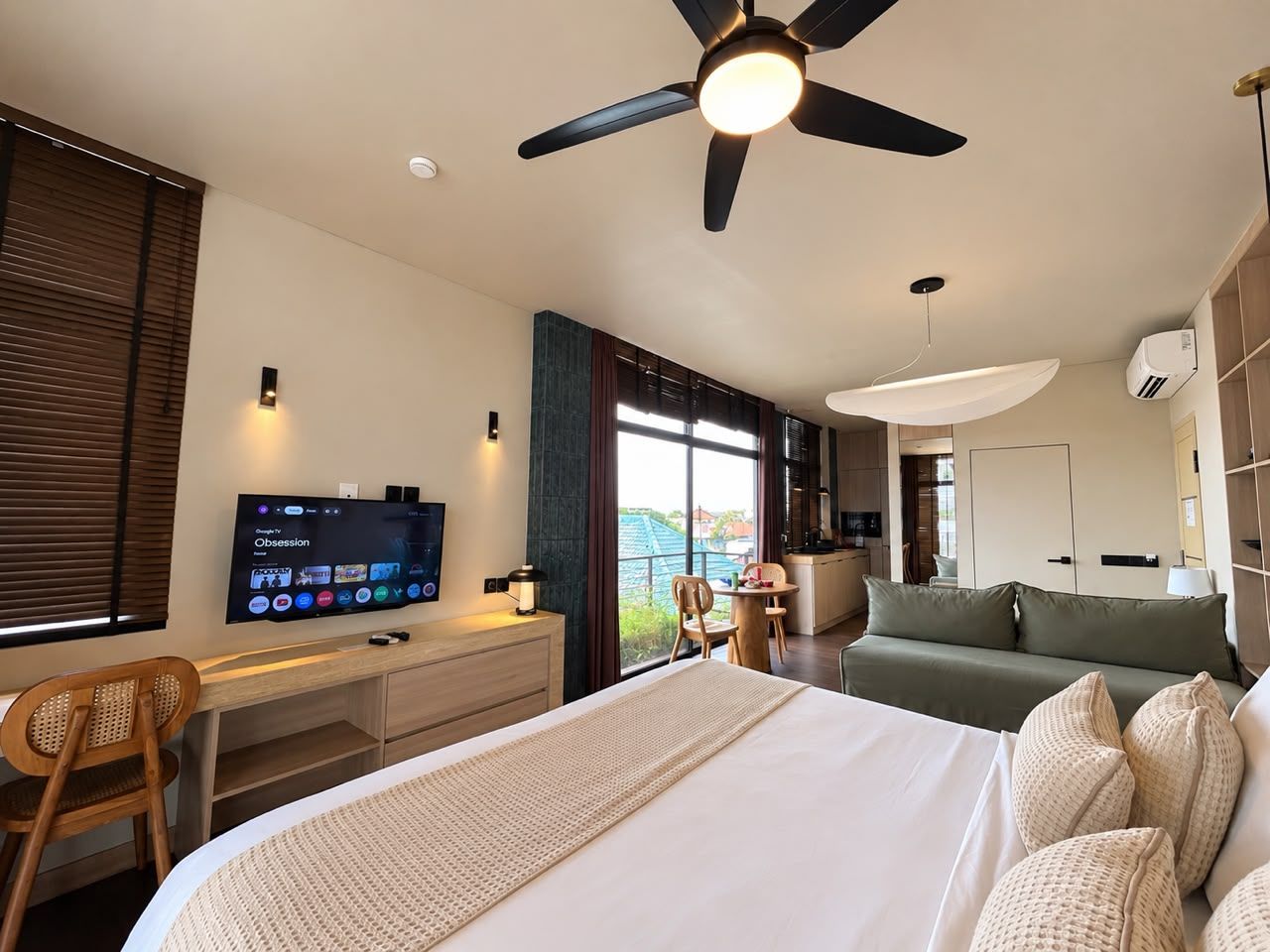
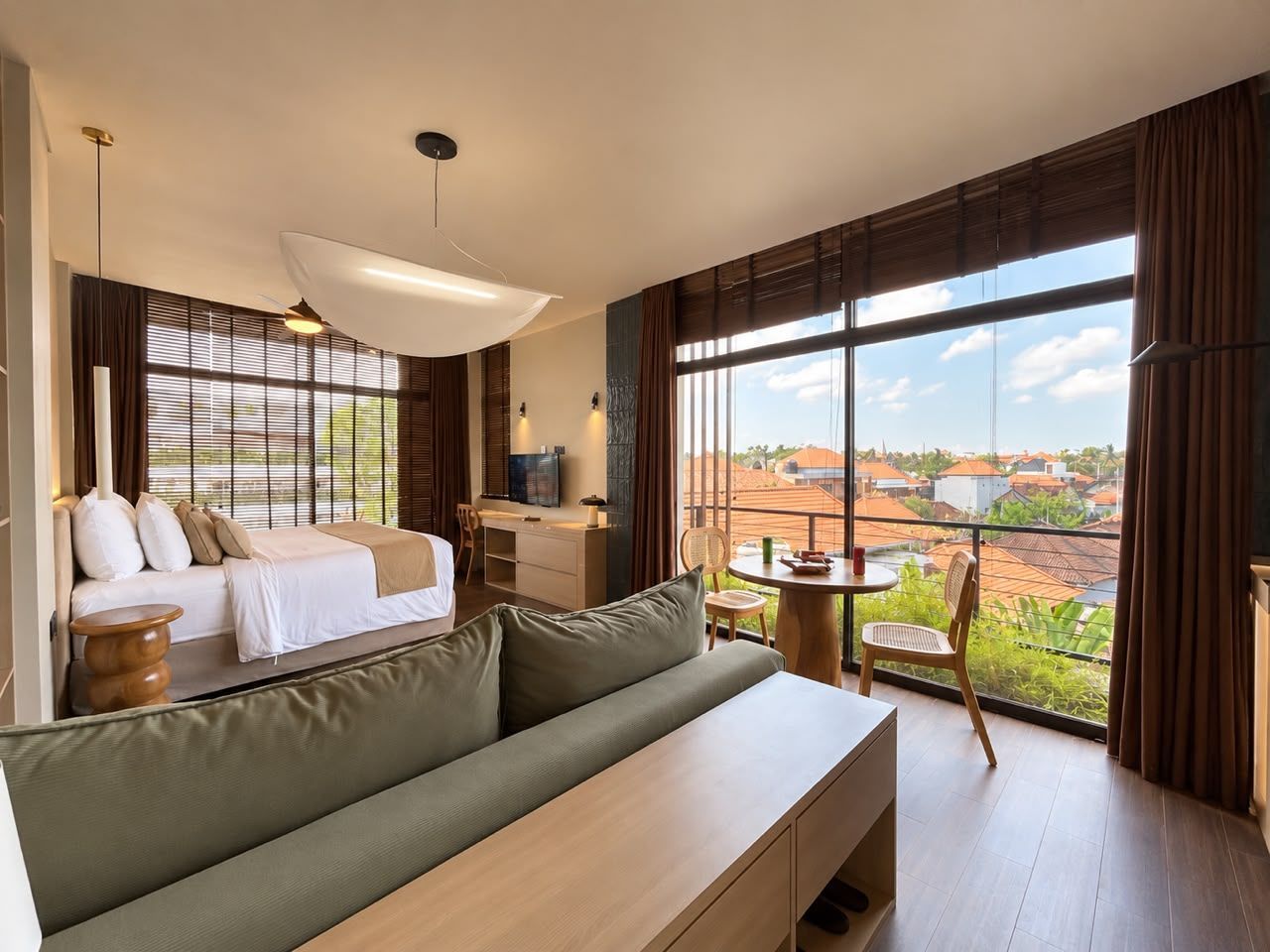
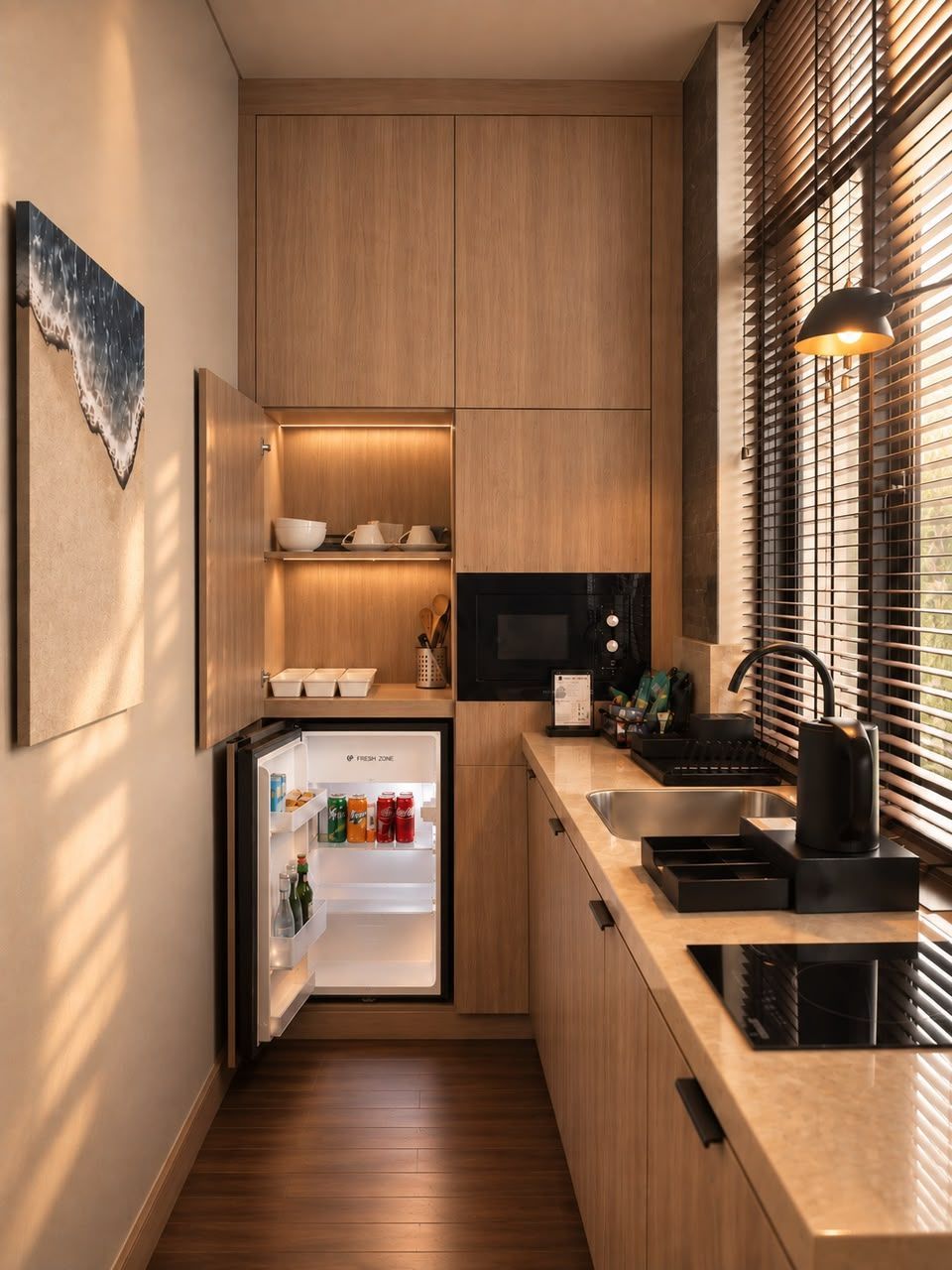
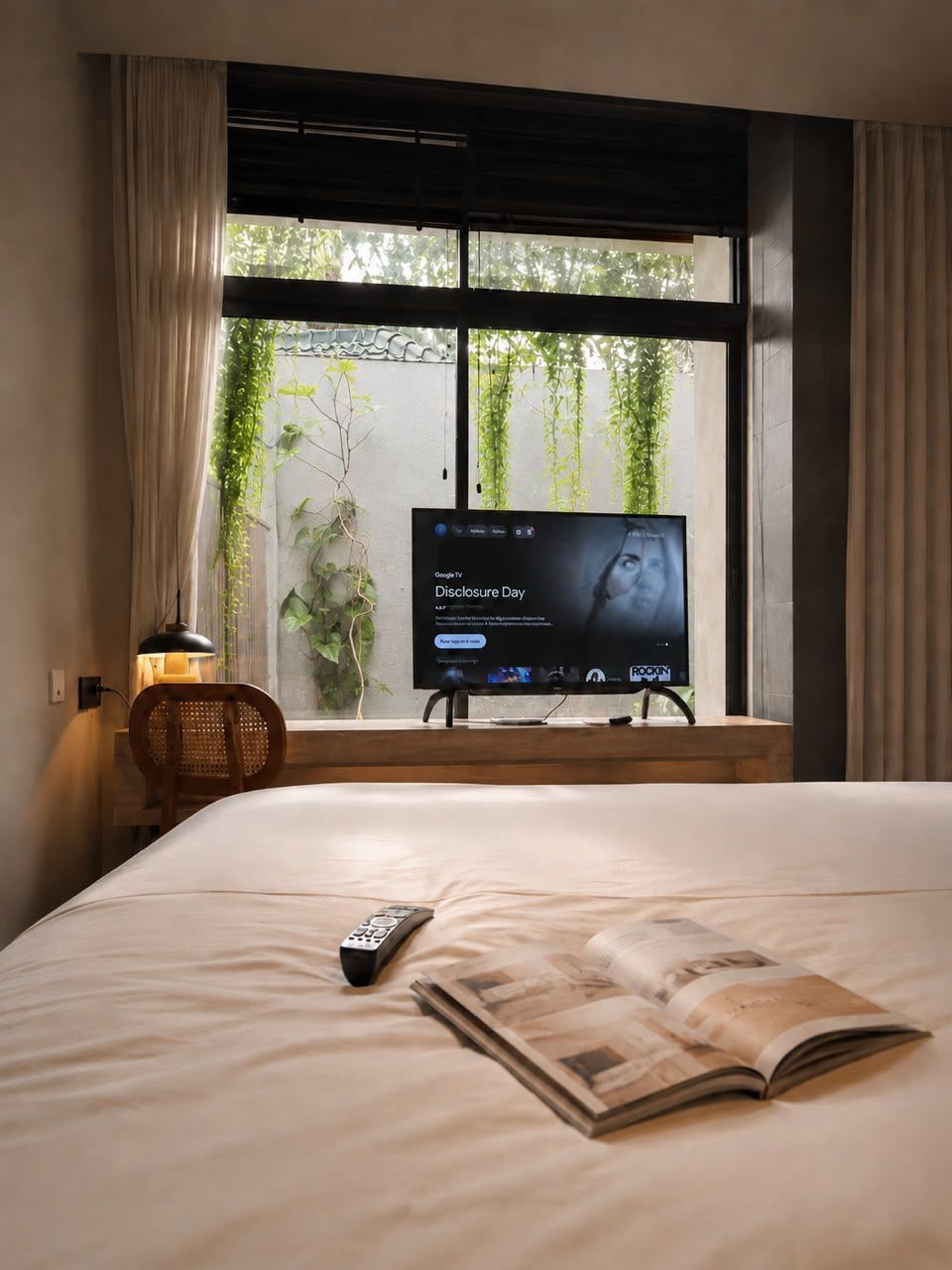
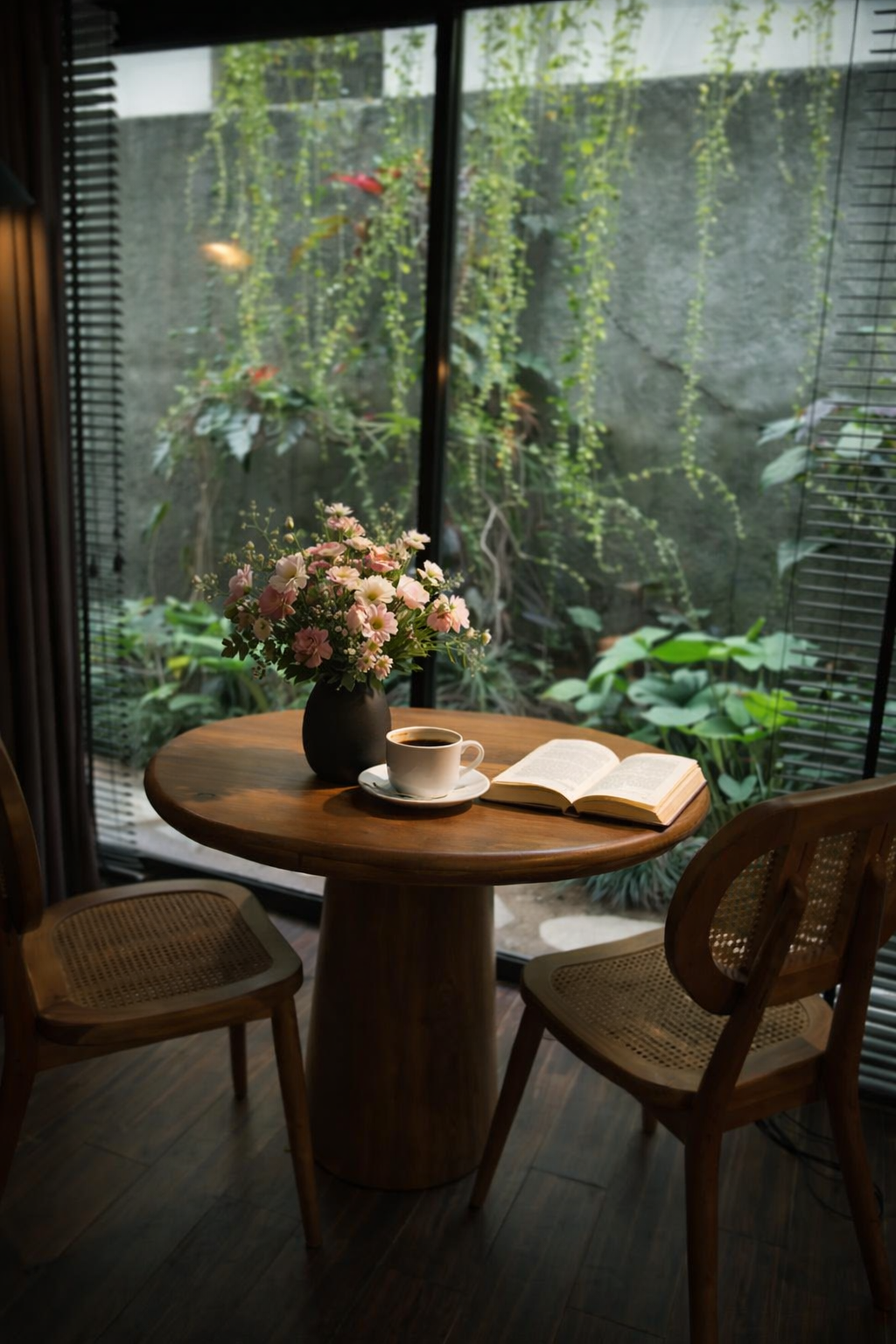
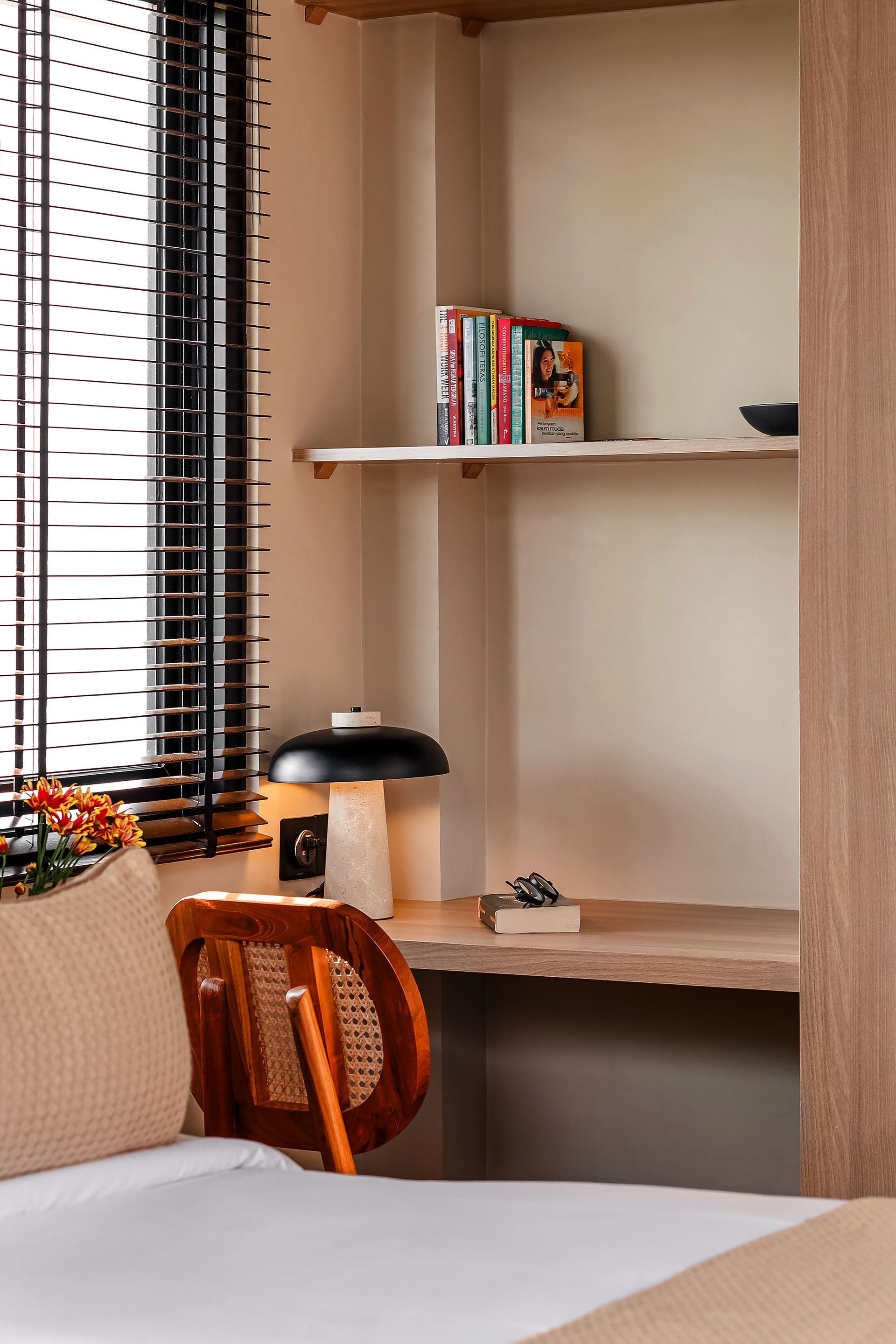
Accommodation influences far more than where travelers sleep. It affects how time is spent throughout the entire trip. Properties located far from daily conveniences often require additional transportation. Accommodations that lack essential comforts may encourage guests to spend more time searching for alternatives outside. On the other hand, a comfortable and practical stay can significantly reduce unnecessary movement and decision-making. At Aviator Bali, the focus on simplicity and functionality helps travelers use their time more intentionally. The presence of a kitchenette means guests can prepare simple meals, coffee, or snacks whenever they want without needing to leave the property. This convenience may seem small, but over the course of a stay it saves time while also creating a more relaxed daily rhythm. The swimming pool provides a comfortable place to unwind without requiring additional planning or travel. Instead of searching for somewhere to spend a quiet afternoon, guests already have access to a peaceful environment within the property itself. The calm atmosphere further contributes to this sense of efficiency by reducing distractions and encouraging slower, more enjoyable routines. Rather than constantly organizing the next activity, travelers can spend more time enjoying the present one. Over several days, these small conveniences accumulate into something valuable: additional free time. This extra time can be used however guests choose, whether that means exploring more of Canggu, resting longer, or simply enjoying the freedom of having fewer obligations. In a destination where many people arrive seeking relaxation, the ability to protect and enjoy one's time often becomes more important than any luxury facility.
Why the Most Memorable Moments Usually Happen When Nothing Urgent Is Happening
One of the most interesting aspects of travel is that memory does not always prioritize the biggest events. People often assume they will remember the most expensive excursion, the most famous attraction, or the most carefully planned activity. While these experiences certainly contribute to the trip, many of the moments that remain strongest years later are surprisingly ordinary. A peaceful morning coffee. A conversation by the pool. A quiet evening after a day of exploration. These experiences become memorable because they are associated with emotional states rather than achievements. They happen when the mind is relaxed enough to fully absorb the moment. In Bali, particularly in areas like Canggu, these moments often occur during periods of unstructured time. When there is no immediate destination, no strict schedule, and no pressure to accomplish something, travelers become more present. They notice details that would otherwise pass unnoticed. The sound of the surrounding environment, the quality of the light, the comfort of simply sitting still—all become part of the experience. This is why protecting time is so important. Without free time, these moments struggle to exist. Every hour filled with obligations leaves less room for spontaneity and presence. Travelers who give themselves space often discover that the most meaningful memories emerge naturally rather than being planned. They are not found on itineraries or recommendation lists. They appear unexpectedly during the quiet spaces between activities. Those are often the moments people carry home with them long after the trip ends.
The Real Luxury of a Bali Getaway
Luxury is often associated with things that are visible: beautiful architecture, premium facilities, exclusive services, and impressive views. While these elements certainly have value, many travelers eventually discover that the greatest luxury Bali offers is something far less obvious. It is the luxury of having time. Time to wake up slowly. Time to enjoy breakfast without rushing. Time to sit by the pool with no particular agenda. Time to explore because you want to, not because your schedule demands it. Staying at Aviator Bali supports this philosophy by creating an environment where comfort and convenience help reduce unnecessary demands on a guest's day. With private rooms, kitchenettes, a swimming pool, and a calm atmosphere, travelers have the flexibility to spend their time in ways that feel meaningful to them. There are no complicated schedules, no pressure to participate in activities, and no expectation that every moment should be productive. Instead, guests are free to experience Bali at their own pace. In the end, many visitors leave Canggu realizing that the most valuable thing they gained from the trip was not a souvenir, an excursion, or a photograph. It was the feeling of having enough time to truly enjoy where they were. That feeling is increasingly rare in everyday life, which is why it often becomes the part of Bali people miss the most once they return home.