






The Comfort of Being Unnoticed: Why Privacy Has Become the New Luxury in Hotels
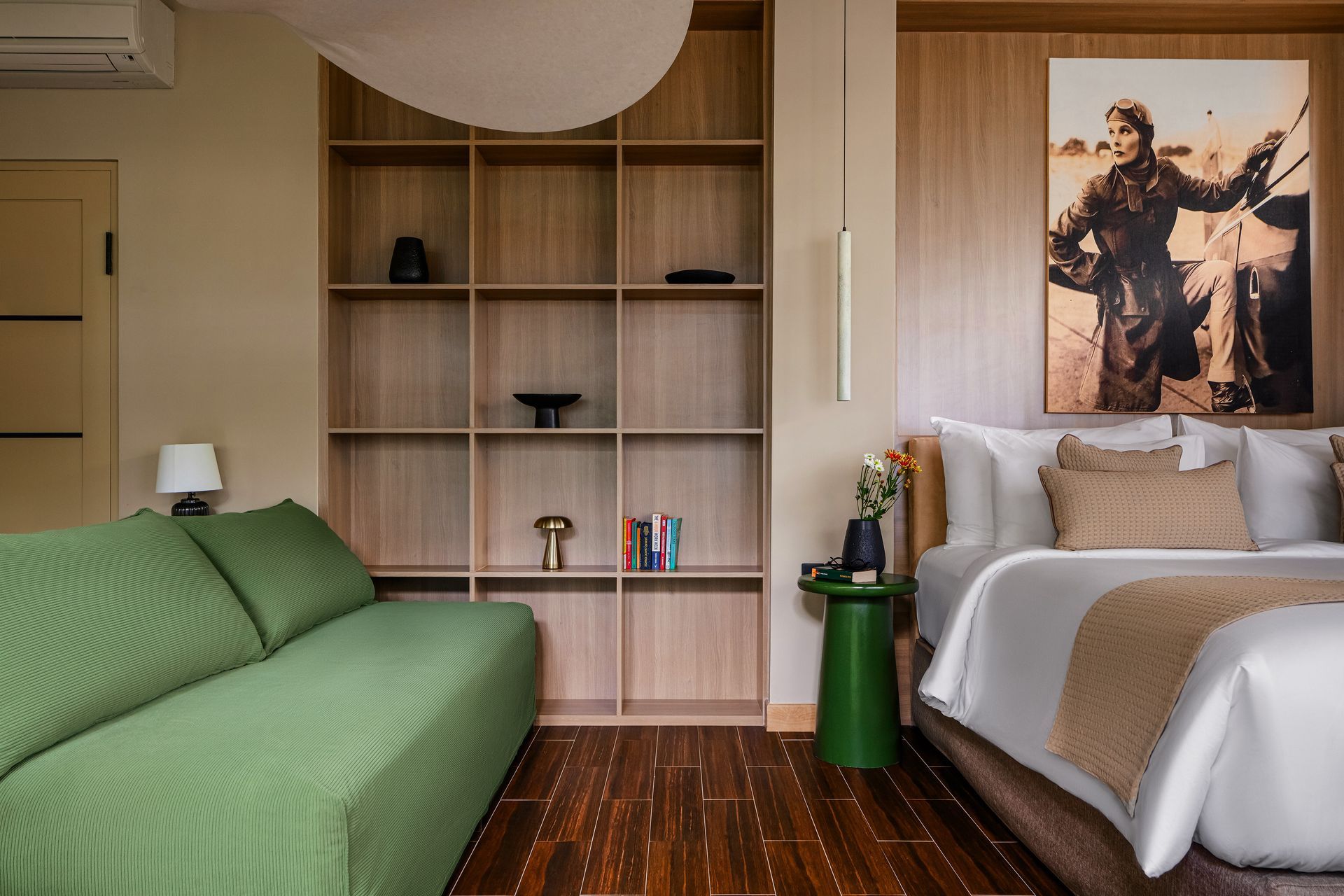
In recent years, the definition of luxury in hospitality has quietly shifted away from excess and toward discretion. Modern travelers are no longer impressed solely by grand lobbies, constant greetings, or overly attentive service. Instead, many seek the comfort of being unnoticed — the freedom to move through a space without interruption, explanation, or performance. Privacy has become a form of emotional security, especially for guests who travel to recover from overstimulation, burnout, or social fatigue. Hotels that understand this design their experiences to feel seamless rather than supervised. Guests can check in smoothly, access their rooms without unnecessary interactions, and enjoy shared spaces without feeling observed. This sense of autonomy allows travelers to reclaim control over their environment, which is particularly valuable in destinations that are lively and densely touristed. When a hotel respects a guest’s need for quiet presence, it communicates trust. That trust, in turn, transforms the stay into a personal retreat rather than a public performance.
Privacy in hospitality is not about isolation; it is about choice. The most successful hotels give guests full control over how visible or invisible they wish to be. This balance is achieved through thoughtful spatial planning and service flow rather than physical barriers. Corridors that feel calm instead of exposed, shared areas that allow distance without discomfort, and room layouts that buffer sound from neighboring spaces all contribute to a sense of protected personal space. Even small details — such as discreet housekeeping schedules or the option to decline daily cleaning — signal respect for boundaries. When guests feel they can engage on their own terms, interactions with staff become more meaningful rather than obligatory. This dynamic reduces emotional fatigue and fosters a sense of mutual respect between guest and hotel. In environments where privacy is honored, guests often feel more relaxed and open, paradoxically creating deeper appreciation for the service provided. The absence of pressure becomes a form of care.
The growing demand for privacy is closely tied to how people live outside of hotels. In everyday life, individuals are constantly visible — tracked by notifications, messages, cameras, and social expectations. Travel, therefore, has become an opportunity to temporarily step out of that constant exposure. A hotel that understands this does not compete for attention; it provides relief from it. Guests appreciate environments where they are not asked to be “on” all the time — no forced conversations, no excessive check-ins, no performative hospitality. Instead, subtle signals replace overt service: clear signage, intuitive layouts, and responsive but unobtrusive staff presence. These elements allow guests to navigate the space confidently and independently. As a result, the hotel becomes a psychological buffer between the outside world and the guest’s inner need for calm. In such settings, rest is not just physical but mental, enabling travelers to disconnect without feeling disconnected.
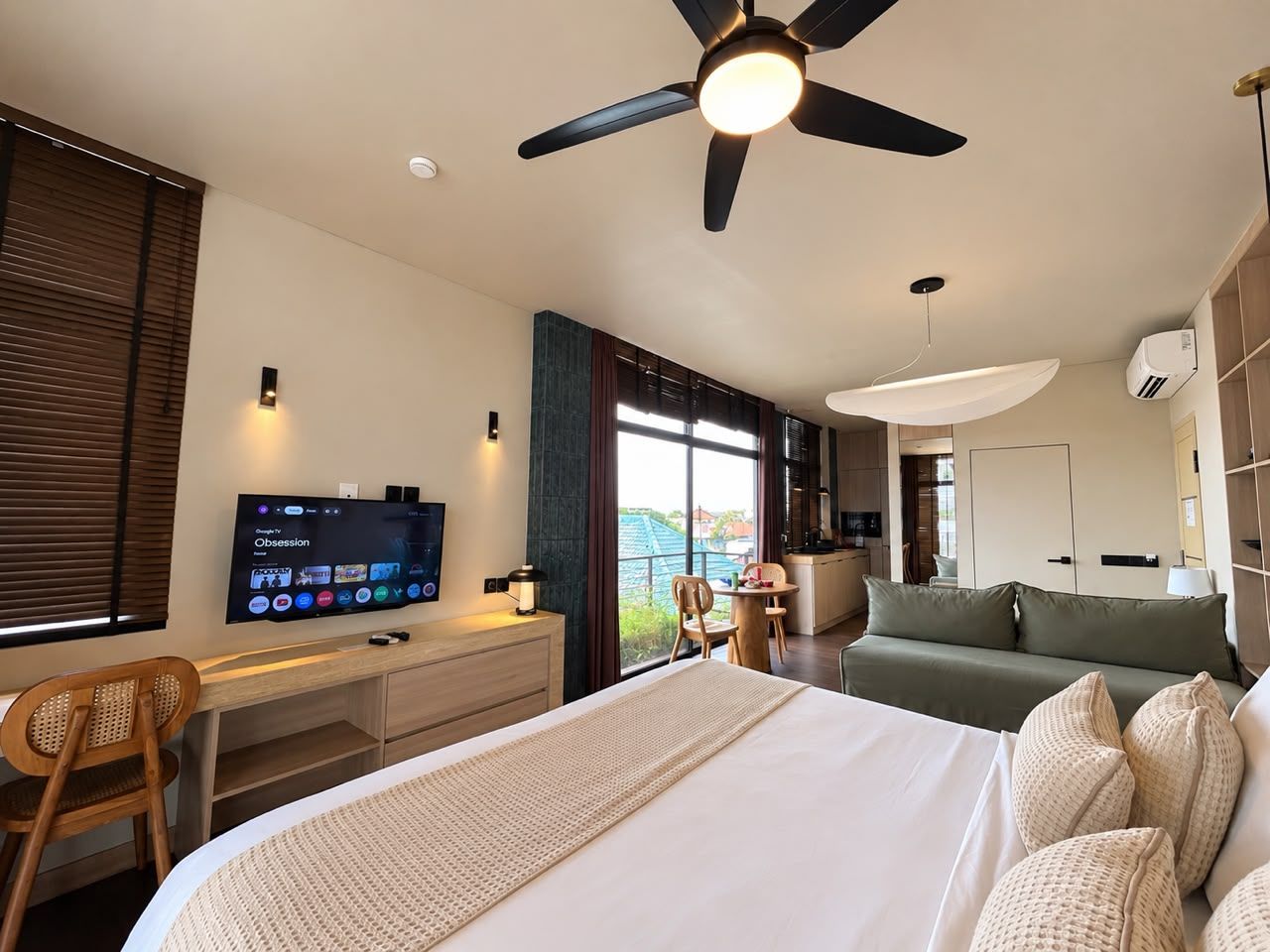
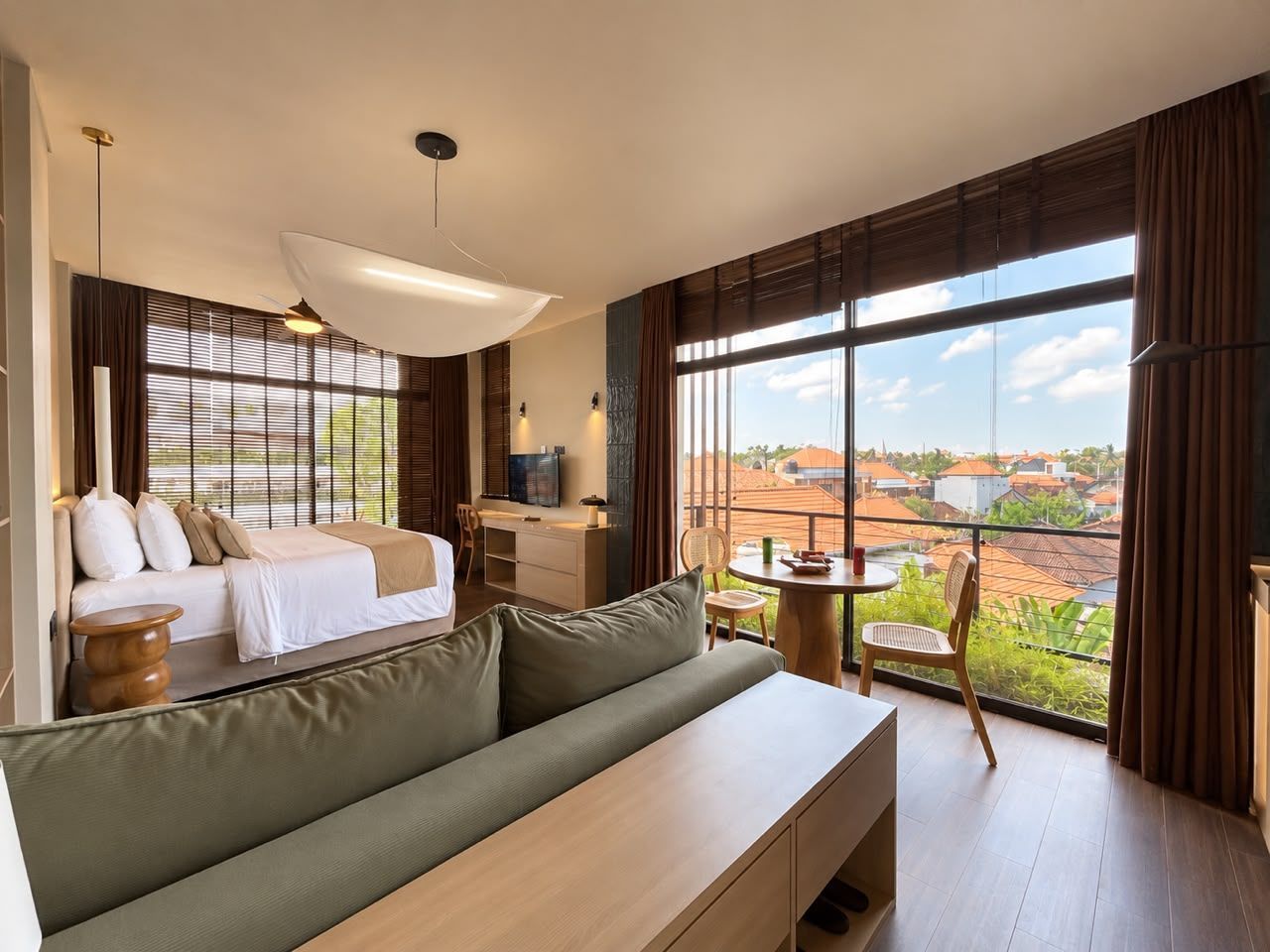
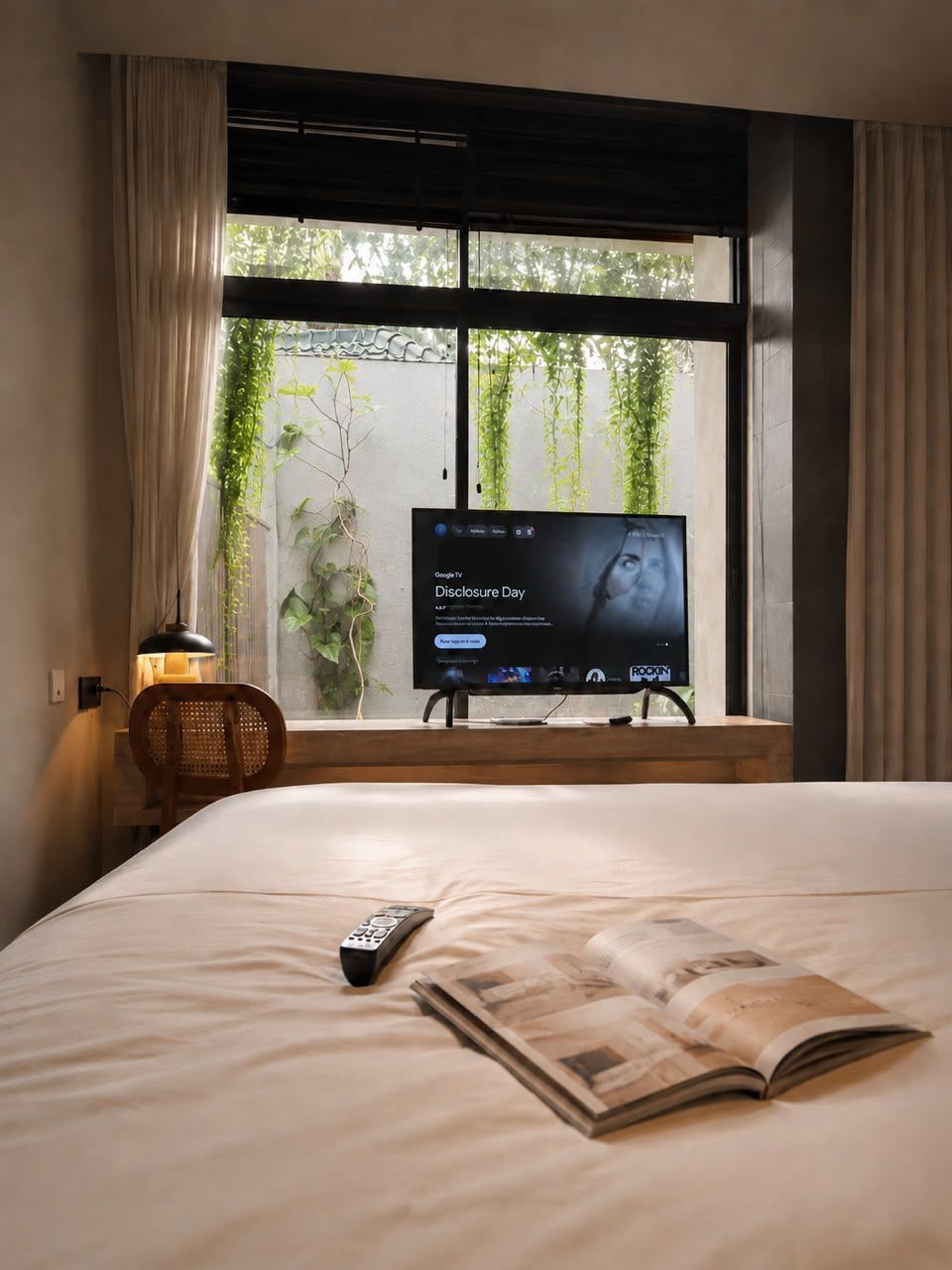
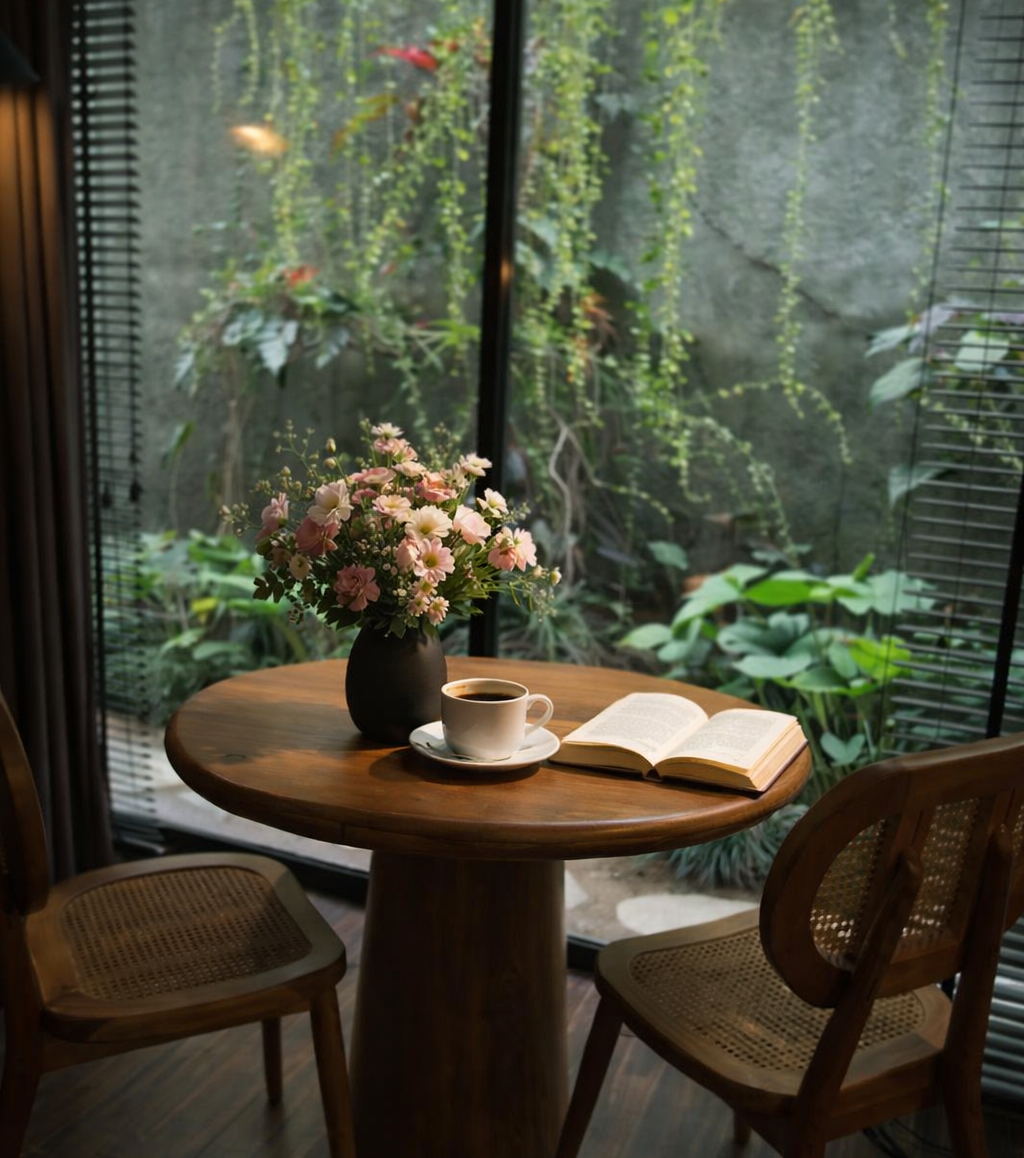
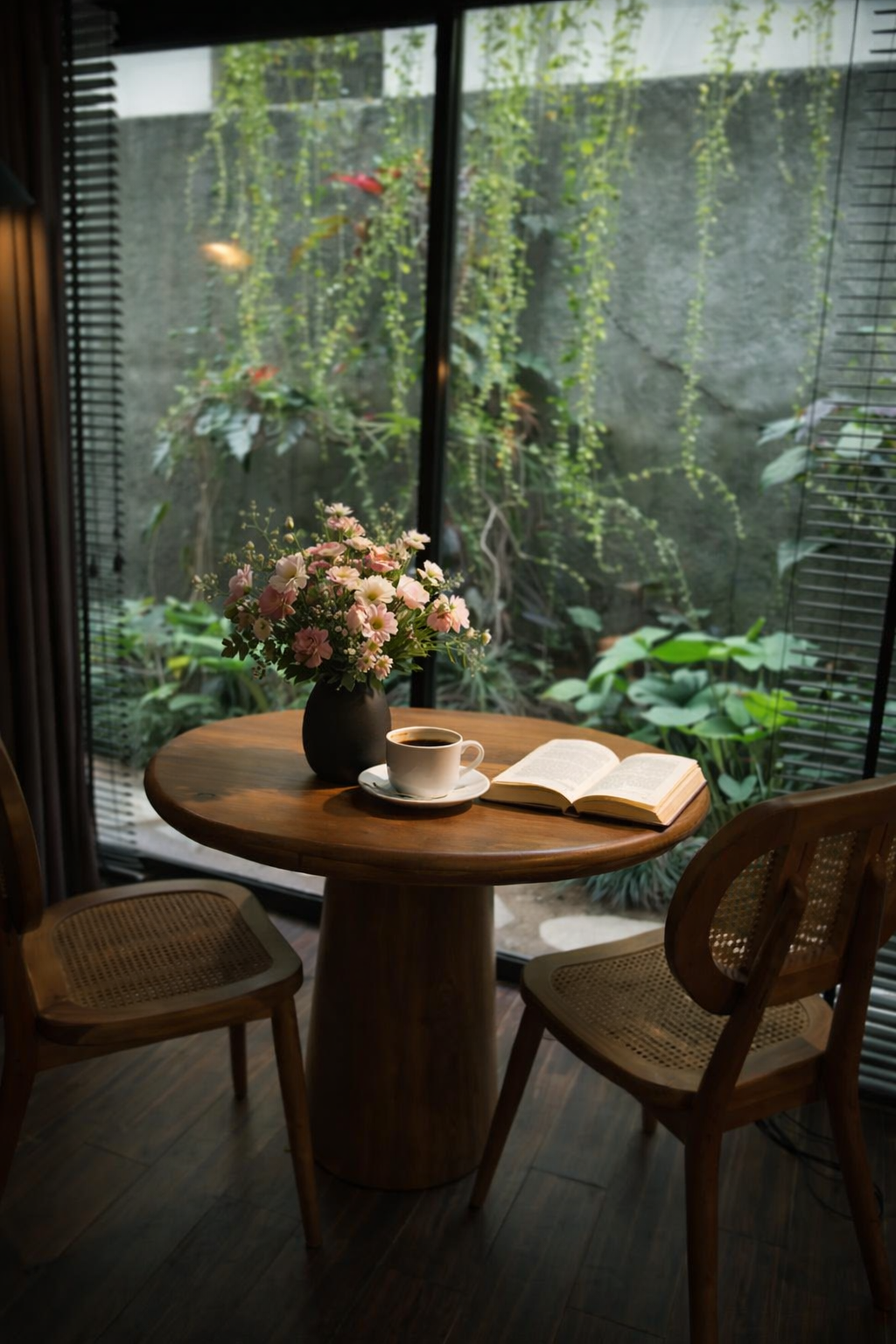
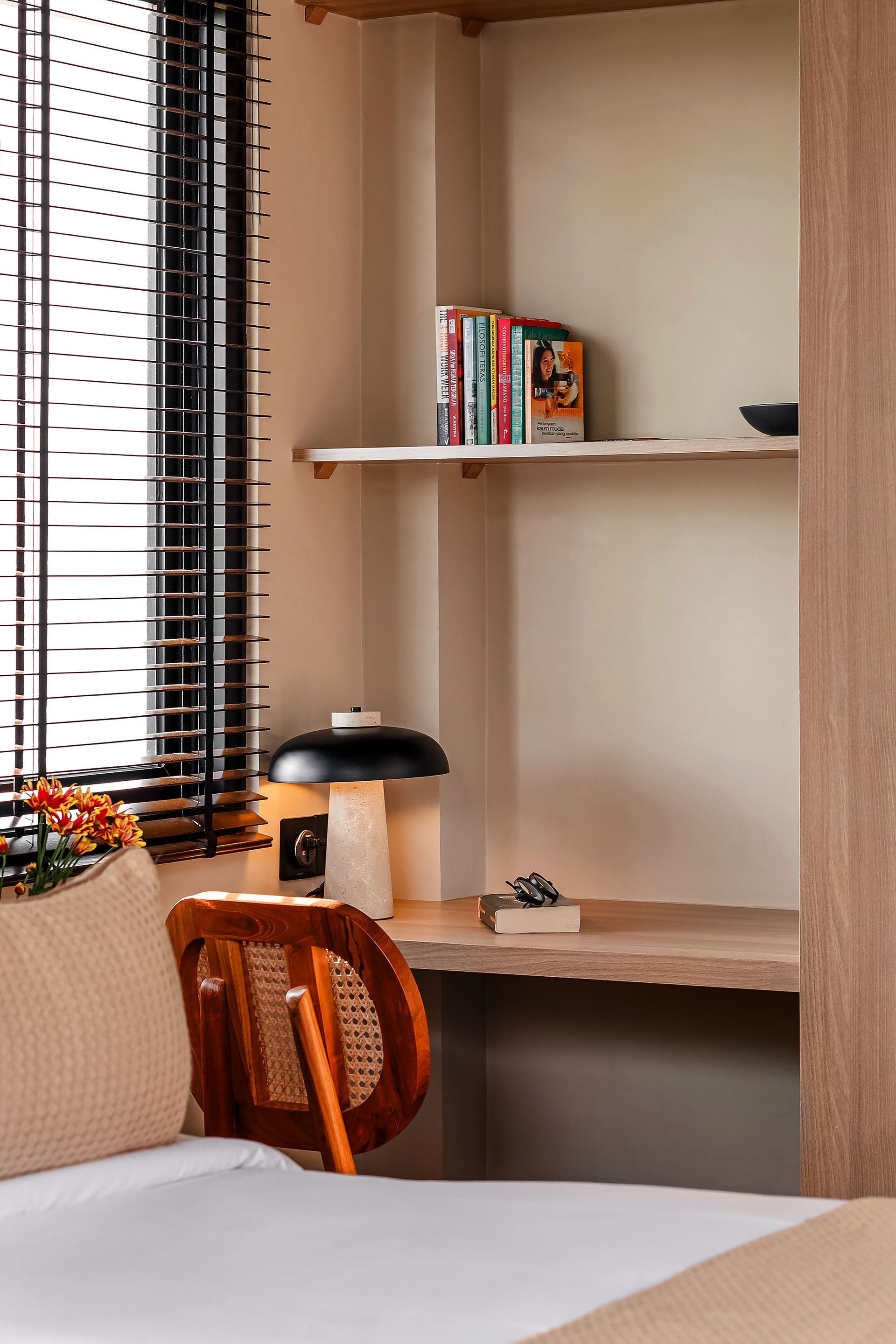
Architectural design plays a crucial role in how privacy is experienced within a hotel. Privacy is not created solely by walls, but by how spaces transition from public to personal. Well-designed hotels guide guests through gradual layers — from open communal areas to semi-private zones, and finally into intimate personal spaces. Lighting becomes softer, acoustics more controlled, and visual lines more intentional as guests move inward. Windows are positioned to allow light without exposure, while balconies, gardens, or terraces are designed to feel secluded even within dense environments. Materials also matter; textures that absorb sound and natural finishes that reduce visual noise contribute to a feeling of safety. When architecture supports privacy, guests instinctively relax without consciously understanding why. The space itself communicates permission to slow down, withdraw, and exist without scrutiny — a silent agreement between the building and its inhabitants.
Emotional trust is one of the most undervalued currencies in the hospitality industry, yet it is the factor that determines whether a guest merely stays or truly settles in. Trust develops when guests feel that the hotel understands their unspoken needs — not just what they request, but what they deliberately choose not to ask for. Long-stay travelers, in particular, are highly sensitive to this dynamic. Unlike short-term guests who may tolerate small discomforts, long-stayers need an environment that respects routine, autonomy, and emotional stability. They begin to notice patterns: how staff greet them, whether their preferences are remembered without reminders, and whether their presence feels acknowledged without being monitored. A hotel that succeeds in building emotional trust creates a sense of psychological safety, where guests feel comfortable leaving personal belongings, maintaining routines, and establishing a temporary sense of home. This trust reduces friction, allowing guests to invest emotionally in the space rather than remaining in a constant state of adaptation. Over time, the hotel becomes more than accommodation — it becomes a stable anchor within an unfamiliar environment.
Service culture is often misunderstood as a checklist of procedures, but in reality, it is an attitude that shapes every interaction, including the ones that never happen. The most refined hospitality experiences are defined not by how often staff engage guests, but by how accurately they sense when not to. This requires emotional intelligence, intuition, and internal trust within the team itself. Staff who feel respected and supported are more capable of extending that same respect to guests. They learn to read body language, tone, and timing — recognizing when a guest wants conversation and when silence is the greatest form of service. Over time, these micro-decisions accumulate, creating an environment that feels emotionally intelligent rather than mechanically efficient. Guests may not remember specific staff members or scripted greetings, but they remember how the space made them feel — unpressured, understood, and free to exist on their own terms. In such hotels, service becomes invisible yet deeply impactful, reinforcing a sense of calm that guests carry with them even after they leave.
In an era where travel is increasingly performative, many travelers are quietly searching for experiences that allow them to disengage rather than display. Social media has trained people to document movement, yet the most meaningful stays often occur when nothing visibly remarkable happens. Hotels that understand this shift design experiences that prioritize internal rhythm over external stimulation. They create environments where guests feel no pressure to optimize their time, chase itineraries, or constantly seek novelty. Instead, the value lies in repetition — the same morning light entering the room, the familiar path to the lobby, the consistent tone of interaction. These small constants help regulate the nervous system, especially for travelers who have spent months in transit or are navigating unfamiliar cultures. When a hotel respects this inner rhythm, guests begin to associate the space with emotional restoration rather than consumption. This is why modern travelers return not for dramatic features, but for the quiet reassurance that they can be fully present without needing to perform.
Ultimately, the true measure of a meaningful stay is not found in amenities, design, or even location, but in how effortlessly a guest can exist within the space. A hotel that succeeds in this regard becomes part of the guest’s internal landscape — remembered not through photos, but through feeling. Long after checkout, what lingers is the sense of ease, the absence of friction, and the quiet confidence that one was cared for without being controlled. These are the places guests recommend not loudly, but sincerely. They are spoken of in personal conversations, shared as trusted suggestions rather than public endorsements. In a world that increasingly demands attention, the rarest luxury is a place that asks for nothing in return. And it is precisely this restraint — this respect for the guest’s emotional autonomy — that transforms a stay into something enduring.