





The Psychology of Space: How Hotel Design Influences Your Travel Mood
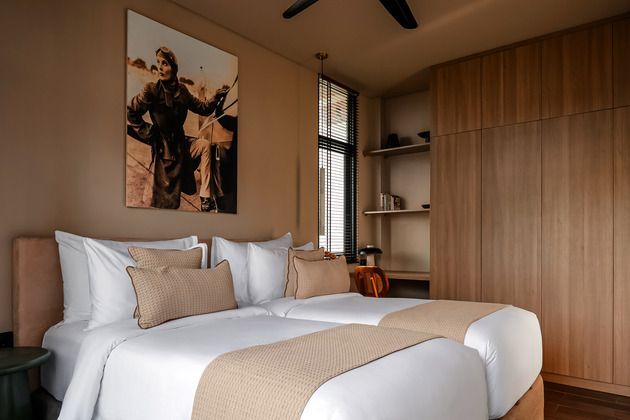
When people talk about choosing a hotel, the conversation usually revolves around price, location, or amenities. Rarely does anyone stop to consider how the design of a hotel subtly affects their mood, behavior, and overall travel experience. Yet psychology plays a powerful role in how we feel inside a space, especially when we are far from home. The layout of a room, the choice of colors, the flow between indoor and outdoor areas, and even ceiling height can influence stress levels, creativity, and emotional comfort. In destinations like Bali—where many travelers arrive seeking rest, inspiration, or a mental reset—the design of accommodation becomes more than a visual element; it becomes part of the journey itself. Hotels that understand spatial psychology do not simply decorate rooms, they choreograph experiences. From the moment a guest enters the lobby to the way natural light enters the bedroom in the morning, each element quietly communicates a sense of safety, calm, or energy. For travelers staying in places like Canggu, where days can be both stimulating and overwhelming, returning to a space that feels balanced and grounding can make the difference between a tiring trip and a restorative one. This is why thoughtfully designed hotels leave a deeper impression than those that rely solely on luxury labels or excessive decoration—they work with the human mind, not against it.
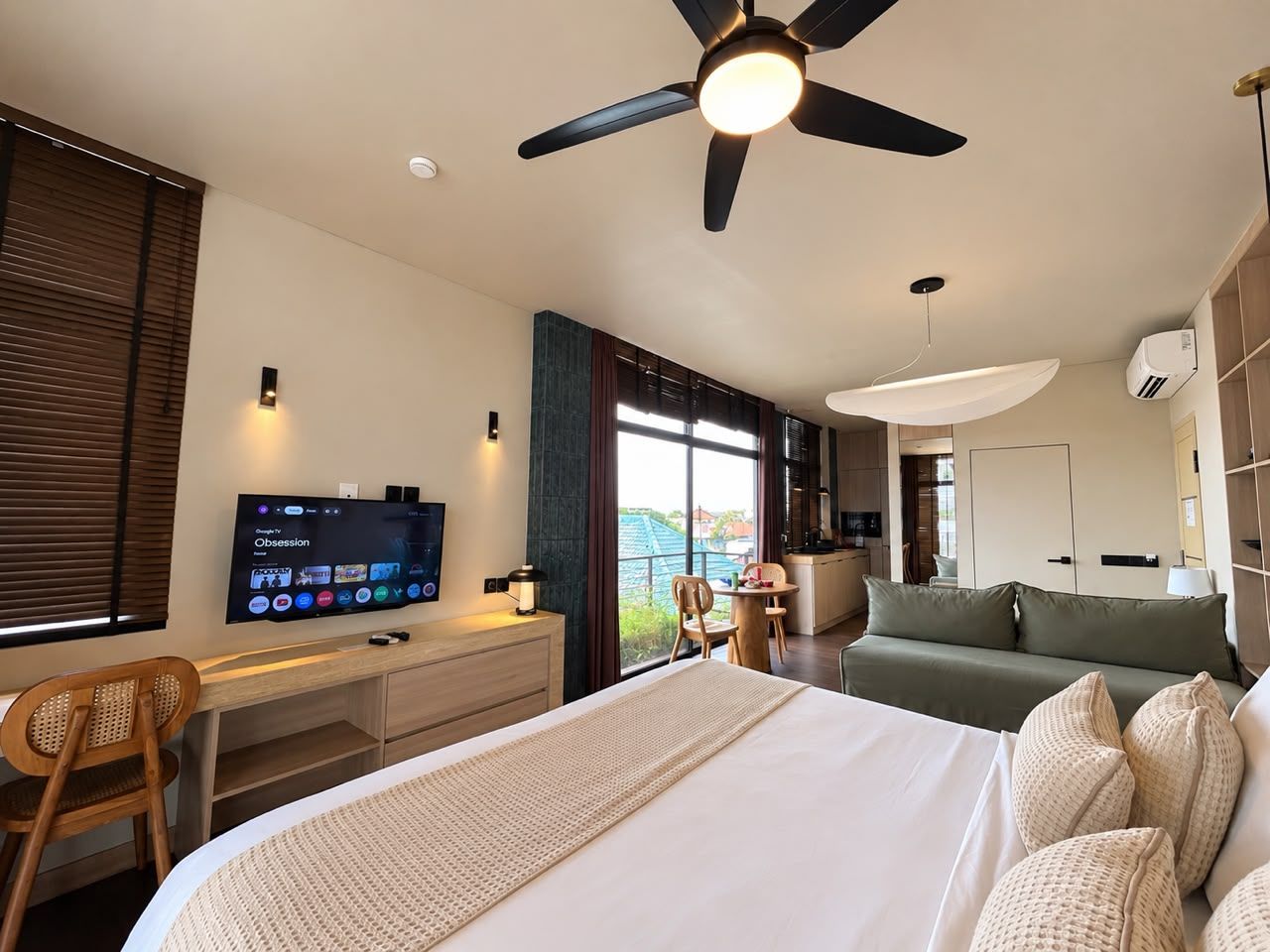
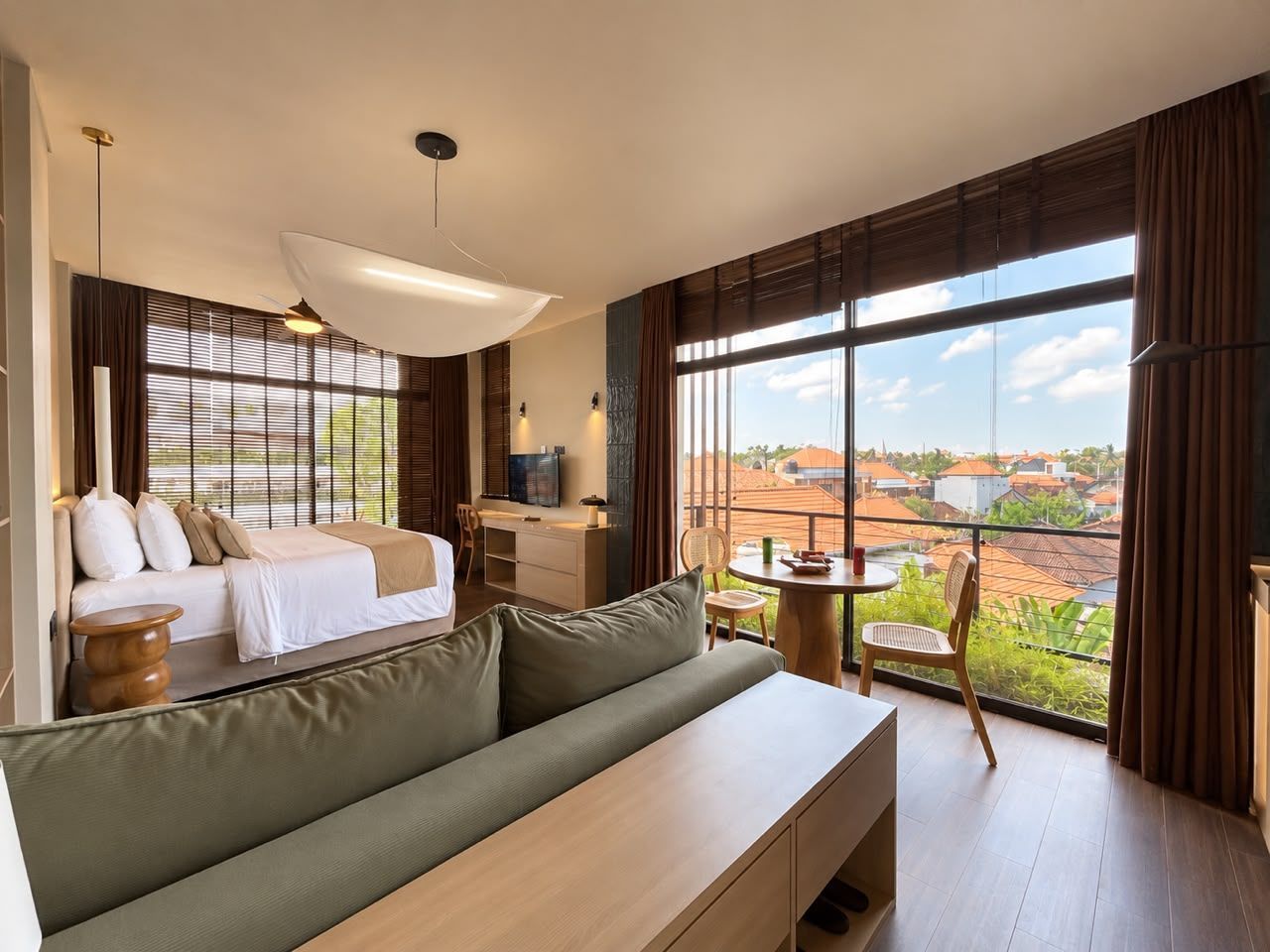
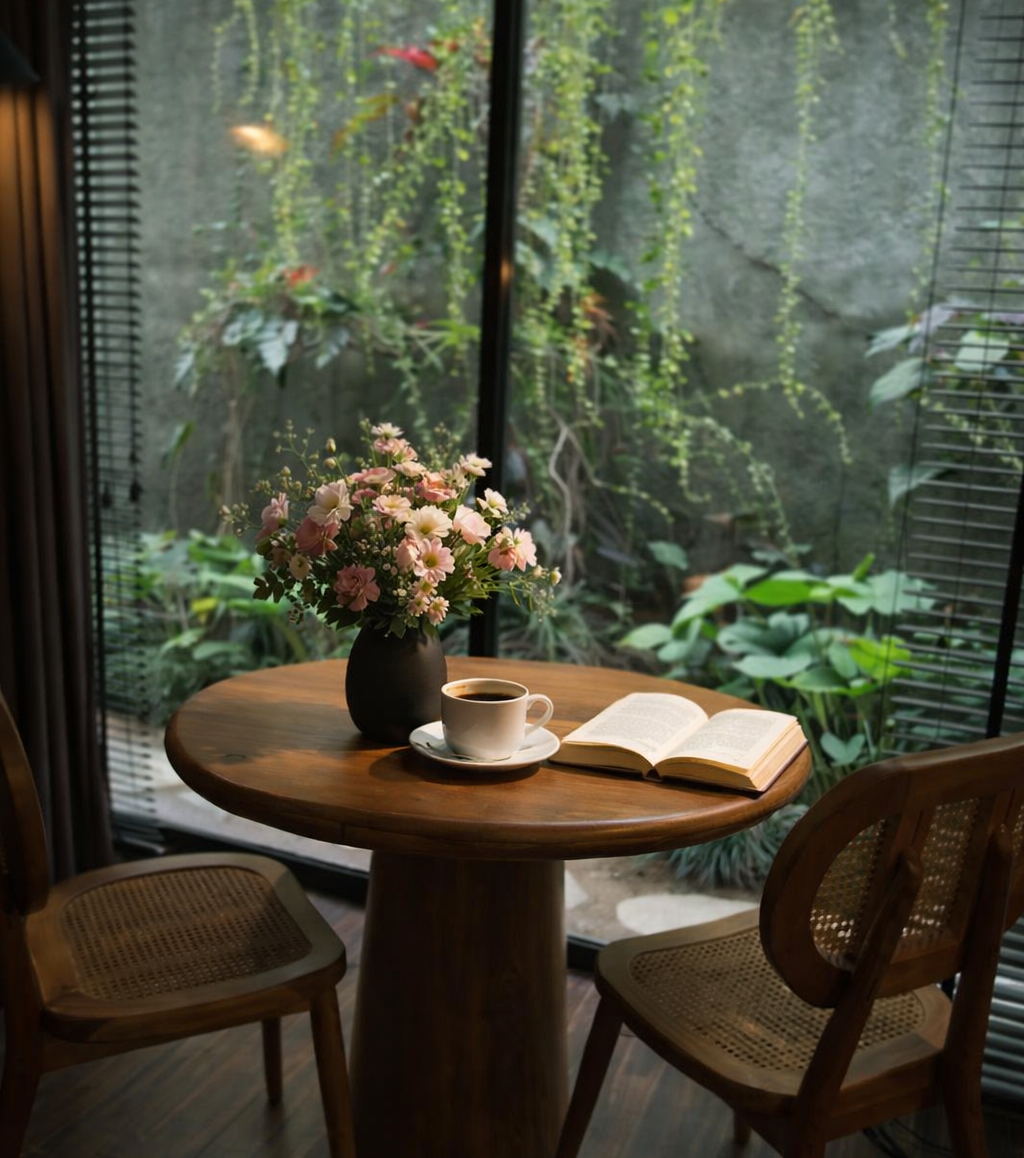
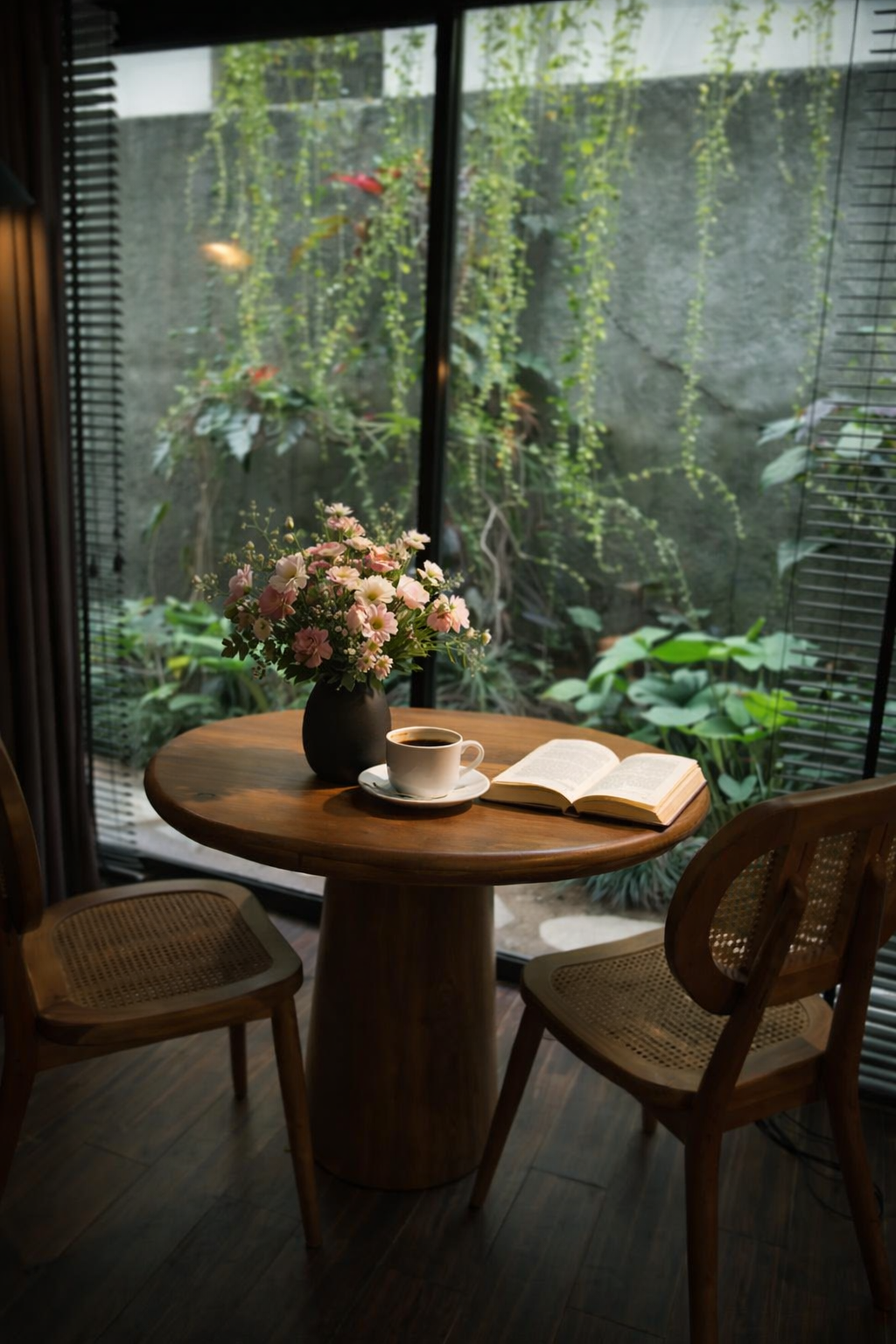
One of the most impactful yet underestimated elements in hotel design is lighting. Human beings are biologically wired to respond to light, and when lighting is poorly planned, it can subconsciously increase anxiety, fatigue, and discomfort. Many hotels rely heavily on artificial lighting without considering how it interacts with the guest’s natural circadian rhythm. In contrast, spaces that prioritize natural daylight during the morning and soft, warm lighting in the evening help the body transition smoothly between activity and rest. This becomes especially important for travelers who cross time zones or spend long hours exploring under the sun. In Bali, where daylight has a strong presence, well-positioned windows, sheer curtains, and open layouts allow sunlight to enter gently without overwhelming the room. The result is an environment that feels alive but never harsh. At night, thoughtful lighting design encourages relaxation rather than stimulation, subtly telling the body that it is time to slow down. Guests may not consciously notice these design choices, but they feel the effect through better sleep, calmer mornings, and a sense of balance throughout their stay. Over time, this attention to lighting creates a quiet luxury—one that supports wellbeing rather than distracting from it.
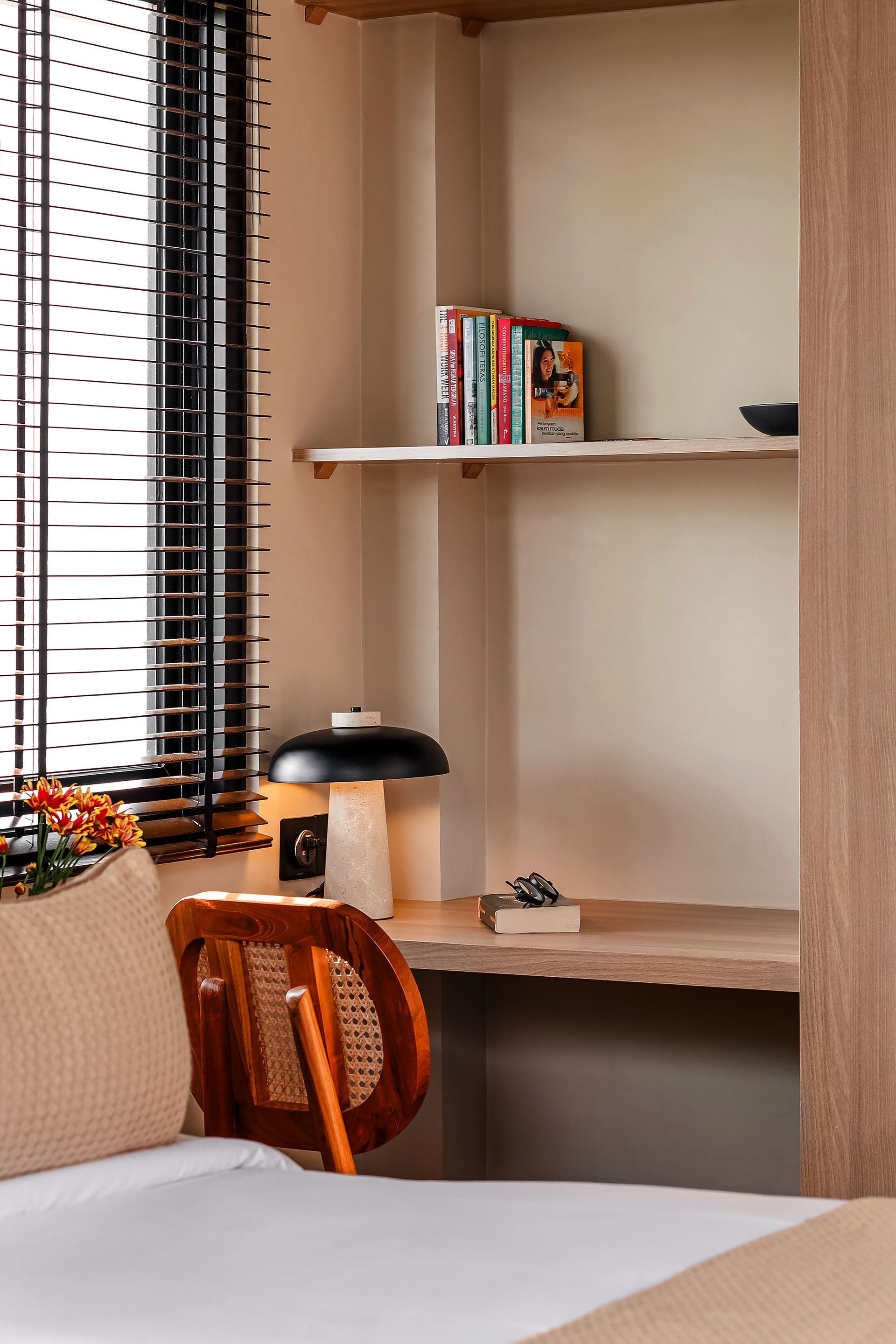
Beyond lighting, spatial flow plays a crucial role in how guests emotionally experience a hotel room. Spatial flow refers to how easily a person can move through a space without feeling confined, confused, or interrupted. Poorly designed rooms often feel cramped even when they are large, while well-designed spaces can feel open and calming despite a modest size. This perception is deeply psychological. Clear pathways, intuitive furniture placement, and uncluttered surfaces allow the mind to relax because it does not need to constantly “solve” the space. In travel, where the brain is already processing new sights, sounds, and cultural cues, mental simplicity inside the room becomes a form of relief. Hotels that understand this avoid unnecessary furniture and instead focus on proportion and function. In Bali, where indoor and outdoor living naturally blend, spatial flow often includes transitions such as balconies, windows, or semi-open areas that extend the room visually beyond its walls. This creates a sense of freedom and connection to the surroundings. When guests feel physically unblocked in their environment, they tend to feel emotionally unblocked as well—more relaxed, more present, and more open to enjoying their journey.
Color psychology is another subtle force that shapes how travelers perceive comfort and safety within a hotel environment. Colors communicate emotions long before guests consciously register them. Soft neutrals, warm earth tones, and muted natural shades tend to reduce stress and promote calm, while overly bright or contrasting colors can create overstimulation, especially in sleeping areas. In a destination like Bali, where the outside world is vibrant and full of sensory input, interior color choices act as a counterbalance. Thoughtful hotels use color to absorb noise from the outside world rather than compete with it. Shades inspired by sand, stone, wood, and sky help guests transition from exploration mode to rest mode effortlessly. Color also influences perceived cleanliness and spaciousness, making rooms feel fresher and more breathable. When used consistently throughout a property, color palettes create a sense of cohesion that reassures guests they are in a well-considered environment. This visual harmony builds trust on a subconscious level, allowing guests to fully unwind without feeling on edge or overstimulated. While color may seem like a purely aesthetic choice, its psychological impact makes it one of the most powerful tools in shaping a restful hotel experience.
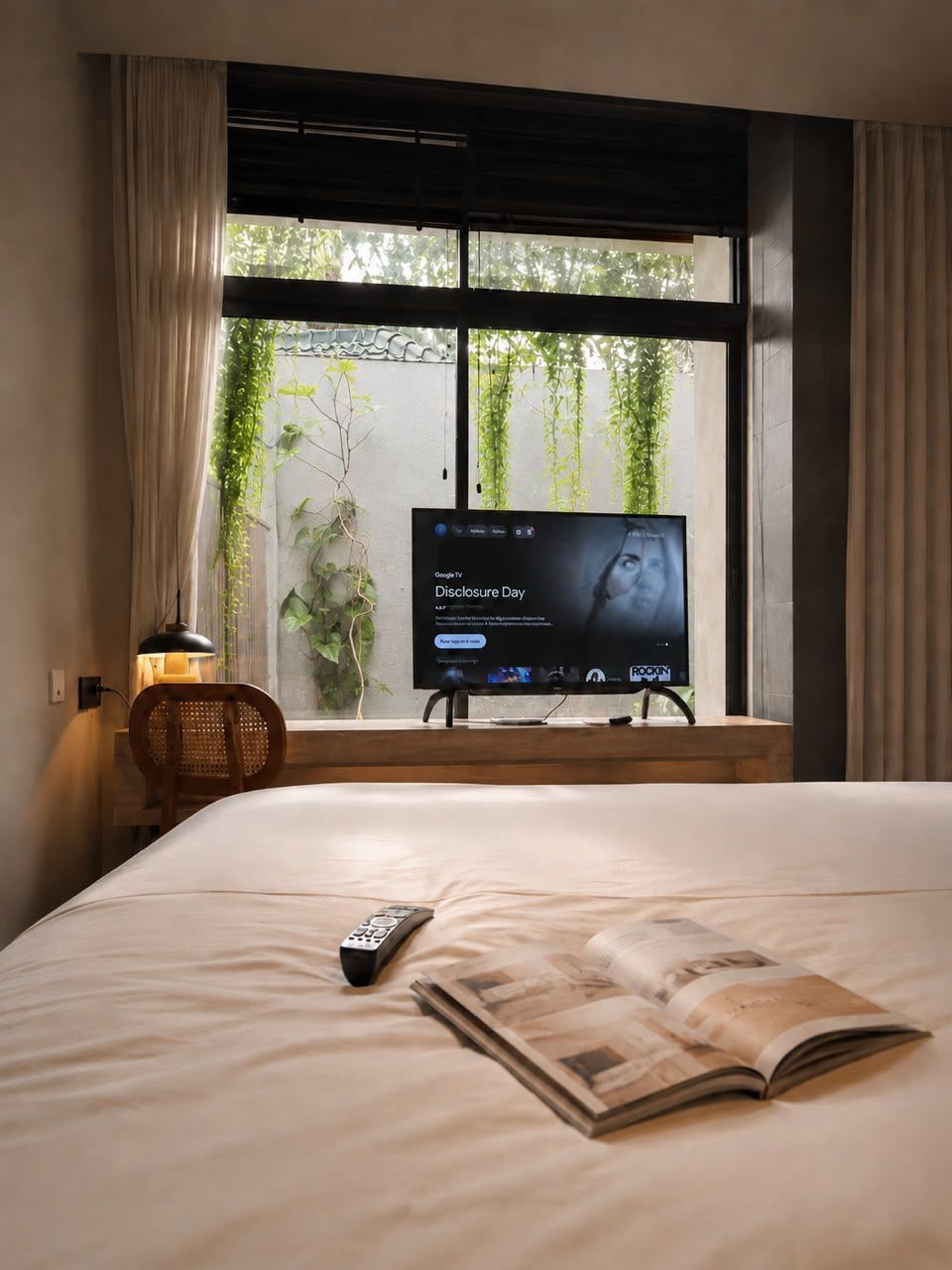
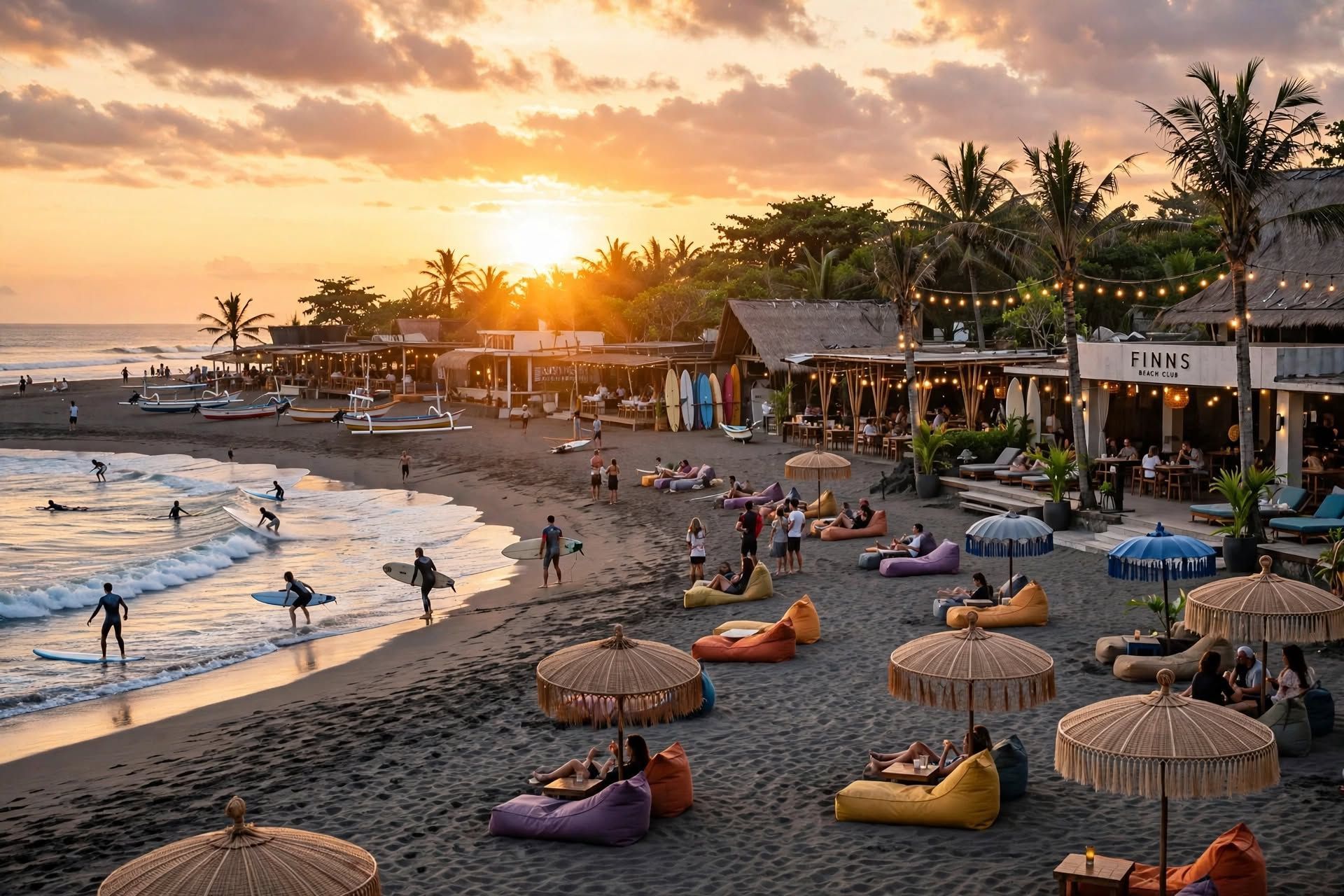
Sound is an often ignored yet deeply influential element of spatial experience, particularly in hospitality. While many hotels focus on how a room looks, fewer consider how it sounds. Unwanted noise—traffic, neighboring rooms, hallway activity—can quietly erode a guest’s sense of comfort, even if everything else appears perfect. Conversely, controlled acoustics create an environment where guests feel protected and at ease. Soft materials, proper insulation, and intentional spacing between rooms help reduce echo and external disturbances. In Bali, natural sounds such as wind, distant waves, or birdsong can enhance relaxation when allowed in subtly, while harsh or mechanical noises disrupt the illusion of escape. Hotels that understand acoustic psychology aim to filter sound rather than eliminate it completely. The goal is not silence, but harmony. When guests can sleep deeply, read without distraction, or enjoy quiet moments without interruption, their emotional connection to the space strengthens. Over time, this sense of acoustic comfort becomes one of the most memorable aspects of a stay, even if guests never consciously identify it as the reason they felt so relaxed.
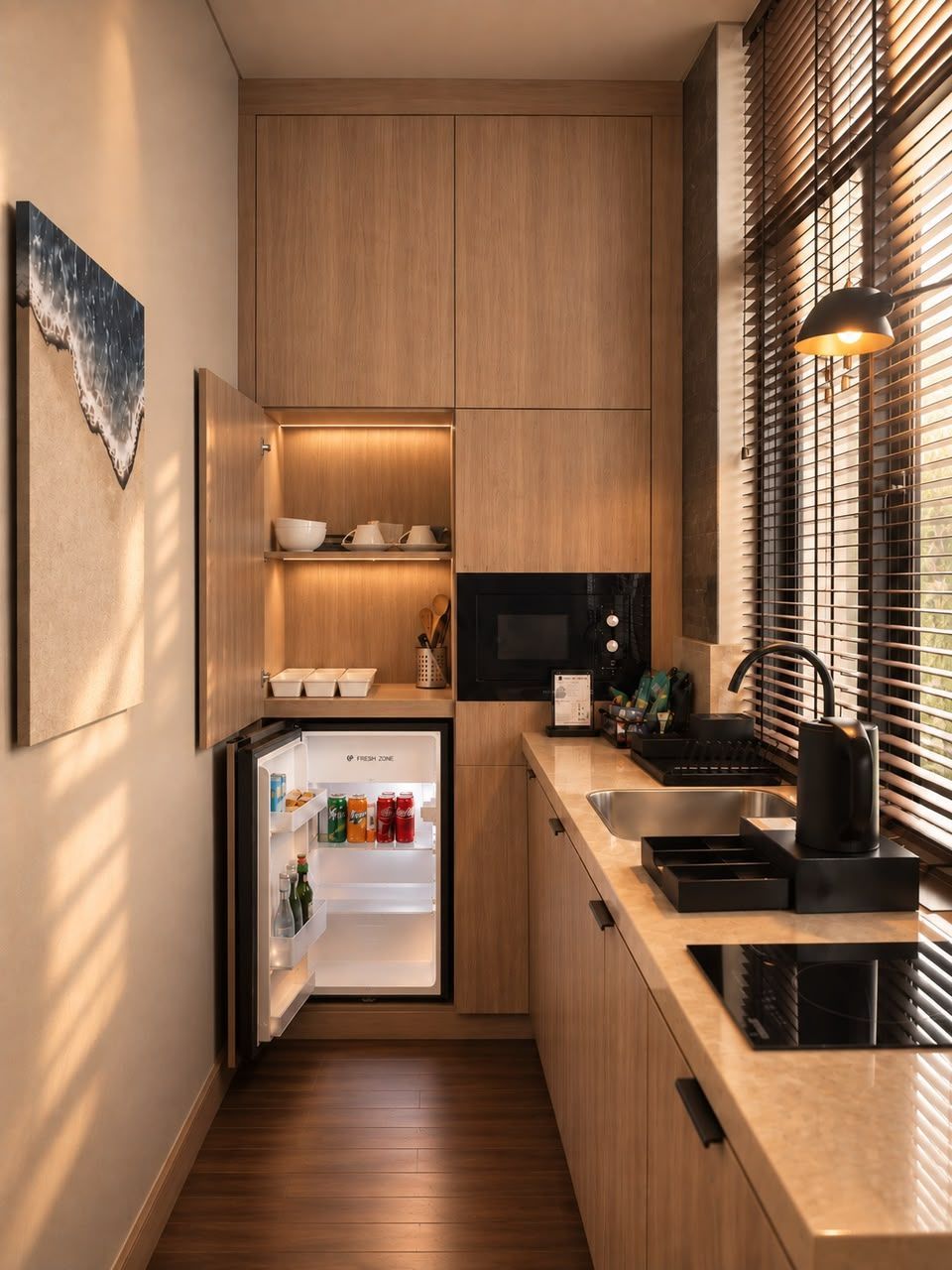
Another psychological layer that shapes how guests experience a hotel is the sense of control a space provides. Travelers often feel a loss of control when they are away from home—unfamiliar environments, different routines, and unpredictable schedules can create subtle stress. A well-designed hotel room restores that sense of autonomy through small but meaningful details. Simple elements such as easily accessible switches, adjustable lighting, clear temperature controls, and intuitive storage allow guests to personalize their environment without effort. When guests feel they can adapt the space to their needs, they relax more quickly and settle into their stay with confidence. In contrast, rooms that are confusing or restrictive—where lighting is fixed or layouts feel rigid—can create frustration even if the design looks appealing. Psychological comfort is closely tied to the feeling of agency, and hotels that respect this create a more empowering experience. Especially for longer stays, this sense of control helps guests feel less like temporary visitors and more like inhabitants of the space, fostering emotional attachment and satisfaction.
Ultimately, the most memorable hotel experiences are not defined by extravagance, but by how a space makes people feel over time. Comfort is not created through a single feature, but through the harmony of design, sound, light, interaction, and emotional awareness. When all these elements work together, guests stop merely staying in a hotel and begin inhabiting it. They move more slowly, sleep more deeply, and engage with their surroundings more intentionally. In a destination as stimulating as Bali, this sense of grounding becomes a luxury in itself. Hotels that prioritize psychological comfort create lasting impressions not because they demand attention, but because they quietly support the human need for rest, control, and balance. Long after the trip ends, guests may forget specific details, but they remember how peaceful they felt, how welcome they were, and how easily the space allowed them to be themselves. That emotional memory is what transforms a short stay into a meaningful experience.