








Why a Slower Morning Can Completely Change Your Experience in Canggu

The Habit of Starting the Day Too Fast
One of the most common travel habits people bring with them to Bali is the need to start the day immediately. After arriving in a destination that has been anticipated for weeks or even months, there is often a strong urge to maximize every hour. Many travelers wake up early with a mental checklist already forming—cafés to visit, beaches to see, content to capture, and activities to complete before the day ends. In a destination like Canggu, where there is an endless flow of recommendations online, this pressure can become even stronger. The result is that mornings, which naturally have the potential to be the calmest and most restorative part of the day, quickly become rushed. Instead of easing into the environment, many travelers move directly into activity mode before they have fully settled physically or mentally. Over time, this pattern changes the way the entire trip feels. Days become structured around movement rather than experience, and moments that could have felt peaceful become transitional instead. Understanding this habit is important because it reveals how much of the travel experience is influenced not only by where people go, but by the pace at which they move through the day.
Why Mornings in Bali Feel Different
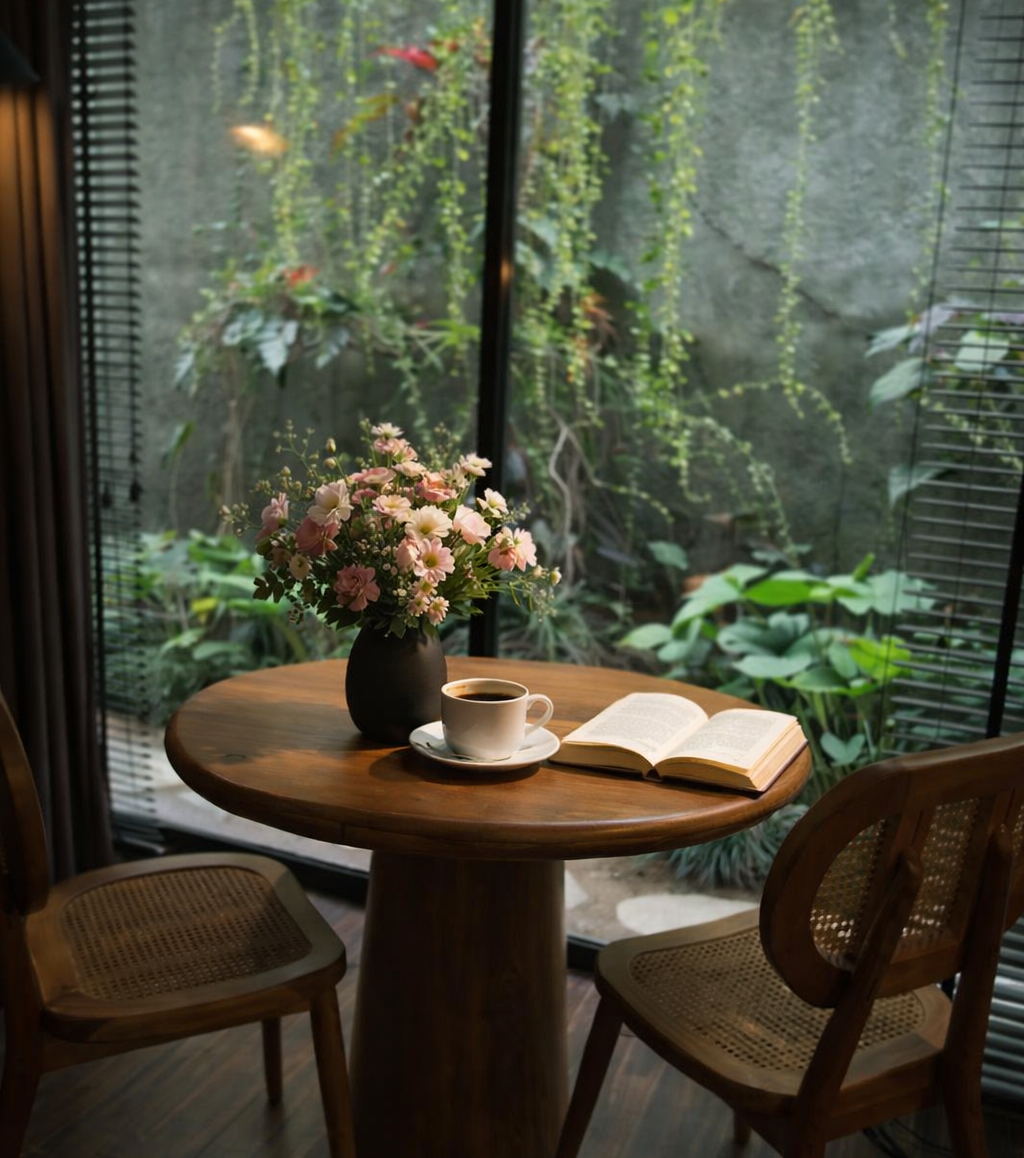
Mornings in Bali carry a very specific atmosphere that gradually disappears as the day progresses. In Canggu, the early hours feel noticeably softer and quieter compared to midday or evening. The air is cooler, traffic is lighter, and the surrounding environment feels less demanding. Light enters differently in the morning, creating a slower visual rhythm that naturally encourages calmness. These details may seem minor, but together they create conditions that support a completely different emotional experience from the rest of the day. Unlike evenings, which are often social and externally focused, mornings feel more personal and internal. This is why many travelers later describe morning moments as some of the most memorable parts of their trip, even if nothing particularly “important” happened. Sitting quietly with coffee, hearing distant movement begin outside, or simply watching the environment wake up can create a stronger sense of connection to the destination than a tightly packed schedule ever could. However, this experience can only happen when there is enough time and stillness to notice it. Once the day becomes rushed, these subtle moments disappear almost immediately.
The Importance of Having a Space That Supports Slowness
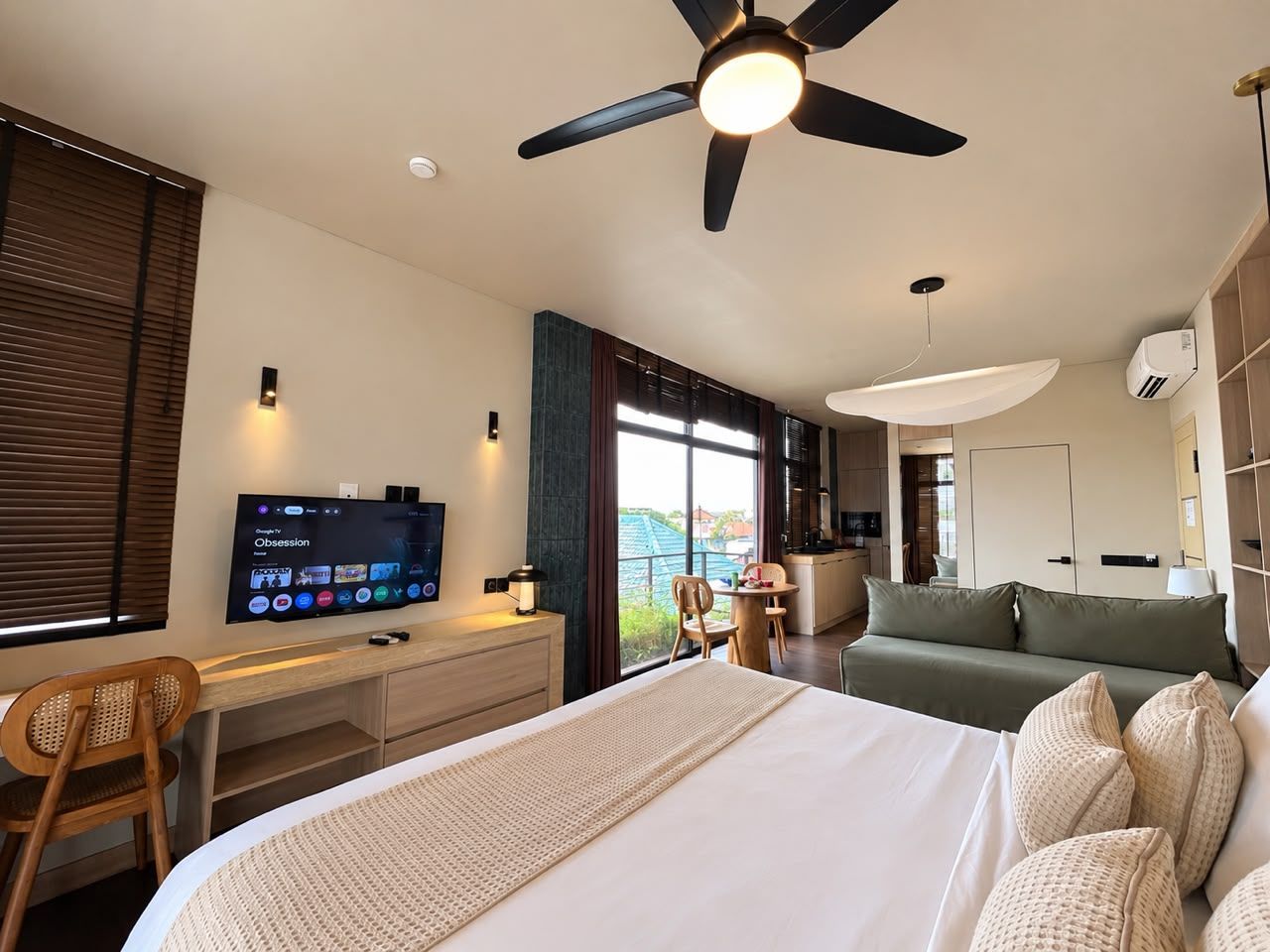
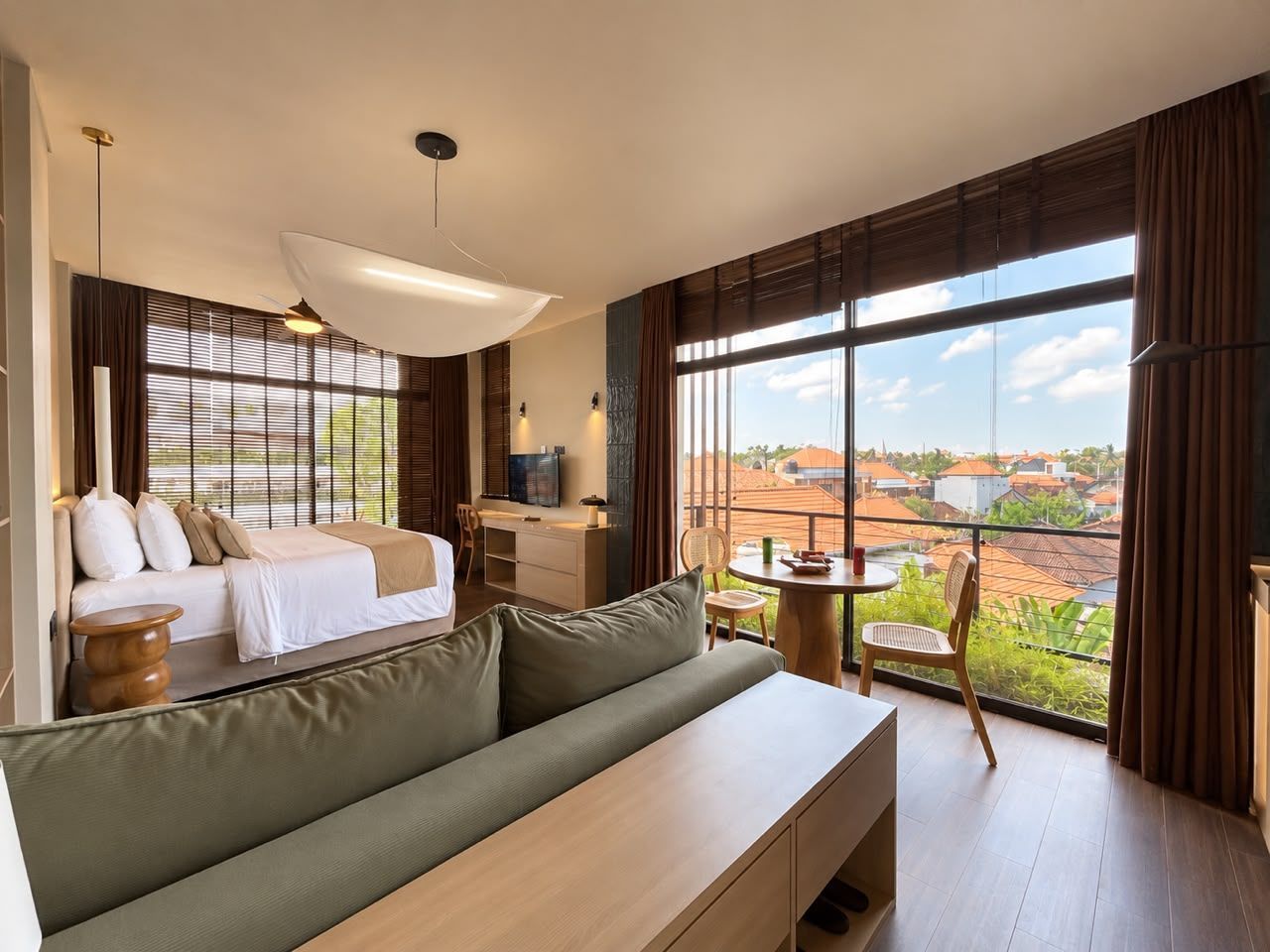
The ability to enjoy a slower morning depends heavily on the environment where the day begins. If the accommodation feels noisy, crowded, or overly active from the start of the day, it becomes difficult to settle into a calm rhythm. This is where simpler and quieter stays can significantly shape the travel experience. At Aviator Bali, the atmosphere is intentionally uncomplicated, allowing mornings to unfold naturally without unnecessary distractions. Since the property does not operate restaurants, events, or large communal activities, the environment remains relatively calm throughout the early hours. This consistency creates space for guests to wake up gradually instead of immediately entering a busy atmosphere. The rooms themselves support slower routines, giving guests the flexibility to spend time privately before going out. The kitchenette becomes especially meaningful in this context, as it allows guests to prepare coffee, breakfast, or small meals without needing to leave the room immediately after waking up. Even this small level of independence changes the pace of the morning, making it feel less transactional and more personal. The swimming pool also contributes to this atmosphere, offering a quiet setting where the beginning of the day can feel relaxed rather than scheduled. Together, these elements create conditions where mornings feel less like preparation for activity and more like part of the experience itself.
How Slower Mornings Change the Rest of the Day
The pace established in the morning often influences the emotional tone of the entire day. When the day begins too quickly, the feeling of urgency tends to continue into every following activity. Meals feel rushed, transitions feel tiring, and even enjoyable experiences can start blending together. In contrast, when the morning begins slowly and intentionally, the rest of the day often feels more balanced. In Canggu, where movement between locations can already require energy and patience, starting from a calmer state makes a noticeable difference. Travelers tend to become more selective about what they do, less reactive to pressure, and more present during experiences. This shift changes not only energy levels, but also perception. Activities no longer feel like items to complete, but moments to experience fully. At Aviator Bali, the quiet and predictable atmosphere supports this transition naturally. Guests can move between rest and activity without abrupt changes in environment, making the entire day feel smoother and less fragmented. Over time, this creates a trip that feels emotionally lighter, even when the schedule itself remains relatively simple.
Why Travelers Often Remember the Calm More Than the Activity
Long after a trip ends, people rarely remember every café, every route, or every item on their itinerary in perfect detail. What tends to remain are emotional impressions—the feeling of comfort, calmness, and ease experienced in certain moments. In Bali, especially in places like Canggu, these impressions are often connected to slower parts of the day rather than the busiest ones. A peaceful morning in a quiet room, sunlight entering gradually, or a calm start before the area fully wakes up can leave a surprisingly strong memory. Staying at Aviator Bali supports these experiences by offering an environment that does not compete for attention. With essential features such as a private room, kitchenette, and swimming pool, guests are given the flexibility to shape their mornings according to their own rhythm. There are no loud activities, no fixed breakfast schedules, and no pressure to participate in anything immediately after waking up. This simplicity allows travelers to experience Bali at a pace that feels more natural and sustainable. In the end, it is often these calm, quiet moments—rather than the busiest activities—that define how a trip is remembered and why it feels meaningful long after it is over.