



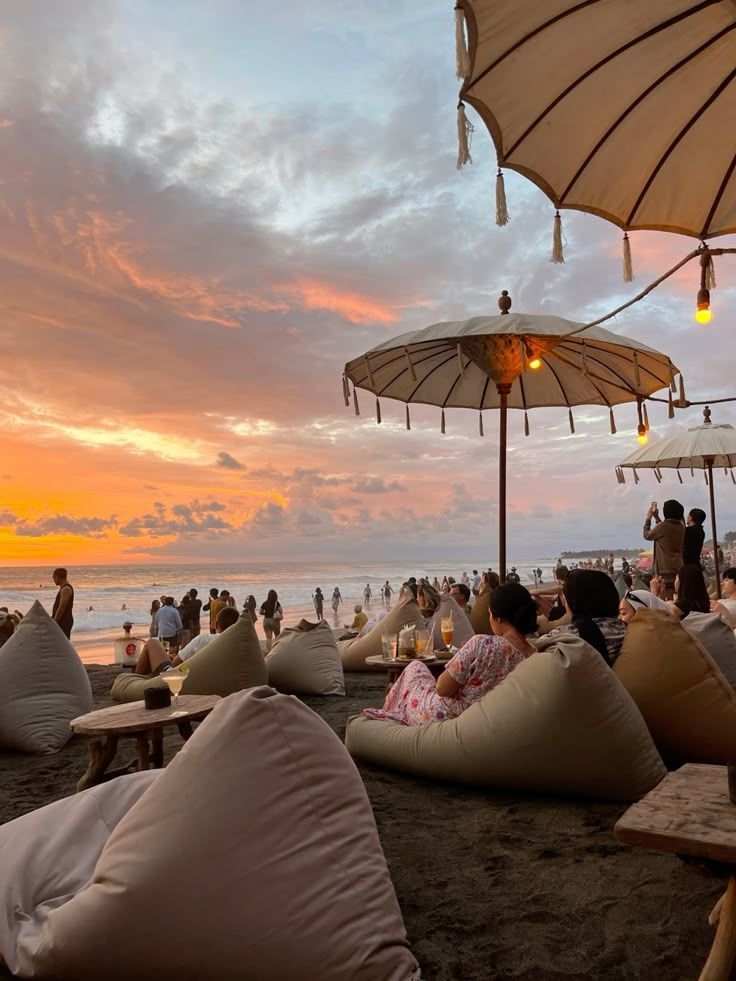
Why Staying in One Area Longer Changes the Way You Experience Canggu

The Habit of Moving Too Often During Travel
One of the most common travel patterns in Bali is the habit of constantly changing locations. Many travelers arrive with itineraries divided into multiple areas, moving every one or two nights in an attempt to experience as much as possible within a limited amount of time. On paper, this approach feels efficient. It creates the impression of maximizing the trip and covering more destinations. However, in reality, frequent movement often changes the emotional quality of the experience itself. Instead of settling into a place and understanding its rhythm, travelers remain in a continuous state of transition. Packing, checking out, arranging transport, adjusting to a new room, and learning a different environment become repeated parts of the routine. These transitions may seem small individually, but together they consume both time and energy. In a destination like Canggu, where the atmosphere is best experienced gradually rather than quickly, moving too often can create a sense of detachment from the environment. The trip becomes focused on relocation rather than presence. Understanding this dynamic is important because it reveals how the structure of a trip influences not only convenience, but also the depth of the overall experience.
The Difference Between Visiting and Settling In
There is a significant difference between briefly visiting a place and allowing enough time to settle into it. When travelers stay in one area longer, the relationship with the environment changes. Familiarity begins to replace orientation. Streets no longer feel random, routines start forming naturally, and even small daily interactions become part of the experience. In Canggu, this transformation happens gradually. During the first days, attention is often focused on discovering what is new. But after some time, the experience becomes less about searching and more about existing comfortably within the environment. This shift changes the emotional tone of the trip. Instead of feeling like a visitor constantly trying to keep up, travelers begin to feel more connected to the pace of the area itself. Mornings become calmer, movements become more intentional, and decisions require less mental effort. This familiarity creates comfort, and comfort allows the experience to feel deeper and more personal. Rather than consuming the destination quickly, travelers begin interacting with it more naturally, making even ordinary moments feel meaningful.
Why a Stable Stay Environment Matters
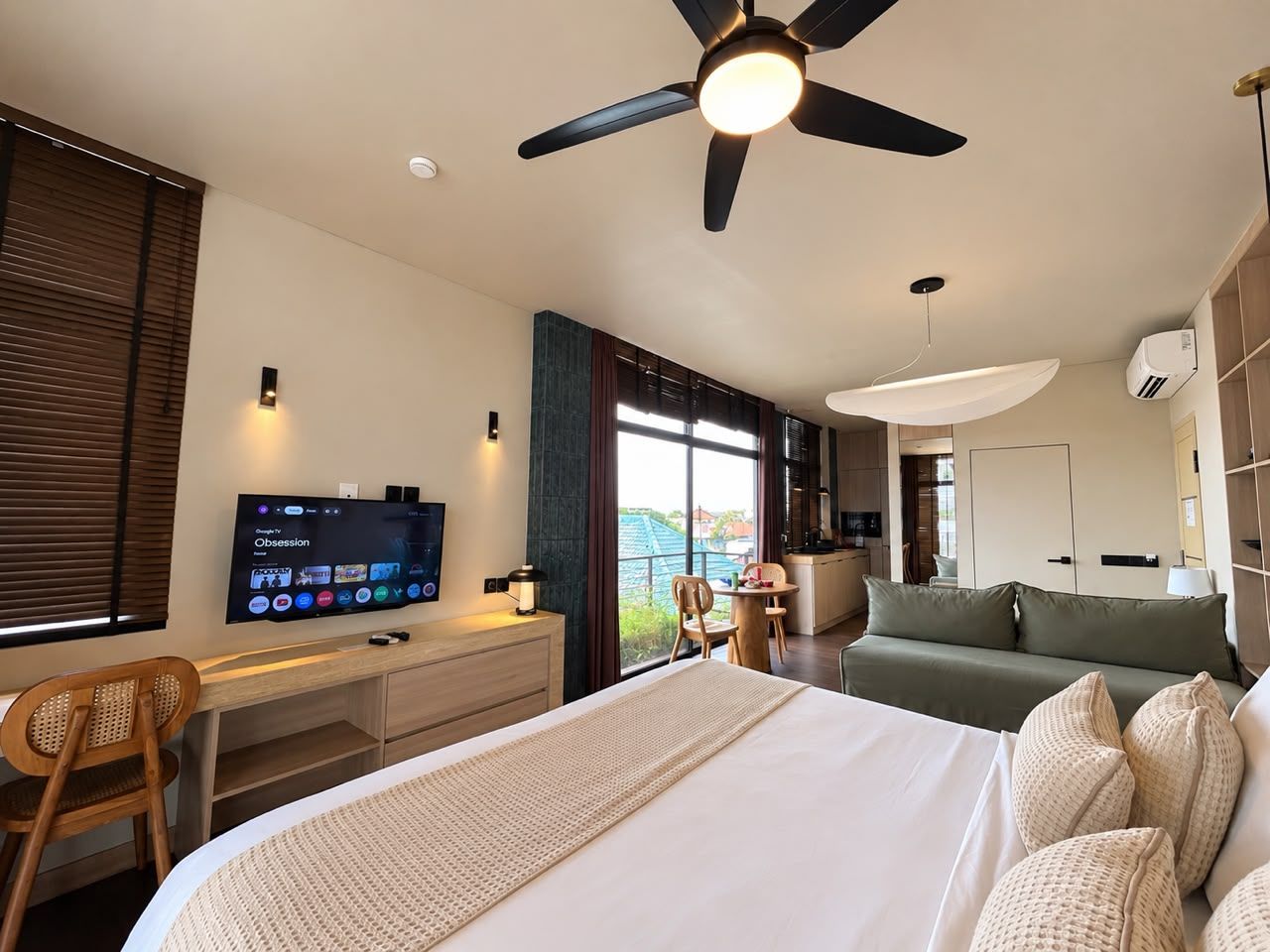
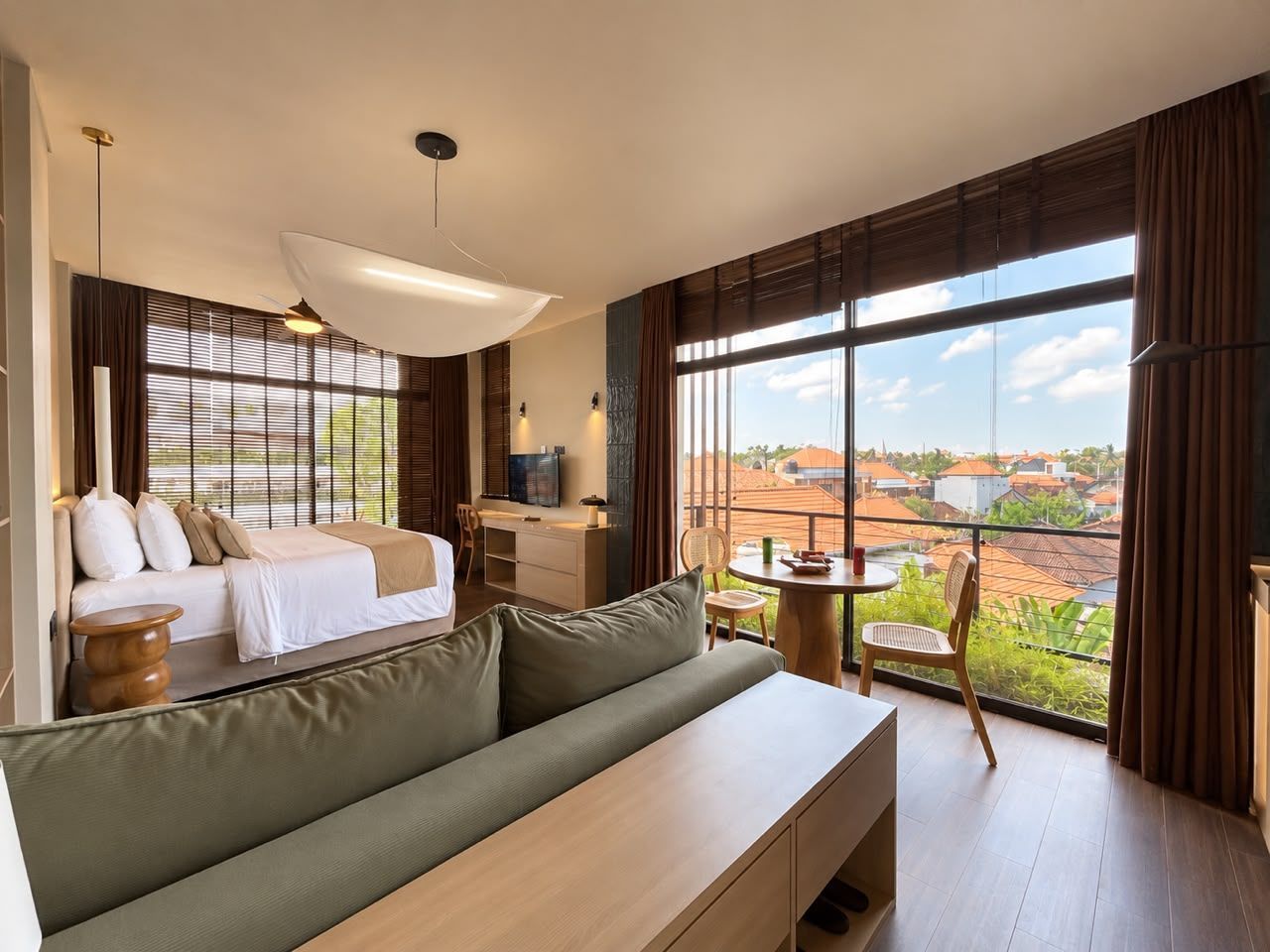
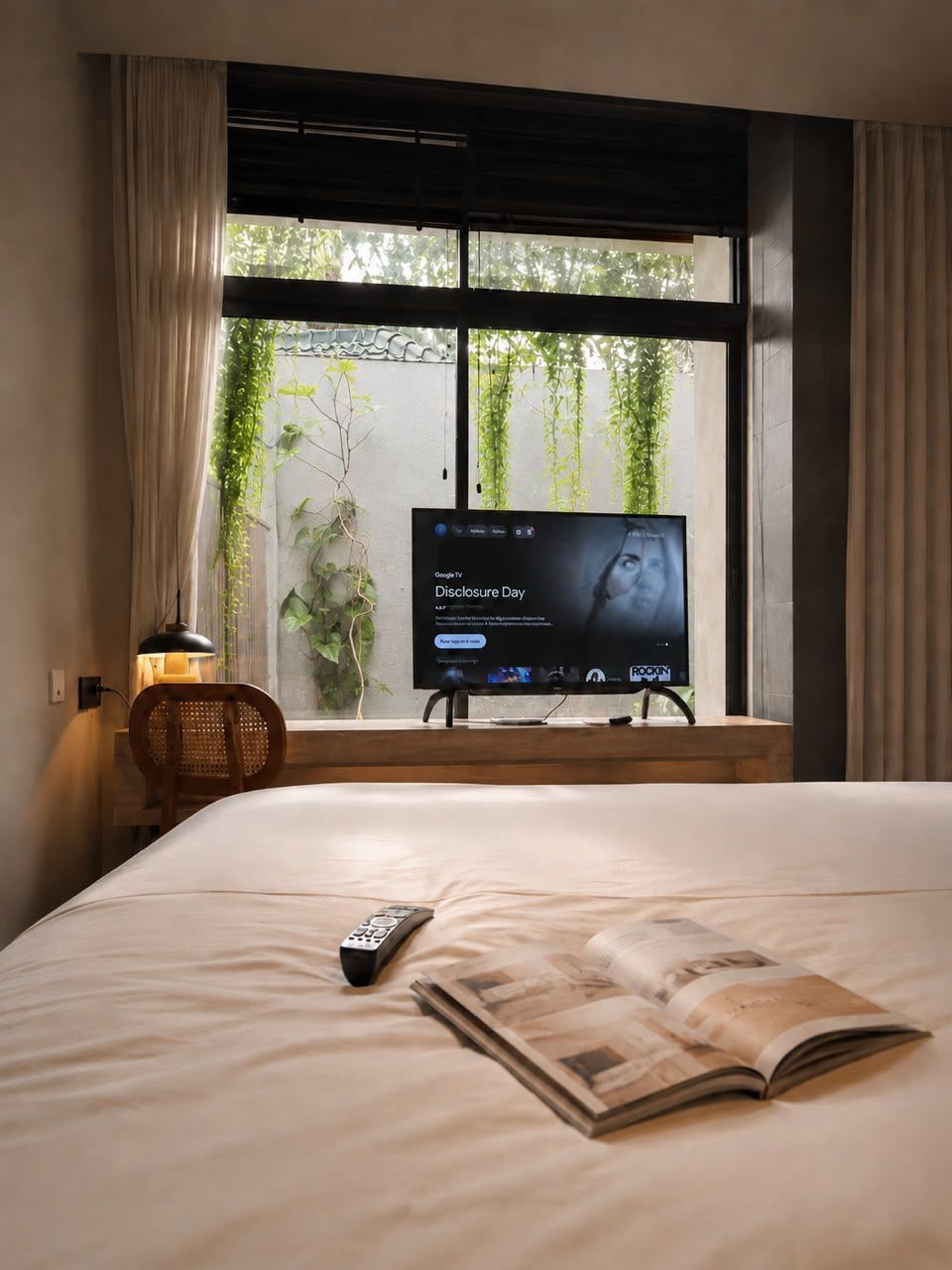
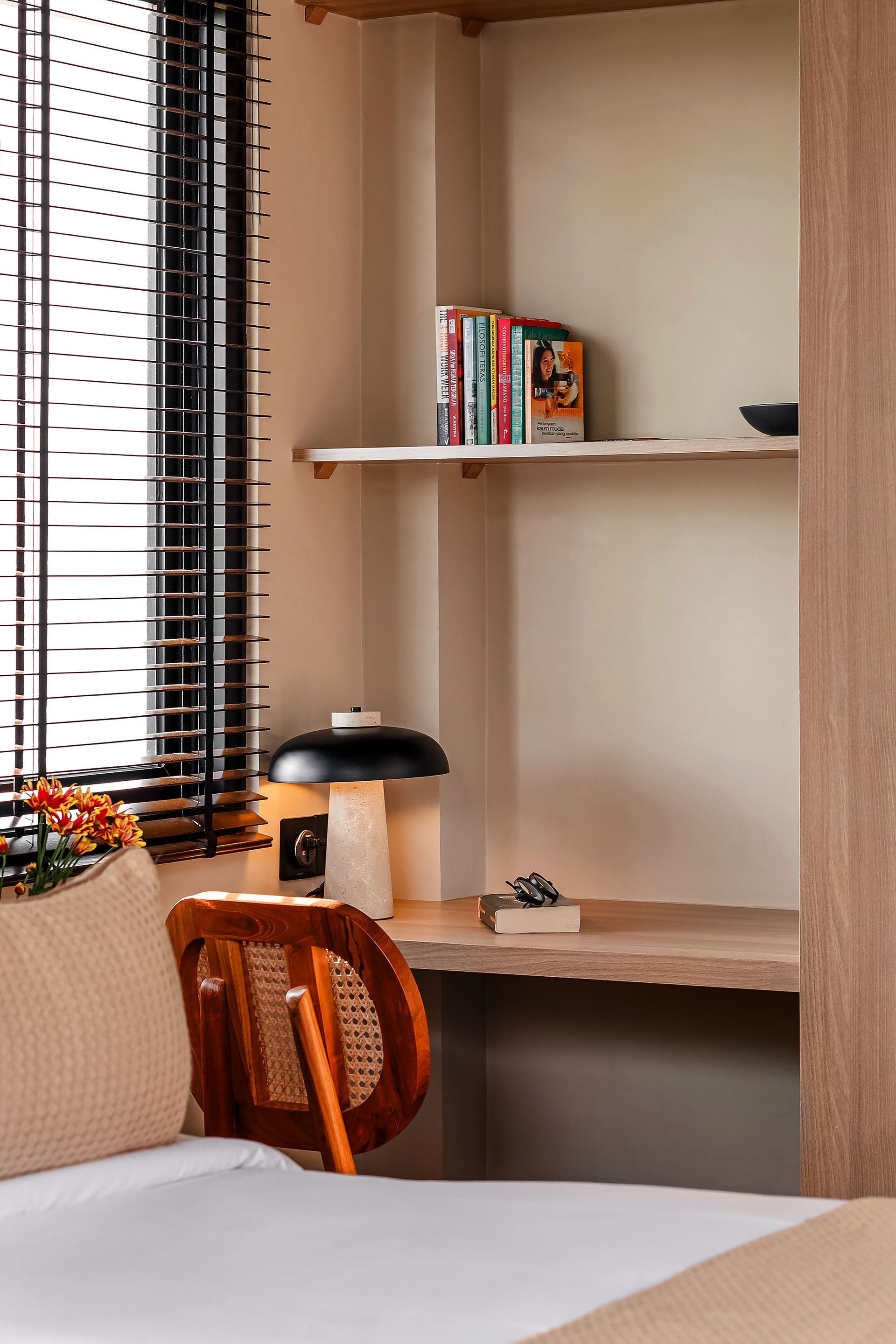
Staying longer in one area only feels rewarding when the accommodation itself supports comfort and flexibility. If the environment feels overwhelming, noisy, or difficult to settle into, remaining longer can feel restrictive instead of relaxing. This is why the atmosphere of the stay becomes increasingly important over time. At Aviator Bali, the simplicity of the property supports the idea of staying longer without creating unnecessary distractions. The environment remains calm and predictable throughout the day because there are no large crowds, events, or busy hotel facilities constantly changing the atmosphere. This consistency allows guests to settle into their own rhythm more easily. The rooms are designed to support everyday comfort, not just short-term stays. The kitchenette becomes especially valuable during longer visits because it allows guests to maintain small personal routines such as preparing coffee, simple breakfasts, or light meals. These routines create familiarity, which contributes to a stronger sense of comfort over time. The swimming pool also provides a quiet space to relax without needing to leave the property, helping balance days that involve more movement outside. Together, these elements create an environment where staying longer feels natural rather than repetitive.
How Staying Longer Reduces Mental Fatigue
One of the less visible effects of constant movement during travel is mental fatigue. Every relocation requires adjustment—new surroundings, new routes, new sounds, and new routines. Even when the process seems manageable, the brain continuously spends energy adapting to unfamiliar conditions. Over time, this can reduce the sense of relaxation travelers were originally seeking. In contrast, staying in one area longer removes many of these repeated adjustments. Familiarity simplifies daily decisions and creates a sense of ease that allows the mind to rest more fully. In Canggu, where the atmosphere already supports slower living, this effect becomes even more noticeable. Travelers no longer feel pressured to optimize every moment because they know they have enough time to experience the area gradually. At Aviator Bali, this slower pace is reinforced by the calm and uncomplicated environment. Guests can return after a day outside and immediately feel settled instead of overstimulated. There are no competing activities or crowded shared spaces demanding attention, making it easier to mentally disconnect and recharge. This reduction in mental fatigue often changes how travelers remember the trip—not as exhausting or rushed, but as balanced and restorative.
Why Depth Often Feels Better Than Variety
Many travelers initially believe that seeing more places automatically creates a better trip. However, over time, people often remember depth of experience more clearly than the number of locations visited. In Bali, especially in Canggu, some of the most meaningful experiences happen not because travelers moved constantly, but because they allowed themselves enough time to settle into the atmosphere. Familiar cafés begin feeling comforting, certain routes become recognizable, and small routines create a sense of connection that would never form during a short stay. Staying at Aviator Bali supports this deeper experience by offering a simple and flexible environment where guests can move at their own pace. With essential features such as a private room, kitchenette, and swimming pool, travelers have the freedom to create routines that feel comfortable and sustainable throughout their stay. There are no schedules forcing activity and no distractions competing for attention, allowing guests to experience Bali more gradually and intentionally. In the end, staying longer in one place often leads to a trip that feels calmer, richer, and more memorable—not because more was done, but because each moment had enough space to be fully experienced.