



Why Some of the Best Days in Bali Happen Without Any Plans in Canggu

The Modern Need to Plan Every Moment of Travel
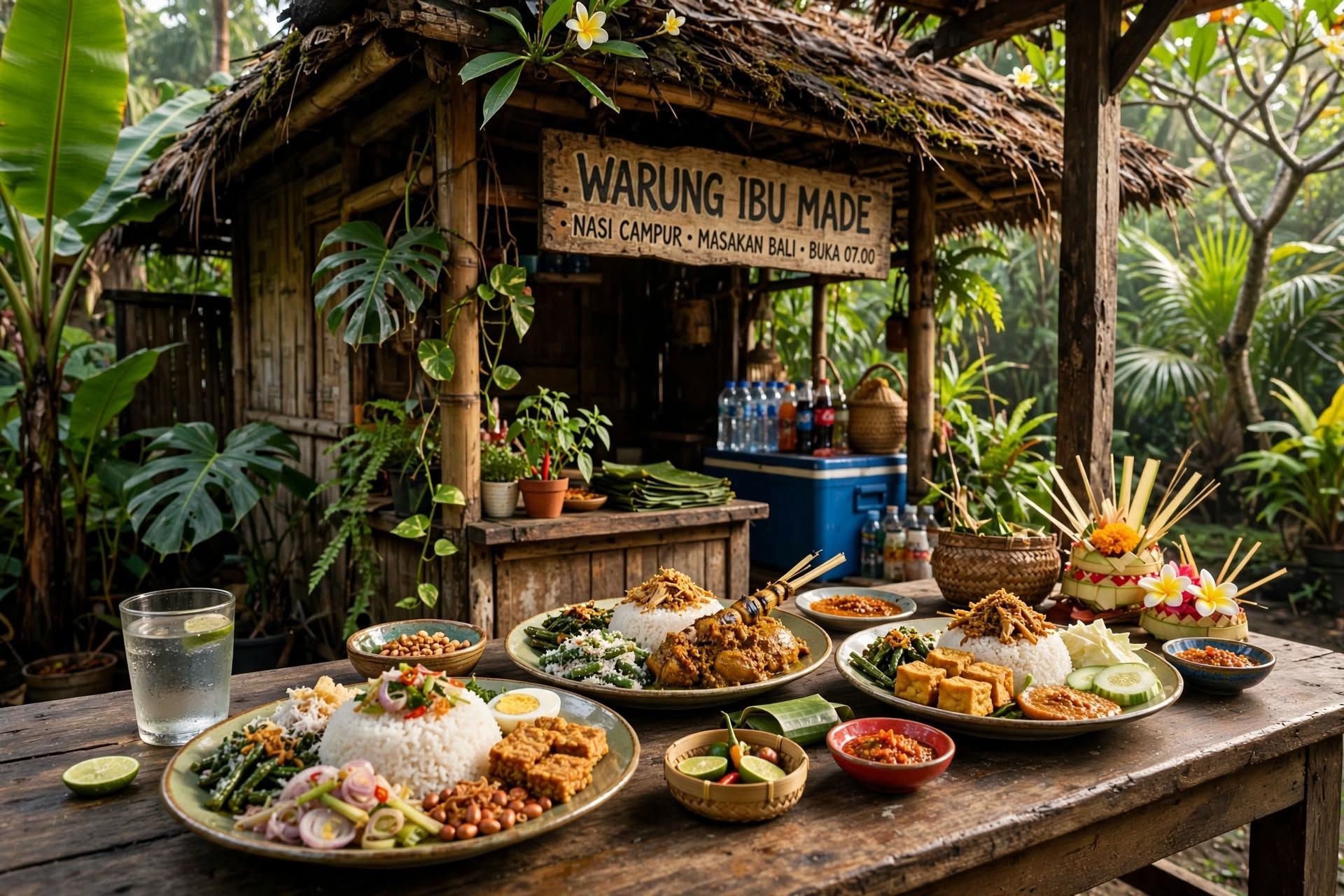
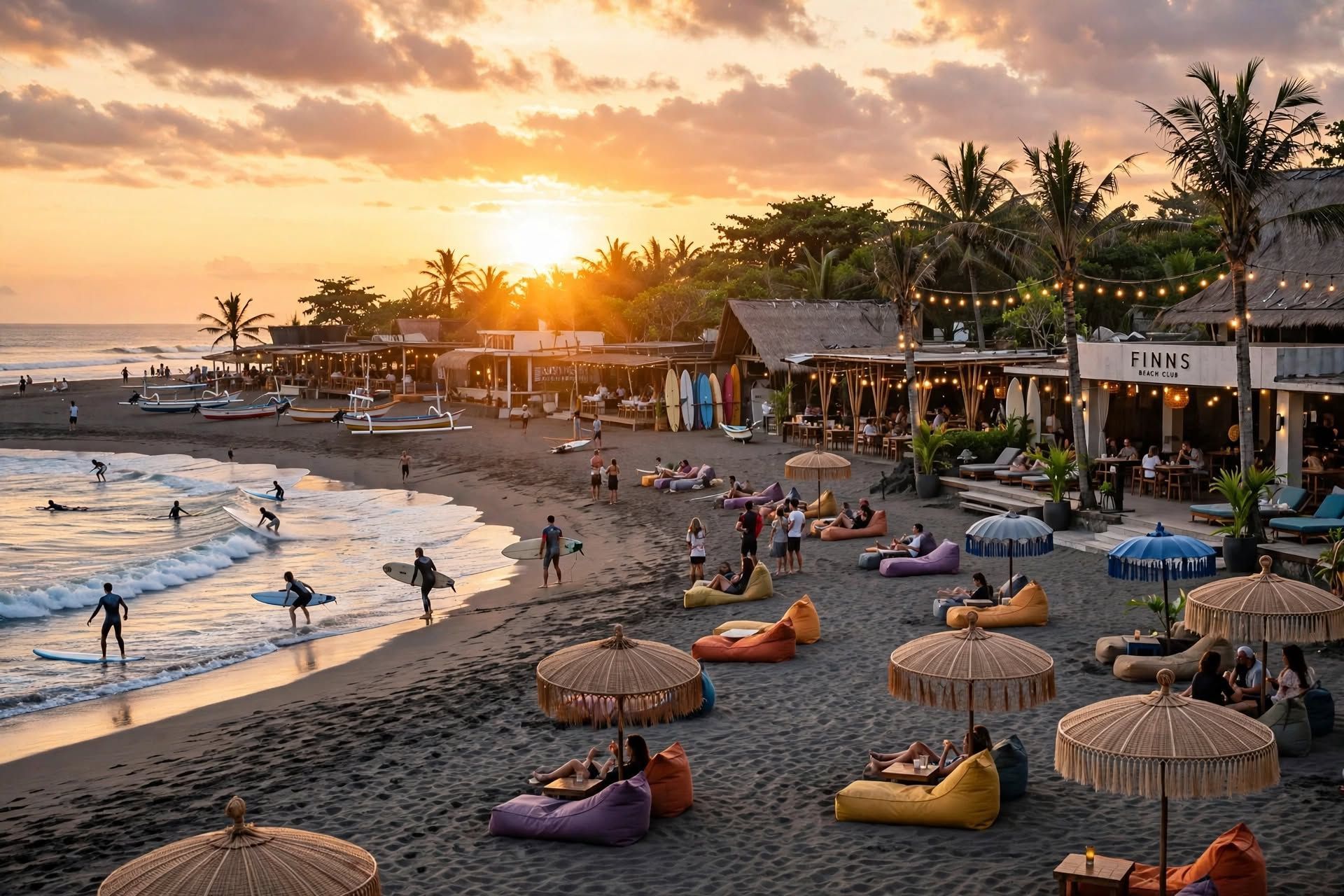
One of the most common habits travelers bring into Bali is the need to organize every part of the trip before it even begins. Flights are booked months in advance, café lists are saved on social media, routes are planned day by day, and recommendations continue accumulating until the itinerary becomes completely full. In many ways, this feels understandable. Bali is often presented online as a destination where there is always something happening—new cafés opening, beach clubs trending, hidden spots waiting to be discovered, and endless “must-visit” recommendations appearing every day. Because of this, many travelers arrive believing that the best way to experience the island is to maximize every hour and avoid wasting time. However, once the trip begins, something unexpected often happens. The moments that feel the most enjoyable are not always the ones that were carefully planned in advance. In destinations like Canggu, where the atmosphere naturally changes throughout the day, unplanned moments frequently become the most emotionally memorable. A slow afternoon that lasted longer than expected, a spontaneous stop somewhere unfamiliar, or simply deciding to stay in instead of following the original itinerary can create stronger feelings of relaxation than a perfectly organized schedule. This reveals something important about travel itself: experiences become more meaningful when there is enough flexibility for the day to unfold naturally rather than mechanically. Without that flexibility, the trip can slowly begin to feel like a sequence of obligations rather than a genuine break from routine.
Why Unplanned Time Feels Different in Bali
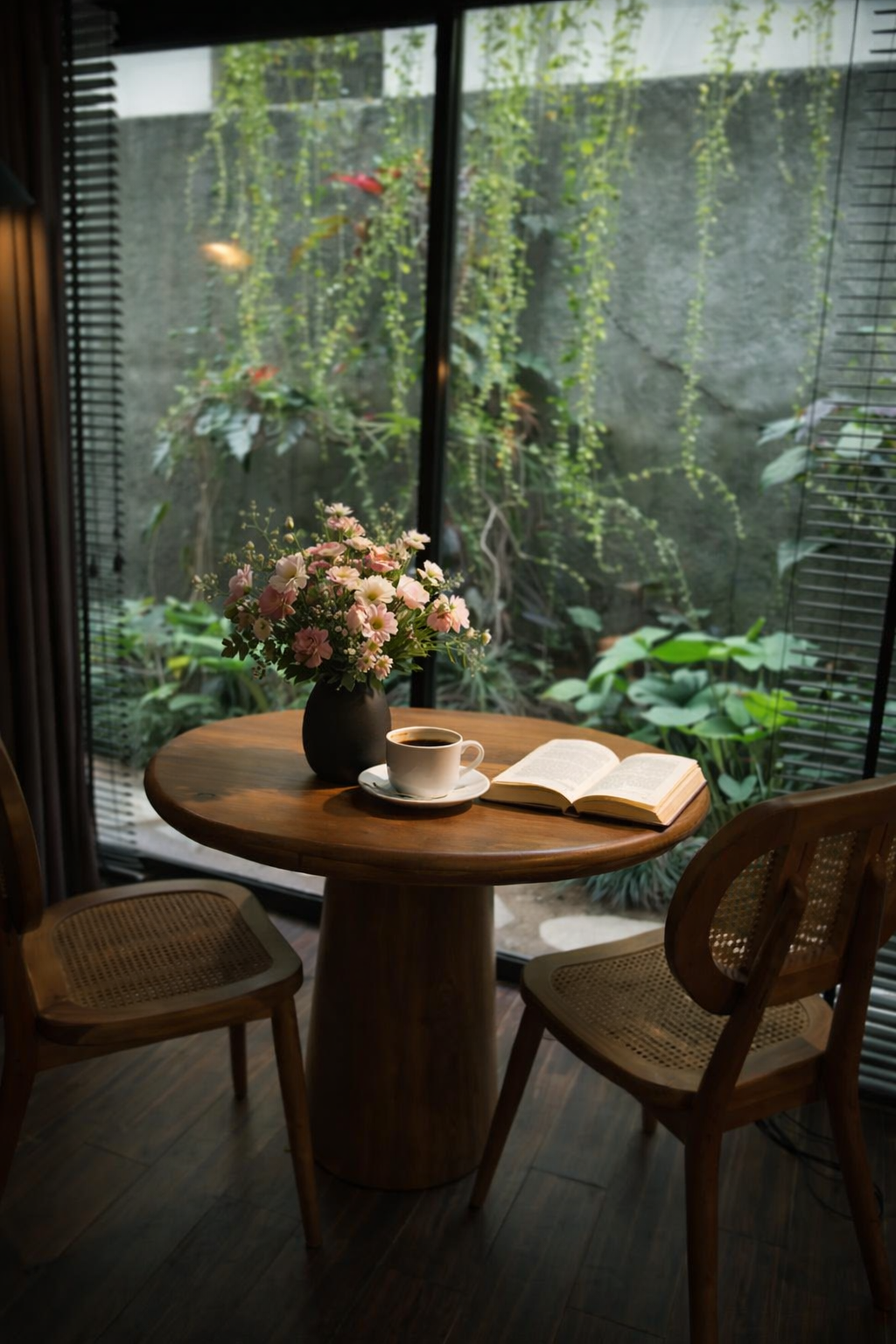
Bali has a unique way of changing how people experience time. In many cities, schedules dominate the rhythm of daily life, and movement is usually shaped by urgency. In Canggu, however, the atmosphere often encourages a slower and more flexible pace without travelers fully realizing it at first. Mornings feel softer, afternoons stretch more gradually, and evenings tend to unfold without strict structure. Because of this, unplanned time in Bali feels emotionally different from unplanned time at home. Instead of feeling unproductive, it often feels restorative. Sitting somewhere longer than intended, walking without a destination, or deciding not to follow the original plan can suddenly become the most enjoyable part of the day. These moments create space for spontaneity, which is something many travelers rarely experience in their normal routines. Without constant pressure to optimize time, attention naturally shifts toward smaller experiences—changes in atmosphere, personal comfort, conversations, or simply the feeling of being present. In many cases, these slower and unstructured periods become the moments travelers remember most clearly after returning home. Not because something extraordinary happened, but because they felt emotionally lighter and more connected to the environment around them. This is why Bali often feels less like a destination to “complete” and more like a place that rewards people for slowing down enough to notice it properly.
The Importance of Staying Somewhere That Supports Flexibility
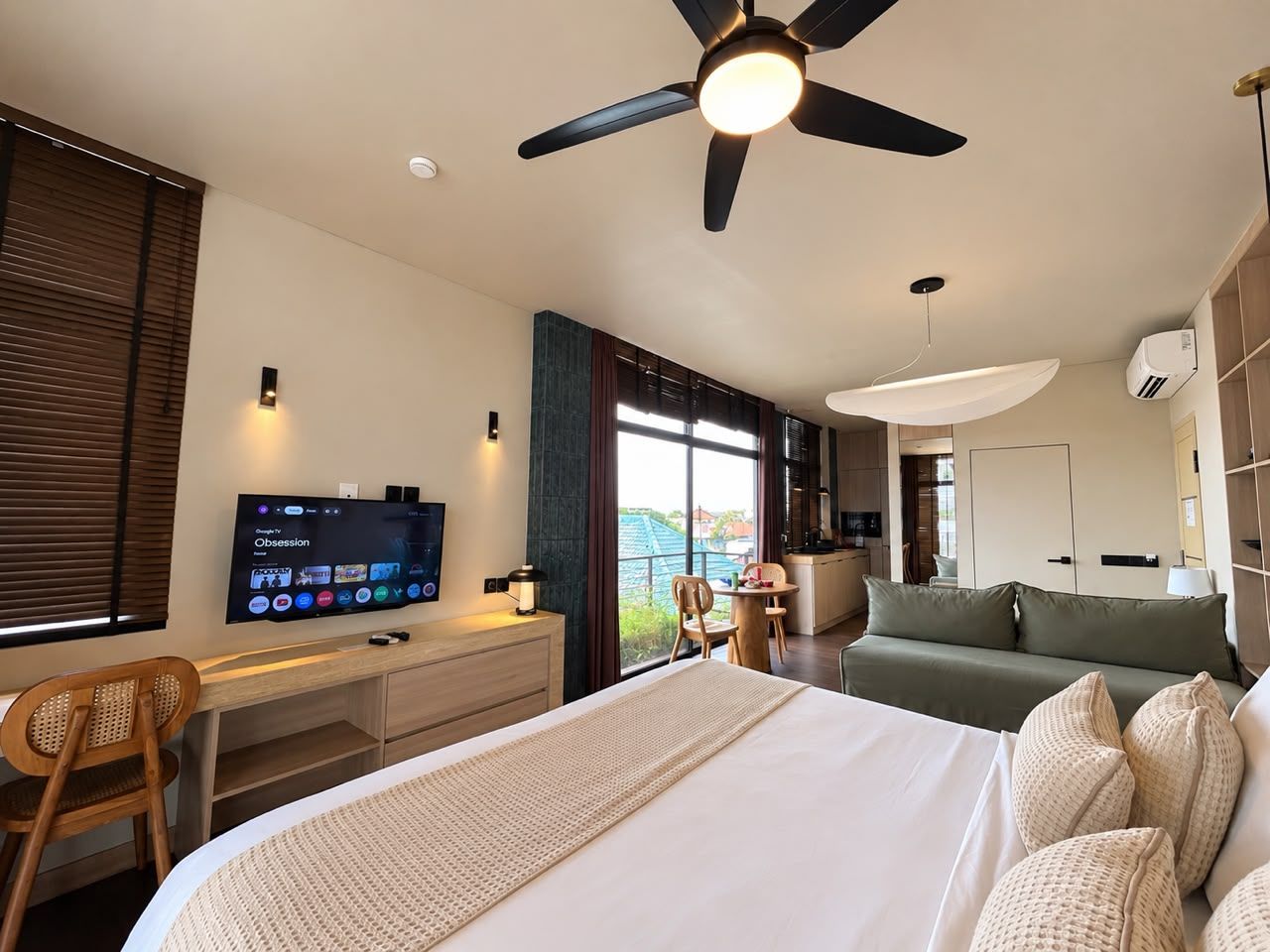
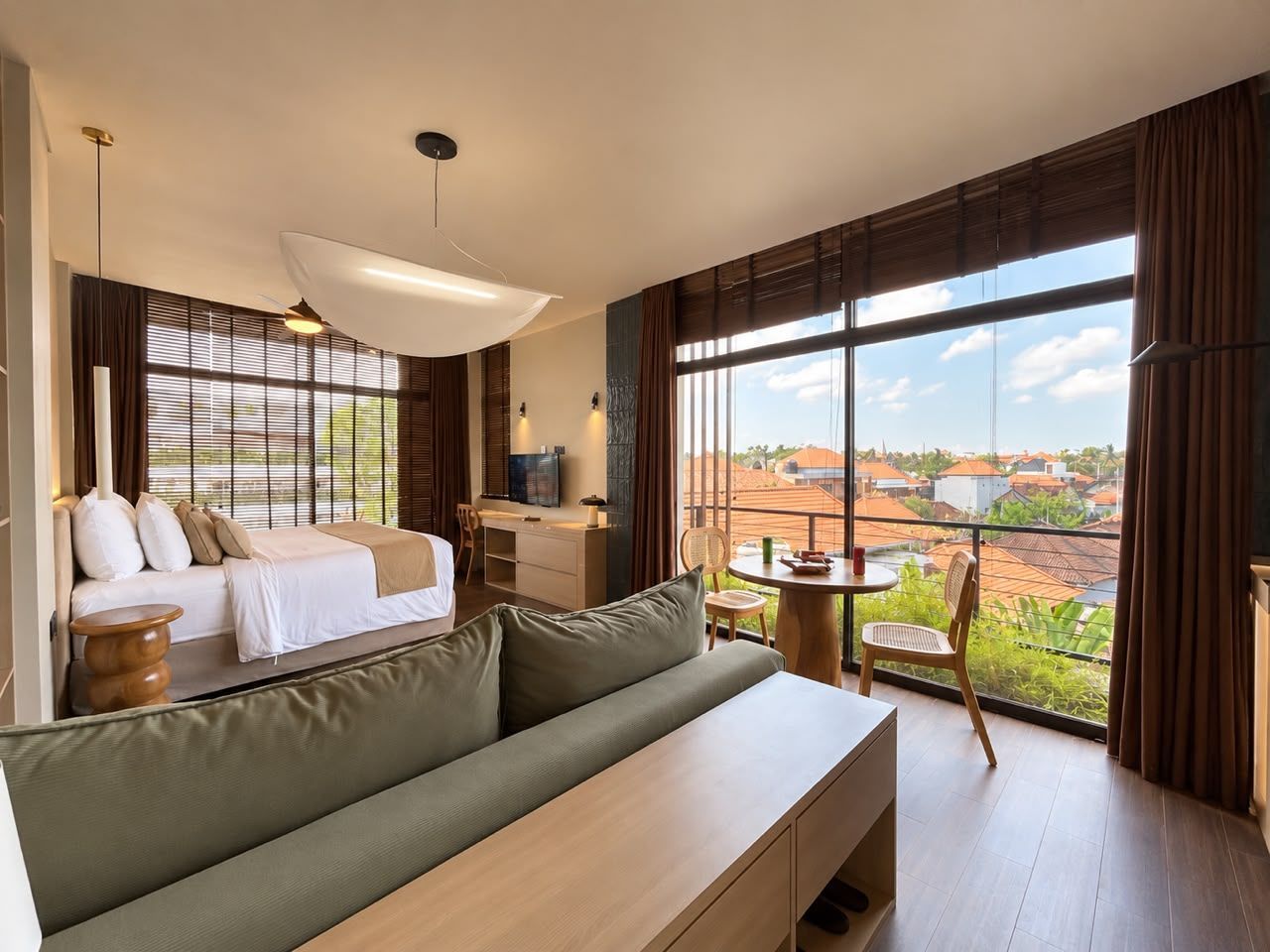
The ability to enjoy unplanned days depends heavily on the type of accommodation travelers return to. If the stay itself feels overly structured, noisy, or activity-driven, it becomes harder to settle into a slower rhythm. In contrast, environments that feel calm and uncomplicated naturally support flexibility because they remove pressure rather than adding to it. At Aviator Bali, the atmosphere is intentionally simple, allowing guests to move through the day without feeling tied to schedules or crowded facilities. Since the property focuses on essential comfort instead of large-scale hotel activity, guests are able to shape their routines according to how they actually feel each day. Some mornings may begin slowly inside the room, while other days may involve spending more time outside exploring Canggu. Because there are no restaurants, events, or highly active communal spaces operating inside the property, the environment remains relatively calm and predictable from morning until night. This consistency becomes important over longer stays because it allows guests to mentally settle rather than constantly adapt. The kitchenette adds another layer of freedom, making it possible to prepare coffee, breakfast, or simple meals without needing to immediately leave the room or follow fixed dining schedules. Even this small flexibility changes the emotional pace of the day, making the stay feel more personal and less transactional. The swimming pool further supports this atmosphere by offering a quiet space to relax without turning rest into another activity that needs planning.
How Overplanning Can Reduce the Quality of the Experience
While planning can create structure and efficiency, too much structure often removes the emotional flexibility that makes travel enjoyable in the first place. When every hour already has a purpose, travelers begin moving through the day with a sense of obligation rather than curiosity. In Bali, particularly in areas like Canggu where movement itself already requires energy due to traffic and changing conditions, highly packed itineraries can quickly become mentally tiring. Overplanning also creates a subtle pressure to constantly “make the most” of the trip, which can prevent people from fully enjoying the moment they are currently in. Instead of relaxing, attention remains focused on what comes next. This mindset slowly transforms experiences into tasks. At Aviator Bali, the slower and quieter environment helps interrupt this pattern by making it easier for guests to pause without feeling guilty for doing less. Returning to a calm room after spending time outside creates an emotional reset that encourages travelers to move more intentionally rather than continuously. Over time, this balance changes the quality of the trip itself. Days begin to feel fuller emotionally even when fewer activities are completed, because experiences are no longer rushed or compressed into strict timelines. Travelers often become more selective about what they genuinely want to do instead of trying to accomplish everything available around them.
Why the Most Meaningful Travel Memories Are Often the Least Planned
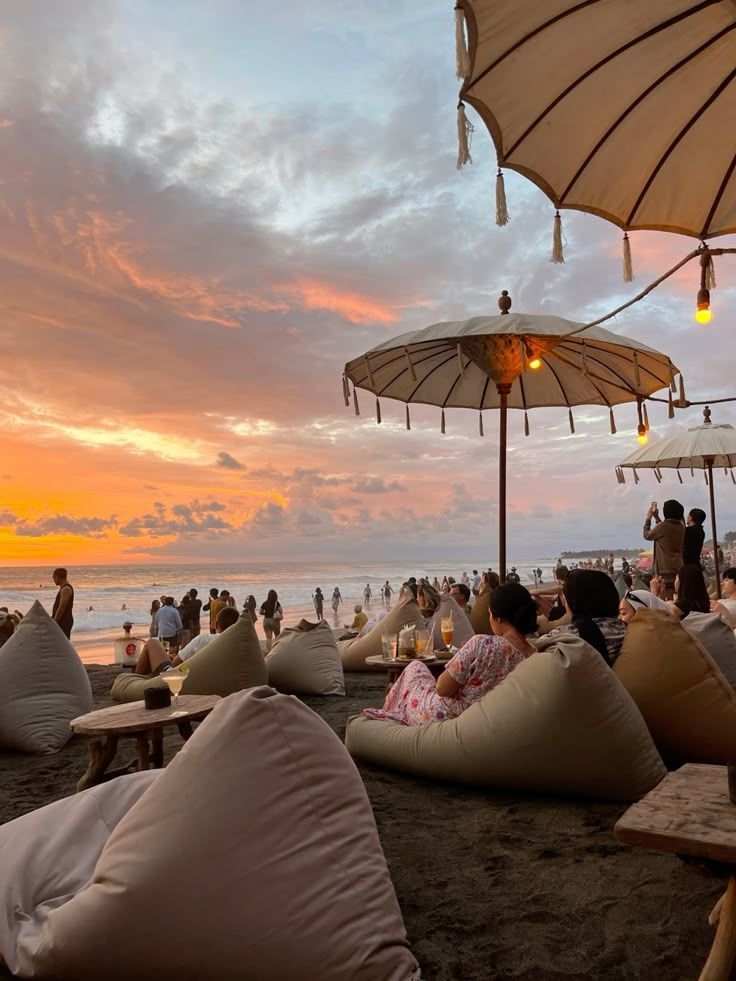
Long after a trip ends, people rarely remember every detail of their itinerary in perfect order. What usually remains are emotional impressions—how relaxed they felt, certain unexpected moments, and the atmosphere surrounding ordinary parts of the day. In Bali, many of these memories emerge from situations that were never planned at all. A calm morning with nowhere to rush, an afternoon spent resting longer than expected, or an evening that unfolded naturally without fixed expectations often becomes more memorable than carefully scheduled activities. Staying at Aviator Bali supports this kind of experience by providing an environment where flexibility feels natural rather than disruptive. With essential features such as private rooms, kitchenettes, and a swimming pool, guests are able to create routines that adapt to their mood instead of forcing themselves into rigid schedules. There are no large distractions competing for attention and no pressure to constantly engage with activities inside the property, allowing travelers to experience Bali more gradually and personally. In the end, some of the best days in Canggu are not the days when everything went according to plan, but the days when travelers allowed themselves enough freedom to stop planning altogether and simply experience where they were.