


Why Travelers Often Feel More Relaxed in Smaller Stays Than Large Resorts in Canggu
The Assumption That Bigger Always Means Better
When planning a stay in Bali, many travelers naturally assume that larger resorts automatically provide a better experience. Bigger properties are often associated with luxury, exclusivity, and convenience because they offer extensive facilities, large public spaces, multiple dining options, entertainment areas, and endless services designed to impress guests from the moment they arrive. On booking platforms and social media, these large-scale accommodations are frequently presented as the ideal way to experience Bali, especially in areas like Canggu where tourism continues to grow rapidly. However, once travelers actually spend several days in these environments, a different reality sometimes begins to emerge. While large resorts may appear visually impressive and highly complete, the overall emotional experience does not always match the expectation of relaxation people originally had when planning their trip. In many cases, the constant activity within the property itself can become mentally exhausting over time. Shared spaces remain active throughout the day, restaurants continue operating late into the evening, background noise becomes part of the atmosphere, and the sense of privacy can gradually feel reduced despite the scale of the property. Instead of creating emotional rest, larger environments can unintentionally maintain the same level of stimulation travelers were hoping to escape from. In destinations like Canggu, where the outside environment already offers an endless amount of movement, social activity, and sensory input, returning to another highly active environment sometimes prevents the mind from fully slowing down. This contrast explains why many travelers eventually begin searching for something different—not necessarily more luxurious in appearance, but more emotionally comfortable in practice. Over time, people often realize that the feeling of calmness during a trip is influenced less by how impressive a property looks and more by how easy it feels to exist within it day after day.
Why Smaller Spaces Often Feel More Personal and Comfortable
One of the main reasons smaller accommodations often feel more relaxing is because they naturally create a stronger sense of familiarity and emotional comfort. In large resorts, guests frequently move through spaces that feel highly structured and constantly changing. Different crowds arrive daily, activities continue simultaneously in multiple areas, and the environment is designed to maintain continuous energy and engagement. While this can create excitement, it can also make the stay feel less personal over time. In contrast, smaller stays tend to create an atmosphere where travelers settle in more naturally. The environment becomes easier to understand, routines form more quickly, and the overall experience begins to feel less transactional. In Canggu, where many travelers are already spending long hours outside exploring cafés, beaches, restaurants, and surrounding areas, this sense of familiarity becomes increasingly valuable. Returning to a quieter and more manageable environment creates emotional relief because the brain no longer needs to constantly process new stimulation. Small environmental consistencies—recognizable sounds, stable lighting, predictable movement, and familiar spaces—reduce mental fatigue in subtle but important ways. At Aviator Bali, this sense of simplicity and familiarity is reflected in the overall atmosphere of the property. Without large-scale facilities or crowded public areas, the environment remains calmer and easier to settle into throughout the stay. Guests are not constantly navigating busy communal spaces or adapting to changing activity levels inside the property. Instead, the experience feels more grounded and personal, allowing the accommodation to become part of the traveler’s daily rhythm rather than another source of stimulation. Over several days, this type of emotional consistency often contributes more to relaxation than many travelers initially expect.
The Psychological Effect of Quiet and Predictability
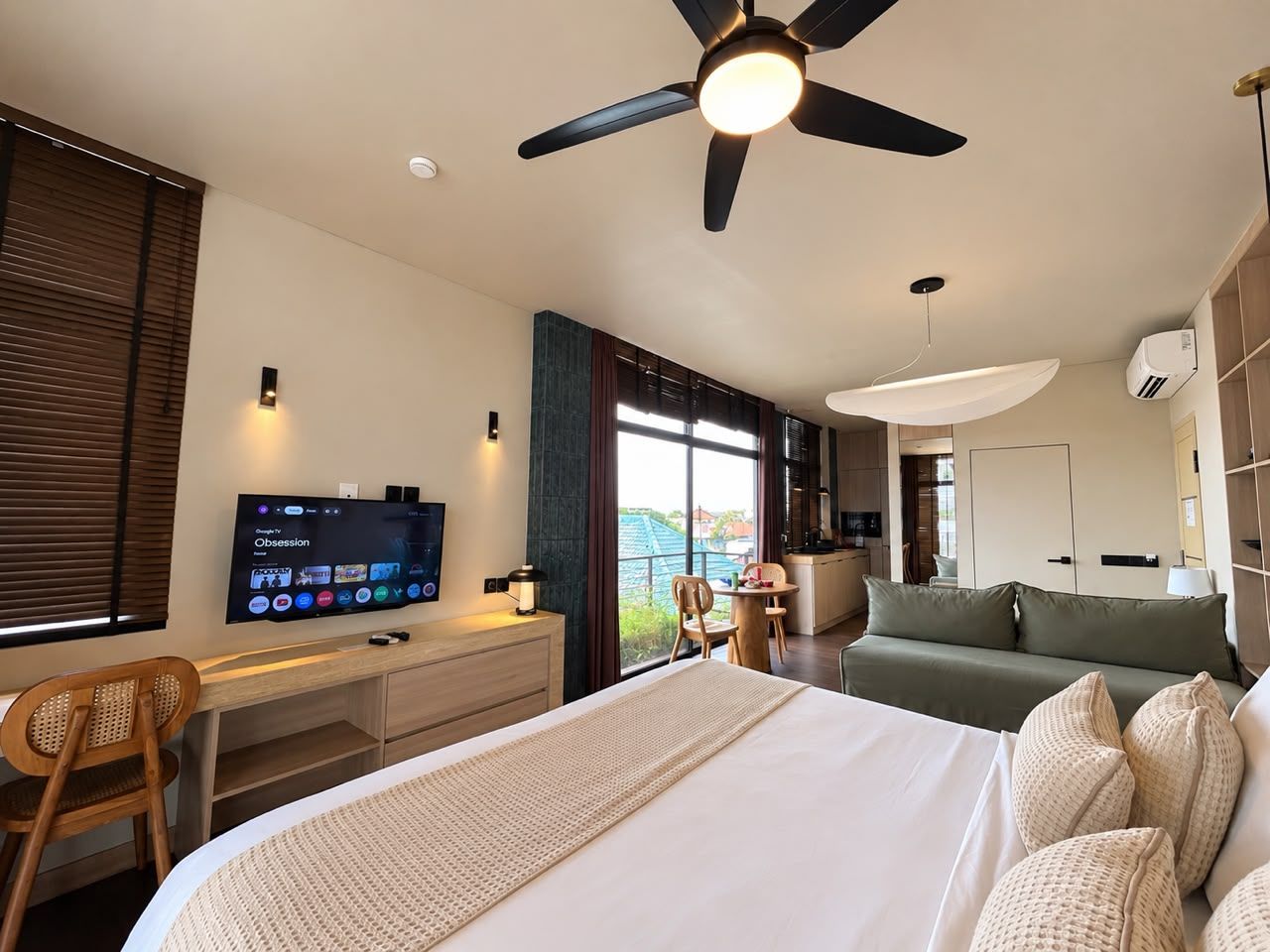
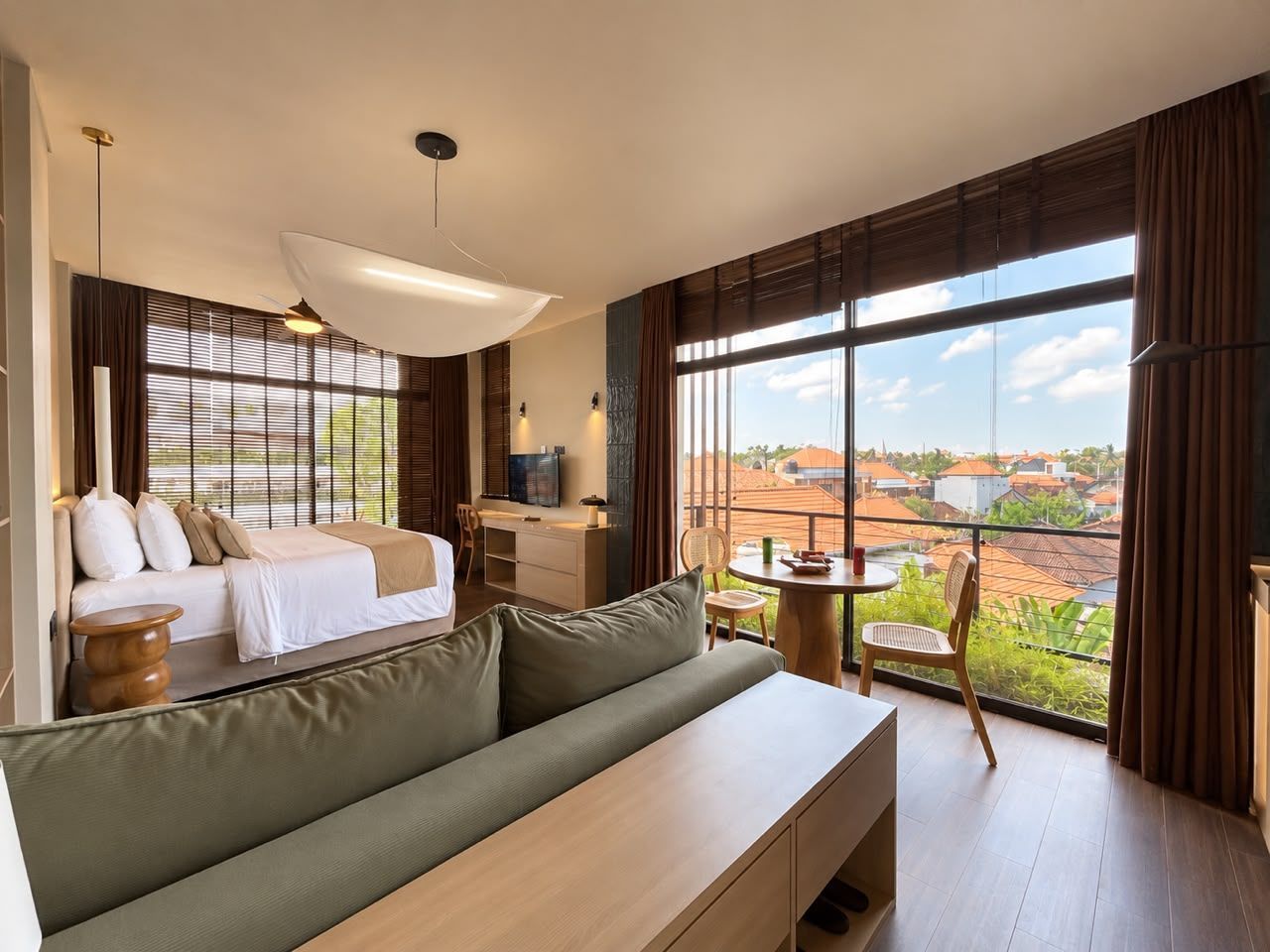
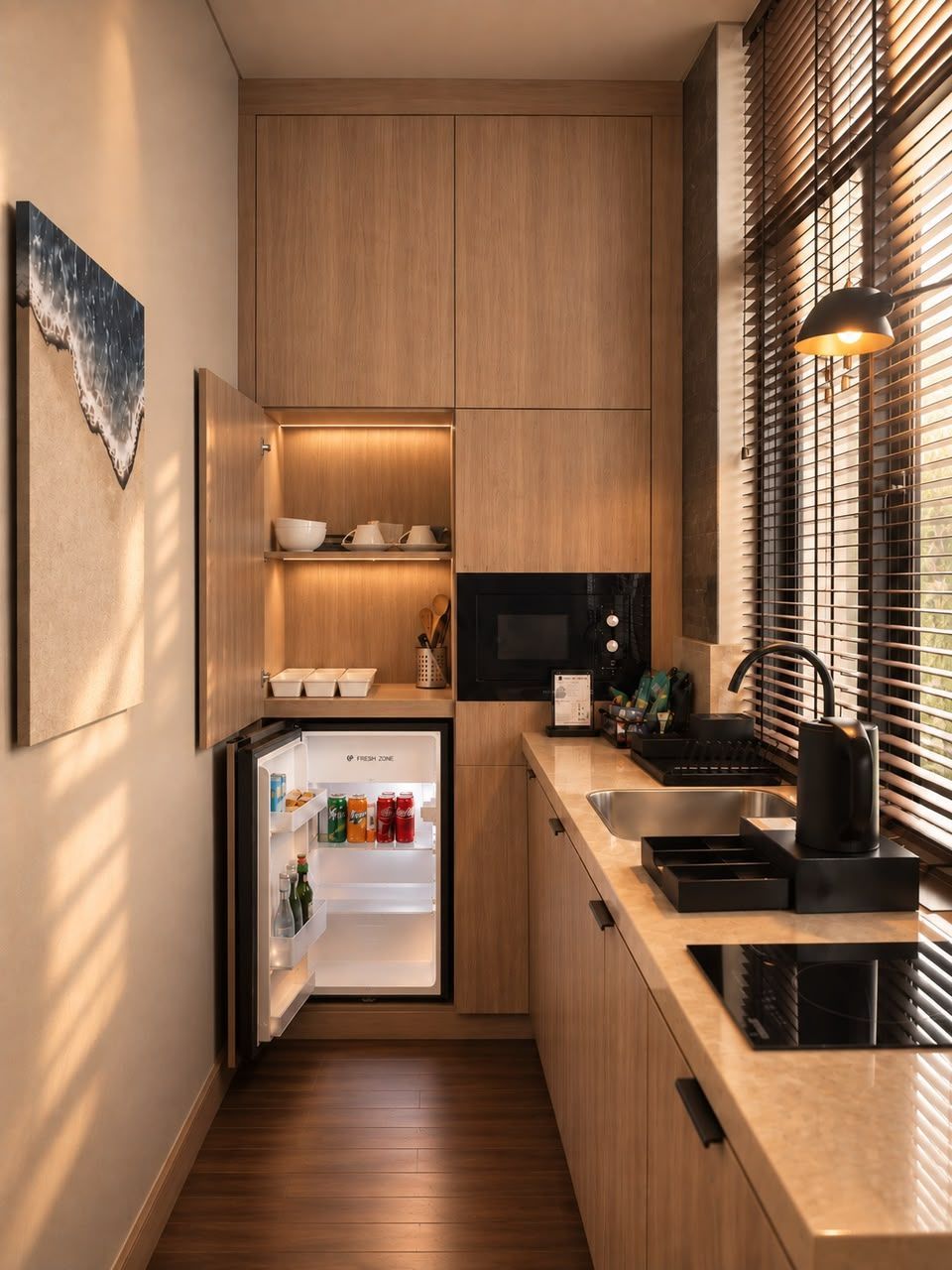
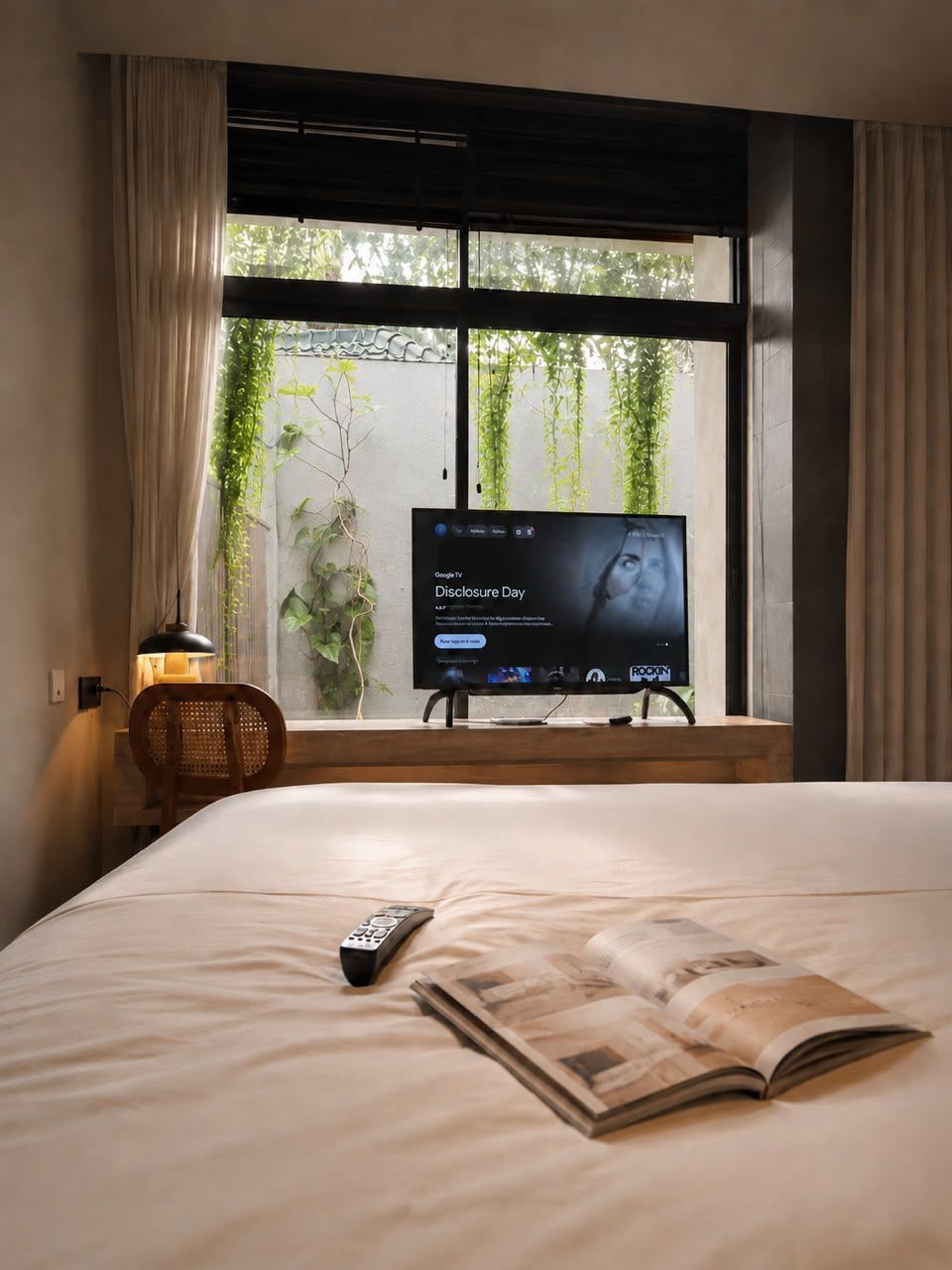
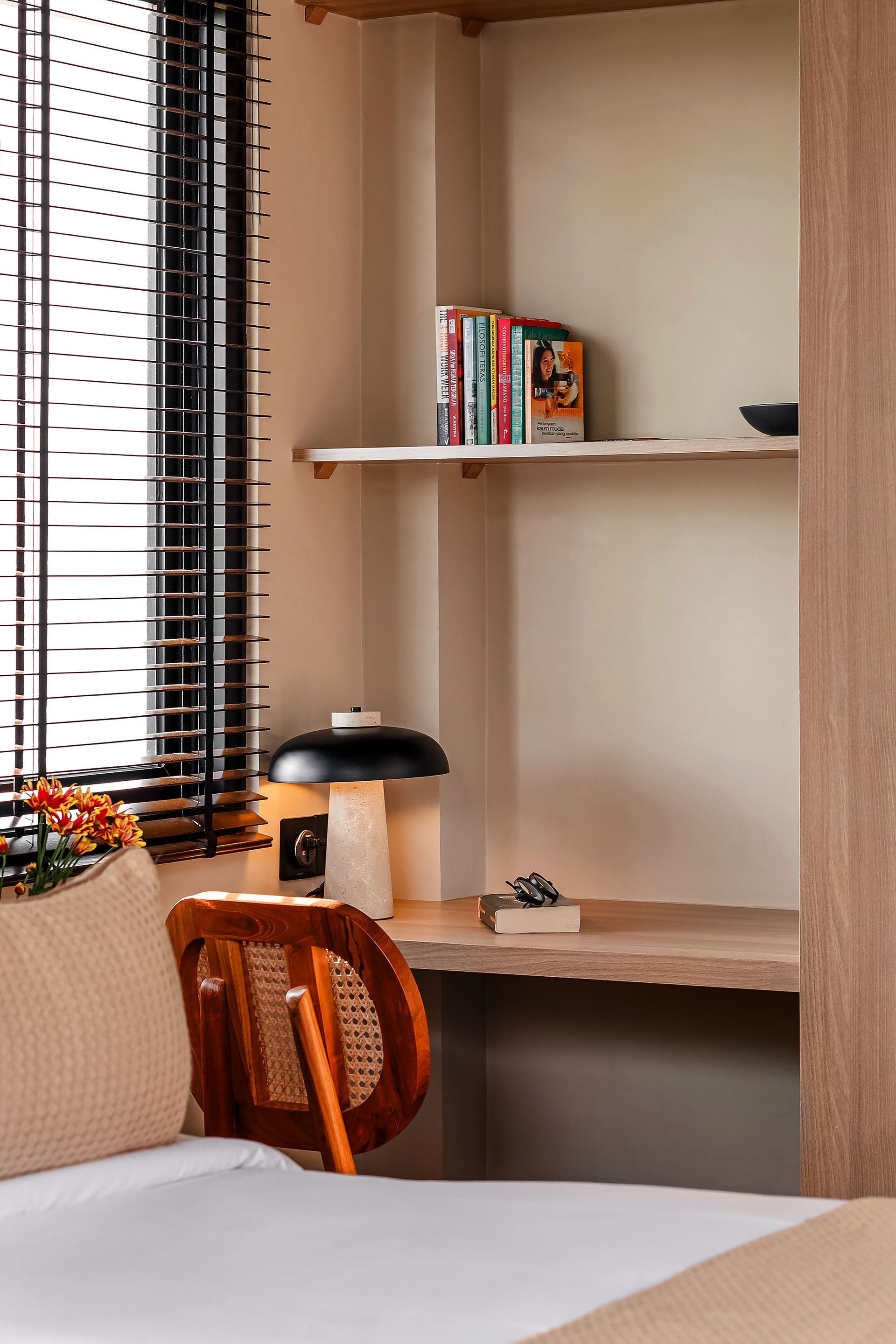
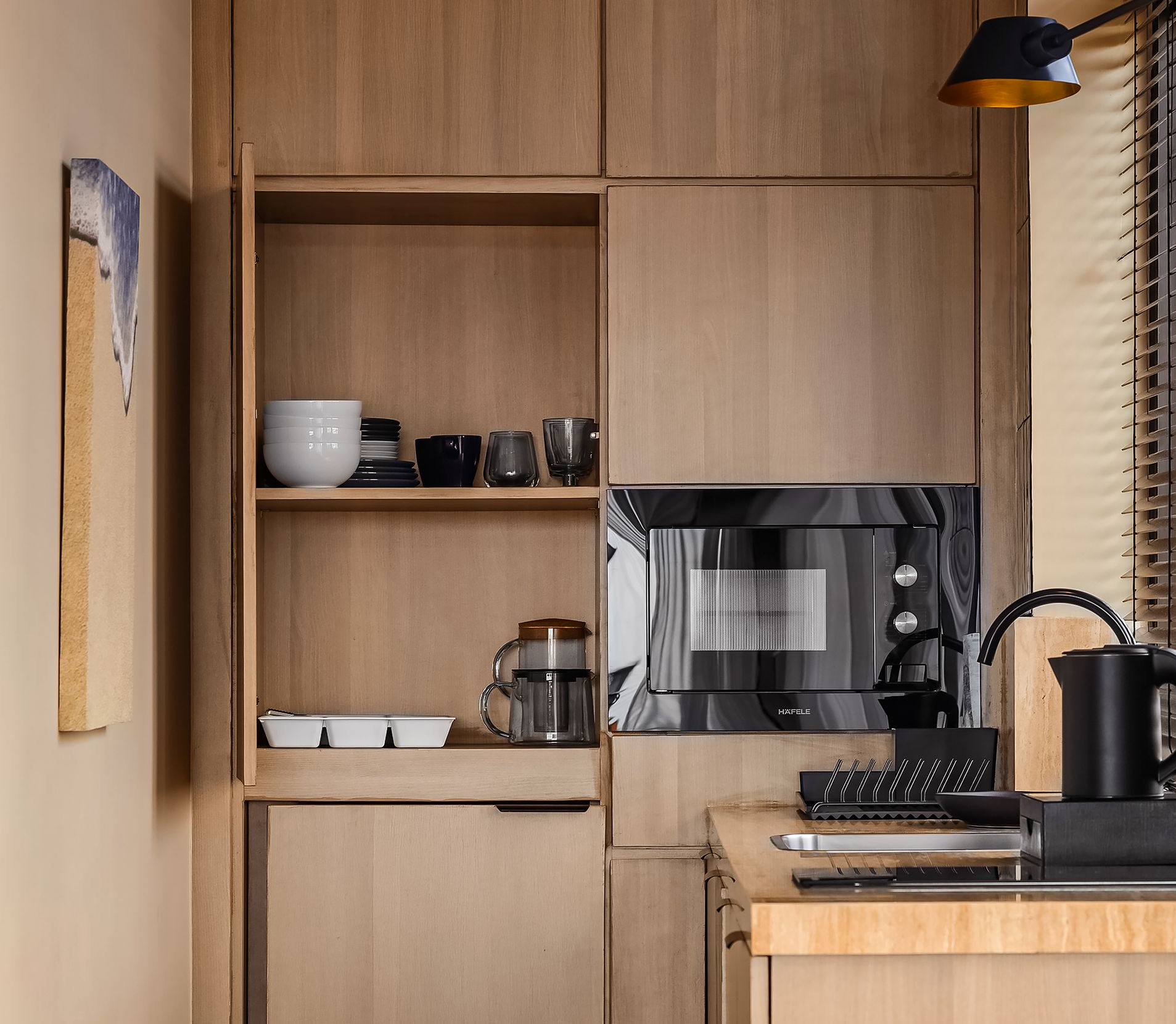
One aspect of travel that is often overlooked is the psychological effect of predictability. While people travel to experience something different, the human mind still seeks certain forms of stability in order to fully relax. Constant unpredictability—whether through noise, crowds, schedules, or environmental activity—requires ongoing mental adjustment. In Bali, especially in dynamic areas like Canggu, travelers already spend much of their day adapting to movement, traffic, changing weather, and busy social environments. Because of this, the atmosphere of the accommodation becomes extremely important in balancing the overall emotional experience of the trip. Quiet environments help regulate mental stimulation by reducing the amount of information the brain needs to process continuously. This is one reason why travelers often describe smaller and calmer stays as “more relaxing,” even when they technically offer fewer facilities. At Aviator Bali, the absence of on-site restaurants, large events, or highly active communal spaces helps preserve this sense of predictability and calmness throughout the day. The atmosphere remains relatively stable from morning to evening, allowing guests to mentally settle rather than constantly adapt. The rooms themselves are designed around functionality and comfort rather than excess, creating spaces where guests can naturally rest, work, or spend quiet time without interruption. The kitchenette adds another layer of psychological comfort because it supports familiar routines—making coffee, preparing breakfast, or simply moving through the day independently without relying on hotel schedules. Even these small routines create emotional grounding during travel, helping guests feel more balanced and less overstimulated. Over time, this emotional stability changes the overall perception of the trip itself, making the experience feel slower, calmer, and more restorative.
Why Less Stimulation Often Creates Better Rest
Modern travel culture frequently promotes the idea that more experiences, more activities, and more options automatically create better vacations. However, in practice, constant stimulation often produces the opposite effect. The more choices and sensory input travelers encounter throughout the day, the more difficult it becomes for the nervous system to fully rest. In Canggu, where cafés, beach clubs, restaurants, and social spaces are already highly accessible, the external environment naturally provides continuous activity and engagement. This means the accommodation itself plays a critical role in creating contrast. Without contrast, the entire trip can begin to feel emotionally continuous, where stimulation never truly stops. At Aviator Bali, the calmer and more minimal atmosphere provides an important separation between the energy outside and the experience inside the stay. Guests can spend the day exploring busy areas and then return to a space that feels emotionally quieter and physically less demanding. The swimming pool becomes part of this slower rhythm, offering a place to decompress without needing to participate in additional activity. Because the property does not revolve around entertainment or programmed experiences, guests are free to slow down naturally instead of feeling pressure to constantly engage with the environment. This freedom often changes the pace of the trip entirely. Travelers begin sleeping better, feeling less mentally tired, and becoming more present during the experiences they actually choose to have outside the accommodation. In this way, less stimulation inside the stay does not reduce the quality of the trip—it often improves it by allowing recovery to happen more fully.
Why Emotional Comfort Becomes the Most Important Luxury
As travelers spend more time in Bali, many eventually realize that the most valuable part of a stay is not always visual luxury or the number of available services, but emotional comfort. The ability to wake up calmly, move through the day without pressure, and return to a space that feels stable and restorative often shapes the strongest memories of the trip. In destinations like Canggu, where the outside environment already provides endless opportunities for activity, many travelers begin appreciating accommodations that offer simplicity, quietness, and flexibility instead of constant engagement. Staying at Aviator Bali supports this type of experience by focusing on essential comfort rather than excess. With features such as private rooms, kitchenettes, and a swimming pool, guests have the flexibility to create routines that feel natural and personal throughout their stay. There are no crowded facilities, fixed entertainment schedules, or large-scale distractions competing for attention, allowing travelers to experience Bali at their own pace. Over time, this emotional ease becomes more memorable than many visible luxuries because it directly affects how the trip feels from beginning to end. In the end, travelers often remember not the size of the resort or the number of amenities available, but the feeling of calmness they experienced while staying there—and sometimes, the quietest environments become the most meaningful part of the entire journey.