




Why Not Having a Restaurant Can Actually Improve Your Stay in Canggu
Rethinking What a Hotel Really Needs in Canggu
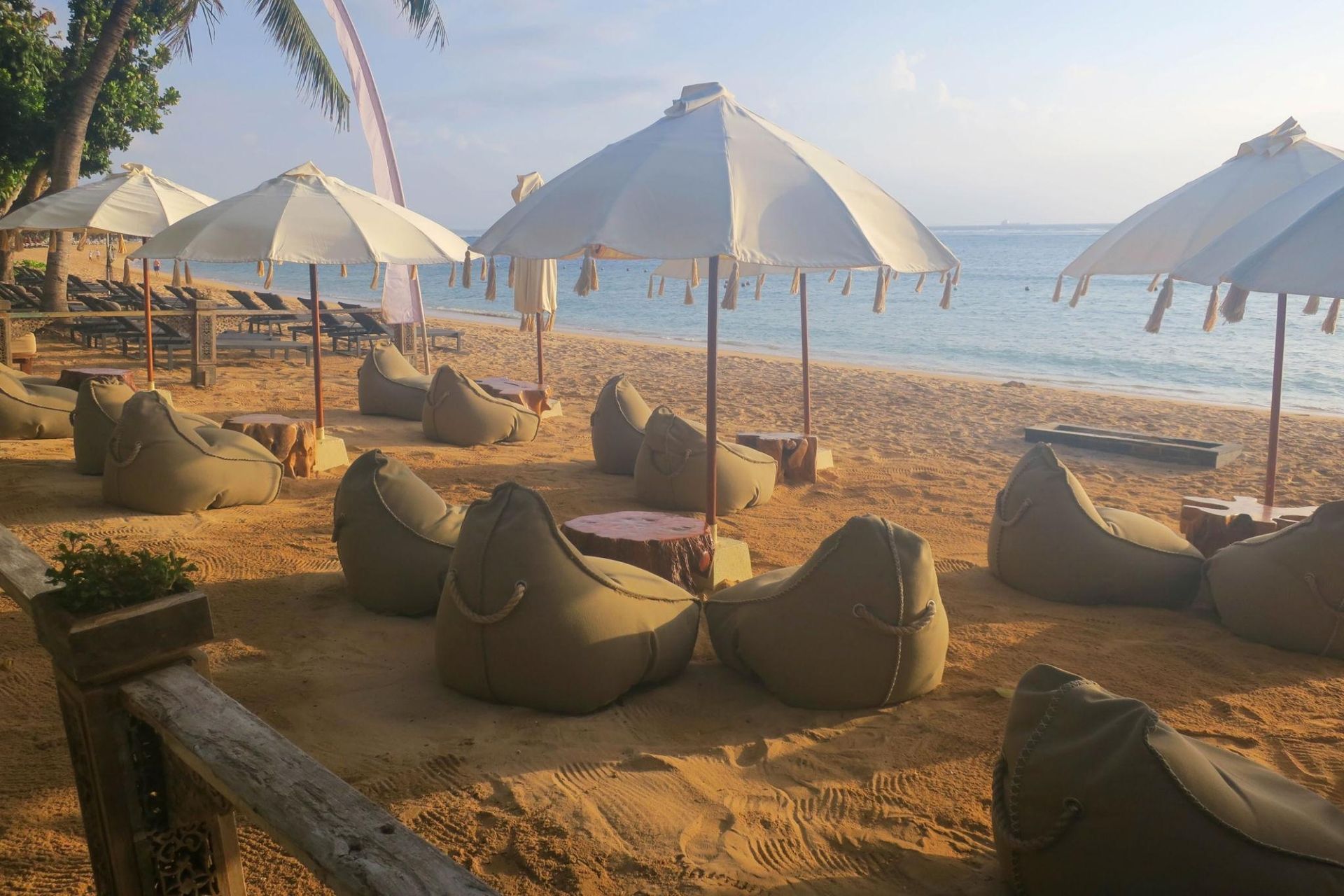
When choosing accommodation in Canggu, many travelers instinctively look for properties that offer complete facilities, including on-site restaurants, room service, and full dining options. This expectation often comes from traditional hospitality standards, where convenience is associated with having everything available in one place. However, the reality of staying in Canggu presents a different perspective. Unlike isolated resort destinations, Canggu is an area where dining, cafés, and food options are already widely available and easily accessible. Within a short distance, guests can find a wide variety of places offering different types of cuisine, price ranges, and atmospheres. This raises an important question: is having a restaurant inside your accommodation truly necessary, or does it sometimes limit the overall experience? By relying less on in-house dining, guests are naturally encouraged to explore the surrounding area, which is already one of Canggu’s strongest advantages. In this context, the absence of a restaurant does not reduce convenience, but rather shifts how guests interact with the destination. It creates a more open and flexible way of experiencing daily life, where choices are not confined to a single menu or schedule. This approach aligns more closely with how people actually live in Canggu, where eating out, trying new places, and moving between locations is part of the everyday routine.
Flexibility Over Fixed Dining
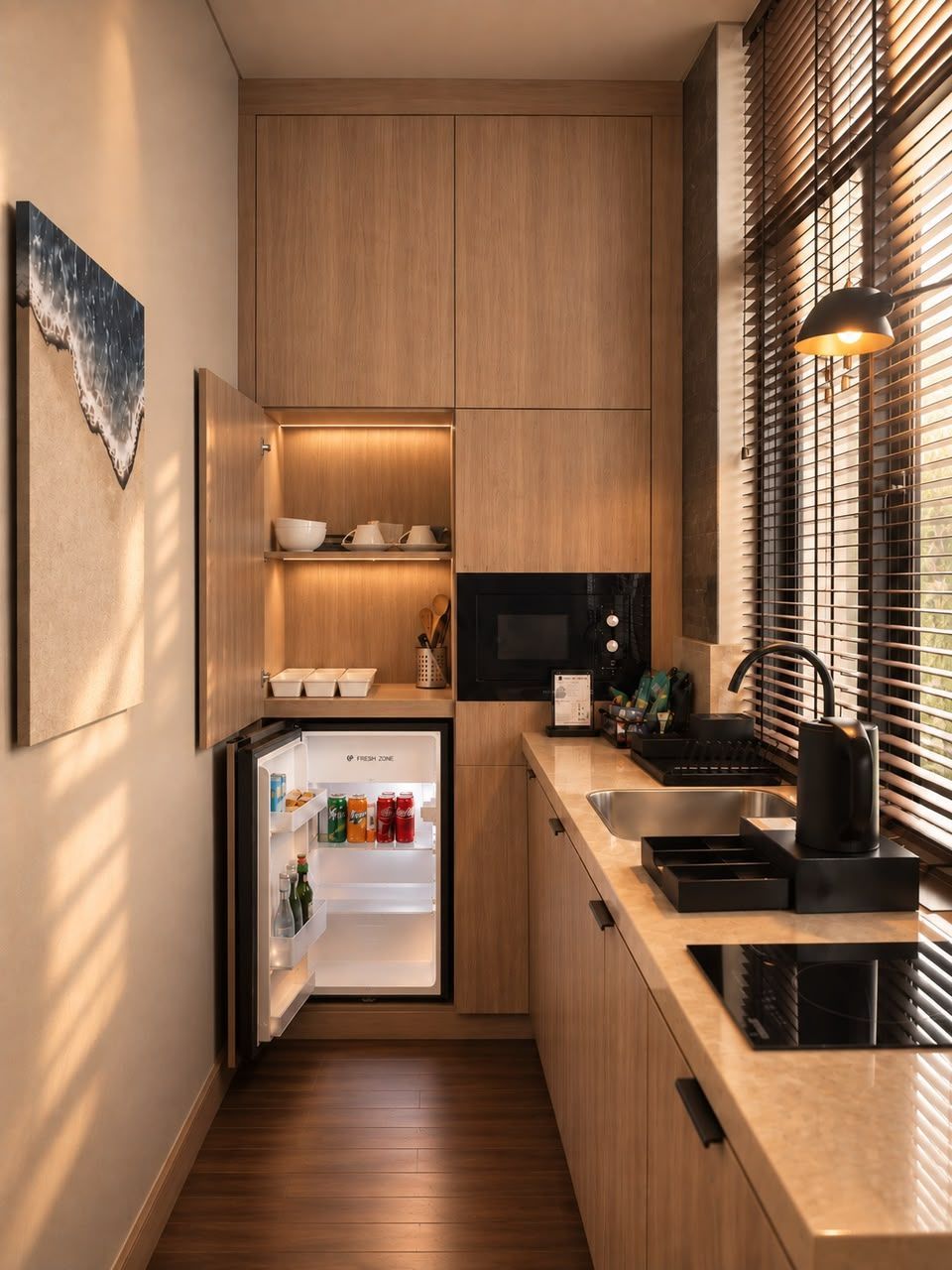
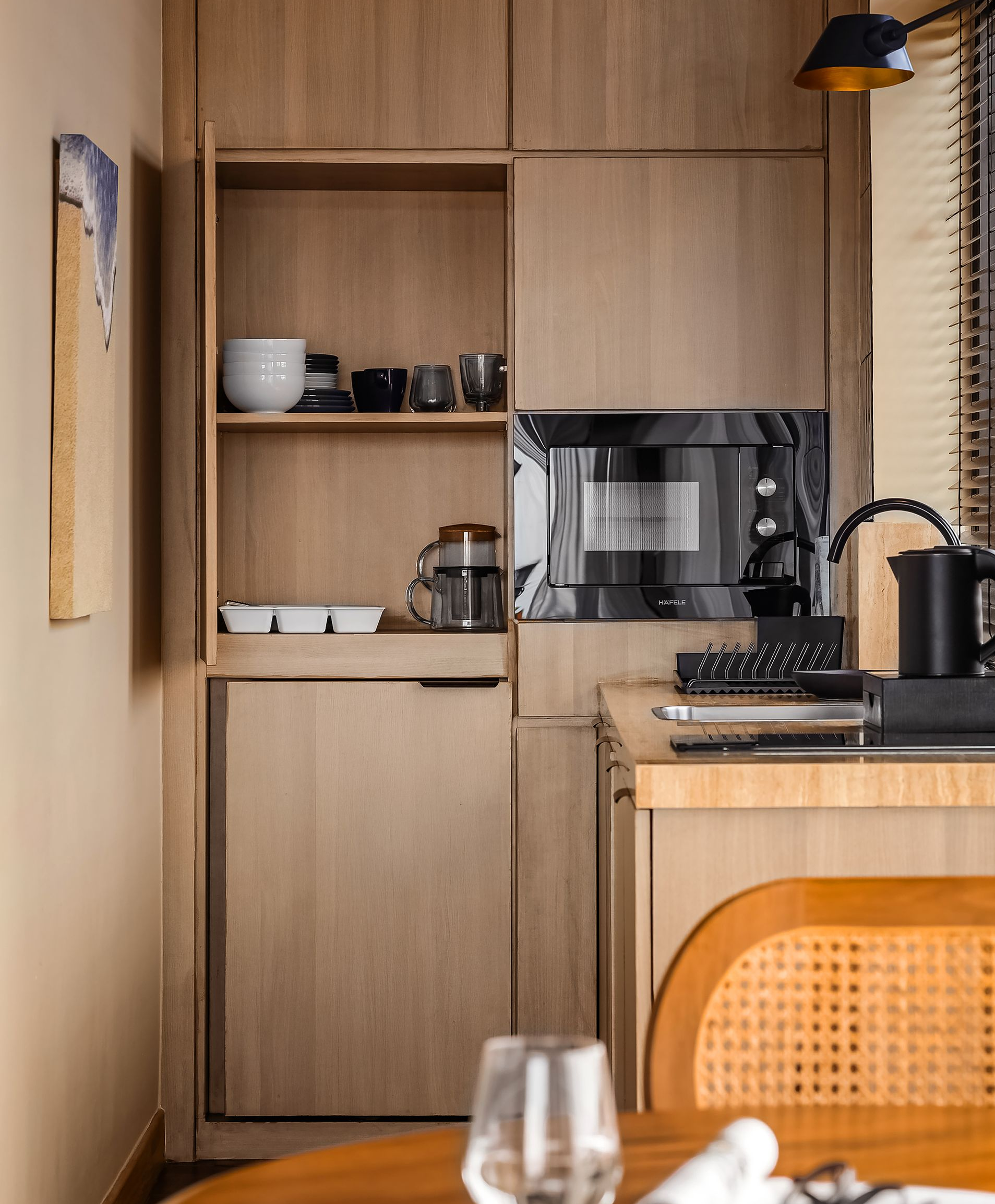
One of the key benefits of staying in a property without a restaurant is the level of flexibility it offers. Traditional hotel dining often comes with fixed menus, specific operating hours, and a limited range of options. While this can be convenient in some situations, it can also become repetitive, especially for guests staying longer than a few days. In contrast, a stay without on-site dining encourages a more dynamic and adaptable approach. Guests are free to choose where, when, and what they want to eat without being restricted by the hotel’s offerings. At Aviator Bali, this flexibility is supported by the inclusion of a kitchenette in every room. Rather than replacing restaurants, the kitchenette complements the overall experience by giving guests an additional option. They can prepare simple meals, store groceries, or enjoy snacks at any time without depending entirely on external services. This becomes particularly useful for breakfast, late-night meals, or days when guests prefer to stay in. The combination of external dining options and in-room facilities creates a balanced system where convenience is not tied to a single source. Instead of being dependent on one restaurant, guests have multiple ways to manage their meals, making the overall stay more adaptable to individual preferences.
A Quieter and More Private Environment
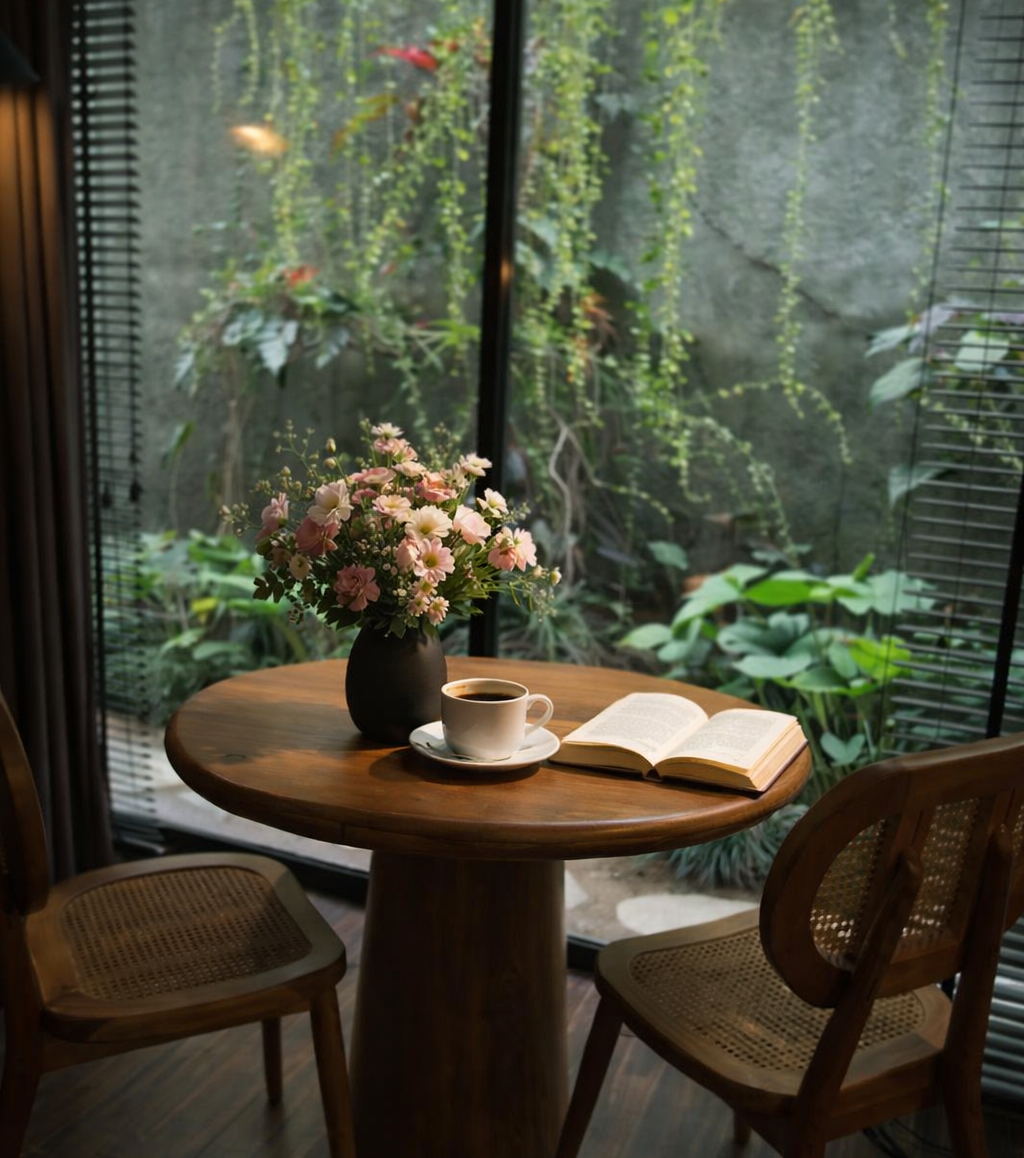
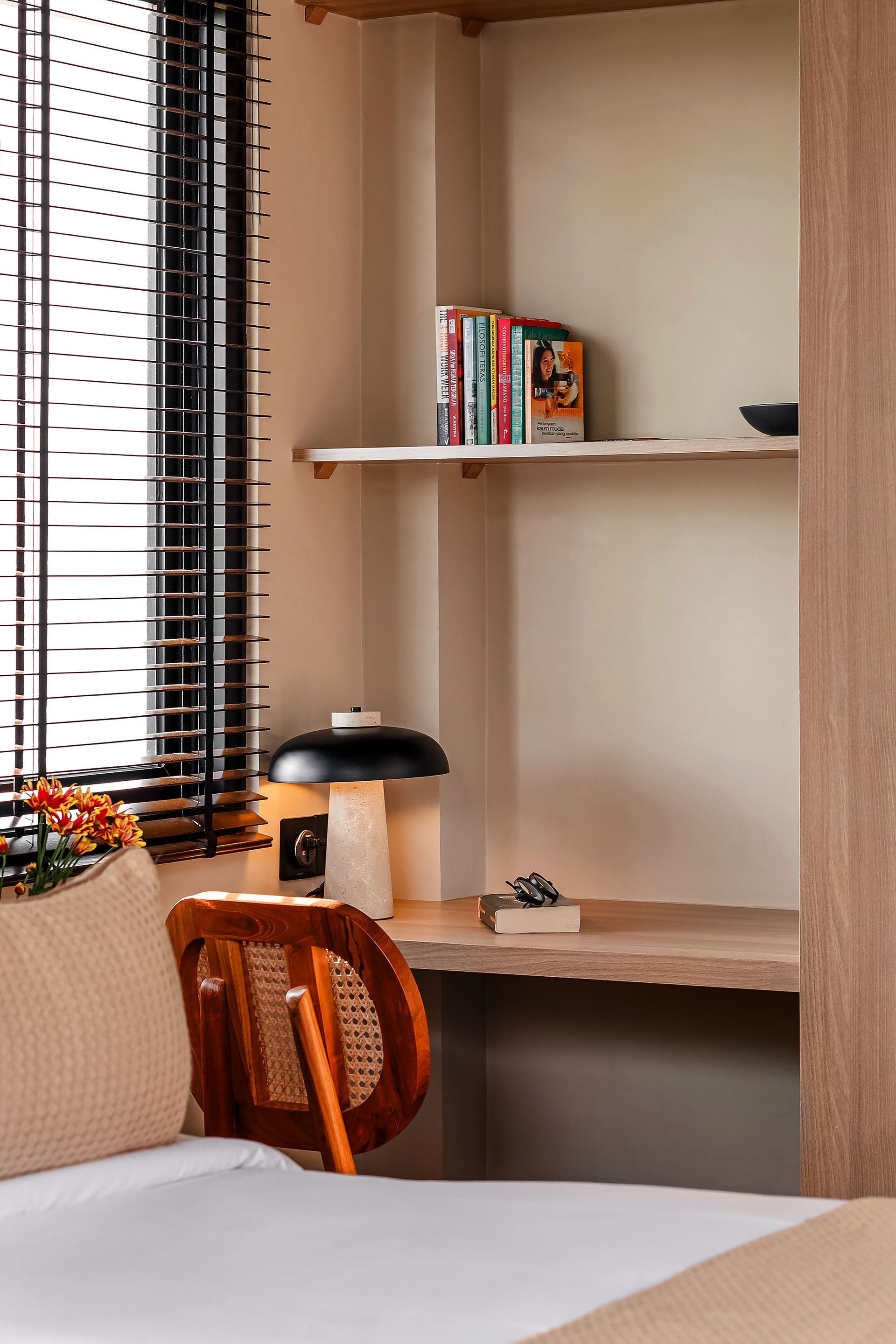
Another often overlooked advantage of not having a restaurant within the property is the impact it has on the overall atmosphere. Restaurants, especially in popular areas like Canggu, can generate significant activity, including increased foot traffic, noise, and extended operating hours. While this may be appealing for some guests, it can also reduce the level of privacy and tranquility within the accommodation. Without an on-site restaurant, the environment becomes naturally quieter and more controlled. At Aviator Bali, this results in a space that is focused entirely on accommodation, without the additional movement and noise associated with dining operations. Guests can return to a calm and consistent environment regardless of the time of day. This is particularly valuable in the evening, when many travelers prefer to rest after spending time outside. The absence of restaurant-related activity also contributes to a more predictable experience, where there are no sudden changes in atmosphere due to peak dining hours or events. This level of consistency supports a more आराम and uninterrupted stay, especially for guests who prioritize rest, remote work, or a slower pace of travel. In this context, having fewer facilities actually enhances the quality of the environment rather than limiting it.
Encouraging a More Local Experience
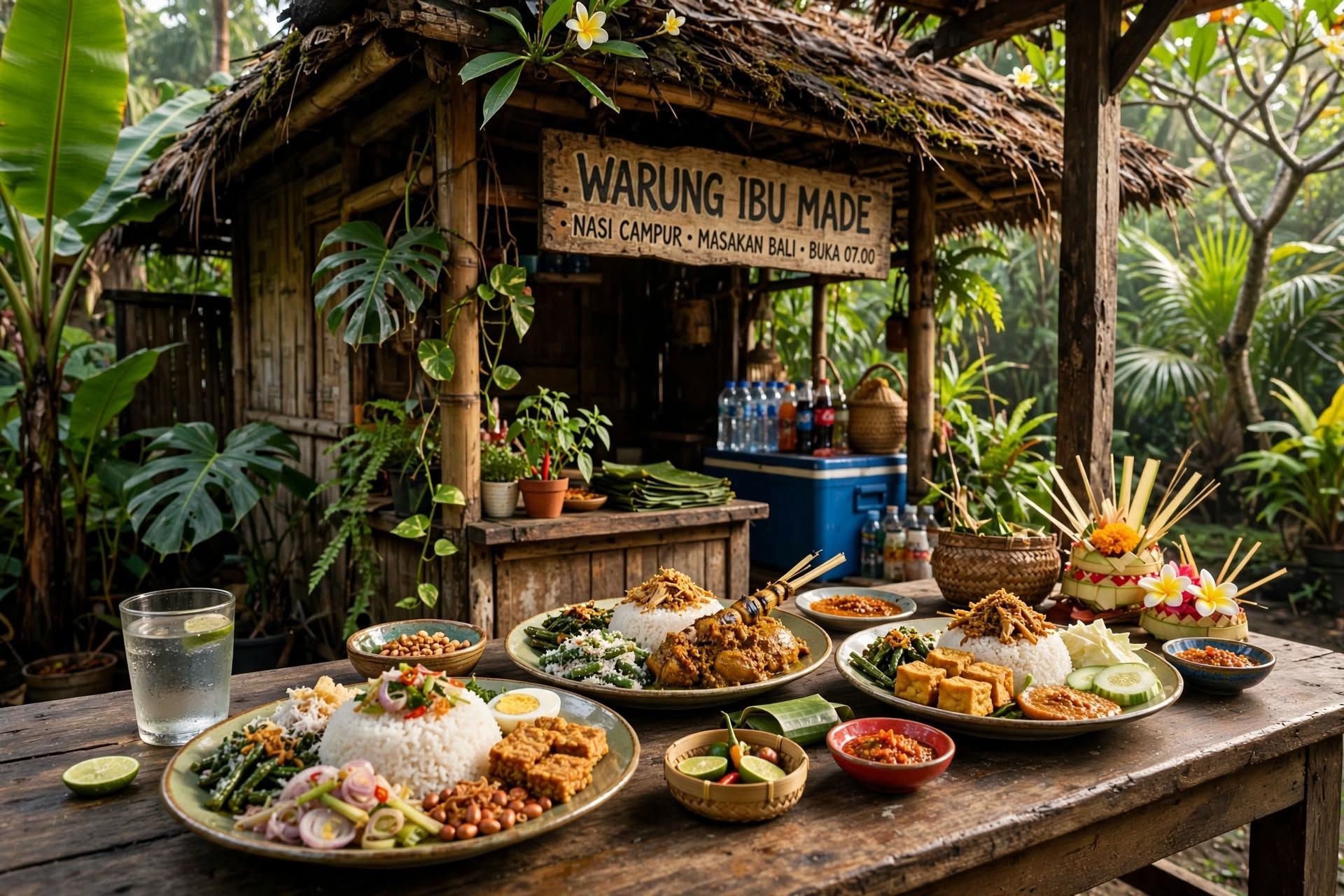
Canggu is known for its diverse and constantly evolving food scene, making it one of the best places in Bali to explore different dining experiences. By not having a restaurant on-site, guests are naturally encouraged to engage more directly with this aspect of the destination. Instead of relying on a single option within the property, they have the opportunity to discover a variety of cafés, restaurants, and local food spots. This creates a more authentic and immersive experience, where each meal becomes part of the overall journey rather than a routine activity. Staying at Aviator Bali supports this approach by providing a convenient base without limiting choices. Guests can step out and explore the surrounding area, try different cuisines, and experience the unique character of Canggu’s food culture. At the same time, the presence of a kitchenette ensures that this exploration remains optional rather than mandatory. Guests can choose when to go out and when to stay in, maintaining full control over their routine. This balance between exploration and independence allows for a more personalized stay, where the experience is shaped by individual preferences rather than predefined services.
Simplicity as a Practical Advantage
In the end, the absence of a restaurant at Aviator Bali reflects a broader approach to hospitality that prioritizes simplicity, functionality, and flexibility. Rather than trying to provide every possible facility, the focus is placed on offering what is truly necessary for a comfortable stay. This includes well-designed rooms, a kitchenette for basic needs, and access to a swimming pool for relaxation. By removing elements that are not essential, the overall experience becomes more straightforward and easier to navigate. Guests do not need to adapt to hotel schedules, dining hours, or service structures, and can instead organize their stay according to their own preferences. This approach may differ from traditional expectations, but it aligns closely with the lifestyle of Canggu, where independence and flexibility are key. For many travelers, especially those staying longer or seeking a more relaxed experience, this simplicity becomes a significant advantage. It allows them to focus less on logistics and more on enjoying their time in Bali. In this sense, not having a restaurant is not a limitation, but a deliberate choice that supports a different, and often more practical, way of staying.