





Why Travelers in Bali Eventually Begin Enjoying Quiet Evenings More Than Busy Nights in Canggu
The Expectation That Every Night in Bali Should Feel Exciting
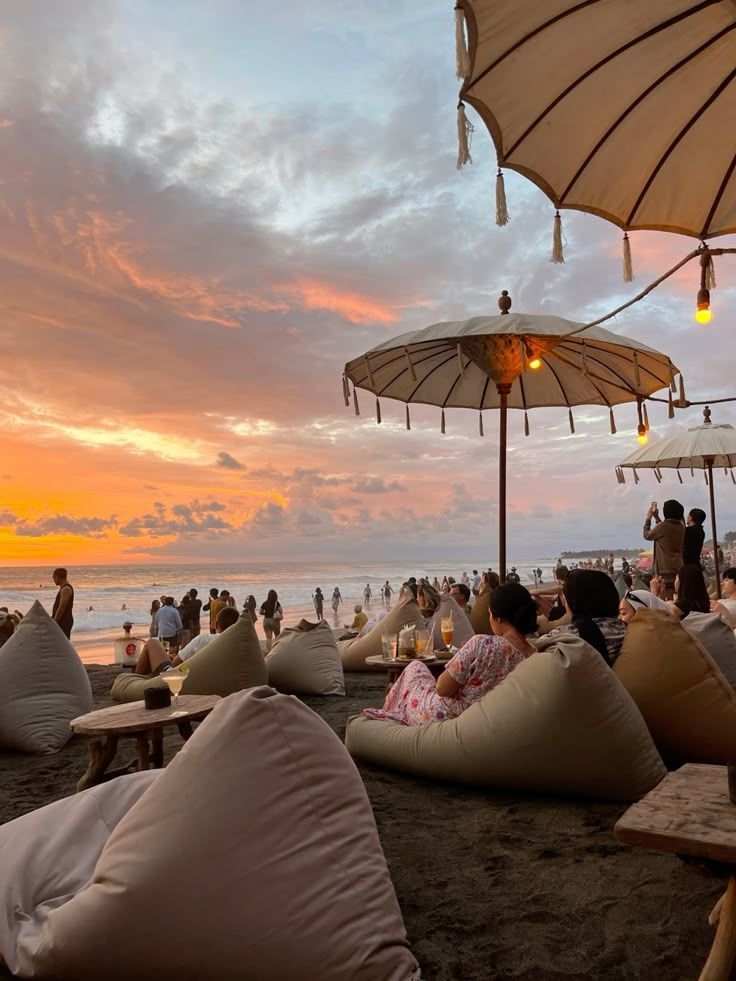
Before arriving in Bali, many travelers imagine the evenings as one of the most exciting parts of the trip. Social media, travel content, and online recommendations often present Bali nights as something vibrant and highly energetic—beach clubs filled with music, sunset parties, crowded restaurants, rooftop gatherings, and endless nightlife options stretching late into the night. In areas like Canggu, this image becomes even stronger because the atmosphere after sunset changes dramatically compared to the calmer mornings. Streets become busier, cafés remain active, music spreads from restaurants and beach venues, and the entire area begins to feel socially alive. Because of this, many travelers arrive believing that every evening should be used fully. There is often a subtle pressure to go out constantly, experience the “best” nightlife spots, and avoid spending too much time quietly inside the accommodation. At first, this energy feels exciting because it creates the sense of being surrounded by activity and possibility. However, after several days in Bali, many people begin noticing an unexpected shift in what they actually enjoy. The desire to constantly stay out late slowly becomes weaker, while the appeal of slower and quieter evenings becomes stronger. Travelers begin realizing that relaxation is not always found in maximizing activity, but often in reducing stimulation after long days of movement and social interaction. This shift happens naturally because Bali already provides so much sensory input throughout the day. By evening, many people unconsciously begin craving emotional quietness more than additional excitement. What initially felt “too quiet” at the start of the trip often becomes the exact atmosphere travelers later appreciate most.
Why Quiet Evenings Feel Emotionally Different in Bali
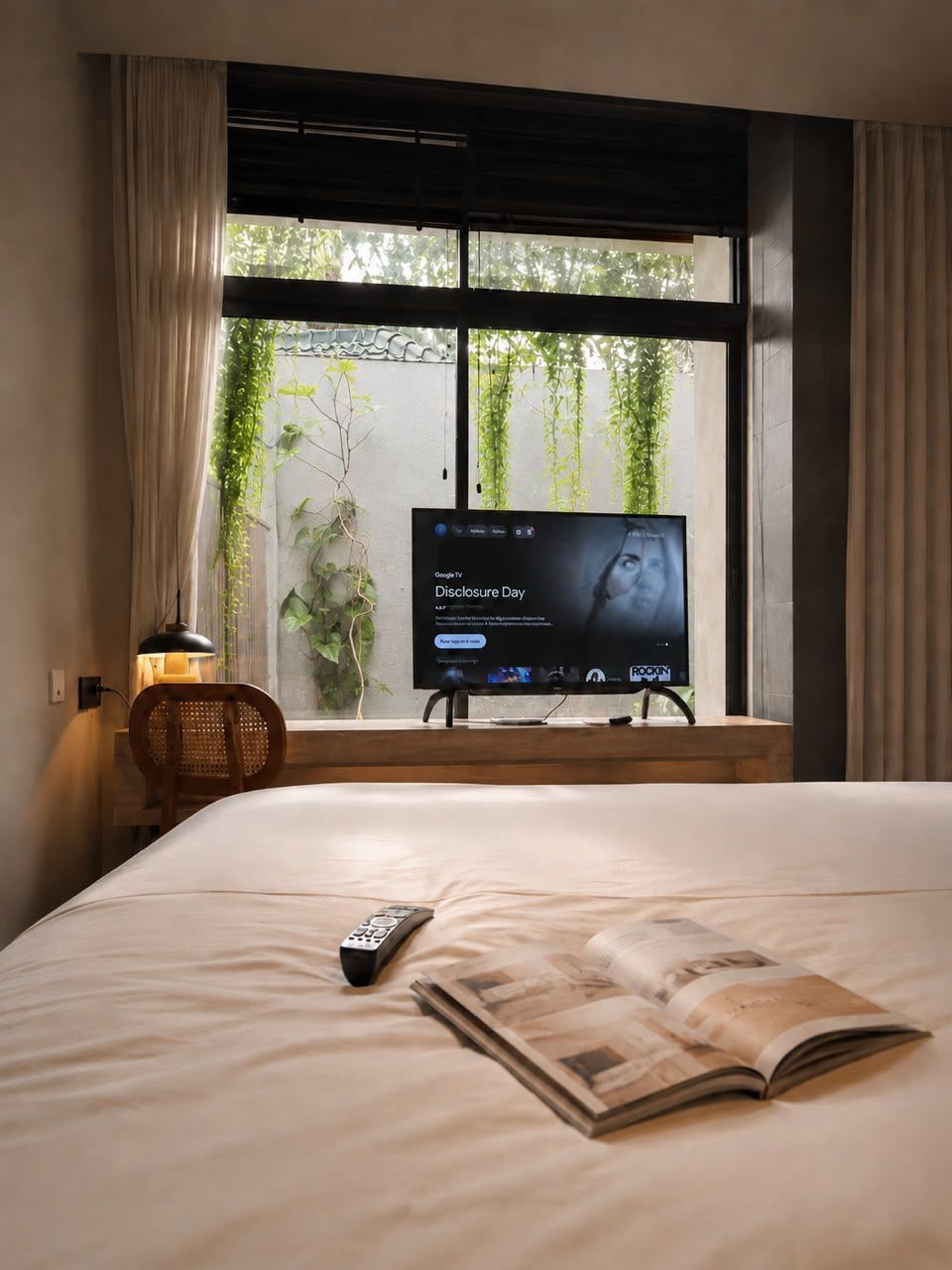
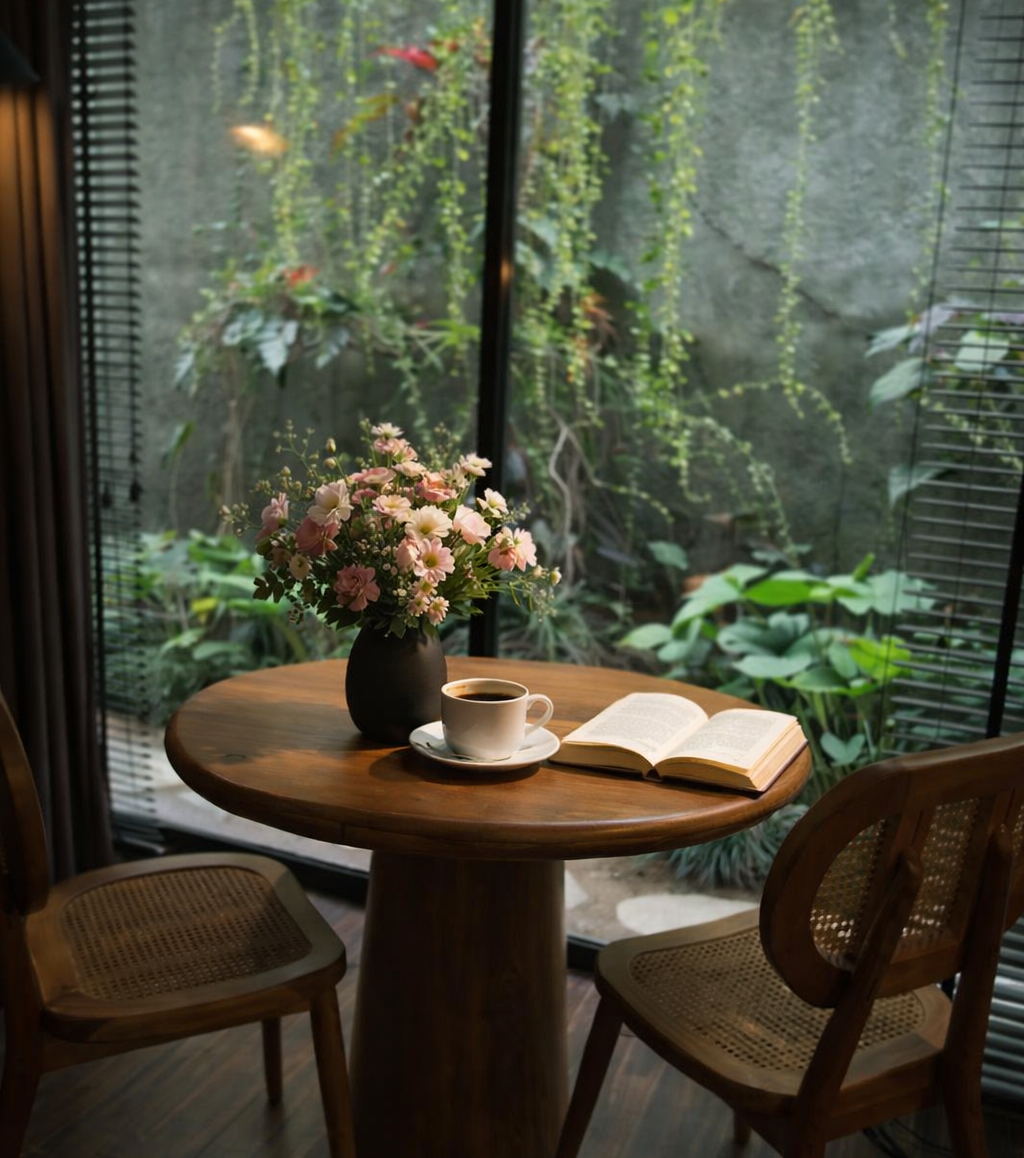
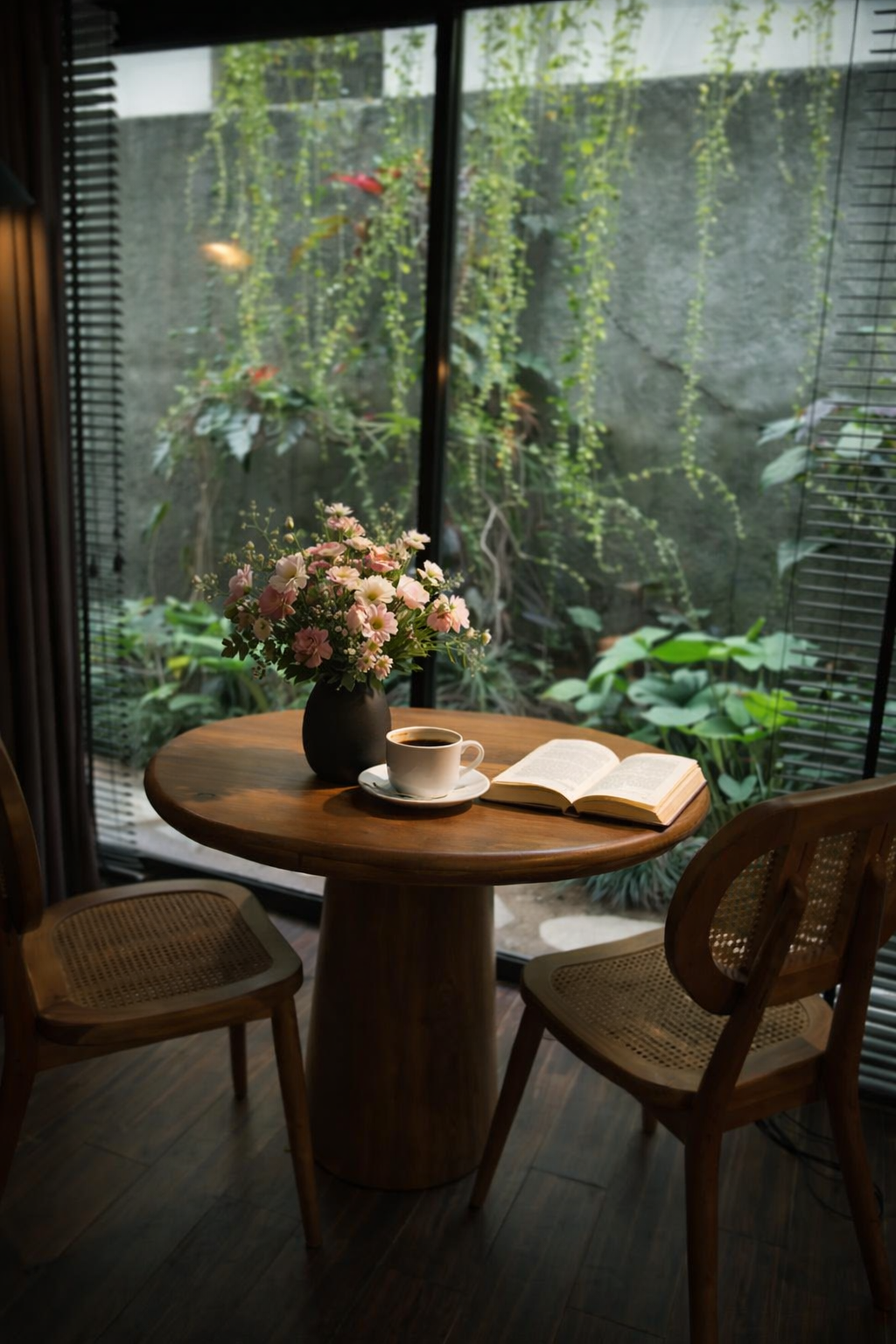
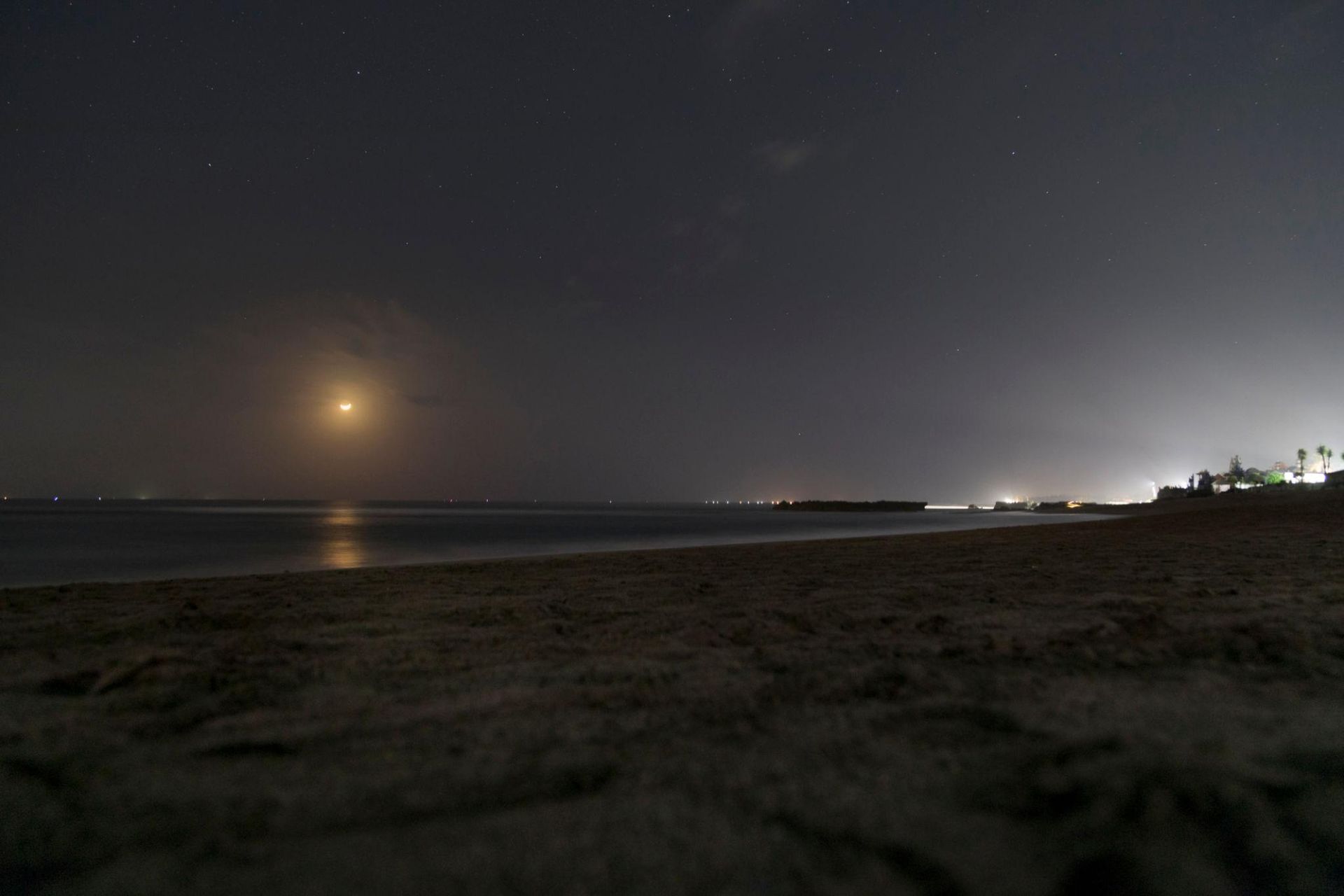
Quiet evenings in Bali feel different from quiet evenings at home because the environment itself changes the emotional quality of stillness. In daily life, evenings are often associated with unfinished responsibilities, stress from work, or preparation for the next day. Stillness at home can sometimes feel unproductive because the mind remains connected to routine and obligation. In Canggu, however, evenings carry a completely different atmosphere. The tropical air becomes cooler, movement outside gradually slows in certain areas, and there is a noticeable transition between the energy of the day and the calmness of night. This creates conditions where slowing down feels emotionally restorative rather than restrictive. Many travelers begin appreciating simple nighttime routines they would normally overlook—returning early after dinner, sitting quietly for a while before sleeping, or spending time inside without feeling pressure to continue the day. These moments often become surprisingly memorable because they allow the nervous system to finally settle after hours of stimulation. In destinations like Canggu, where social environments are highly accessible everywhere, quietness starts feeling less like “missing out” and more like intentional recovery. Travelers become more aware of how much emotional energy continuous activity actually requires. Over time, they begin valuing environments that allow them to disconnect comfortably rather than places demanding even more engagement after sunset. This emotional transition changes how evenings are experienced entirely. Instead of viewing quietness as emptiness, travelers begin recognizing it as part of what makes the trip feel balanced and sustainable
The Importance of Returning to a Calm Environment at Night
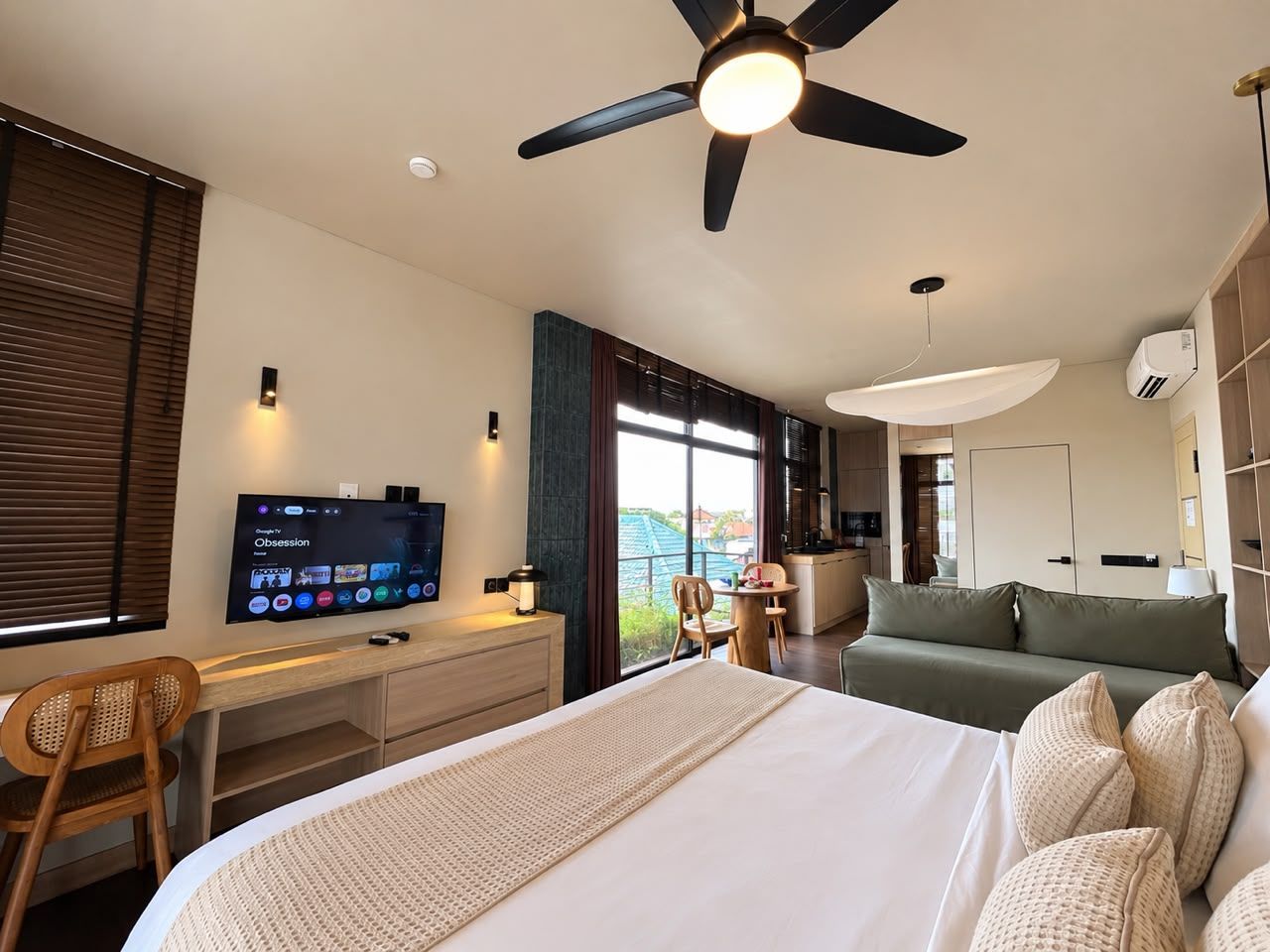
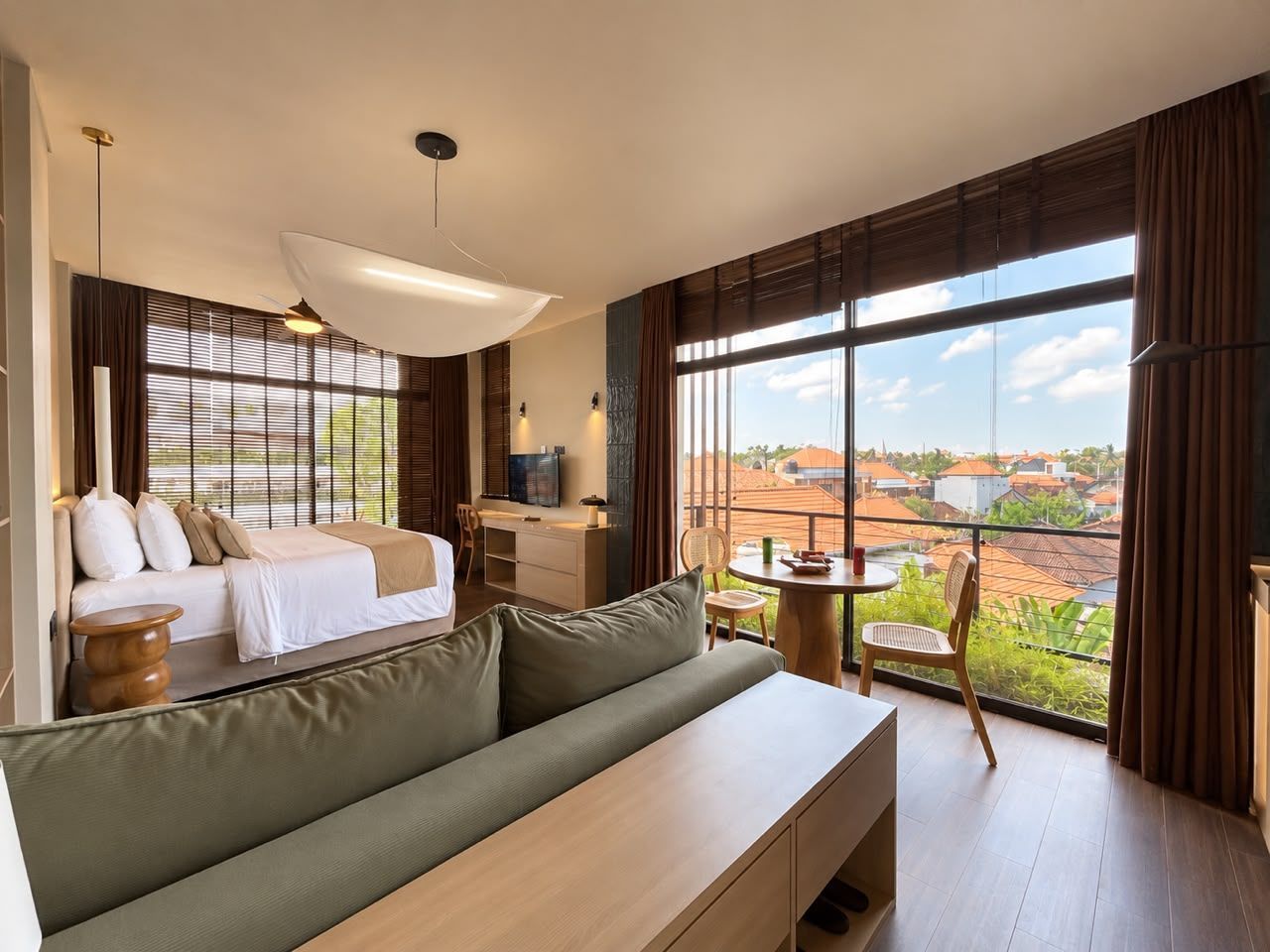
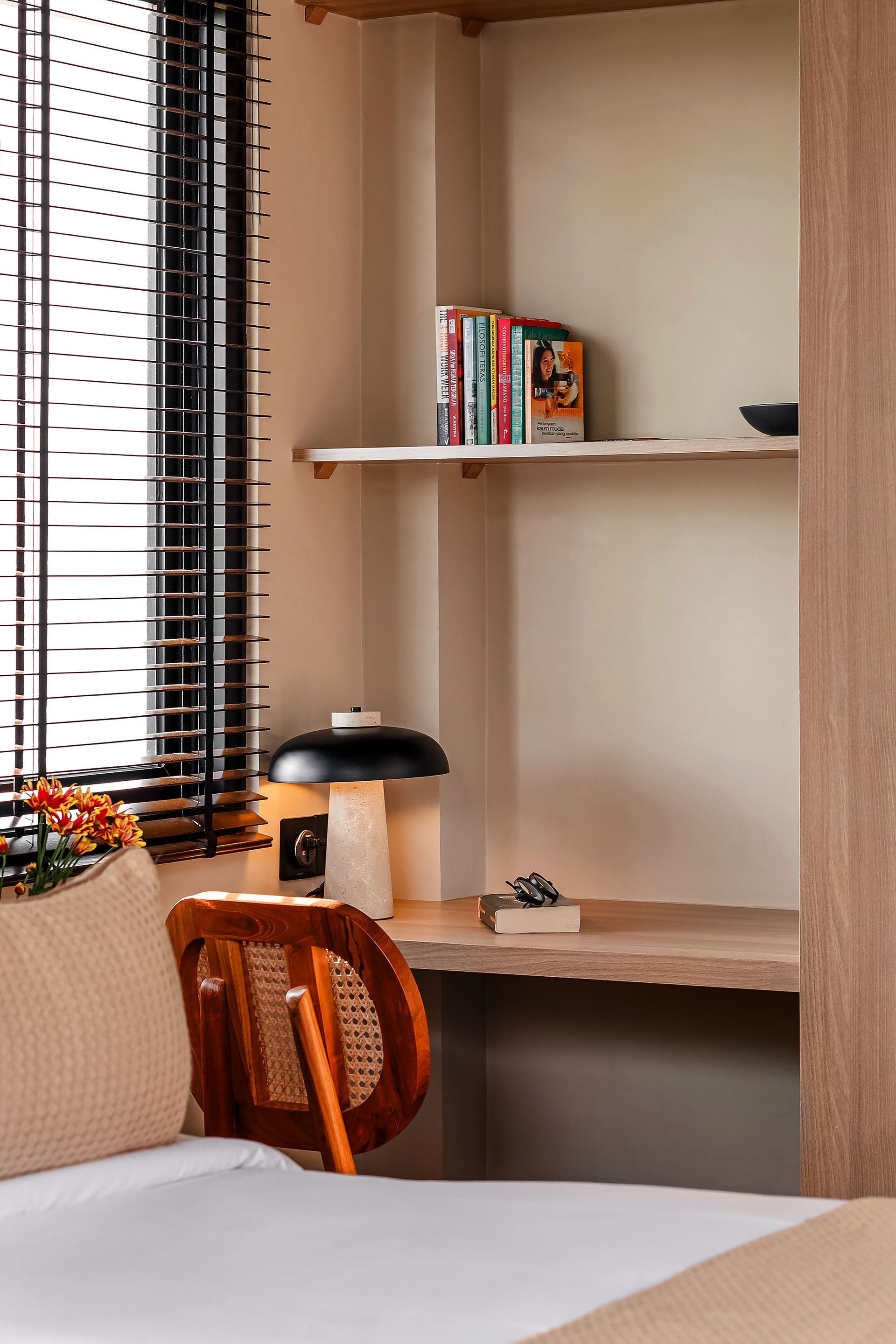
The atmosphere travelers return to each evening has a significant effect on how rested they feel overall during the trip. In highly active accommodations, stimulation rarely stops completely. Loud communal spaces, ongoing entertainment, crowded facilities, or continuous movement inside the property can make it difficult for the mind to fully shift into rest mode. Even if these environments initially seem exciting, they often extend the same level of energy travelers already experienced outside throughout the day. In contrast, calmer stays create emotional separation between the external environment and personal recovery time. At Aviator Bali, the quieter and simpler atmosphere supports this transition naturally. Since the property does not operate restaurants, nightlife spaces, or large-scale entertainment areas, evenings remain relatively calm and predictable. This consistency becomes increasingly valuable over longer stays because it allows guests to mentally decompress without needing to continue engaging socially after returning. The rooms provide privacy and comfort without excessive stimulation, creating an environment where guests can settle into slower nighttime routines comfortably. The kitchenette further supports this sense of independence because travelers can prepare drinks or simple meals quietly inside the room instead of feeling obligated to continue going out late. Even the swimming pool contributes to the calmer nighttime atmosphere by offering a peaceful environment rather than an entertainment-focused social space. Together, these elements help create evenings that feel emotionally restorative instead of overstimulating. Over time, travelers often realize that the quality of their nights directly shapes the quality of the entire trip because proper rest affects mood, energy, and overall emotional balance throughout the following days.
Why Slower Nights Often Create Better Balance During Travel
One of the biggest misconceptions about travel is the idea that every part of the day should be equally active in order for the experience to feel complete. In reality, balance is often what determines whether a trip feels sustainable or exhausting. In Bali, particularly in Canggu, days already involve a significant amount of stimulation—moving between locations, navigating traffic, making constant decisions, socializing, and adapting to changing environments. Without quieter periods to balance this activity, the nervous system never fully relaxes. This is why slower evenings become so important emotionally. They create space for reflection, recovery, and mental stillness that allows the rest of the trip to feel more enjoyable. At Aviator Bali, the calm environment naturally supports this slower rhythm because there are no crowded evening activities or schedules demanding attention after guests return. Travelers are free to shape their evenings according to how they actually feel instead of following expectations about what they “should” be doing in Bali at night. Some evenings may involve exploring Canggu’s nightlife and social atmosphere, while others may naturally become quieter and more restful. Because the environment inside the property remains stable and uncomplicated, guests can move between these different experiences without emotional pressure. Over several days, this flexibility often changes how travelers experience Bali entirely. The trip starts feeling less rushed and more emotionally balanced because there is finally enough space between activities for genuine recovery to happen.
Why Travelers Often Remember the Calmest Nights Most Clearly
Long after travelers leave Bali, many discover that the evenings they remember most clearly were not necessarily the loudest or busiest ones. Instead, the strongest memories often come from quieter moments—the feeling of finally slowing down after a long day, returning to a calm room, sitting peacefully for a while before sleeping, or simply experiencing the softer atmosphere of Bali at night without needing to constantly chase activity. In places like Canggu, where there is endless opportunity for stimulation and entertainment, these calmer experiences become emotionally valuable because they create contrast against the busy energy outside. Staying at Aviator Bali supports this kind of balance by offering a simple and peaceful environment where guests can fully disconnect when they choose to. With private rooms, kitchenettes, and a swimming pool, travelers have the flexibility to create nighttime routines that feel natural and restorative instead of socially demanding. There are no loud distractions, crowded entertainment spaces, or fixed evening schedules interrupting the atmosphere, allowing quietness itself to become part of the experience. In the end, many travelers eventually realize that the most meaningful nights in Bali are not always the ones filled with the most activity, but the ones where they finally felt calm enough to fully enjoy doing less.