



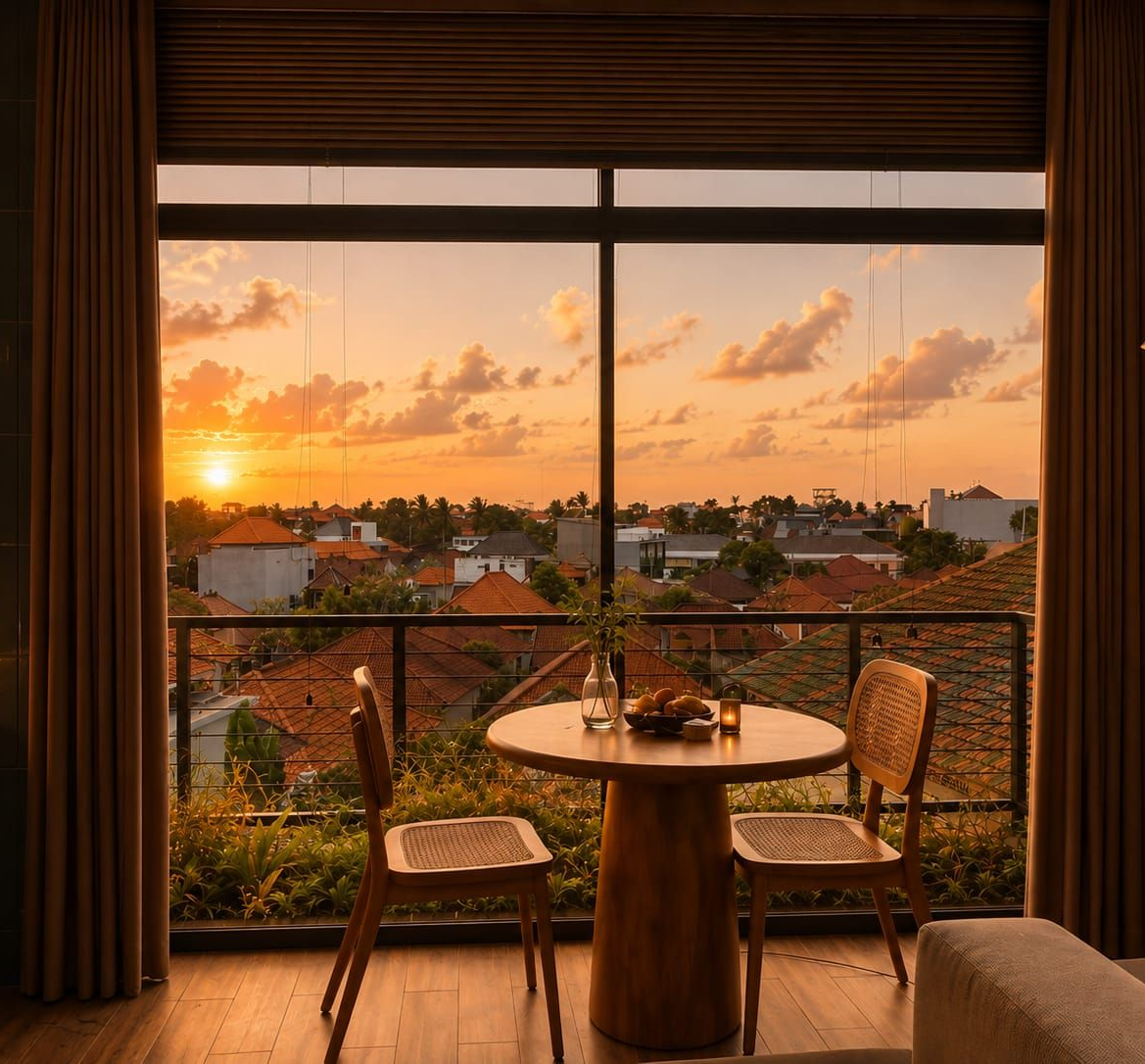
Why Bali Is a Place Where People Come to Start Over

A New Chapter Doesn't Always Need a New Life—Sometimes It Just Needs a New Place
There is a particular kind of traveler who arrives in Bali without necessarily knowing exactly what they are looking for. They may not be searching for a famous attraction, a perfect beach, or even a traditional vacation. Sometimes they arrive because they simply need a change of scenery. After months or years of following the same routine, waking up in the same room, taking the same route to work, having the same conversations, and repeating the same responsibilities, the idea of being somewhere completely different can feel like pressing a reset button. Bali has become one of those places where people naturally allow themselves to imagine a different version of life. This does not necessarily mean abandoning everything or making dramatic decisions. Often, starting over begins with something much smaller: waking up in a new environment, meeting different people, discovering unfamiliar streets, and realizing that your identity does not have to be permanently connected to the routines you have always followed. At home, people are surrounded by reminders of who they have been. Their workplace knows them as a certain person. Friends and family remember old versions of them. Their neighborhood is filled with familiar places and memories. Even their daily schedule reinforces the same identity. Travel temporarily removes many of those reminders. In Bali, nobody knows what time you normally wake up, what your usual breakfast looks like, how stressful your job has been, or how many responsibilities you have been carrying. You are simply another person walking down a tropical street, ordering coffee, exploring a beach, or sitting beside a pool. That anonymity can be surprisingly liberating. It creates space for reflection because there is less pressure to behave according to expectations. Perhaps this is why so many people describe Bali as a place where they "found themselves," even though they technically traveled there to escape their normal environment. The island gives people permission to ask questions they may have been avoiding: What kind of life actually makes me happy? What do I want my mornings to feel like? Who do I want to spend more time with? What am I doing simply because I have always done it? What would happen if I slowed down? These questions do not necessarily need immediate answers. Sometimes the value lies simply in asking them. Bali becomes a temporary space between the life someone has been living and the life they may want to create next. It is not necessarily about becoming a completely different person. Instead, it can be about remembering parts of yourself that became quiet beneath responsibilities, expectations, and routine. A traveler may discover that they enjoy mornings more than late nights, nature more than crowded entertainment, meaningful conversations more than constant social activity, or creative work more than the career path they once assumed was permanent. None of these discoveries need to become dramatic life changes immediately. They can simply become seeds planted during a journey. And when the traveler eventually returns home, those seeds may influence small decisions that gradually create a different future. In this way, Bali becomes more than a destination. It becomes a temporary space where people can imagine what comes next.
Why Changing Your Environment Can Change the Way You See Yourself
One of the most powerful aspects of travel is the separation it creates between a person and their usual environment. At home, behavior is heavily influenced by context. People wake up in familiar rooms, interact with familiar colleagues, shop at familiar stores, and follow routines that have been repeated hundreds of times. These environments create invisible patterns that can be difficult to recognize because they feel normal. A person may believe they are naturally stressed, constantly busy, or unable to slow down, when in reality their environment continuously reinforces those behaviors. Changing the environment doesn't automatically solve these problems, but it creates enough distance to see them more clearly. Bali offers an especially strong contrast because the surroundings are so different from many travelers' everyday environments. Tropical weather, open-air spaces, local ceremonies, ocean views, greenery, and a culture that incorporates spirituality and community into daily life provide a completely different context for thinking. Even something as simple as walking outside in the morning can feel like a new ritual. Instead of immediately entering a car or public transportation, travelers may find themselves walking to a nearby café or simply standing outside enjoying the fresh air. These small changes can reveal preferences that were hidden beneath old routines. Someone who always believed they hated mornings might discover they actually love mornings when they are not rushing to work. Someone who thought they needed constant entertainment might discover they enjoy quiet afternoons. Someone who believed they were too busy to exercise may realize they simply needed an environment where walking felt enjoyable rather than obligatory. The important thing is that Bali doesn't necessarily create these preferences—it reveals them. Travel removes some of the barriers that normally prevent people from experimenting with different ways of living. This is especially powerful during longer stays because the experience moves beyond tourism and begins resembling everyday life. After a week or two, travelers may stop feeling like visitors and start developing routines. They know where to get their morning coffee. They recognize familiar streets. They have a favorite place to watch the sunset. They begin greeting people they have seen several times. This familiarity creates an unusual combination: the comfort of routine without the limitations of an old routine. That feeling can be incredibly valuable for someone who is trying to understand what they want their future to look like. They can test different versions of daily life without making permanent commitments. Perhaps they discover that they would enjoy living somewhere tropical for part of the year. Perhaps they realize they need more flexibility in their work. Perhaps they simply learn that they want to protect more time for themselves. These realizations can become the beginning of meaningful changes once they return home.
Canggu and the Appeal of Living Somewhere That Feels Temporary
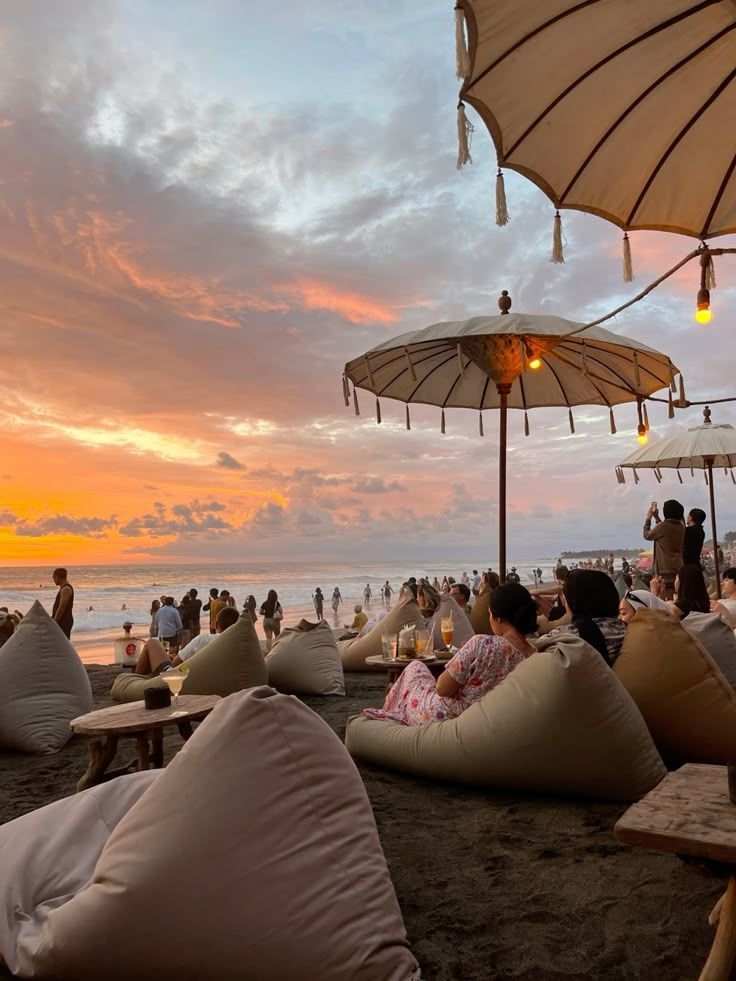
There is a unique energy in Canggu that makes it particularly interesting for travelers who are looking for a change in perspective. The neighborhood has developed into a meeting point for people from different countries, backgrounds, and lifestyles. Some are visiting for a few days, others are staying for several weeks, while some have chosen to build a temporary life in Bali for months or longer. This creates an atmosphere where the idea of "normal" becomes flexible. Walking through Canggu, it is possible to encounter a surfer heading toward the beach, a remote worker taking a laptop into a café, a couple searching for dinner, a local family continuing their daily routine, a fitness enthusiast returning from a workout, and a traveler who has no idea what they will do tomorrow. Everyone is moving at a slightly different pace, yet they share the same environment. For visitors, this can be refreshing because it demonstrates that there is no single correct way to structure a life. People can work differently, socialize differently, spend their mornings differently, and define success differently. This diversity of lifestyles often inspires travelers to reconsider their own assumptions. Perhaps success doesn't have to mean working longer hours. Perhaps a good day can include both productivity and relaxation. Perhaps work can happen from a café overlooking tropical greenery rather than from an office. Perhaps exploring a new neighborhood on a weekday afternoon can be just as valuable as waiting for the weekend. Canggu's appeal is not simply its cafés, beaches, or restaurants. Its deeper attraction lies in the feeling that different ways of living are possible. Travelers can observe these possibilities without immediately committing to them. They can imagine themselves living differently while still having the freedom to return home and decide what actually fits their lives. This temporary nature makes the experience particularly powerful. You don't need to know whether Bali is your permanent home. You only need enough time to experience what it feels like to live differently.
Aviator Bali as a Comfortable Base for a New Chapter
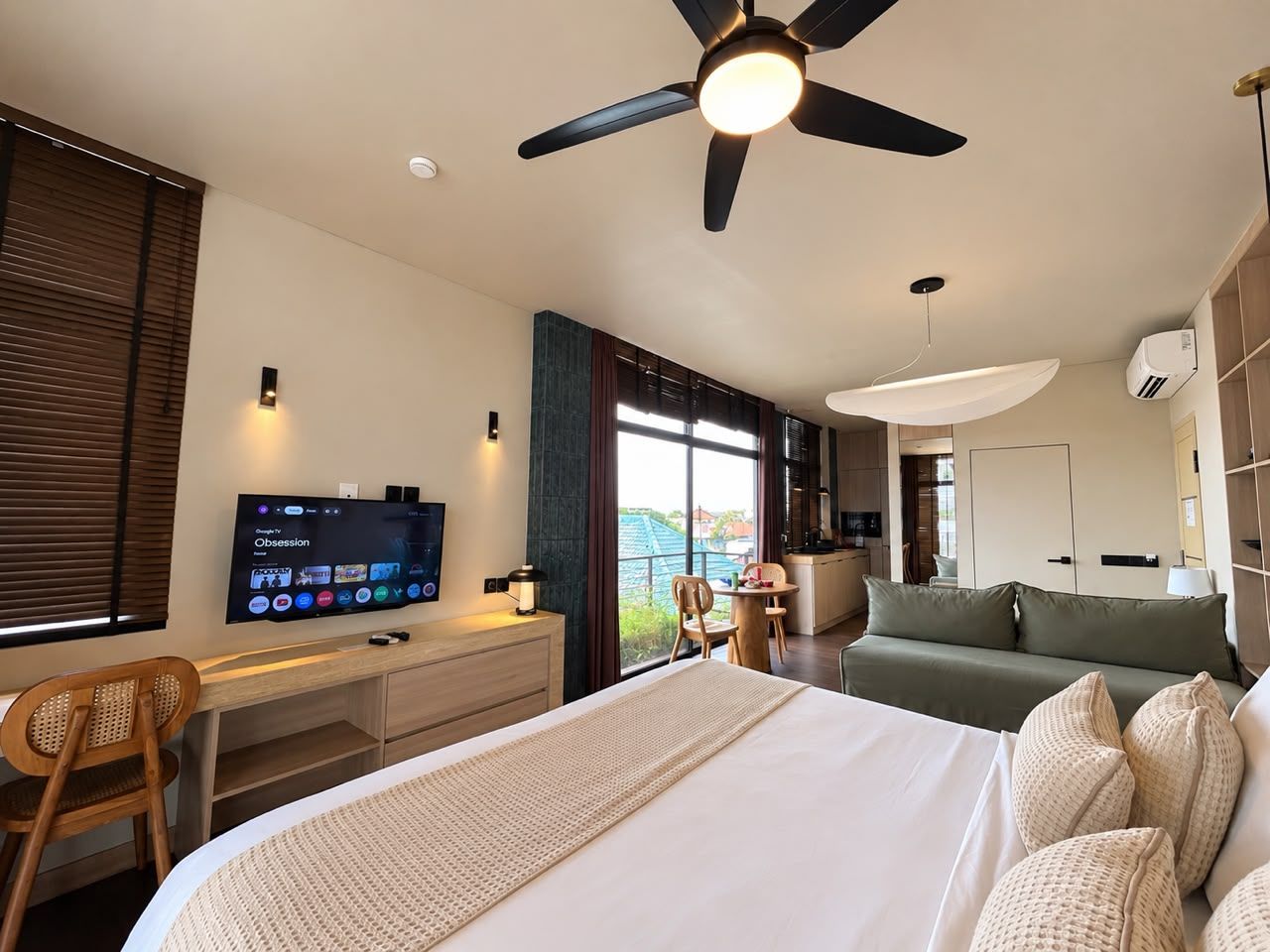
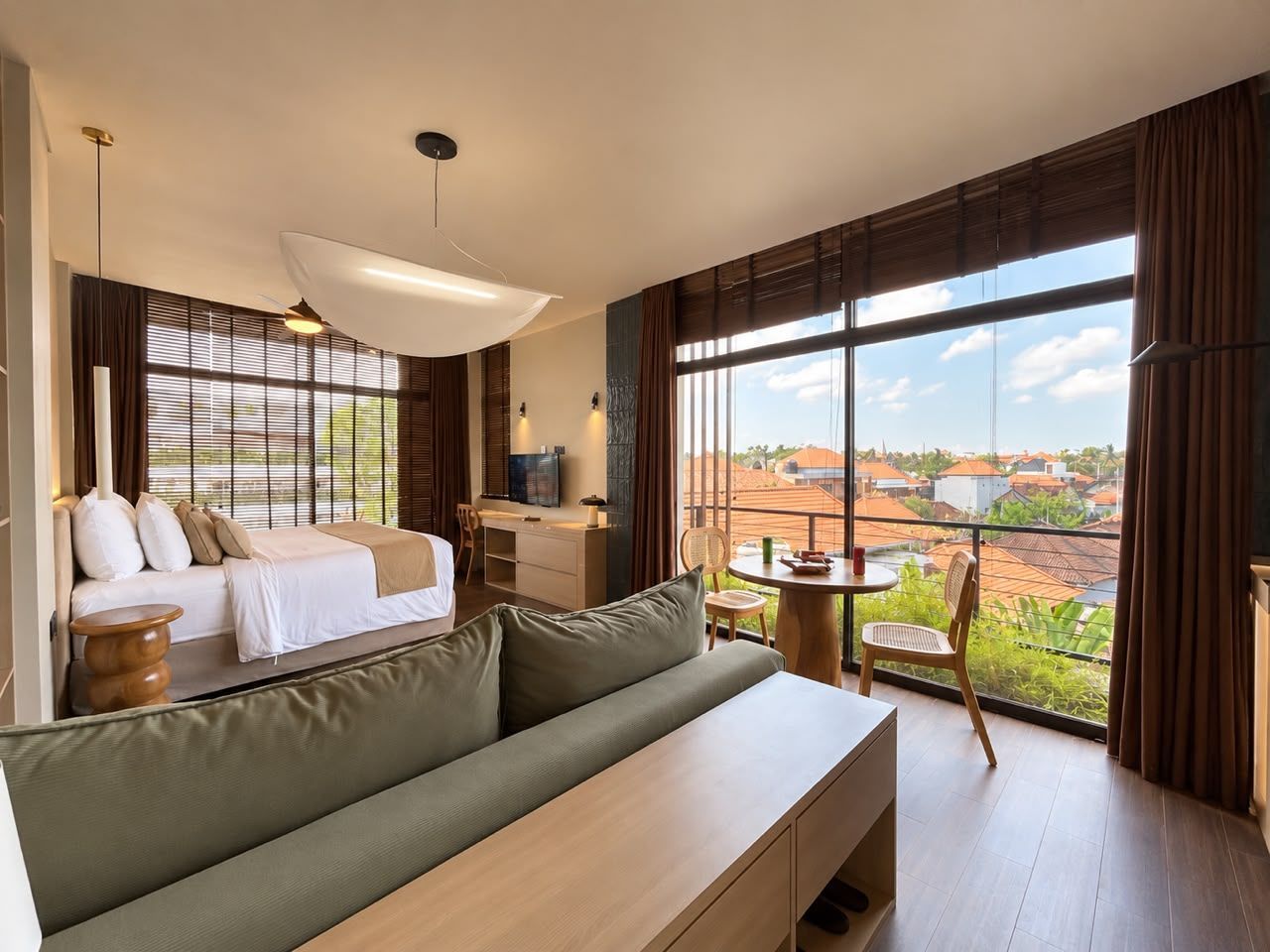
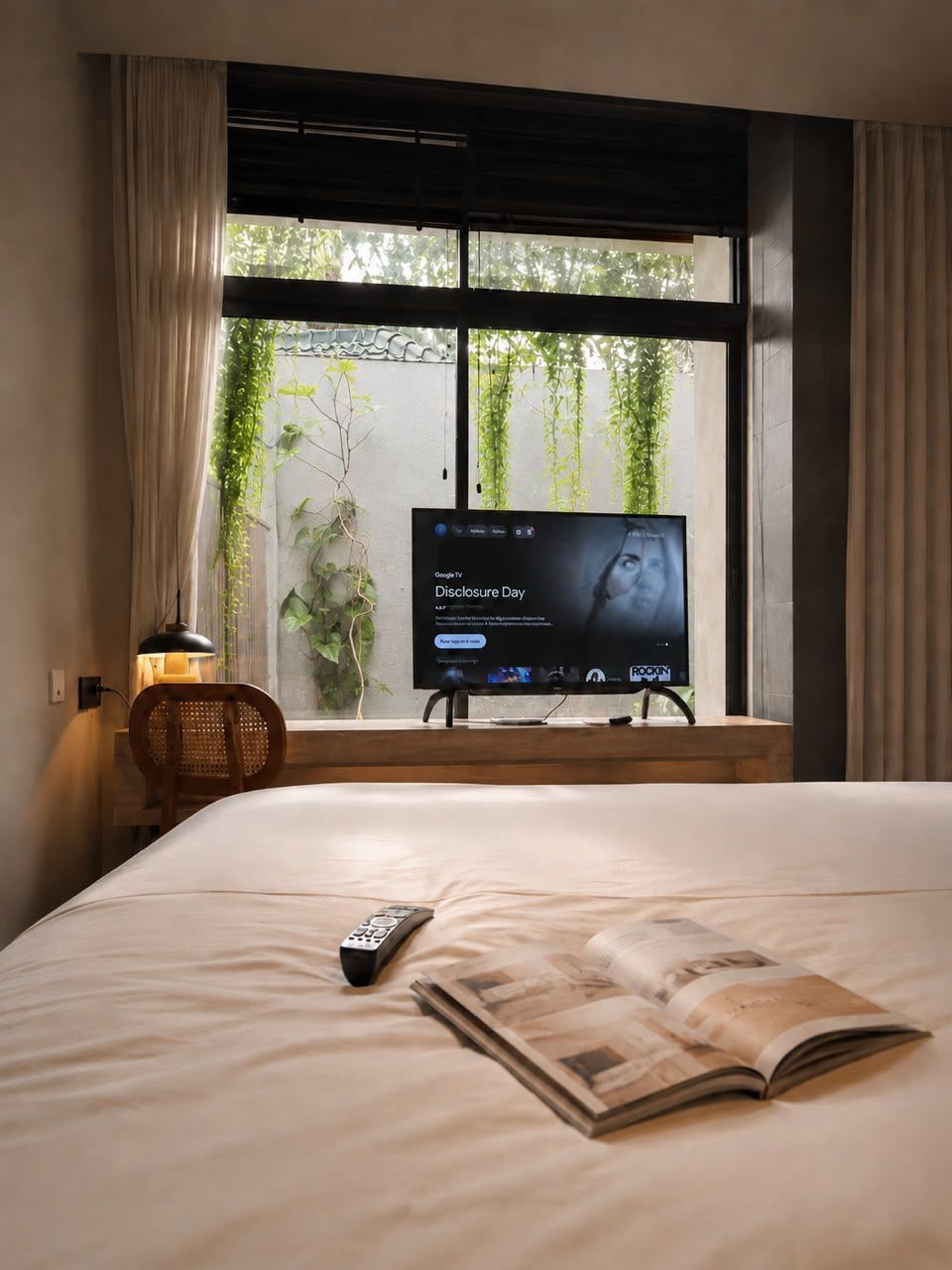
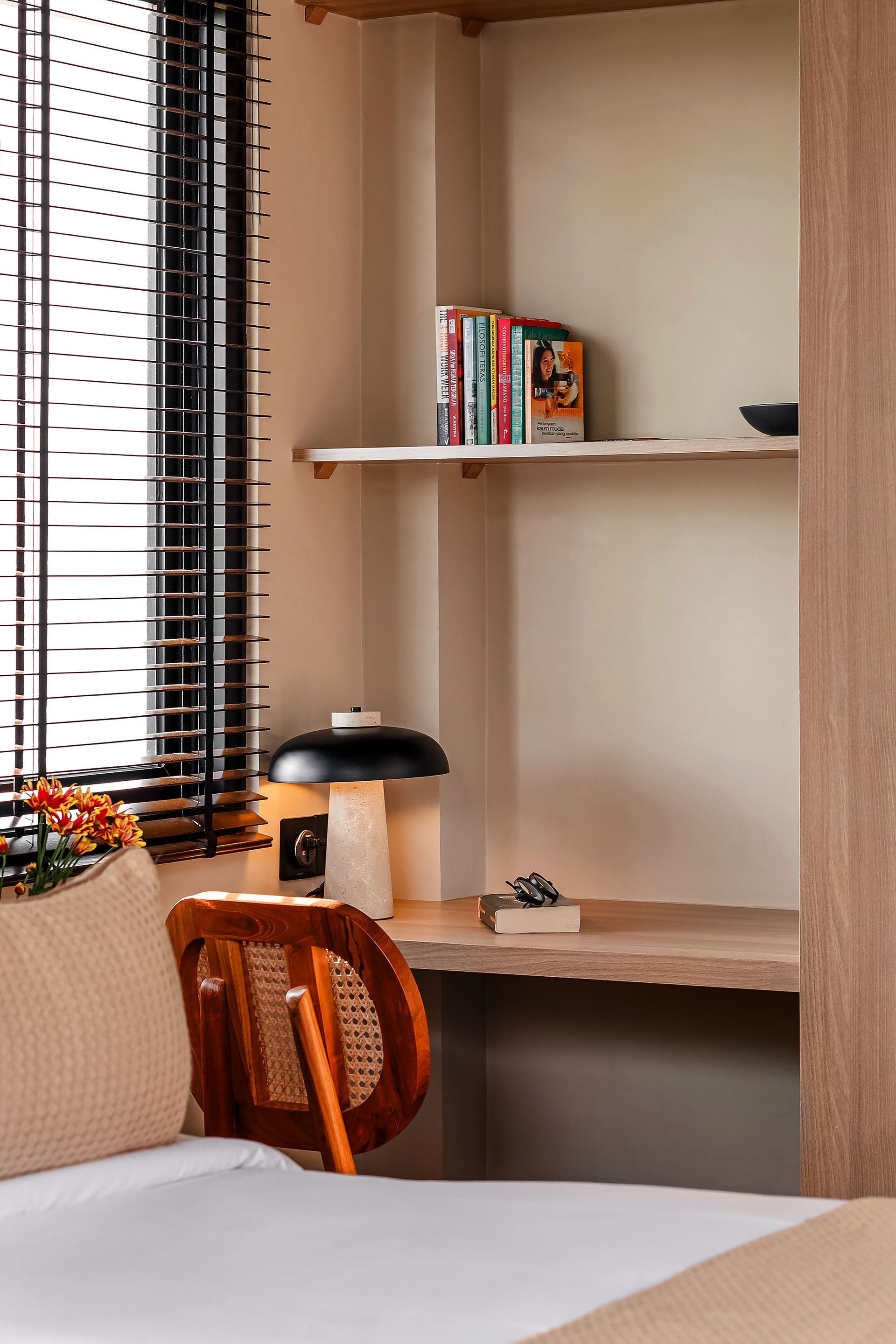
For travelers who are staying in Bali because they want more than a short holiday, accommodation becomes especially important. A place to stay needs to feel comfortable enough to support everyday life rather than simply provide somewhere to sleep between sightseeing activities. At Aviator Bali, guests can create their own rhythm while enjoying the flexibility of a semi-apartment environment in Canggu. Having a private kitchenette makes everyday routines easier, whether someone wants to prepare coffee in the morning, enjoy a simple breakfast, or have something light in the evening without needing to leave the property. The swimming pool provides a natural place to take a break during the day, while comfortable rooms offer a private space for work, reading, planning, or simply relaxing after exploring the neighborhood. This flexibility is particularly valuable for long-stay guests, remote workers, couples, and travelers who are not interested in rushing through a traditional holiday itinerary. Instead of feeling like they are constantly living out of a suitcase, guests can gradually create familiar routines. They can discover their favorite nearby café, establish a preferred morning schedule, explore Canggu at their own pace, and return to a place that feels increasingly familiar. This sense of temporary home can be important for anyone going through a period of transition. When everything else feels uncertain, having one comfortable place to return to creates stability. The room becomes more than accommodation—it becomes the base from which a new routine is explored. Some guests may spend their mornings working, afternoons exploring, and evenings relaxing. Others may use the property as a peaceful retreat between adventures. The important part is that there is no single way to experience it. The flexibility allows each person to create a lifestyle that reflects their own needs. For someone considering a longer stay in Bali, this can make the transition feel much easier. Instead of immediately trying to build an entirely new life, they can begin with a temporary chapter, experiment with different routines, and gradually understand what they want next.
Starting Over Doesn't Mean Running Away
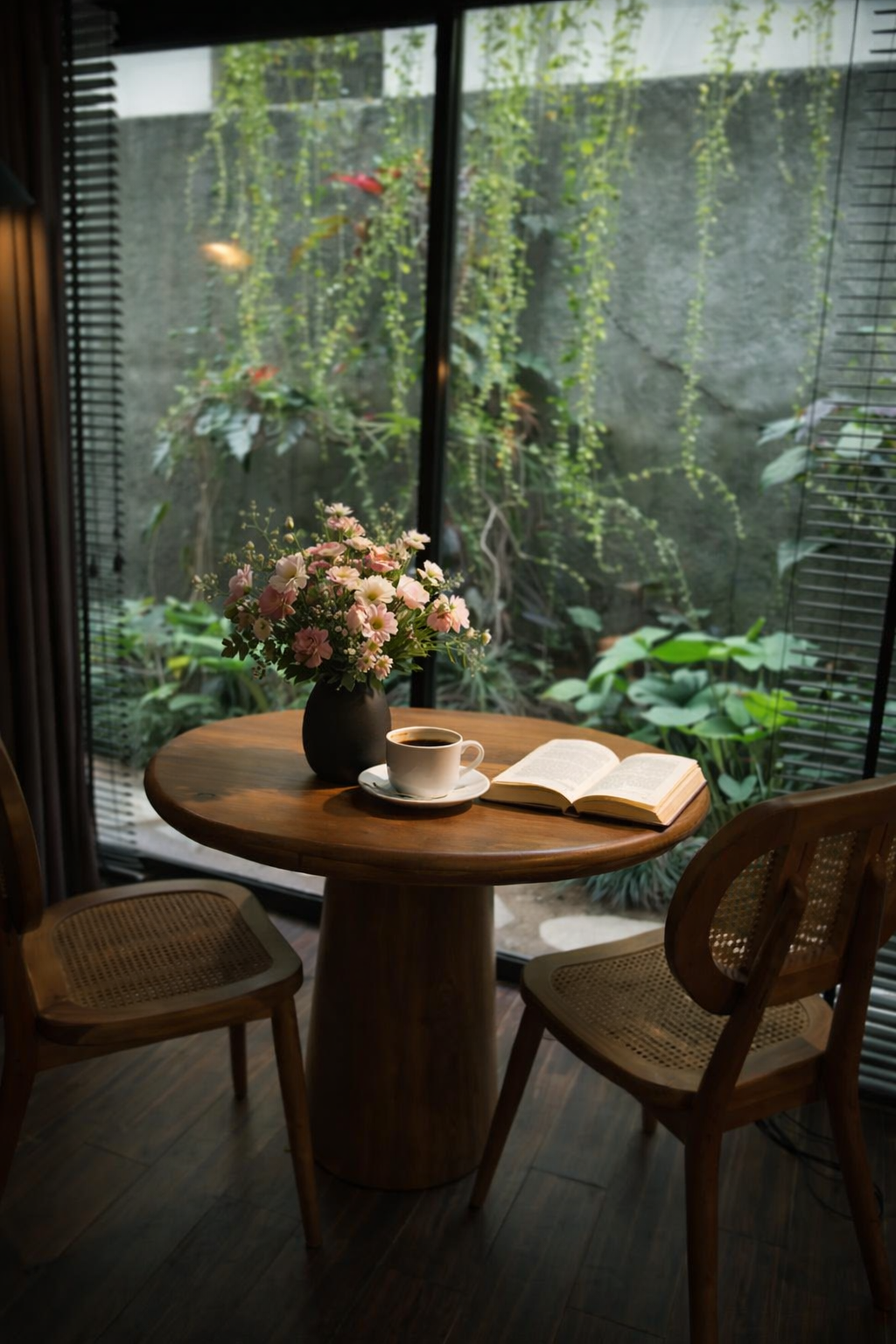
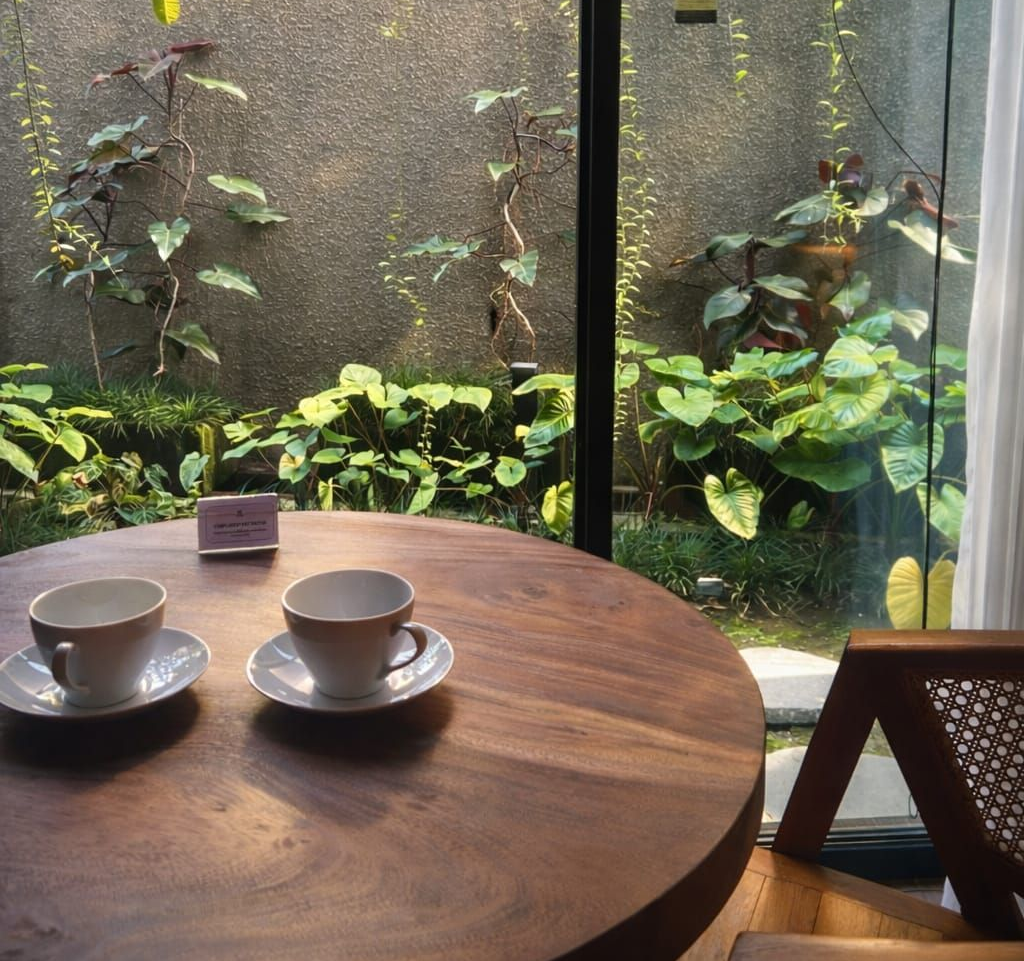
There is an important difference between escaping from something and moving toward something. Travel is sometimes described as running away from problems, but a change of environment can actually provide the perspective needed to understand those problems more clearly. Bali cannot magically solve someone's responsibilities, relationships, career challenges, or personal questions. What it can provide is distance. That distance can make it easier to think without constantly reacting. When the usual distractions become quieter, travelers can examine their lives with greater honesty. They may realize they don't actually need to completely change everything. Perhaps they simply need better boundaries around work. Maybe they need more time outdoors. Perhaps they need to reconnect with friends, spend more time with family, or return to a creative hobby they abandoned years ago. Sometimes the answer is even simpler: they need permission to prioritize themselves occasionally. A new chapter does not always begin with a dramatic decision. It can begin with a single realization during an ordinary morning in Bali. A cup of coffee. A quiet walk. A conversation with a stranger. A sunset watched without checking a phone. A moment beside the pool when there is finally enough silence to hear your own thoughts. These small experiences can become turning points because they create awareness. Once you understand what you want, change becomes easier to imagine. And perhaps that is the real reason Bali has become such a powerful destination for people seeking a new beginning. The island doesn't tell you who to become. It simply gives you enough space to discover who you might want to be. Whether you stay for a few days, several weeks, or longer, the experience can become a reminder that life is not necessarily a fixed path. Routines can change. Priorities can evolve. New possibilities can appear. Sometimes, all it takes is stepping outside the environment that has defined you for long enough to realize that there are more options than you thought. And when you eventually return home, you may not return as a completely different person. You may simply return with a clearer understanding of what deserves to change—and what deserves to stay.