



The Beauty Between the Destinations: Discovering the Small Moments You Notice When Exploring Bali
Bali Is Not Only About Where You Go, but Everything You Notice Along the Way
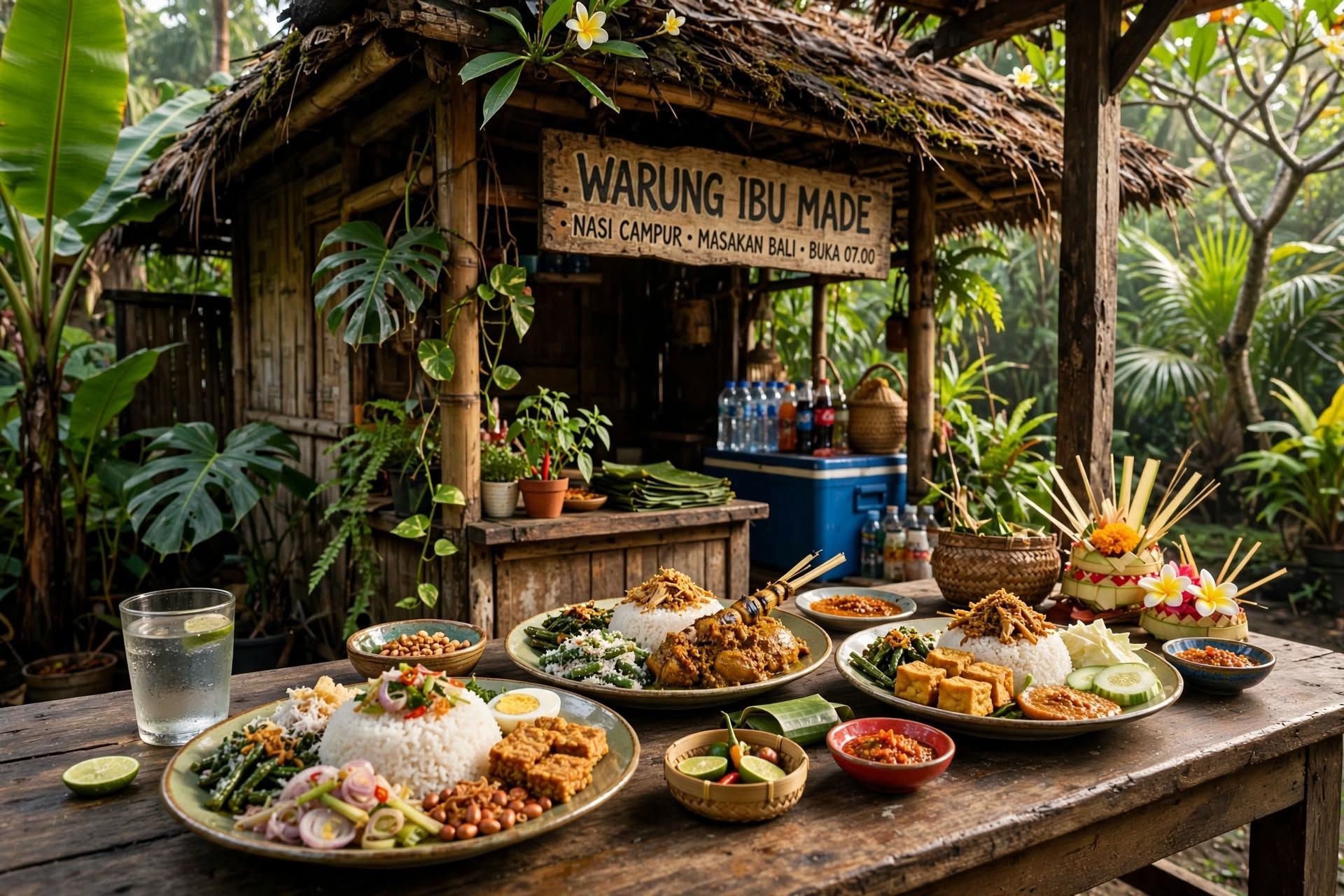
When people plan a holiday to Bali, they usually think in terms of destinations. They create lists of beaches they want to visit, restaurants they want to try, temples they want to photograph, cafés they want to discover, and attractions they want to experience before flying home. Travel planning naturally encourages this way of thinking because destinations are easy to organize. You can save them on Google Maps, add them to an itinerary, calculate driving times, and decide which places should be visited on the same day. But there is another part of traveling through Bali that is much harder to put into a schedule: everything that happens between the destinations. The short journey from your accommodation to breakfast. The narrow street you take because traffic has stopped on the main road. The rice field appearing unexpectedly behind a row of buildings. The small roadside warung that catches your attention because several local residents are having breakfast there. The sound of a temple ceremony somewhere nearby. A group of children cycling home after school. A farmer working in a field while modern villas rise in the distance. A tiny flower offering carefully placed beside a shop entrance. These moments are not usually included in travel guides because they are not technically "attractions." Yet they often provide a much more authentic understanding of what a place actually feels like. Canggu is particularly interesting because its landscape constantly shifts between modern and traditional. A street can contain specialty coffee shops, boutique stores, contemporary architecture, and international restaurants, while only a few meters away there may be a small temple, traditional Balinese home, rice field, or family-run warung. This mixture creates an environment where simply moving through the neighborhood becomes part of the travel experience. Travelers who only focus on reaching the next destination can easily miss these details. But those who slow down and pay attention begin to realize that Bali is not simply a collection of famous locations connected by roads. The roads themselves tell stories. The buildings tell stories. The people going about their daily routines tell stories. Even the spaces that appear empty can reveal something about how Bali is changing. This is one of the most fascinating aspects of traveling around the island: the destination is constantly present, even when you are not standing at a famous viewpoint or tourist attraction. Sometimes, the most memorable part of a day is not the place you eventually reached but something you noticed while getting there. Perhaps it was the morning sunlight reflecting across a rice field, the smell of freshly prepared food from a neighborhood kitchen, or the unexpected quietness of a small lane just a few minutes away from a busy tourist street. These details are easy to overlook because they do not demand attention. They simply exist. And perhaps that is exactly what makes them special. In a world where travelers are increasingly guided toward specific places by algorithms and social media, there is something refreshing about experiencing a destination through curiosity rather than a checklist. Bali rewards people who look beyond the obvious because its character is often hidden in the spaces between the places everyone already knows.
The Streets of Bali Are Part of the Experience, Not Just a Way to Get Somewhere
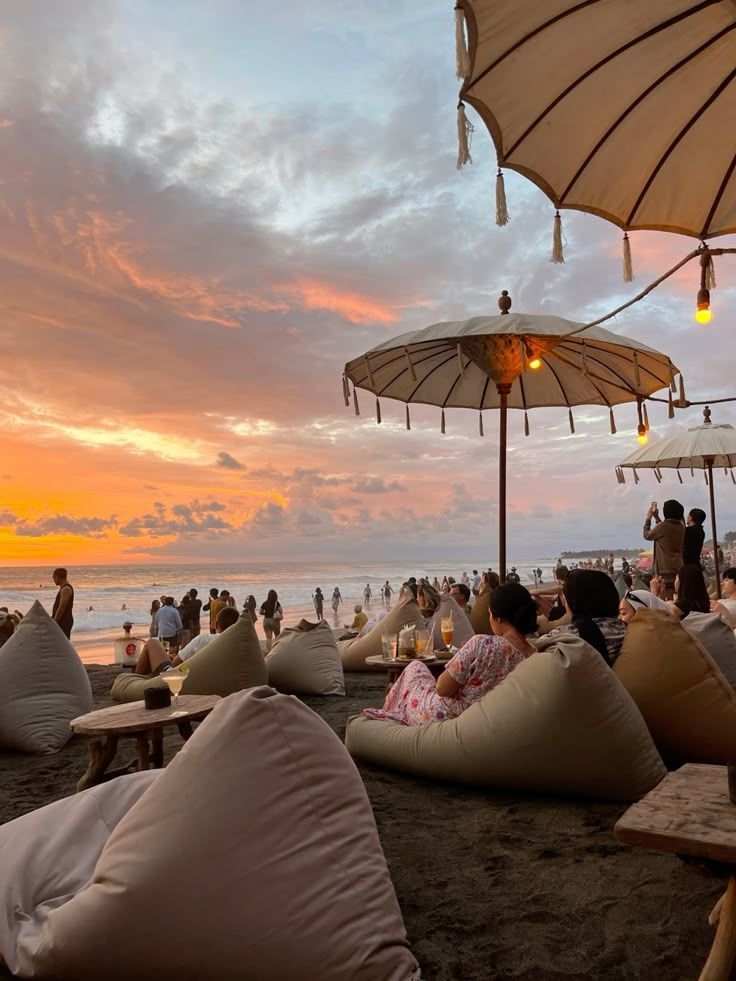
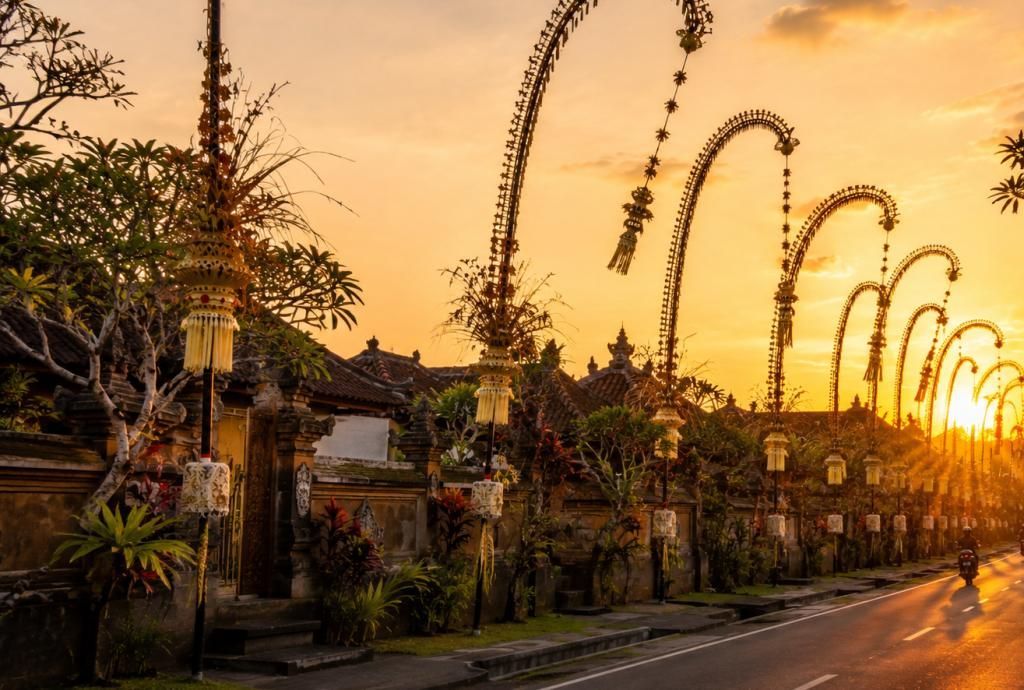
One of the easiest ways to understand a destination is to pay attention to its streets. Streets reveal how people actually live because they connect homes, businesses, temples, markets, schools, cafés, rice fields, and community spaces. In Bali, the experience can change dramatically within just a few minutes of traveling. A busy road filled with scooters and cafés may suddenly become a quieter residential lane shaded by tropical trees. A modern building may stand directly beside a traditional compound. A row of international restaurants may lead to a small local warung where the menu has barely changed for years. These contrasts are not necessarily unusual to residents, but for visitors they can become fascinating glimpses into the island's evolving identity. Canggu provides an especially clear example of this transition. The area has developed rapidly, yet patches of its older landscape remain visible between newer buildings. Rice fields still appear in certain areas, while traditional homes and temples continue to exist alongside modern accommodation and businesses. Current travel guides similarly note that Canggu's remaining rice fields and quieter back lanes provide a different experience from the busier commercial streets, particularly around dawn and dusk. This makes simply exploring the neighborhood an experience in itself. You don't necessarily need to have a specific destination in mind. A short walk or ride can reveal a completely different atmosphere depending on the direction you take and the time of day. Early morning is particularly interesting because the streets are generally calmer, with local routines beginning before the busiest period of tourism. A recent local discussion about Canggu at 6 a.m. highlighted exactly this contrast, with residents and visitors describing the early hours as unusually peaceful compared with the later-day atmosphere. By afternoon, the same streets can feel completely different as cafés become active, traffic increases, and travelers move between beaches, restaurants, and accommodation. In the evening, another transformation occurs as restaurants begin filling, lights appear along the streets, and people move toward sunset locations. The physical street has not changed, but the experience has. This is why exploring Bali should not always be about reaching the fastest route from point A to point B. Sometimes taking the slower route can provide more memorable experiences. You may see a small shrine decorated with flowers, notice traditional architecture hidden behind a wall, discover a local food stall, or simply encounter a beautiful view that would never appear in an itinerary. Even research into urban environments has found that routes perceived as more beautiful or pleasant can provide a better experience than simply choosing the shortest possible route. In Bali, this idea feels especially relevant because the journey itself can be part of the destination. The road is not merely infrastructure. It is a moving window into everyday life.
The Interesting Places Are Sometimes the Ones That Don't Have a Name on Your Map
Modern travelers are increasingly dependent on maps, ratings, reviews, and recommendations. These tools are incredibly useful, especially when visiting an unfamiliar destination, but they can also create a strange limitation. Once every interesting location has been marked with a pin, travelers may begin assuming that anything without a pin is not worth seeing. Bali challenges that assumption. Some of the most charming experiences may happen in places that have no famous name, no Instagram location tag, and no long list of online reviews. It could be a quiet corner beside a rice field where you stop for five minutes because the view catches your attention. It could be a small neighborhood bakery you discover because you happen to smell freshly baked bread while passing by. It could be a local warung where you decide to eat because there are several residents sitting there. These places may never become major attractions, and they don't need to. Their value comes from being part of everyday life rather than being designed specifically for visitors. This is also where travelers can experience a different relationship with time. Instead of arriving somewhere with the expectation that it must be impressive, they encounter something naturally and decide for themselves whether it matters. A simple roadside scene can sometimes become more memorable than a highly photographed attraction because the discovery feels personal. It becomes your moment rather than an image you saw online before arriving. For travelers staying longer in Bali, these discoveries become even more meaningful. After several days, you begin recognizing the same streets and noticing changes in your surroundings. You might see the same shop owner preparing breakfast every morning, recognize a particular temple entrance, or discover how a rice field changes color throughout the growing cycle. The destination begins feeling less like a backdrop and more like a living environment. This is one reason longer stays can produce a very different relationship with Bali compared with short sightseeing trips. You stop asking, "What should I see?" and start asking, "What is happening around me?" That subtle shift changes everything. Instead of constantly searching for the next attraction, you become interested in the present environment. The island begins revealing itself through ordinary scenes. And because these moments are not heavily advertised, they often feel more genuine and personal. They remind travelers that not every experience needs to be famous to be valuable.
A Stay in Canggu Can Become the Starting Point for Exploring the Spaces Between
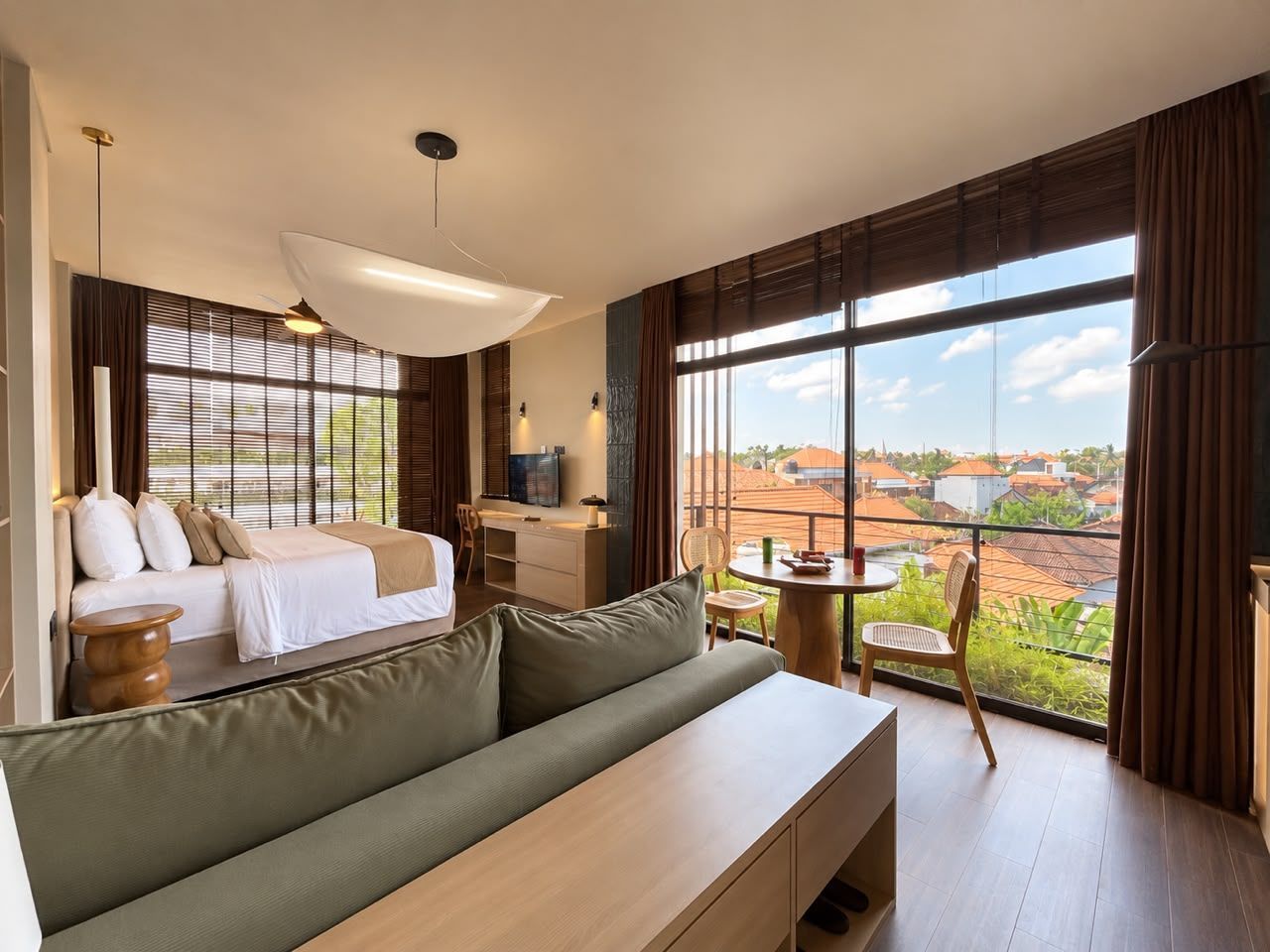
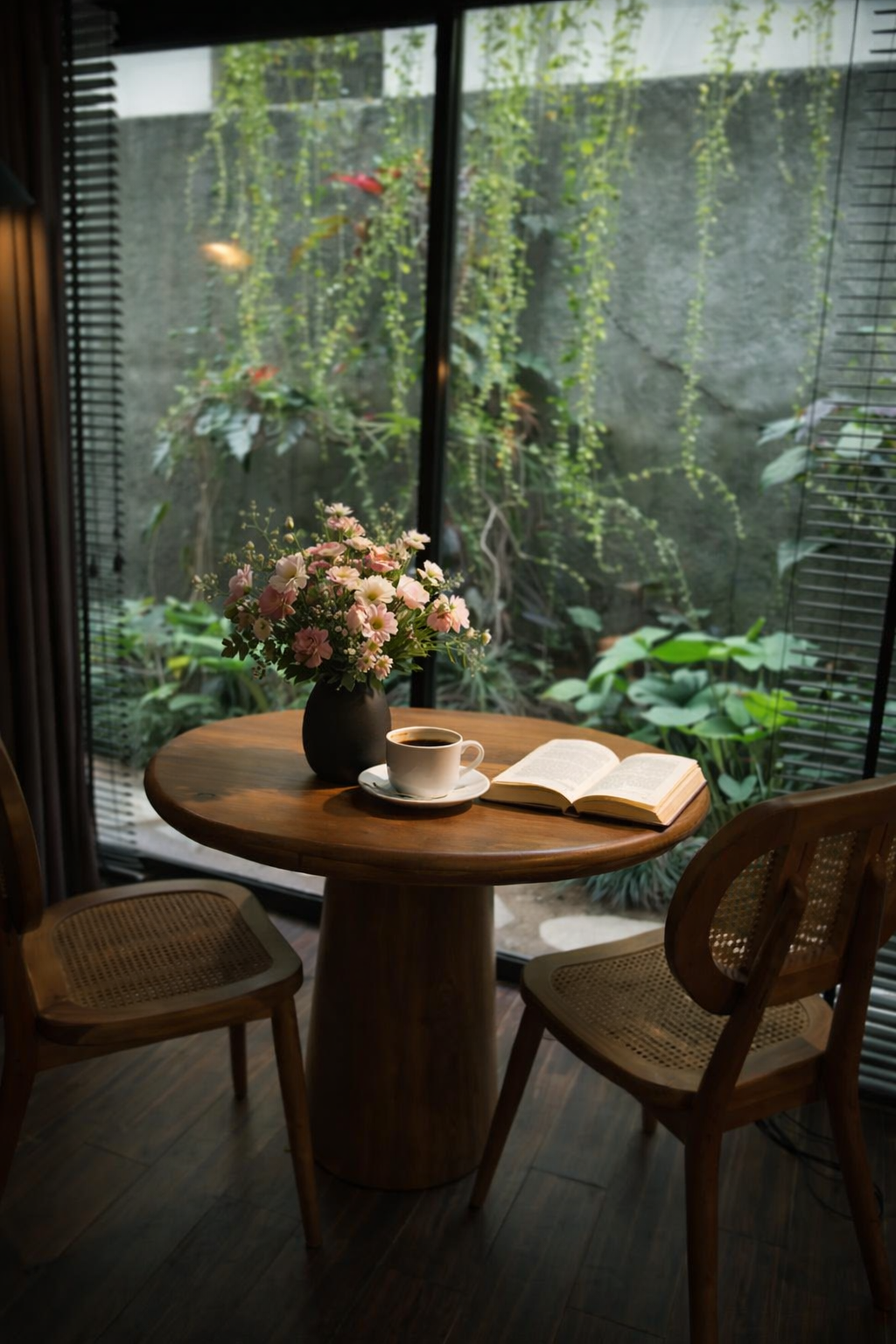
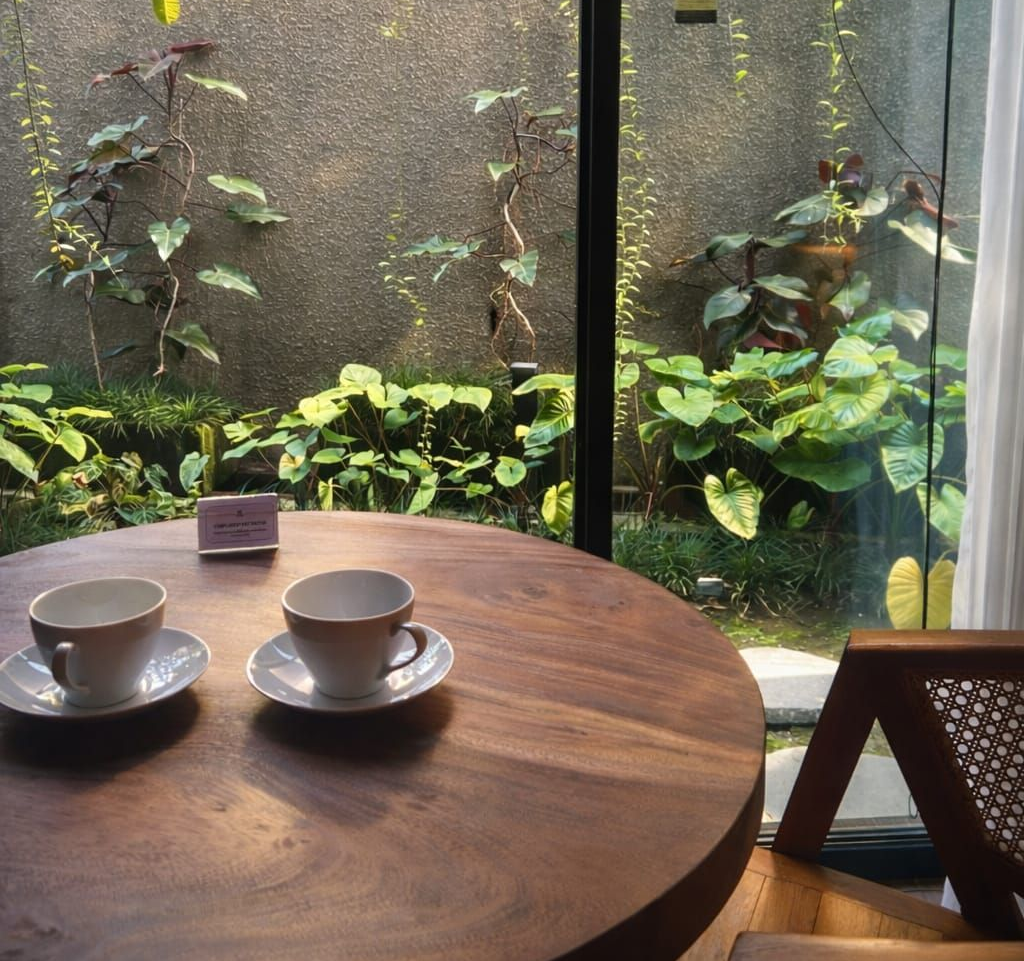
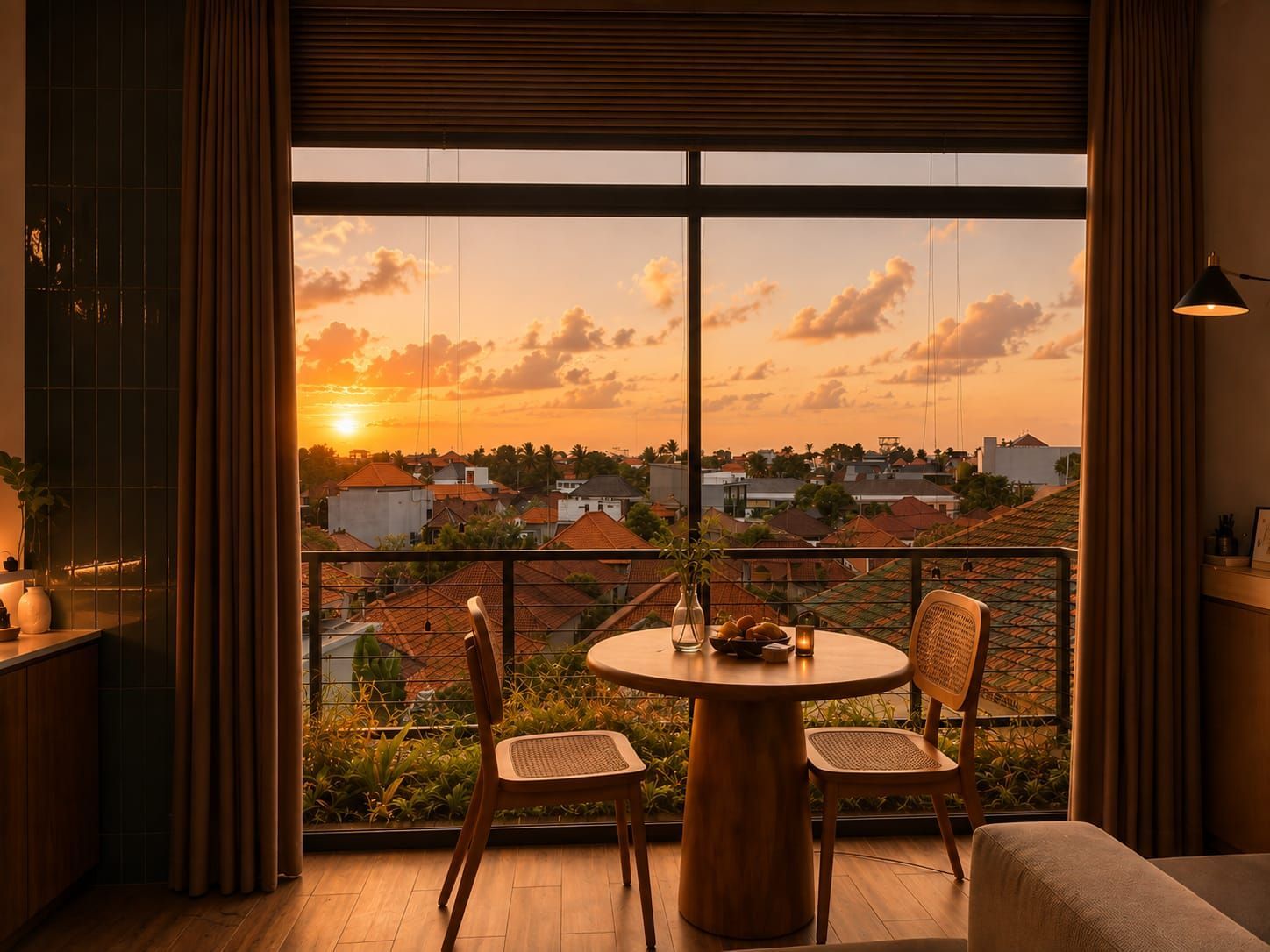
Where you stay can strongly influence how you experience these in-between moments. If accommodation is treated only as a place to sleep, travelers may spend most of their time rushing away and returning late at night. But when accommodation becomes a comfortable base, the neighborhood surrounding it becomes easier to explore naturally. At Aviator Bali, guests can create this kind of flexible rhythm while staying in the Canggu and Berawa area. The property provides a comfortable place to return to after exploring, while the surrounding neighborhood offers opportunities to experience different sides of Bali throughout the day. A morning can begin with coffee prepared in the room before taking a slow walk or ride toward a nearby café. The afternoon can be spent exploring local streets, discovering small businesses, or visiting the coast. After returning, guests can take time to relax around the swimming pool before deciding whether to go out again in the evening. This flexibility is important because it removes the pressure to make every hour productive. Instead of building a complicated itinerary that requires constant transportation, visitors can explore gradually. One street leads to another. One café leads to a local shop. A quiet lane leads to a rice field. A short ride becomes an opportunity to see how the neighborhood changes from one area to another. The accommodation becomes the place where these small journeys begin and end. It provides the comfort needed to explore without feeling exhausted by the process. For longer stays especially, this can change the way travelers understand Bali. The neighborhood begins becoming familiar. You know where to find coffee in the morning, where the traffic is lighter, which streets are more peaceful, and where you can stop for a quick meal. You may even develop your own unofficial route that has nothing to do with the recommendations found online. This is when travel begins feeling less like sightseeing and more like temporarily living somewhere. You are still a visitor, but your relationship with the area becomes more personal. Instead of remembering only major attractions, you remember the small street you used every morning, the café where you stopped unexpectedly, the view that appeared during your ride, or the corner where you always noticed flowers and offerings. These details eventually become part of your personal version of Bali.
Perhaps the Best Way to Discover Bali Is to Leave Some Space Between the Plans
Travel planning will always be useful. It helps visitors understand distances, organize transportation, discover important cultural sites, and make the most of limited time. But an itinerary should not become so full that there is no room left for discovery. Bali is particularly rewarding when travelers leave small gaps between their plans. Those gaps create opportunities for unexpected experiences. A planned visit to the beach can become a longer walk through a nearby neighborhood. A search for lunch can turn into discovering a family-run warung. A short ride back to the hotel can become a scenic detour through rice fields. A quiet afternoon can become the moment when you finally notice how dramatically the light changes across the tropical landscape. These experiences may not be the reason you booked your flight, but they can become the reason you remember the trip. This is perhaps the greatest difference between simply visiting Bali and actually experiencing it. Visiting means reaching the places you planned to see. Experiencing means noticing what happens around you while you are there. At Aviator Bali, the idea is simple: give yourself enough comfort and enough time to let Bali reveal itself naturally. Explore Canggu, discover its cafés and beaches, observe its changing neighborhoods, and then allow yourself to return to a comfortable space without feeling that you need to accomplish something else. The most beautiful part of a journey isn't always waiting at the end of the road. Sometimes it is beside the road, behind a wall, across a rice field, inside a small café, or in a quiet neighborhood that you almost didn't visit. Bali is full of these moments. You simply have to leave enough space to notice them.