


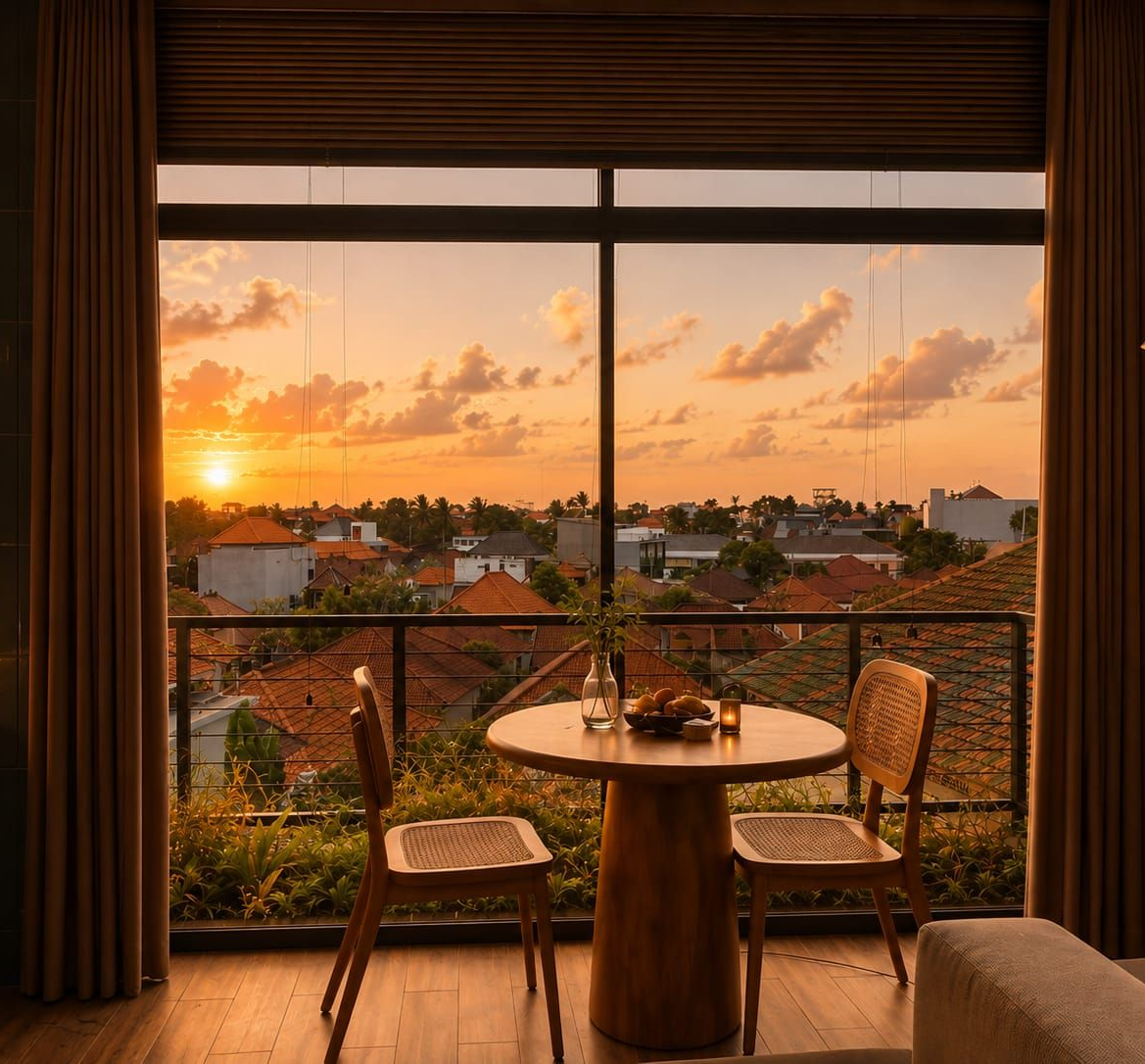
How the Island Changes From Sunrise to Midnight
The Bali You Experience at 6 AM Is Completely Different From the Bali You See at 10 PM
There is something fascinating about Bali that becomes obvious only when you spend enough time on the island: the same place can feel like an entirely different destination depending on the hour. A street that seems almost empty in the early morning can become one of the busiest roads several hours later. A rice field that looks intensely green beneath the soft morning light can appear completely different when the afternoon sun becomes stronger and the surrounding landscape begins glowing gold. A café that feels quiet and peaceful at breakfast can become lively by lunchtime, while a beach that seems energetic in the afternoon may transform into a calm place to watch the last light disappear in the evening. Bali is often described through individual attractions—beaches, temples, rice fields, cafés, restaurants, waterfalls, and cultural sites—but time itself is one of the island's most interesting attractions. Instead of asking only where to go, travelers can ask a different question: when should I experience it? This simple change in perspective can completely transform a Bali itinerary. At around sunrise, the island begins with a sense of quiet activity. The air is generally cooler, the roads are less crowded, and local communities are already beginning their daily routines. In areas where rice fields remain between neighborhoods, the early light creates a particularly beautiful atmosphere, with long shadows stretching across the paddies and distant buildings gradually becoming visible. Canggu's remaining rice fields are especially interesting because they exist alongside cafés, villas, shops, and roads, creating a landscape where agricultural life and modern development appear within the same frame. Current guides describe these paddies as a green contrast to the busier streets and note that paths through the fields are used for walking and cycling. As morning progresses, Bali becomes increasingly active. Scooters begin filling the roads, cafés open their doors, workers travel between neighborhoods, and travelers start moving toward beaches and other destinations. By late morning, the island has entered a completely different rhythm. The quietness of sunrise is replaced by movement and energy, but that does not necessarily mean the experience becomes less beautiful. It simply becomes different. The sunlight becomes brighter, colors become stronger, and everyday activity becomes more visible. In Canggu, this is when the contrast between the traditional and contemporary sides of the neighborhood becomes especially noticeable. A road may pass rice fields on one side and modern restaurants or accommodation on the other. A traditional Balinese compound can exist only a short distance from a contemporary café. The juxtaposition is not simply visually interesting; it tells the story of how Bali continues to evolve. By afternoon, the island reaches another stage. Temperatures rise, beaches become busier, restaurants fill, and travelers often begin searching for places to escape the strongest heat. This is when swimming pools, shaded cafés, indoor spaces, and relaxed accommodation become particularly valuable. Later, as the sun begins to lower, Bali changes again. The hard midday light becomes softer, shadows grow longer, and familiar streets begin looking cinematic. Rice fields can take on golden tones, while roads become silhouettes against the evening sky. Canggu's rice-field photography guides specifically highlight late afternoon and golden-hour conditions as particularly attractive for capturing the landscape. Then comes evening. Restaurants become lively, beach areas transition from sunset gatherings to dinner and nightlife, and streets develop a completely different atmosphere. Finally, late at night, another version of Bali appears. Some areas remain energetic, while quieter neighborhoods become peaceful again. This repeated transformation is one of the reasons Bali can feel much larger than it actually is. You are not simply moving through different places; you are moving through different versions of the same places. A traveler who visits one location only once may experience only a fraction of its character. Someone who stays long enough to see the same neighborhood at different hours begins to understand something deeper: Bali is not a static postcard. It is a living environment whose personality changes continuously with the movement of light, people, weather, traffic, rituals, businesses, and daily routines.
Morning Bali: Before the Island Becomes Busy
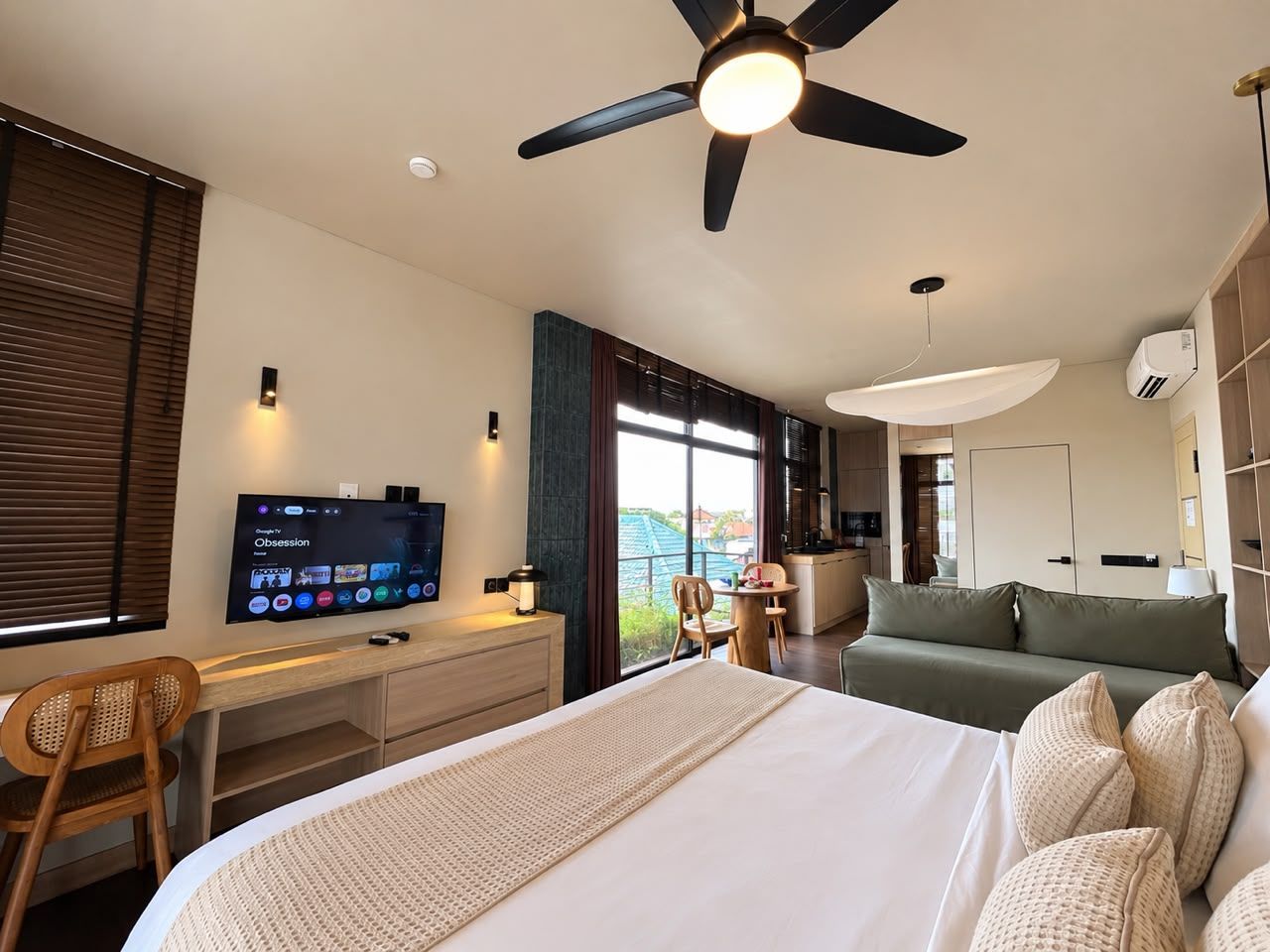
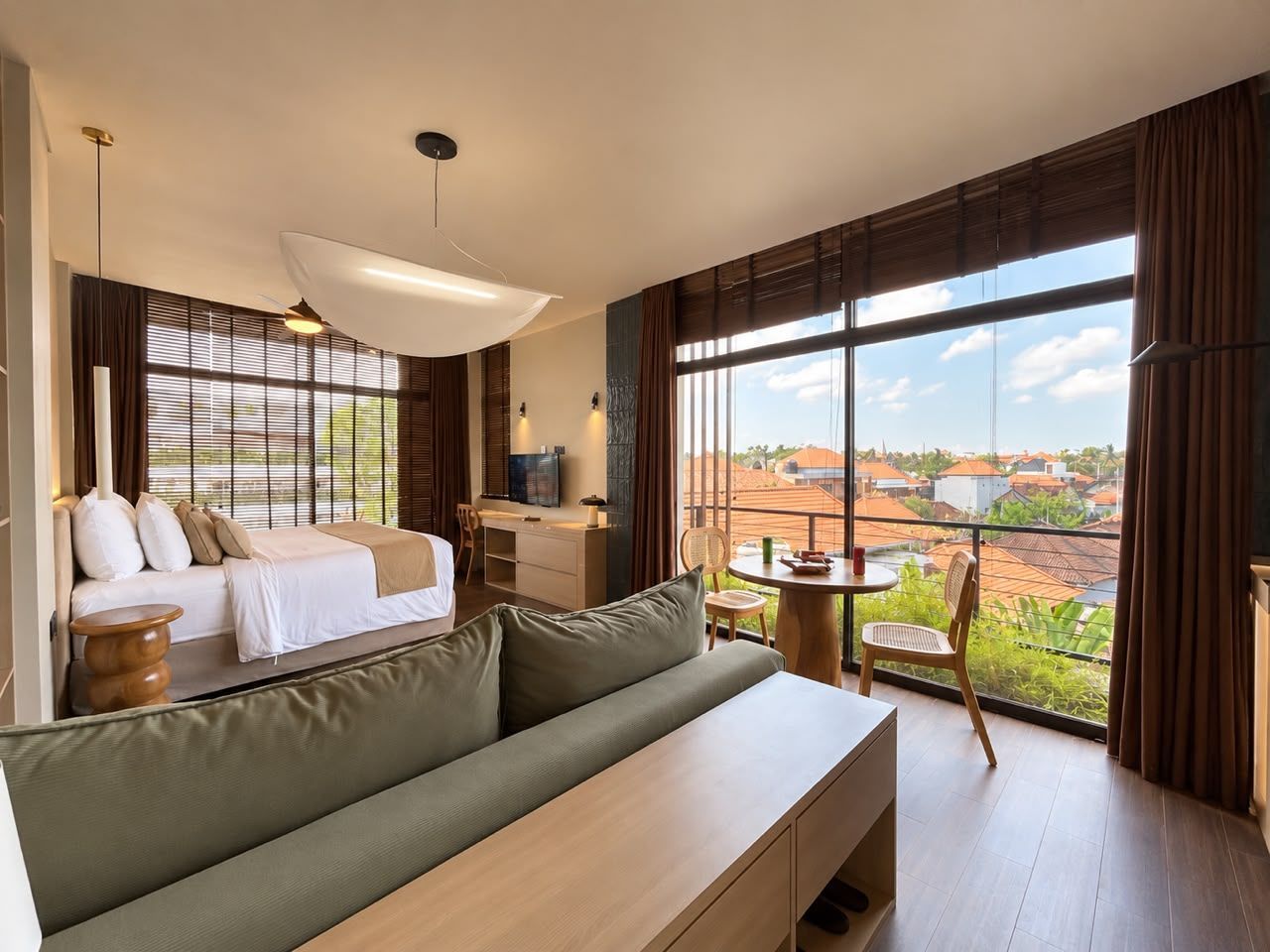
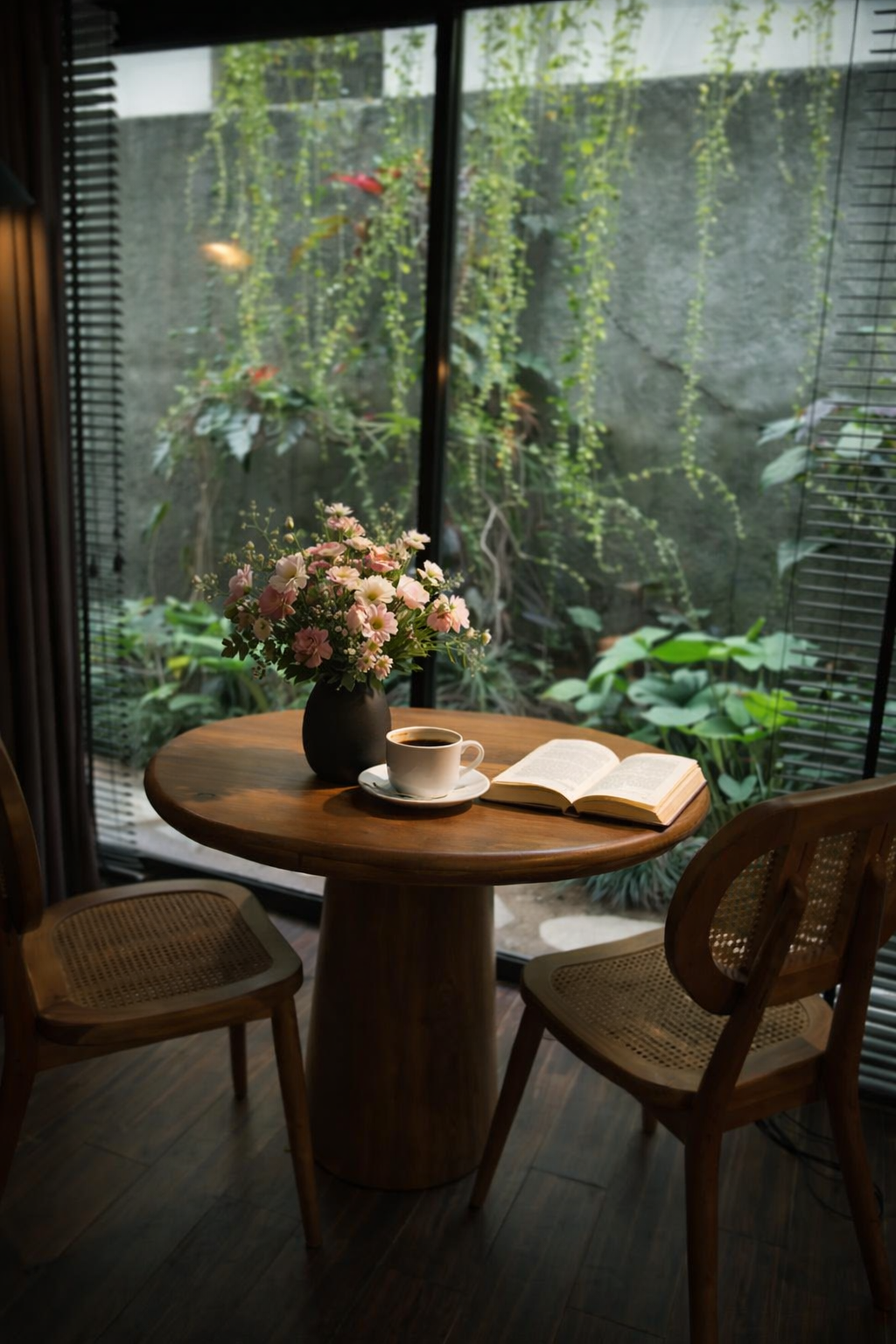
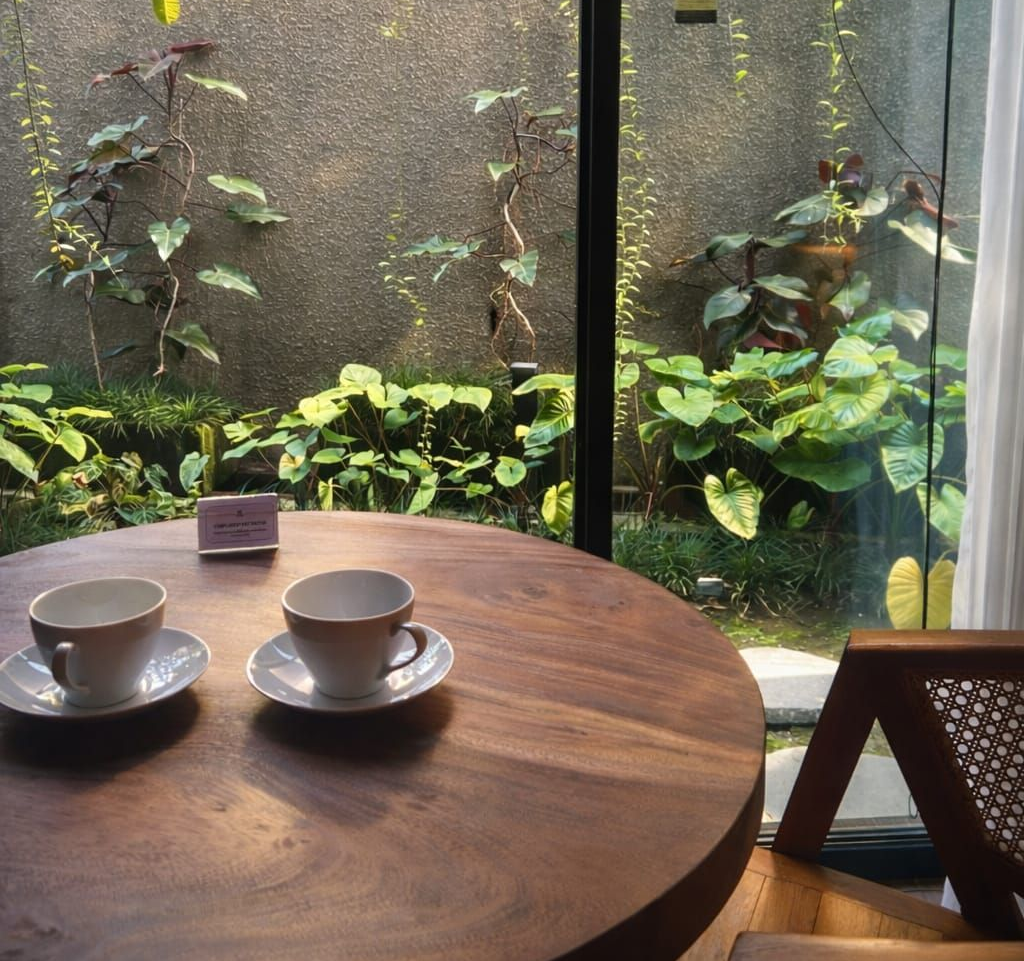
There is a special quality to Bali in the early morning that cannot be recreated later in the day. It is not necessarily because there are no people around—Bali is a living island, and local communities begin their routines early—but because the relationship between people and their surroundings feels different. The morning provides a short period when the pace of activity has not yet accelerated. Roads are quieter, temperatures are more comfortable, and the landscape feels more spacious. This makes early morning one of the best times to understand the difference between Bali as a tourist destination and Bali as a place where millions of people actually live and work. In Canggu, this contrast can be particularly visible. The neighborhood is internationally known for its cafés, restaurants, surf culture, and lifestyle scene, yet early morning can reveal quieter streets and agricultural landscapes that are easy to overlook later. Rice fields remain part of the area's identity, although the landscape has changed substantially as development has expanded. A recent 2026 discussion of Canggu's changing landscape describes how rice fields, village life, tourism, and new development now exist in close proximity, illustrating the rapid transformation of the area. Early morning is also when photography becomes particularly rewarding. The sunlight is softer than it is around midday, creating more gentle shadows and a greater sense of depth. A simple road beside a rice field can look completely different at 6:30 AM compared with 1 PM. The green of the rice plants appears cooler, the sky often has more subtle tones, and the absence of heavy traffic makes the landscape feel more open. For travelers staying at Aviator Bali, this can be an ideal time to begin the day without immediately committing to a packed itinerary. A coffee in the room, a quiet breakfast, a short walk, or an early ride through the neighborhood can become an experience in itself. The advantage of staying somewhere comfortable is that there is no need to rush toward the first attraction. You can begin slowly and decide what the day should become. This is particularly valuable in Bali because the island rewards flexible schedules. If the morning feels beautiful, there is no reason to hurry. If the weather changes, the day can change with it. If a quiet road looks interesting, you can stop. If a café appears inviting, you can stay longer. This flexibility allows travelers to experience Bali rather than simply complete Bali. Morning also provides an opportunity to notice details that are easily hidden later in the day. Traditional architecture becomes easier to appreciate when the streets are quieter. Small offerings placed outside homes and businesses are more noticeable. Tropical plants appear fresh, and the sounds of birds, scooters, and neighborhood activity are easier to distinguish from one another. The experience is not necessarily dramatic, but it feels authentic because it is connected to the ordinary beginning of another day. This is perhaps why travelers who wake early in Bali often describe feeling as though they have discovered a different island. They haven't. They have simply arrived at a different hour.
Afternoon Bali: When Modern Life and Traditional Landscapes Meet
By afternoon, Bali's energy becomes much more visible. The island's roads become busier, cafés fill with guests, restaurants begin preparing for lunch and afternoon service, and travelers move between beaches, shops, accommodation, and activities. In Canggu and Berawa, this is when the neighborhood's modern lifestyle identity becomes particularly obvious. Surfboards appear on scooters, cafés become social spaces, and streets reflect the international character that has developed in the area over recent years. Yet even during the busiest part of the day, traditional Bali remains visible. A temple may stand beside a road filled with modern businesses. A rice field may continue producing crops behind a wall of villas. A traditional compound may sit next to a contemporary building. These contrasts can sometimes seem surprising to visitors, but they are an important part of understanding the island's current identity. Bali is not frozen in one historical period. It is continuously negotiating the relationship between tradition, community, agriculture, tourism, technology, and modern lifestyles. The rice fields around Canggu provide one of the clearest examples. Current descriptions of the area note that working paddies remain threaded between villas, cafés, and surf-oriented businesses, creating a green counterpoint to the increasingly developed streets. This landscape also creates an interesting photography opportunity because the contrast is so immediate. A single photograph can contain rice plants, scooters, houses, modern buildings, tropical vegetation, and a traditional temple. Rather than seeing these elements as contradictions, travelers can understand them as evidence of a destination in transition. Afternoon is also when travelers often begin appreciating the value of having a comfortable place to return to. Bali's tropical climate can make extended outdoor activity tiring, especially when combined with traffic and long distances. Instead of trying to remain outside all day, a more balanced approach can include periods of exploration followed by periods of rest. At Aviator Bali, guests can return to their room, cool down, prepare something simple in the kitchenette, or spend time around the pool before deciding what to do next. This creates a different kind of itinerary—one that follows energy levels rather than forcing travelers to follow a fixed schedule. The afternoon does not have to be filled with attractions. Sometimes the best decision is to stop. Travel culture often encourages people to believe that every hour should produce a photograph or a new experience, but Bali can be enjoyed through pauses as much as movement. A quiet afternoon beside the pool can be just as memorable as an afternoon spent visiting several destinations. In fact, these pauses often allow travelers to appreciate the next part of the day more deeply. When the temperature begins to fall and the sunlight becomes softer, the island starts preparing for its next transformation.
Golden Hour: When Familiar Places Suddenly Look Completely New
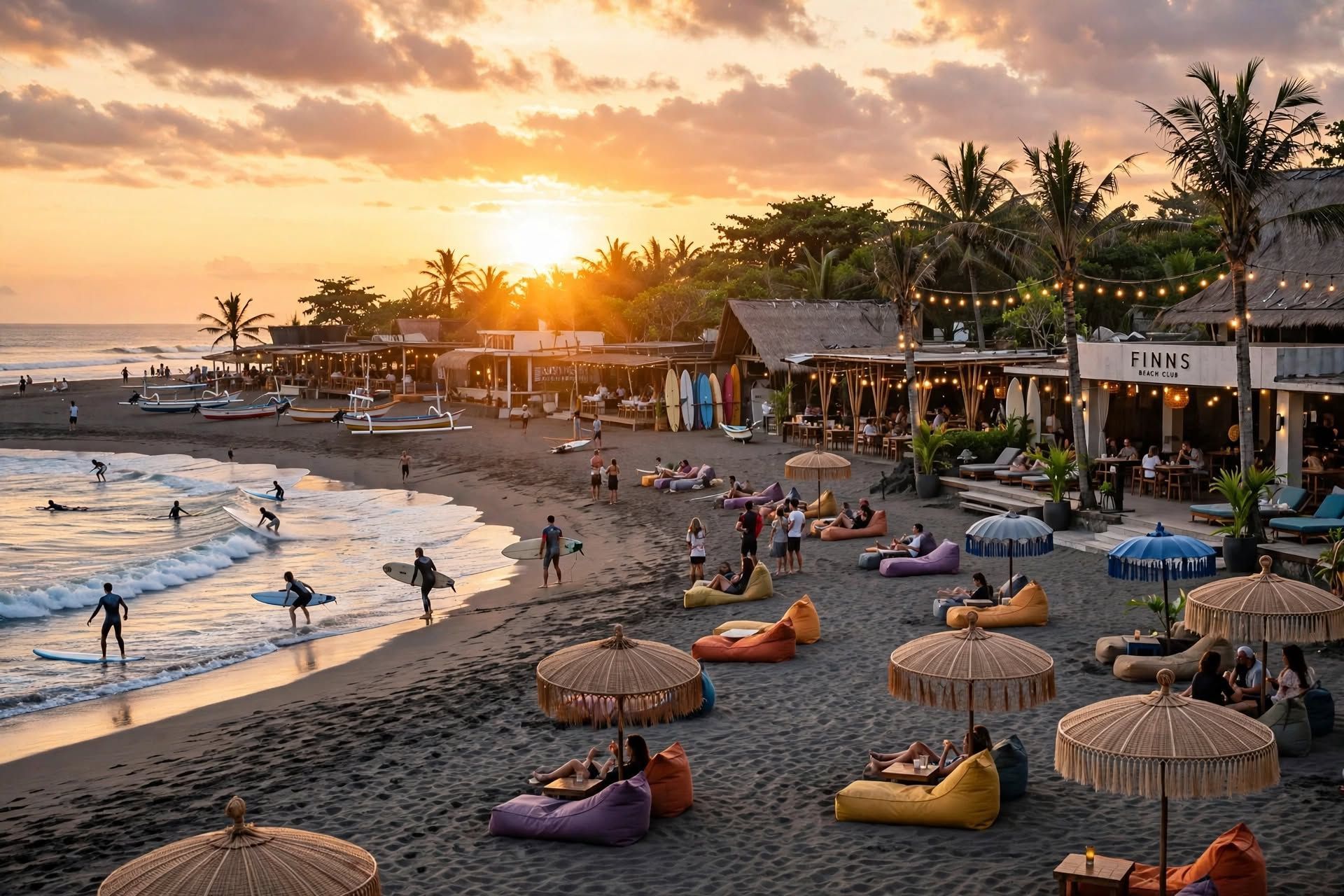
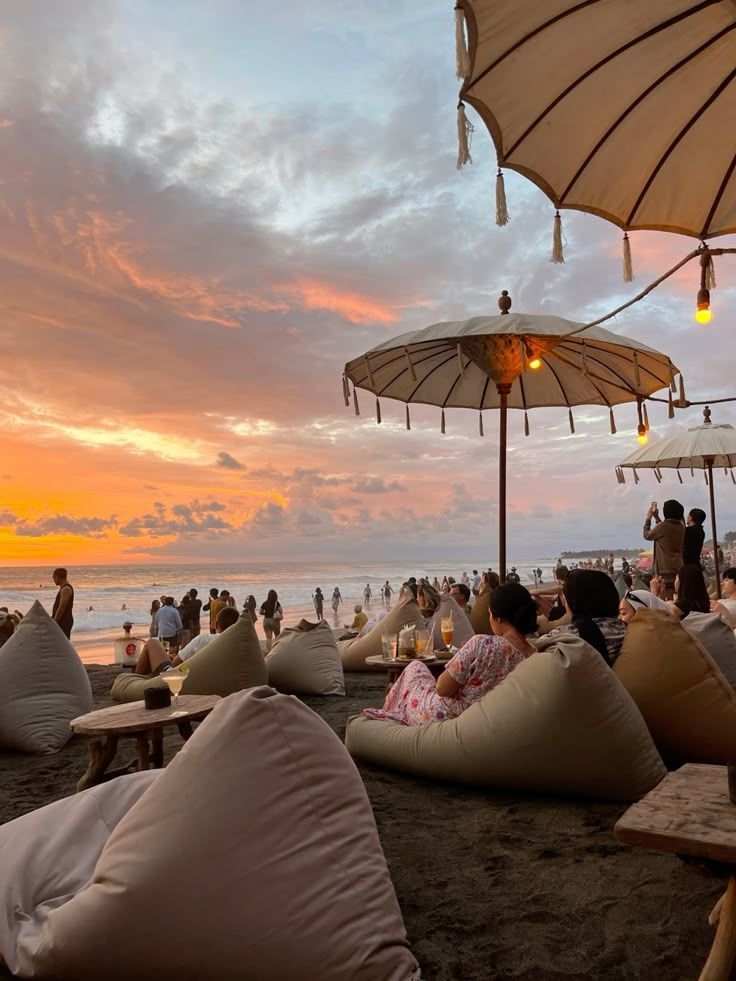
There is a moment in Bali when the island seems to slow down again. It happens shortly before sunset, when the strong brightness of afternoon begins disappearing and everything takes on warmer tones. This is often called golden hour, but in Bali it can feel like more than a photography term. It changes the emotional atmosphere of the landscape. Roads that looked ordinary earlier in the day suddenly appear cinematic. Rice fields become illuminated from the side rather than from above. Palm trees turn into silhouettes. Buildings catch warm highlights. Shadows stretch across roads and fields. People begin moving toward sunset viewpoints, beaches, restaurants, or simply home. In Canggu, the combination of rice fields and narrow roads creates particularly interesting compositions during this period. One available reference image shows a narrow path running through green rice paddies toward the surrounding settlement, with the late-day light creating a strong sense of depth. Another image shows a road passing through rice fields toward traditional Balinese architecture, illustrating how agricultural landscapes and cultural structures can appear together within a single view. This is also a useful reminder that travelers do not always need to search for an official "sunset spot." Sometimes the most beautiful sunset experience happens while returning from somewhere else. The light falls across the road, the sky changes color behind the trees, and suddenly a familiar route becomes worth stopping for. This is one reason leaving small gaps in an itinerary can be so valuable. If every minute is planned, there may be no opportunity to stop. But if there is space between activities, travelers can follow the changing atmosphere of the island. They can choose to remain beside a rice field for another ten minutes, stop at a café, walk toward the beach, or simply watch the sky from wherever they happen to be. Golden hour also provides an opportunity to understand why Bali photographs so well without needing artificial staging. The island's tropical vegetation, traditional architecture, open landscapes, and changing light naturally create visual depth. Yet the most meaningful photographs are often not the perfectly composed ones. They are the images that contain context: a scooter moving through a field, a local road beside a temple, a person walking past a rice paddy, or a café glowing beneath the evening sky. These images communicate not only what Bali looks like but what it feels like to move through the island. They capture transition rather than destination. And perhaps that is exactly what golden hour represents. It is the transition between day and night, between activity and relaxation, between exploration and evening. Bali becomes beautiful not only because of the sunset itself but because the entire island seems to change along with it.
Night Bali: A Different Island After the Sun Disappears
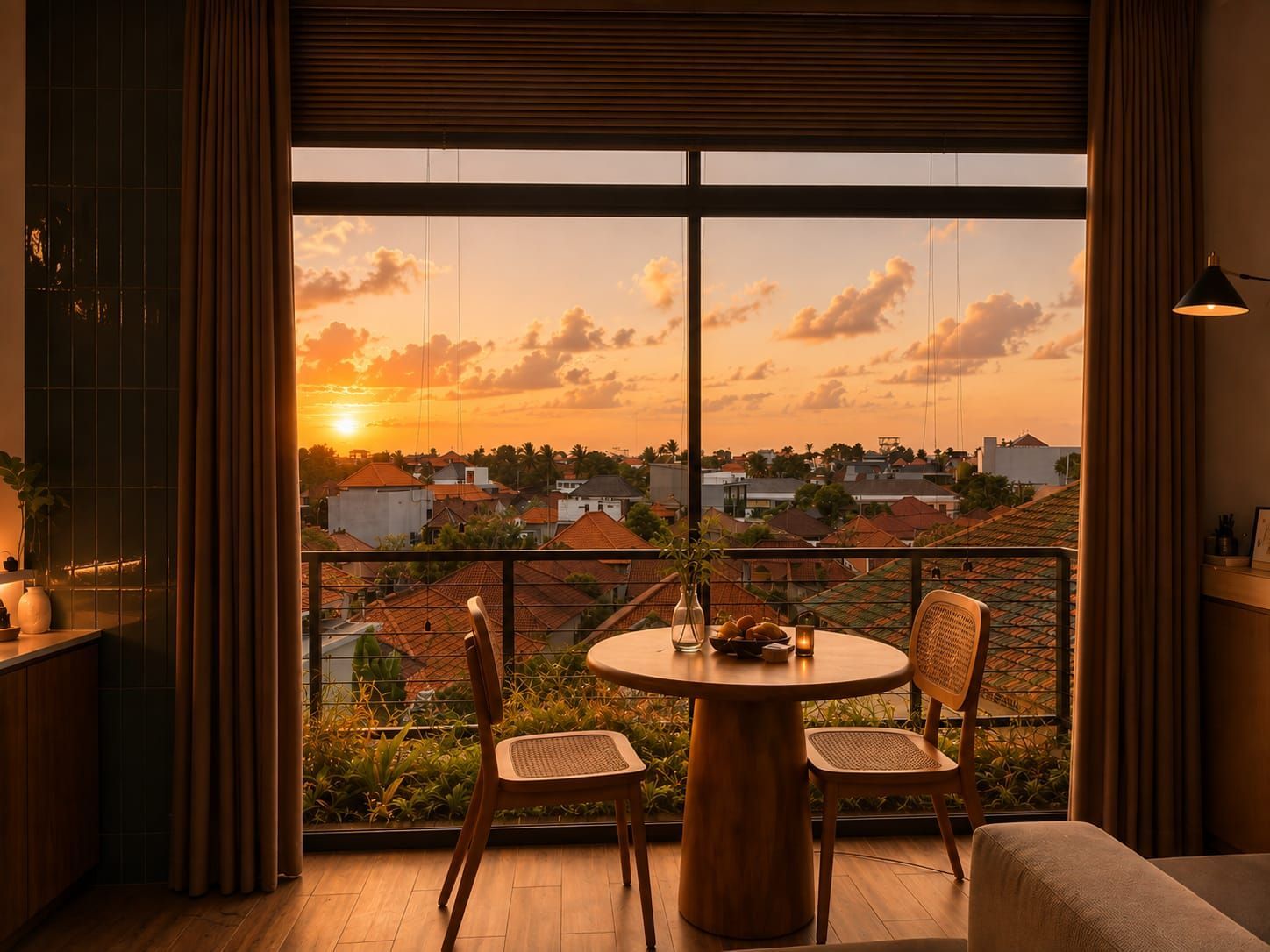
After sunset, Bali does not simply become darker. It becomes a different environment. The visual landscape changes first. The colors of the day disappear, and artificial lights begin defining streets, restaurants, cafés, and accommodation. Then the sounds change. Traffic patterns shift, restaurants become more active, music begins emerging from entertainment venues, and quieter neighborhoods settle into a slower rhythm. The contrast can be particularly noticeable in areas like Canggu, where one street can feel energetic and social while another becomes surprisingly quiet only a short distance away. Nighttime therefore creates another opportunity to experience the island differently. Travelers who spend their entire day moving between attractions may never notice how dramatically the same neighborhood changes after dark. A café that served breakfast in bright morning light can feel intimate at night. A road that was crowded in the afternoon can become peaceful later. A beach that was filled with surfers can become a place for evening conversations. Restaurants become destinations in themselves rather than simple stops for food. For guests staying at Aviator Bali, the evening can also be a time to return to a more private rhythm. After spending the day exploring, there is something satisfying about returning to a comfortable room, taking a shower, preparing a drink, relaxing around the property, and letting the day end without another obligation. This is where the concept of "Bali by the hour" becomes more than an article about sightseeing. It becomes an argument for experiencing the island as a living rhythm rather than a checklist of locations. Morning offers quiet observation. Afternoon offers movement and contrast. Golden hour offers transformation. Night offers atmosphere and reflection. Each hour provides a different version of Bali, even when you remain within the same neighborhood. This approach can also make a trip feel less exhausting. Instead of trying to see everything in one day, travelers can choose experiences based on the character of each part of the day. Early mornings can be reserved for walks and photography. Midday can be used for cafés, swimming, lunch, or rest. Late afternoons can be spent outdoors when the light becomes softer. Evenings can focus on food, conversation, or simply relaxing. The result is not necessarily a more productive holiday. It is a more connected one. You begin noticing that Bali does not need to constantly entertain you. It only needs to be experienced at the right pace. And when you leave the island, perhaps what you remember will not be a single attraction but a sequence of moments: the quiet road at sunrise, the bright green rice field at midday, the warm light of late afternoon, and the soft glow of the streets after dark. That is Bali by the hour—a destination that changes continuously, inviting you to look again even when you think you have already seen it.