

Discovering Bali Beyond the Cafés

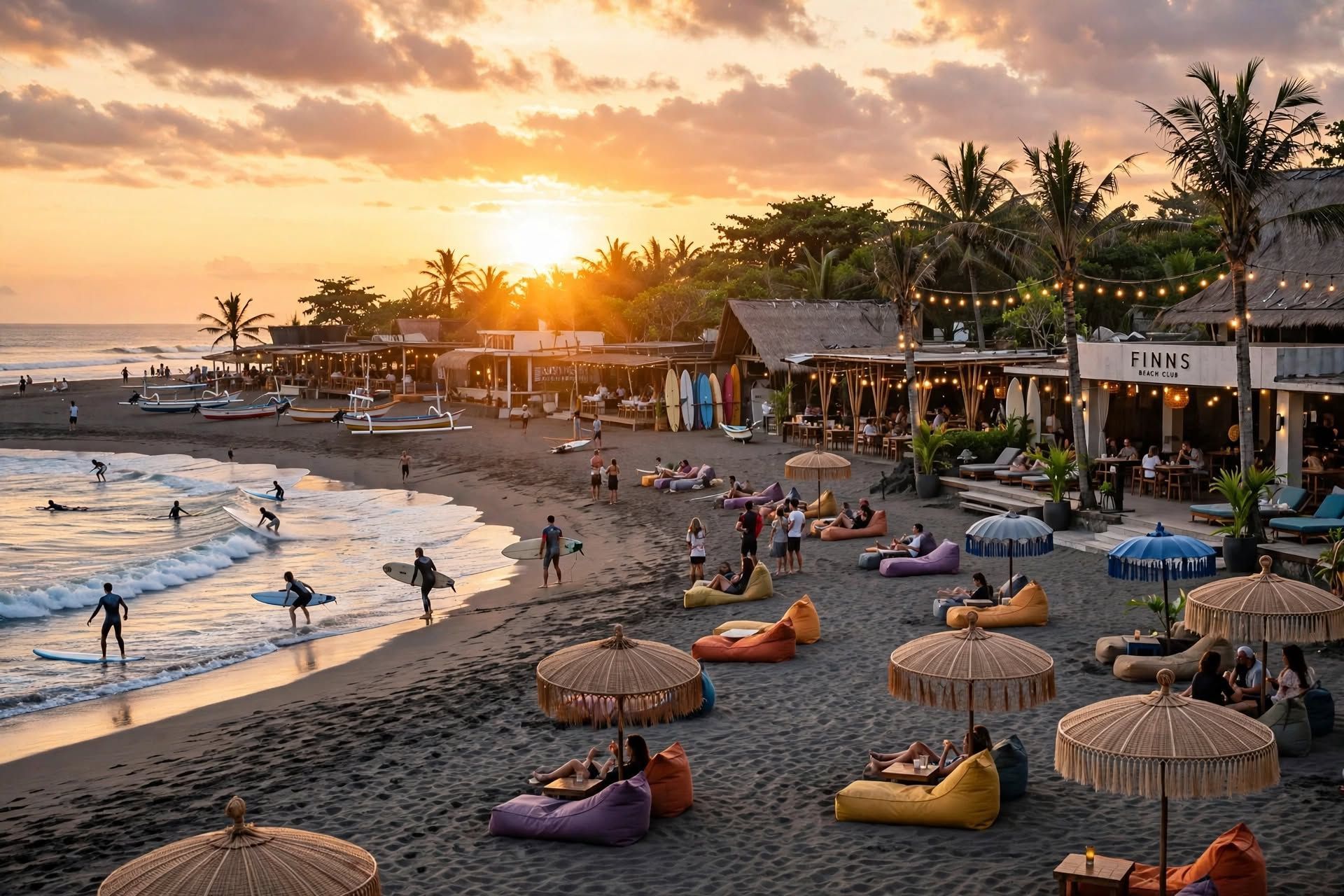
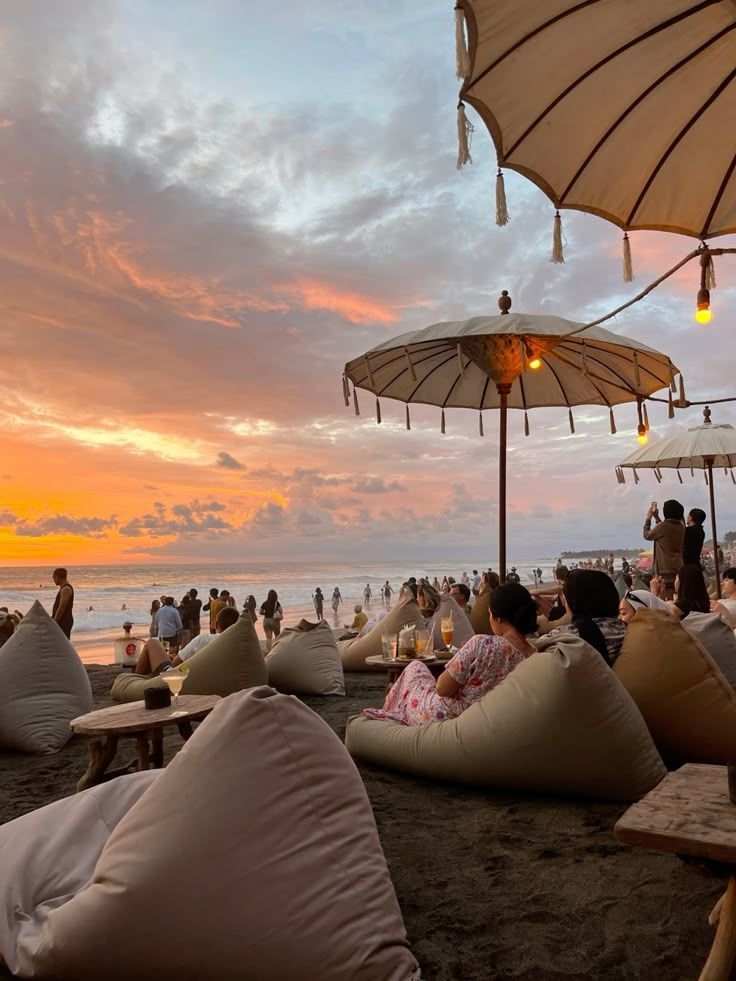
Canggu is often introduced through its most recognizable images: stylish cafés filled with laptops, beach clubs overlooking the ocean, surfers waiting for the perfect wave, boutique villas hidden behind tropical walls, and scooters moving through busy streets from morning until late at night. For many first-time visitors, this is the Canggu they expect to discover. But there is another side of the area that does not always appear when searching for “things to do in Canggu.” Just a few minutes away from the busiest roads, the landscape can suddenly change. Concrete buildings give way to green rice fields, busy intersections become narrow village roads, and the sound of traffic is replaced by birds, flowing water, and the everyday activities of local communities. This quieter side of Canggu is not a newly created tourist attraction. It is part of the landscape that existed long before the area became one of Bali’s most popular destinations. One of the most fascinating things about Canggu today is the way its modern lifestyle exists alongside traditional Balinese landscapes. A modern apartment can stand surprisingly close to a rice field. A trendy coffee shop can be located only a short ride from a small village temple. A road used by international visitors can eventually lead to a traditional farming area where local residents continue their daily routines much as they have for generations. This contrast is what makes Canggu particularly interesting. It is not simply an old village that became a tourist destination, nor is it simply a modern neighborhood built for travelers. Instead, it is a place where different versions of Bali continue to meet. The rice fields surrounding Canggu are especially important because they are more than beautiful scenery. They are connected to Bali’s traditional agricultural and water-management systems. The most famous of these systems is Subak, a traditional cooperative irrigation system that has played an important role in Balinese agriculture for centuries. UNESCO recognizes the Cultural Landscape of Bali Province, including its Subak system, as a World Heritage site. The system reflects a deep relationship between agriculture, community cooperation, water management, and spiritual life. For a visitor, this means that a rice field should not be viewed simply as a green background for a holiday photograph. Behind every field is a network of people, water channels, farming practices, traditions, and community relationships. When you slow down enough to notice these details, Canggu starts to feel very different. You begin to understand that the beauty of Bali does not always come from something designed specifically for tourists. Sometimes it comes from ordinary places that have been part of local life for generations.
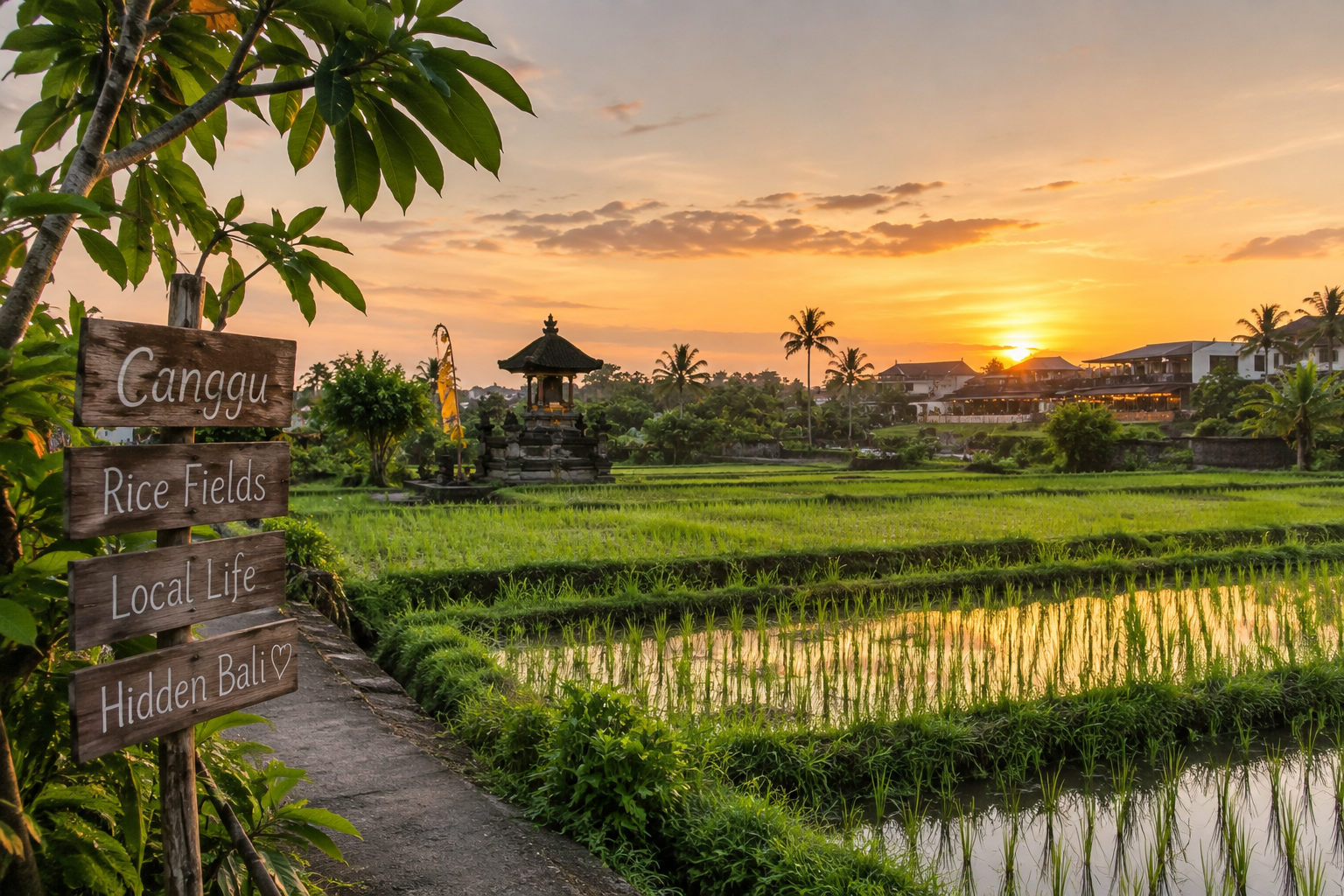
One of the best ways to experience this quieter side of Canggu is simply to leave the main road for a while. You do not necessarily need a detailed itinerary or an expensive tour. A short scooter ride or morning walk through the smaller roads around Canggu, Berawa, Pererenan, or toward Munggu can reveal an entirely different atmosphere. Early in the morning, before cafés become busy and traffic increases, the rice fields can feel almost completely removed from the energetic atmosphere associated with Canggu. Farmers may already be working in the fields, checking irrigation channels or caring for crops, while local residents move through the village on their daily routines. The light is softer in the morning, the air is usually cooler, and the landscape becomes particularly beautiful when the sun begins to illuminate the rice plants. Later in the afternoon, the same area develops another character. The light becomes warmer, shadows become longer, and the green landscape can turn golden as the sun approaches the horizon. This is one reason why a sunset in Canggu does not necessarily have to mean sitting on the beach. Watching the sun disappear behind a rice field can be just as memorable, especially when the reflection of the sky appears in the water between the fields. For photographers, these areas provide an opportunity to capture a version of Bali that feels less staged and more connected to everyday life. For travelers, however, the experience is about more than taking photographs. It is about noticing how the landscape works. Look at the narrow paths between fields, the small irrigation channels carrying water, the coconut trees standing above the rice, and the houses positioned along the edges of agricultural land. Each element tells part of the story. In some places, modern development is already clearly visible in the distance. Villas, apartments, restaurants, and other buildings rise behind traditional agricultural landscapes, creating an unusual visual contrast. This contrast is increasingly characteristic of Canggu. It also reminds visitors that the landscape is changing quickly. Areas that once seemed completely rural can now be surrounded by new construction, while the remaining rice fields become increasingly valuable as open spaces. For this reason, exploring them respectfully is important. A rice field is not a public park, and the narrow paths around agricultural land are not necessarily tourist trails. Visitors should avoid entering private fields without permission, damaging crops, leaving rubbish, or blocking paths used by local residents and farmers. The same principle applies to temples and village spaces. A place does not become a tourist attraction simply because it looks beautiful in a photograph. It remains part of someone’s home, workplace, community, or spiritual life. Understanding this small difference can completely change the way a traveler experiences Canggu. Instead of treating the landscape as something to consume, visitors can begin to appreciate it as something to observe and respect.
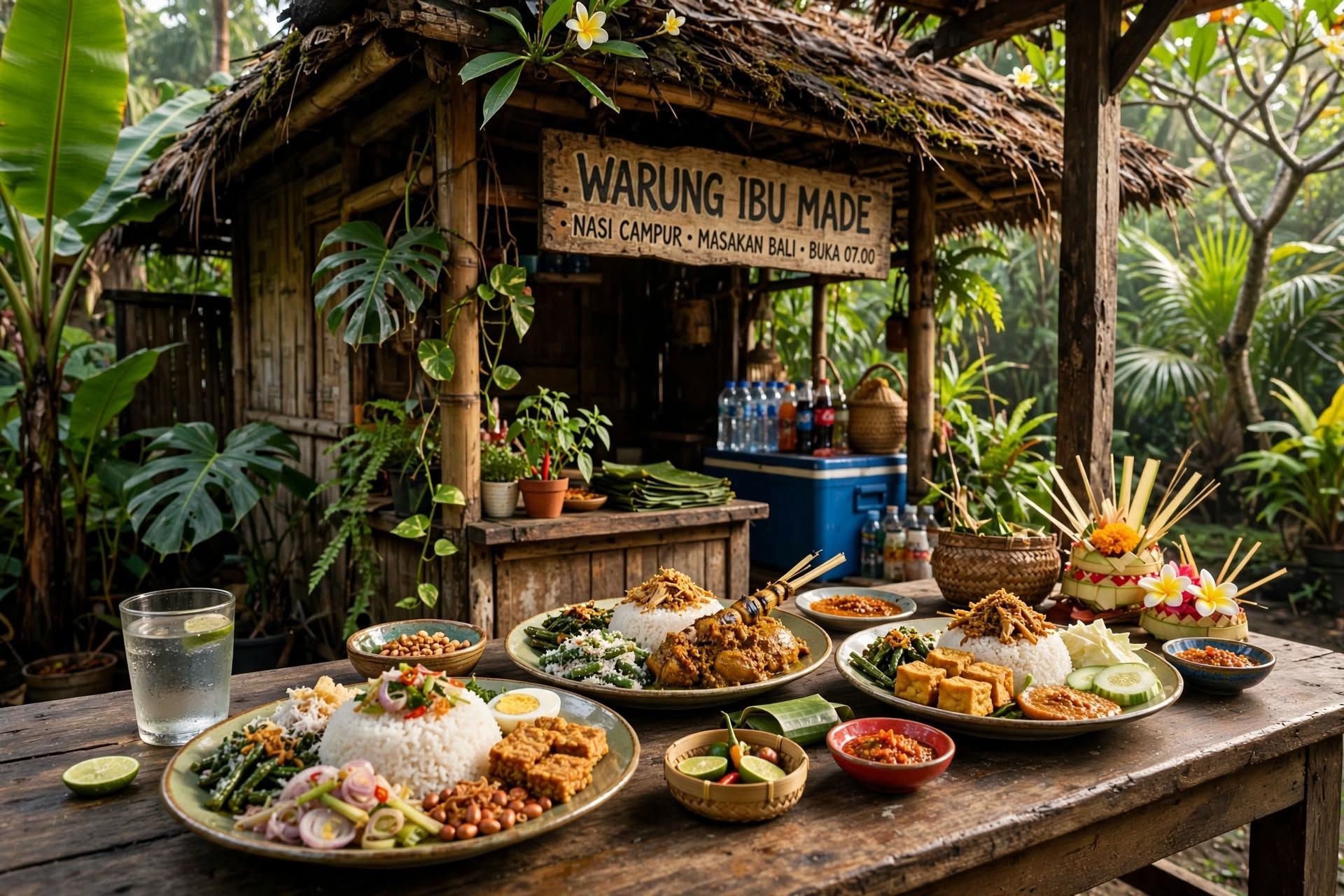
The deeper story of Canggu becomes even more interesting when you look at the relationship between water, agriculture, and community. Bali’s Subak system demonstrates that traditional farming is not simply about planting rice and waiting for it to grow. Water has historically been managed through cooperation between farmers and communities, with irrigation networks connecting agricultural areas and religious practices helping shape relationships between people and the environment. The philosophy associated with this system, Tri Hita Karana, emphasizes harmony between people and the spiritual world, harmony between people, and harmony between people and nature. This idea helps explain why Bali’s agricultural landscape can feel different from an ordinary farming area. The fields are part of a larger cultural environment. Water, temples, farmers, villages, and agricultural cycles are interconnected. When visitors walk through the countryside around Canggu, they may not immediately recognize the complexity behind what they see. A small stream of water running beside a path may look insignificant, but it can be part of a much larger irrigation network. A small temple beside a water source may seem like a decorative structure, but it can have an important role within the local community. A farmer working quietly in a field may appear to be performing an ordinary task, yet that work contributes to a system that has shaped Bali’s landscape for generations. This is why slow travel can be particularly rewarding in Canggu. Instead of trying to visit ten locations in one day, travelers can choose one small area and spend time observing it. Walk without rushing. Stop at a local warung. Watch the changing light over the fields. Listen to the water moving through the irrigation channels. Notice how residents use the roads. These experiences may not produce the same immediate excitement as a beach club or a popular tourist attraction, but they often create stronger memories because they allow travelers to experience the destination rather than simply photograph it. There is also something particularly valuable about seeing this traditional landscape alongside Canggu’s modern lifestyle. Within the same afternoon, someone can enjoy specialty coffee, work remotely from a modern space, exercise at a contemporary fitness studio, and later find themselves surrounded by rice fields and village temples. This combination is part of what has made Canggu so attractive to international visitors. It offers convenience and modernity without completely removing the traditional environment around it. At the same time, this balance should never be taken for granted. Development places pressure on agricultural land, water resources, roads, and local communities. As Canggu continues to grow, the question is not simply how many new businesses can open, but how the area can continue to maintain the elements that make it special in the first place. The rice fields, open spaces, village roads, and traditional communities are not obstacles to Canggu’s identity. They are part of it. Without them, the area could easily become another highly developed destination with little connection to the landscape that originally made it unique.
For travelers staying in Canggu, discovering this quieter side does not require giving up the experiences that made the area famous. In fact, the best Canggu experience may be one that combines both worlds. Start the morning with a walk or scooter ride through the rice fields before the streets become busy. Spend the middle of the day enjoying the cafés, restaurants, shops, or other activities that have made Canggu internationally popular. In the late afternoon, leave the busiest areas again and head toward the quieter roads around Pererenan, Munggu, or the surrounding villages. Instead of searching for the most famous sunset location, find a respectful viewpoint where you can simply watch the landscape change as the sun goes down. This kind of day creates a different rhythm. There is time for modern Bali, but there is also time for the older Bali that still exists between the buildings. For visitors staying longer, cycling or walking through the smaller roads can become a particularly rewarding routine. Every day, the landscape may look slightly different. Rice fields change color as crops grow. Farmers work at different stages of the agricultural cycle. Water levels change. Weather transforms the atmosphere. The same road can look completely different under bright morning sunlight compared with the soft colors of late afternoon. These small changes are difficult to appreciate when traveling from one attraction to another, but they become obvious when you return to the same area repeatedly. This is also where Canggu becomes more personal. Instead of simply collecting places, travelers begin to recognize streets, landscapes, small shops, and familiar faces. The destination starts to feel less like a checklist and more like a temporary home. For visitors staying in a hotel or apartment in Canggu, this can be one of the most rewarding ways to spend part of a trip. You do not always need to travel far from your accommodation to find something memorable. Sometimes the most interesting experience is waiting a few streets away. A quiet rice field at sunrise can be more peaceful than a crowded attraction. A local breakfast can tell you more about everyday life than a carefully designed tourist experience. A conversation with a local resident can provide context that no travel guide can fully explain. Of course, travelers should always be considerate when entering residential or agricultural areas. Keep noise low, do not photograph people closely without permission, avoid flying drones near homes or temples without checking local rules, and remember that roads and fields belong to communities that live there. Responsible exploration is especially important in places experiencing rapid tourism growth. The goal should not be to find a “hidden Bali” and turn it into the next viral location. Instead, the goal is to appreciate what already exists and leave it in the same condition as you found it. This approach allows visitors to enjoy Canggu without contributing unnecessarily to the pressures that come with mass tourism. It also creates a more meaningful relationship between traveler and destination.
Perhaps the most interesting lesson Canggu offers is that a destination does not have to choose between tradition and modernity. Both can exist at the same time, although maintaining that balance requires attention and respect. Canggu will continue to change. New cafés will open, new accommodation will appear, roads will become busier, and travelers from different parts of the world will continue to arrive. That evolution is already part of the story of modern Bali. But alongside the changes, there are still rice fields catching the morning light, irrigation channels carrying water through the landscape, village temples surrounded by everyday life, farmers continuing their work, and narrow roads where the pace feels completely different from the main tourist streets. These places may not always appear at the top of a search result, and they may not have an impressive entrance or a carefully designed Instagram backdrop. Yet they are essential to understanding why Canggu feels different from a destination built entirely around tourism. The next time you visit Canggu, consider putting your phone away for an hour and walking somewhere without a list of places to tick off. Follow a quiet road, stay respectful of private spaces, and simply observe what happens around you. You may see a farmer working in the fields, hear the sound of water moving through a canal, pass a small temple, discover a family-run warung, or watch the sunset over rice fields instead of the ocean. None of these experiences require an entrance ticket. None need to be booked months in advance. Their value comes from the fact that they are part of real life. This is the Canggu that can easily be missed when a trip is planned entirely around popular recommendations. It is quieter, slower, and perhaps less immediately impressive, but it reveals something that the busiest tourist areas cannot: the landscape and community that existed before Canggu became a global destination. For travelers staying in Bali, discovering this side of Canggu can turn an ordinary holiday into a more thoughtful experience. You begin to see that the island is not simply a collection of beaches, cafés, villas, temples, and tourist attractions. It is a living place where old systems and new lifestyles continue to interact every day. And perhaps that is the real beauty of Canggu. Not that it has remained unchanged, but that despite everything that has changed, there are still places where the old rhythm of Bali can be felt. You just have to slow down enough to notice it.