




Designing a Stay That Feels Effortless
There is a distinct difference between a stay that is impressive and a stay that feels effortless. Impressive stays often rely on visible statements — dramatic entrances, bold decor, or overt gestures of luxury. Effortless stays, however, are quieter. They unfold smoothly, without friction, without the guest needing to think too much about what comes next. In destinations like Canggu, where energy and movement are constant, effortlessness becomes a subtle luxury. It allows travelers to navigate the vibrancy of the area without feeling overwhelmed by it. An effortless stay is not accidental; it is designed. It begins with clarity — clear arrival instructions, intuitive spatial layout, and thoughtful positioning within the neighborhood. Guests should not have to decode their environment. The more intuitive the experience, the more mental energy they retain for exploration and enjoyment. Effortlessness also comes from coherence. When design, service, and location align with a singular philosophy, the stay feels whole. There are no sharp contrasts between expectation and reality, no moments that feel misaligned. Instead, each part supports the next. In Canggu, where days can include early surf sessions, café meetings, sunset gatherings, and late dinners, returning to a space that does not demand adjustment is invaluable. Effortless hospitality allows guests to move between activity and rest without resistance. The outside world may be dynamic, but their base remains steady. And that steadiness is what transforms a trip from exciting to sustainable.
Friction in hospitality is rarely dramatic. It does not announce itself loudly or immediately ruin an experience. Instead, it accumulates quietly through small inconveniences: unclear directions upon arrival, a check-in process that feels unnecessarily complicated, lighting that is either too harsh or too dim, a room layout that forces guests to adjust their movement repeatedly. Individually, these details seem minor. Together, they shape perception. Guests may not consciously identify the source of discomfort, yet they feel it. The stay becomes slightly heavier than it needs to be.
In destinations like Canggu, where travelers are already navigating traffic, busy cafés, and changing plans, additional friction inside their accommodation amplifies fatigue. After a long ride back from the beach or dinner, the last thing a guest wants is confusion about where to place luggage, how to adjust the temperature, or whether outside noise will persist through the night. Ease is not about extravagance; it is about reducing decision-making. The fewer adjustments required, the more seamless the stay feels.
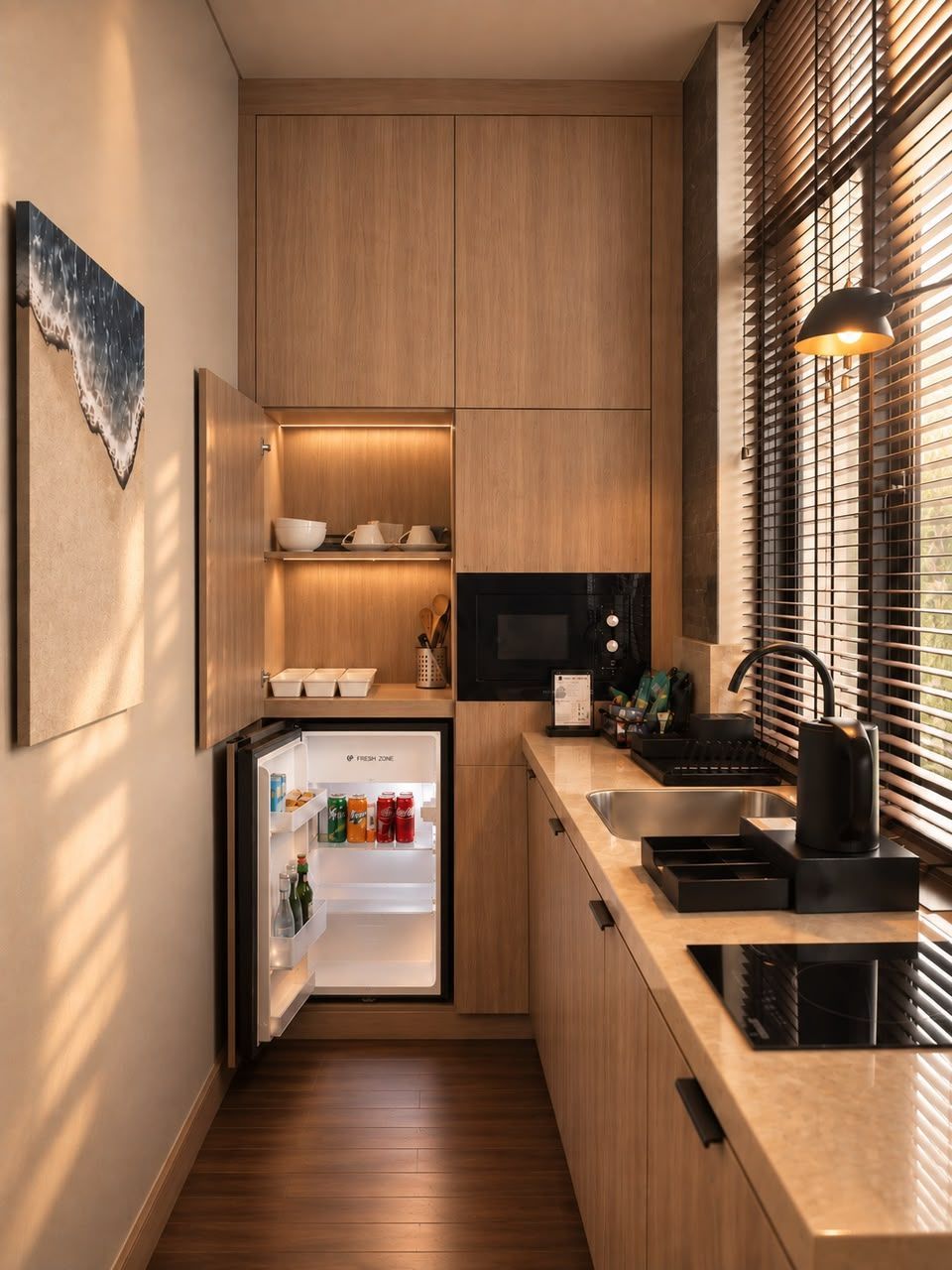
Even spatial design can create friction. Narrow walkways, poorly positioned furniture, or insufficient surface space subtly disrupt movement. The body notices these interruptions even when the mind does not articulate them. By contrast, intuitive layouts allow guests to move naturally. Bags have obvious placement. Lighting controls are accessible. Storage feels sufficient without being excessive. These details create flow.
Sound management is another invisible factor. Intermittent noise — traffic bursts, hallway echoes, inconsistent insulation — keeps the nervous system alert. A space that buffers these fluctuations allows the body to fully relax. Guests may describe such environments simply as “comfortable” or “easy,” not realizing that what they are experiencing is the absence of friction.
Effortless hospitality is therefore an exercise in subtraction. It removes unnecessary complexity. It anticipates needs without overwhelming with features. In doing so, it protects the guest’s energy. And in a dynamic destination, protected energy is what allows every other experience — from surf sessions to sunset dinners — to be enjoyed fully rather than endured.
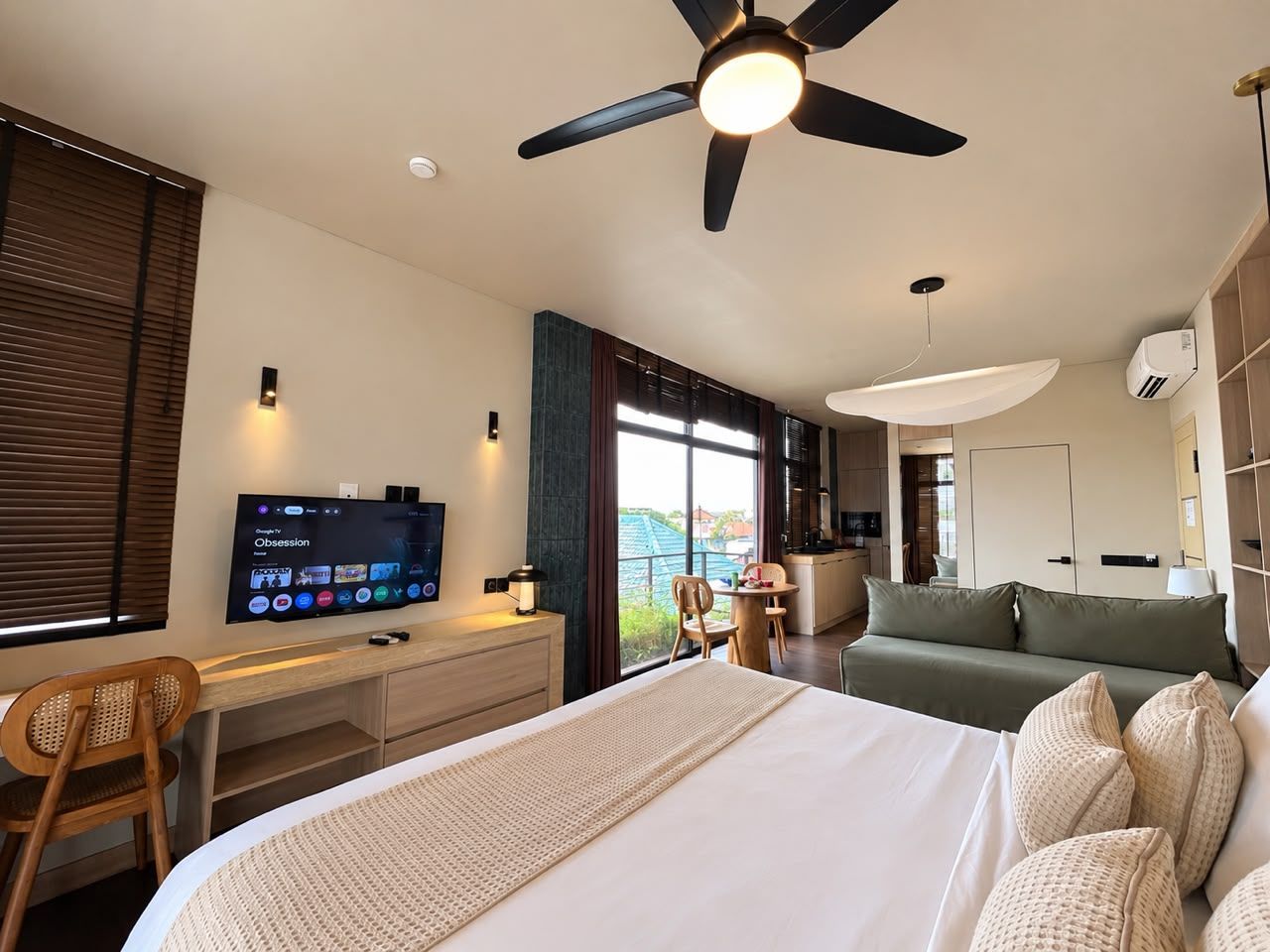
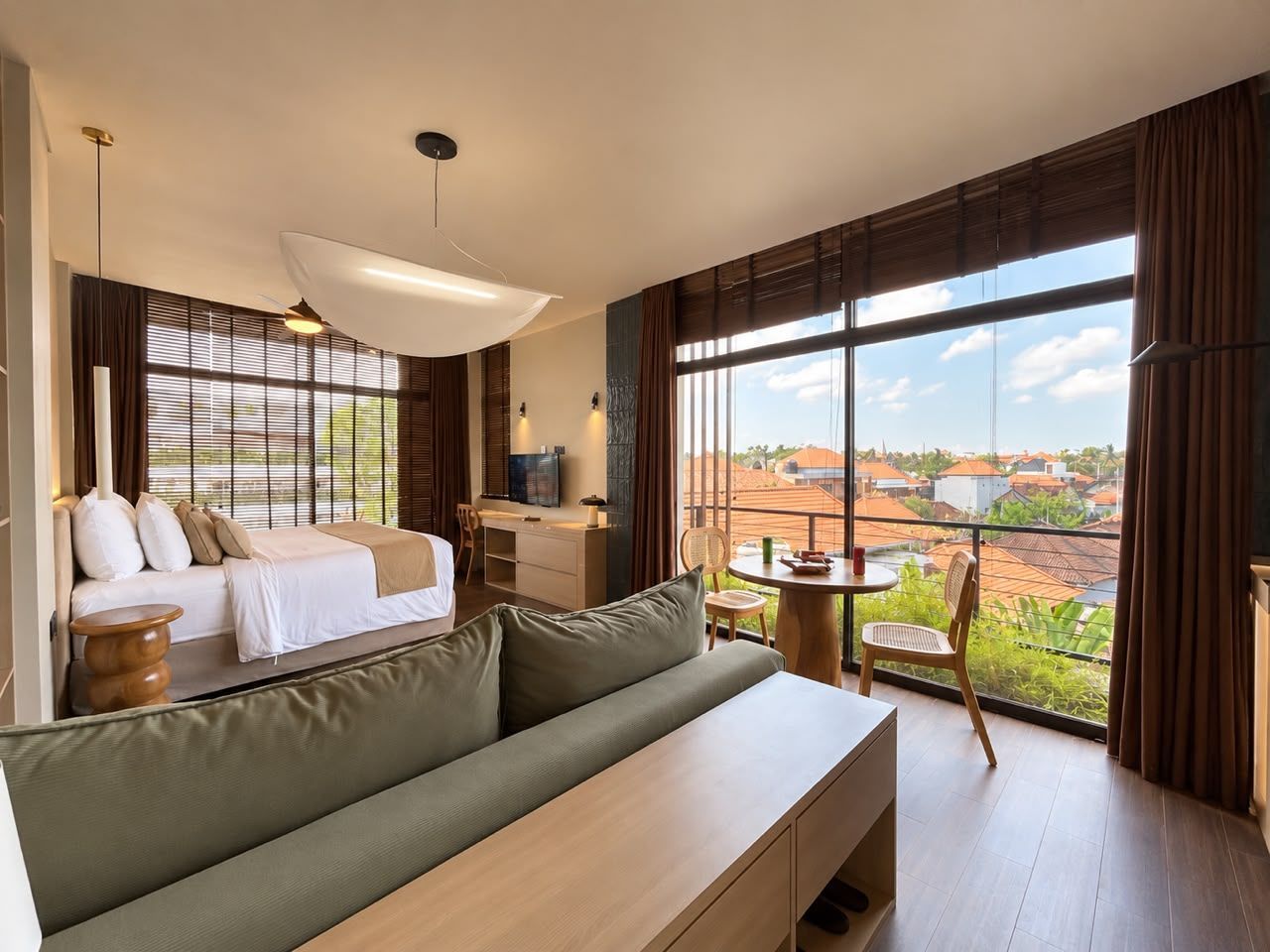
There is a particular feeling guests experience when they enter a room and immediately sense that everything makes sense. They may not verbalize it, but it registers instantly: the layout feels natural, the lighting feels balanced, the proportions feel right. This is the effect of intuitive design. It removes the need for adaptation. Guests do not have to rearrange furniture, search for outlets, or mentally reorganize the space to suit their habits. Instead, the room seems to anticipate them.
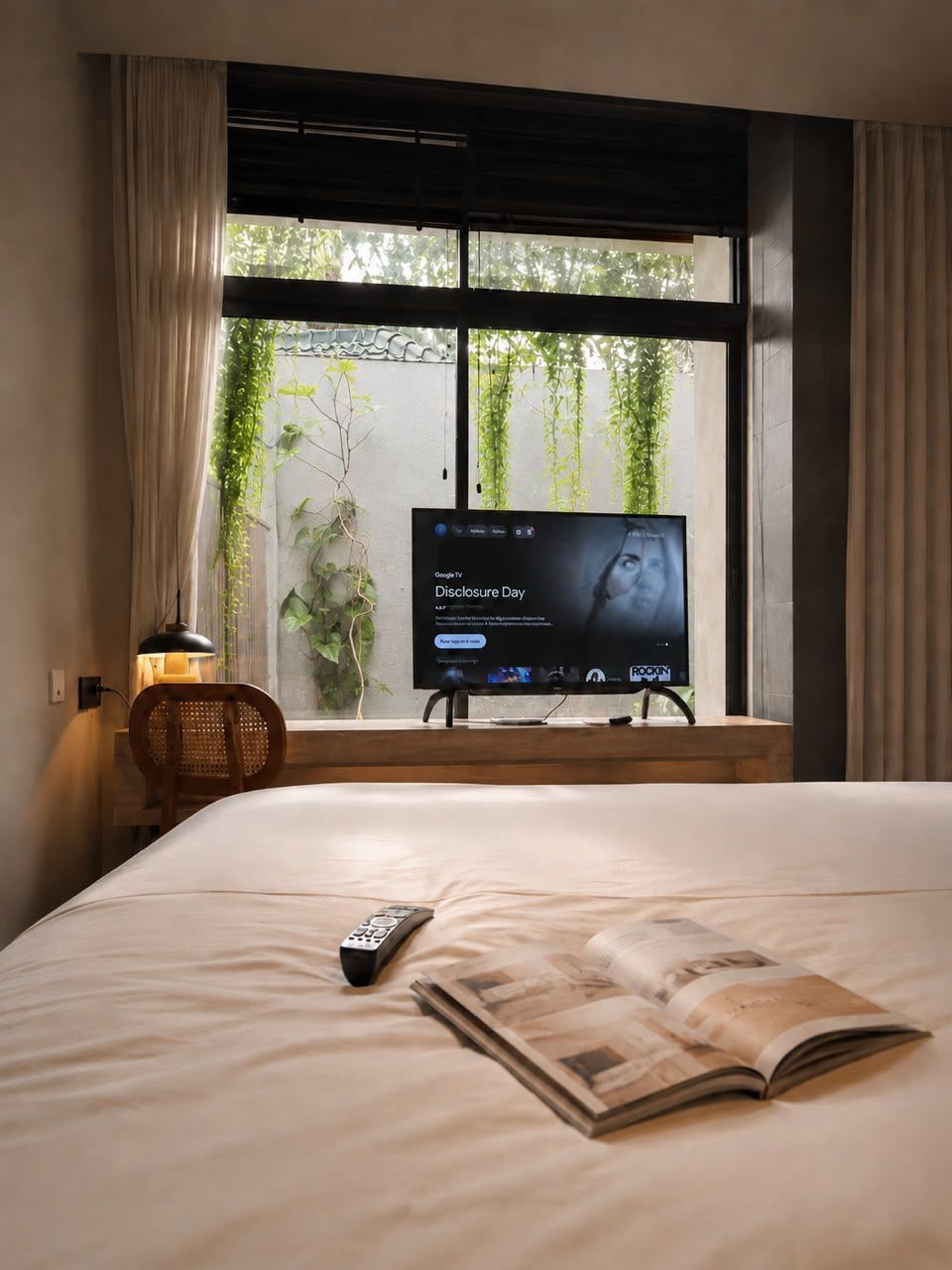
Intuitive design begins with understanding human behavior. Where will luggage naturally be placed upon arrival? Where does the eye look first when entering? How does daylight move across the room during different hours? When these questions are considered thoughtfully, the environment aligns with instinct. Movement flows without interruption. Morning routines unfold without friction. Even something as simple as bedside lighting placement influences whether evenings feel restful or disruptive.
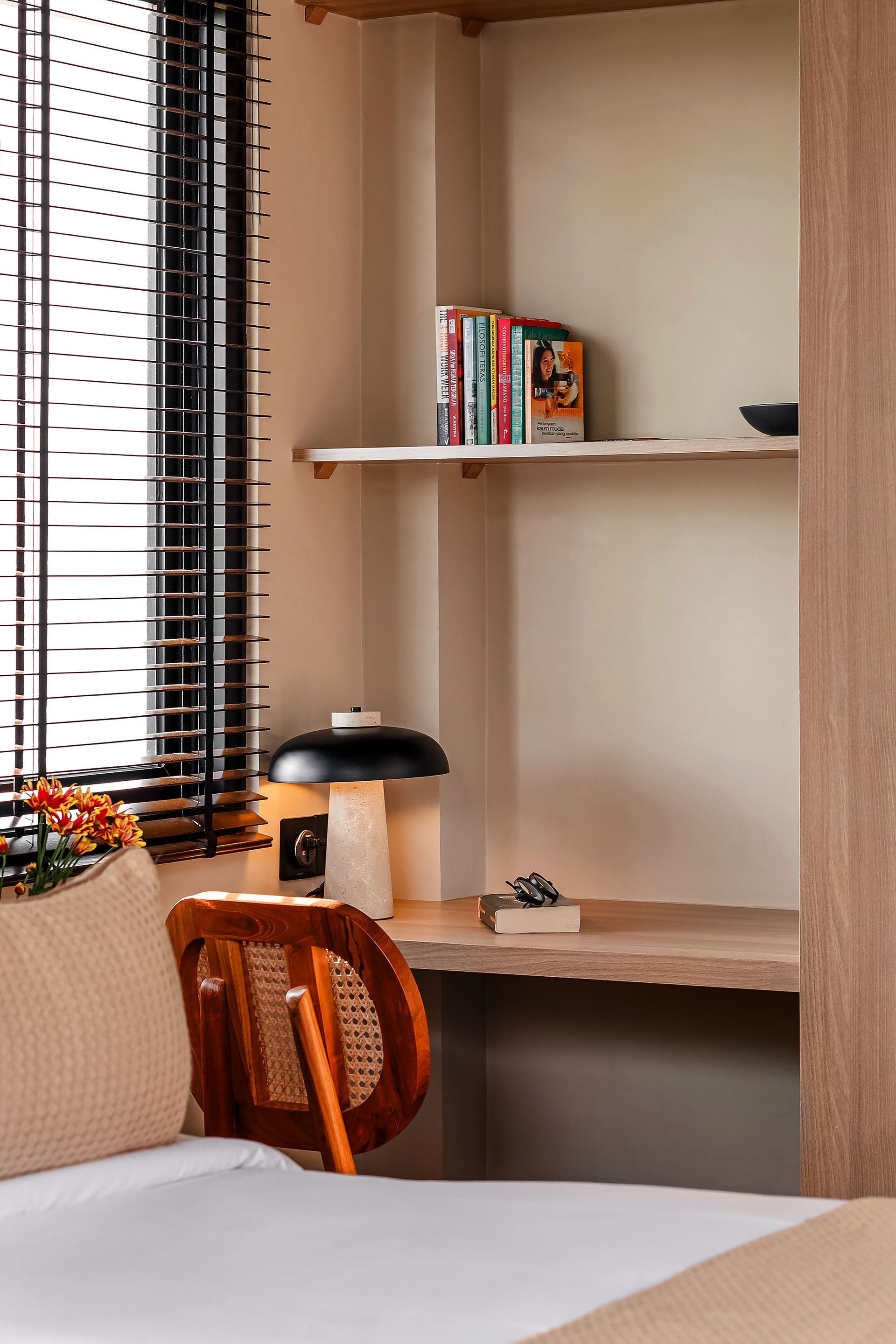
In destinations like Canggu, where guests often balance active days with social evenings, intuitive design supports shifting energy levels. A space that works equally well for quiet mornings and late returns becomes a stabilizing element. The desk area feels usable without overwhelming the room. Seating feels intentional rather than decorative. Surfaces are available where they are needed most. These details create subtle confidence in the environment.
Proportion also plays a significant role. A room does not need to be large to feel spacious. When furniture scale aligns with room dimensions and visual clutter is minimized, the perception of openness increases. Negative space — the deliberate absence of objects — becomes just as important as the objects themselves. It allows the eye to rest. It gives the mind room to settle.
Guests often describe such spaces as feeling “right” or “comfortable” from the first moment. That response is not coincidence. It is the result of design decisions that prioritize ease over spectacle. In a location known for visual stimulation and constant movement, entering a room that feels immediately aligned creates relief. There is no learning curve. No adjustment period. Just presence.
And presence is what transforms accommodation into experience. When guests feel naturally at home within a space, their attention shifts outward — toward the destination, toward their companions, toward the moments that matter most. Intuitive design, therefore, does not draw attention to itself. It quietly supports everything else.
In hospitality, there is a temptation to equate luxury with abundance. More texture, more color, more features, more visual statements. Yet increasingly, experienced travelers recognize a different form of refinement — one rooted in simplicity. Simplicity does not mean absence of character. It means precision. Every element has a reason to exist. Nothing competes unnecessarily for attention. In this restraint, space gains clarity.
Over-designed environments can initially impress. They photograph well. They feel dramatic upon first glance. But over time, excessive visual input can create fatigue. The eye has nowhere to rest. The mind continues processing detail long after arrival. In contrast, simplified spaces age better within a stay. The more time spent inside them, the more their balance becomes apparent. They do not demand admiration; they invite comfort.
Simplicity also signals confidence. When a space does not rely on ornamentation to communicate value, it communicates assurance instead. Clean architectural lines, neutral palettes, and thoughtful proportions suggest that quality lies beneath the surface — in construction, in material choice, in spatial planning. Guests may not consciously analyze these elements, yet they sense integrity.
In Canggu, where external environments are often colorful, layered, and dynamic, returning to a simplified interior provides contrast. It sharpens the experience of the outside world rather than competing with it. After a day filled with surf, traffic, conversation, and movement, visual calm becomes restorative. The absence of clutter is not emptiness; it is breathing room.
Simplicity also enhances versatility. A refined, minimal environment adapts to different moods. It supports productivity during focused hours. It supports relaxation in the evening. It feels equally appropriate for solo travelers, couples, or small groups. Because it does not overwhelm with theme or excess personality, guests can project their own rhythm onto it.
True premium experience often lies in what is not present. It lies in the quietness of design decisions, the smoothness of surfaces, the intentionality of lighting. It lies in the feeling that nothing needs to be adjusted. In that sense, simplicity is not reduction for its own sake. It is alignment.
And alignment, especially in a destination as active as Canggu, becomes a subtle form of luxury — one that endures beyond first impressions.
Travel is rarely just about place. More often, it is about people. Couples marking time away from routine. Friends reuniting across countries. Birthdays, milestones, quiet anniversaries, spontaneous escapes. The setting frames these moments, but the quality of the stay determines how fully they are experienced. When accommodation feels effortless, attention shifts naturally toward connection rather than logistics.
Small frictions — unclear layouts, uncomfortable seating, inconsistent lighting — subtly redirect focus. Conversations are interrupted by adjustments. Plans are delayed by minor inconveniences. Energy disperses into problem-solving rather than presence. In contrast, when the environment requires no negotiation, interactions flow. Guests are not thinking about the room; they are immersed in each other.
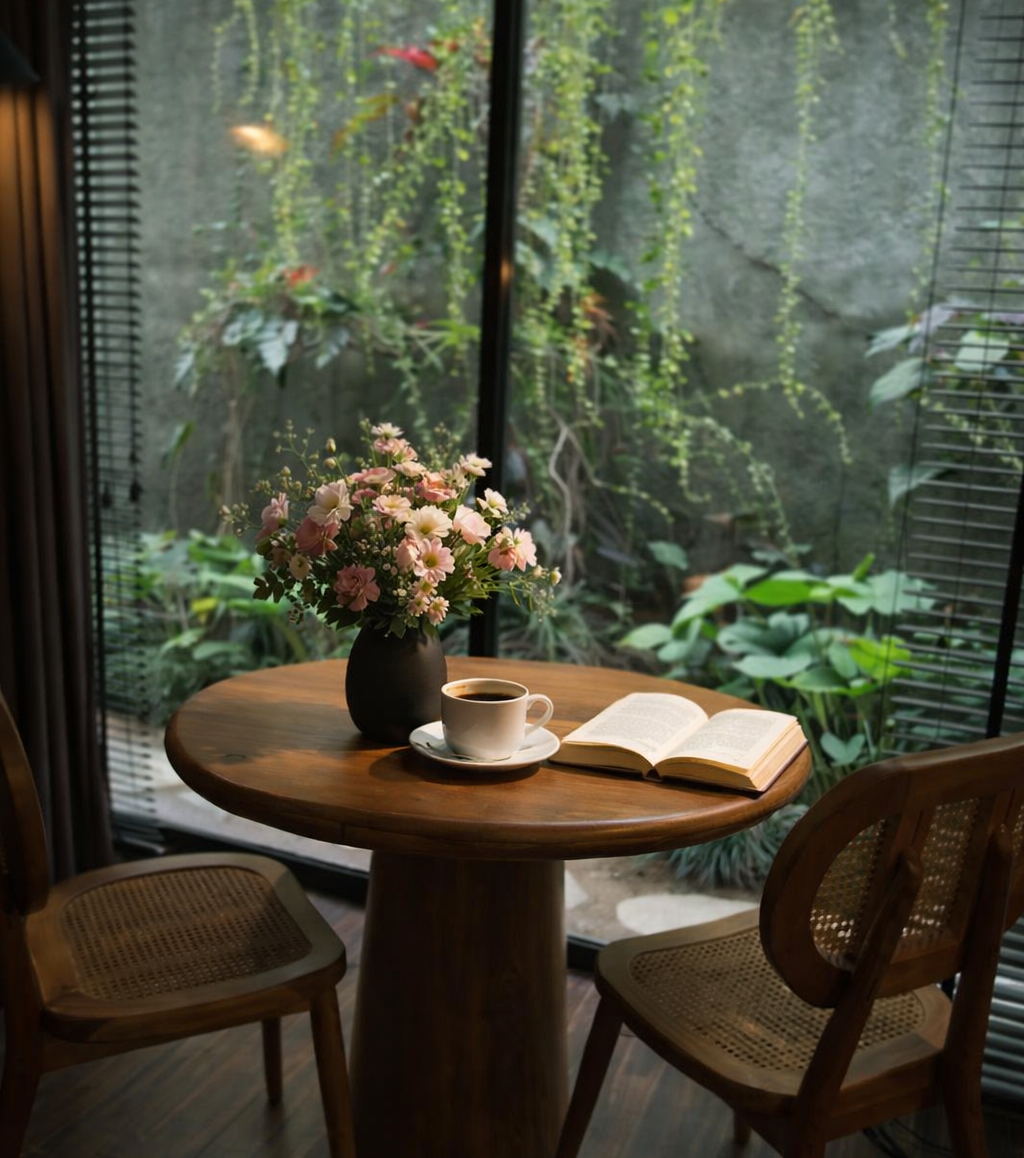
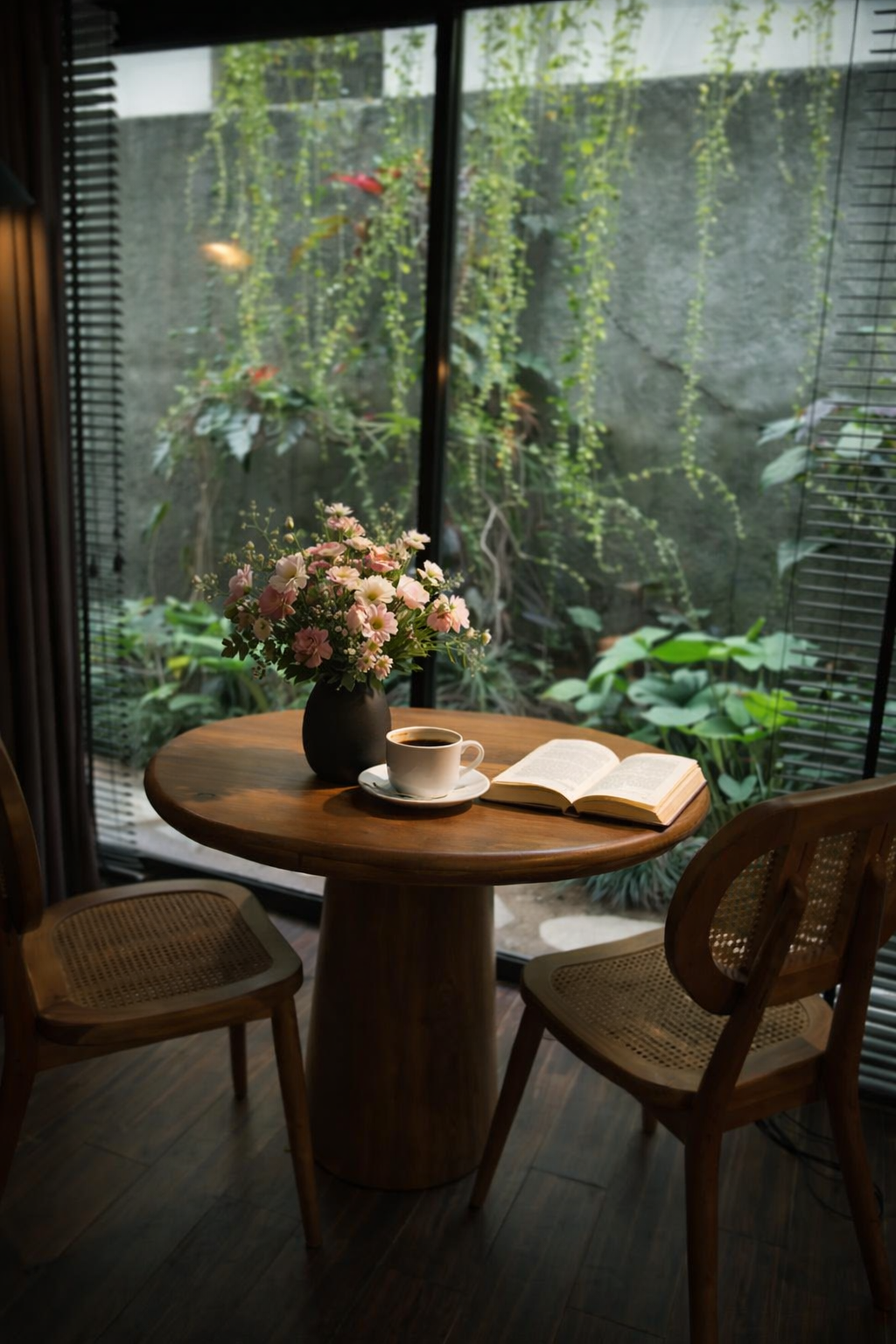
Effortless spaces support shared rituals. Morning coffee enjoyed without cluttered surfaces. Getting ready for dinner without competing for mirror space or lighting. Late-night conversations that extend comfortably because seating feels intentional rather than improvised. These details may appear practical, yet they shape emotional memory. Comfort sustains conversation. Calm supports intimacy.
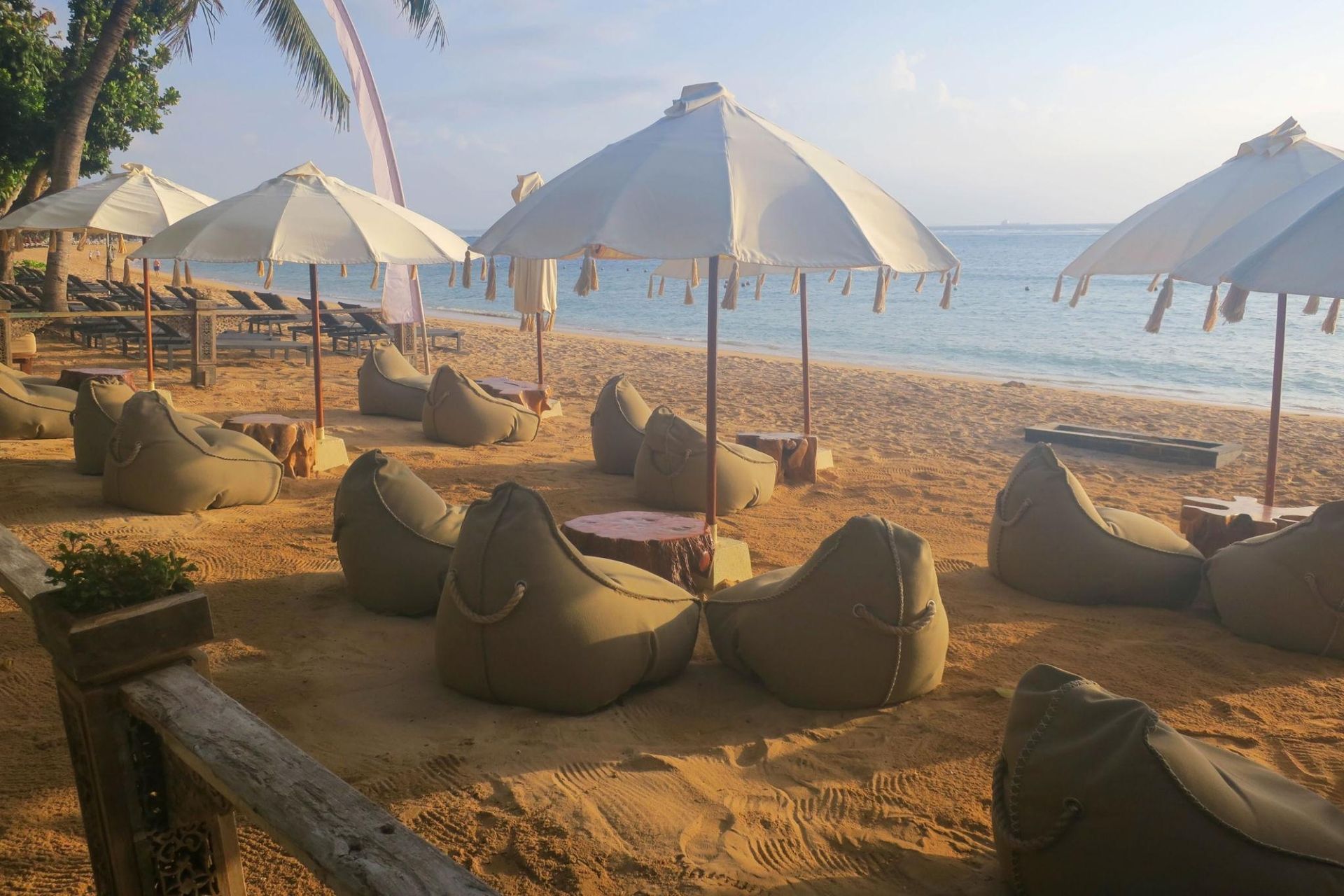
For groups gathering in Canggu — whether for celebrations, creative retreats, or simply time together — the destination already provides stimulation. Beaches, cafés, events, and social venues offer variety. What elevates the experience is returning to a base that stabilizes rather than amplifies that stimulation. After sunset gatherings or long dinners, stepping into a composed, quiet space allows the day to settle gently. Laughter softens instead of echoing. The transition from social energy to private reflection becomes seamless.
Couples often measure a stay not by spectacle but by atmosphere. A room that feels balanced enhances closeness. Lighting that flatters rather than overwhelms sets tone. A layout that supports shared movement reduces unconscious tension. These factors contribute to whether moments feel rushed or expansive.
Ultimately, effortless hospitality protects what matters most: attention. When guests do not have to manage their surroundings, they can devote that energy to experience. In a destination known for vibrancy, preserving presence becomes invaluable. The most meaningful memories rarely stem from perfection. They stem from ease — from days that unfolded smoothly, from evenings that ended naturally, from spaces that supported connection without demanding it.
And that is where effortlessness reveals its true value. It is not about minimizing effort for its own sake. It is about maximizing what remains.
In a place as dynamic as Canggu, effortlessness becomes a quiet differentiator. The destination itself offers movement, creativity, and social possibility at every corner. What shapes the overall experience is not how much is available, but how smoothly it integrates into daily rhythm. When a stay feels coherent from arrival to departure, the outside energy enhances rather than overwhelms.
An effortless base does not attempt to compete with Canggu’s vibrancy. Instead, it complements it. It understands that guests may spend mornings exploring, afternoons working remotely, and evenings reconnecting with friends. It anticipates that days will vary in tempo. And so it remains steady. Clean lines. Balanced lighting. Thoughtful positioning within the neighborhood. Close enough to reach what matters, yet composed enough to feel distinctly separate from the busiest flow.
This kind of hospitality does not announce itself loudly. It is felt in transitions — the ease of entering the room after a long ride, the calm that settles once the door closes, the natural way evenings wind down without interruption. Guests may not analyze why the stay feels smooth; they simply describe it as comfortable, easy, well-designed. Beneath those words lies intentionality.
In the end, travel memories are shaped less by grand gestures and more by continuity. The way mornings begin. The way nights conclude. The sense that everything aligned without unnecessary adjustment. In Canggu, where days are layered with possibility, having a base that supports that flow transforms the entire experience.
Effortless hospitality is not about removing character. It is about refining it. It is about creating a space where guests can move through Bali’s energy confidently, knowing that clarity and calm await them. When design, location, and atmosphere work quietly together, the stay becomes seamless — and seamless is often what lingers longest.