






The Art of Arrival: Why the First 10 Minutes Shape Your Entire Stay
Every stay begins long before a guest opens the door to their room. It begins in the subtle space between arrival and settling in — the first few minutes where impressions quietly take root. In hospitality, these early moments carry more weight than most realize. After hours of travel, shifting time zones, navigating airports, or moving through unfamiliar streets, guests do not arrive as blank slates. They arrive carrying noise — physical fatigue, mental lists, expectations, and sometimes quiet anxiety. The role of a hotel is not simply to provide a room, but to absorb that noise gently. The first ten minutes act as a psychological reset point. If handled with care, they slow the guest’s internal pace, signaling that urgency is no longer required. If rushed or fragmented, they amplify lingering stress. This is why arrival should never feel transactional. A smooth check-in process is important, but efficiency alone does not create calm. What creates calm is coherence — the feeling that everything is intentional, from the temperature of the space to the tone of voice at the front desk. Small sensory details begin working immediately: the transition from outdoor heat to indoor comfort, the shift from traffic sounds to softened acoustics, the subtle scent of a clean environment. These cues tell the nervous system it is safe to relax. Guests may not consciously register each detail, but their bodies respond. In those first moments, they are subconsciously asking: “Am I welcome here? Is this space prepared for me?” When the answer feels like yes, the rest of the stay unfolds differently. Patience increases. Minor imperfections feel forgivable. Trust forms early. Hospitality, at its highest level, understands that the arrival experience is not a procedure — it is a transition ritual. It marks the movement from the outside world into a temporary home. Designing this ritual with intention does not require extravagance. It requires awareness of how human beings decompress. The first ten minutes are rarely dramatic, yet they quietly shape everything that follows.
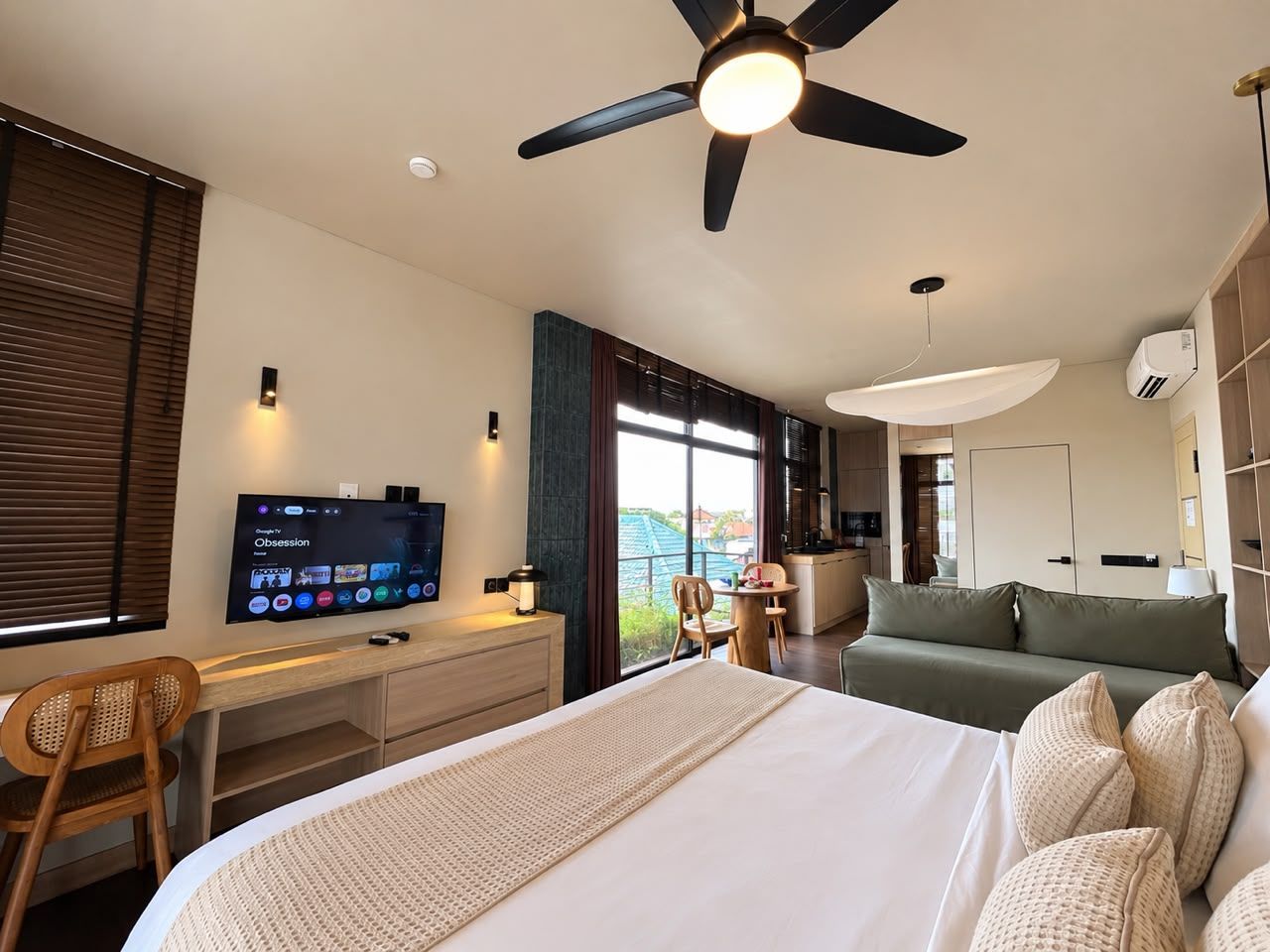
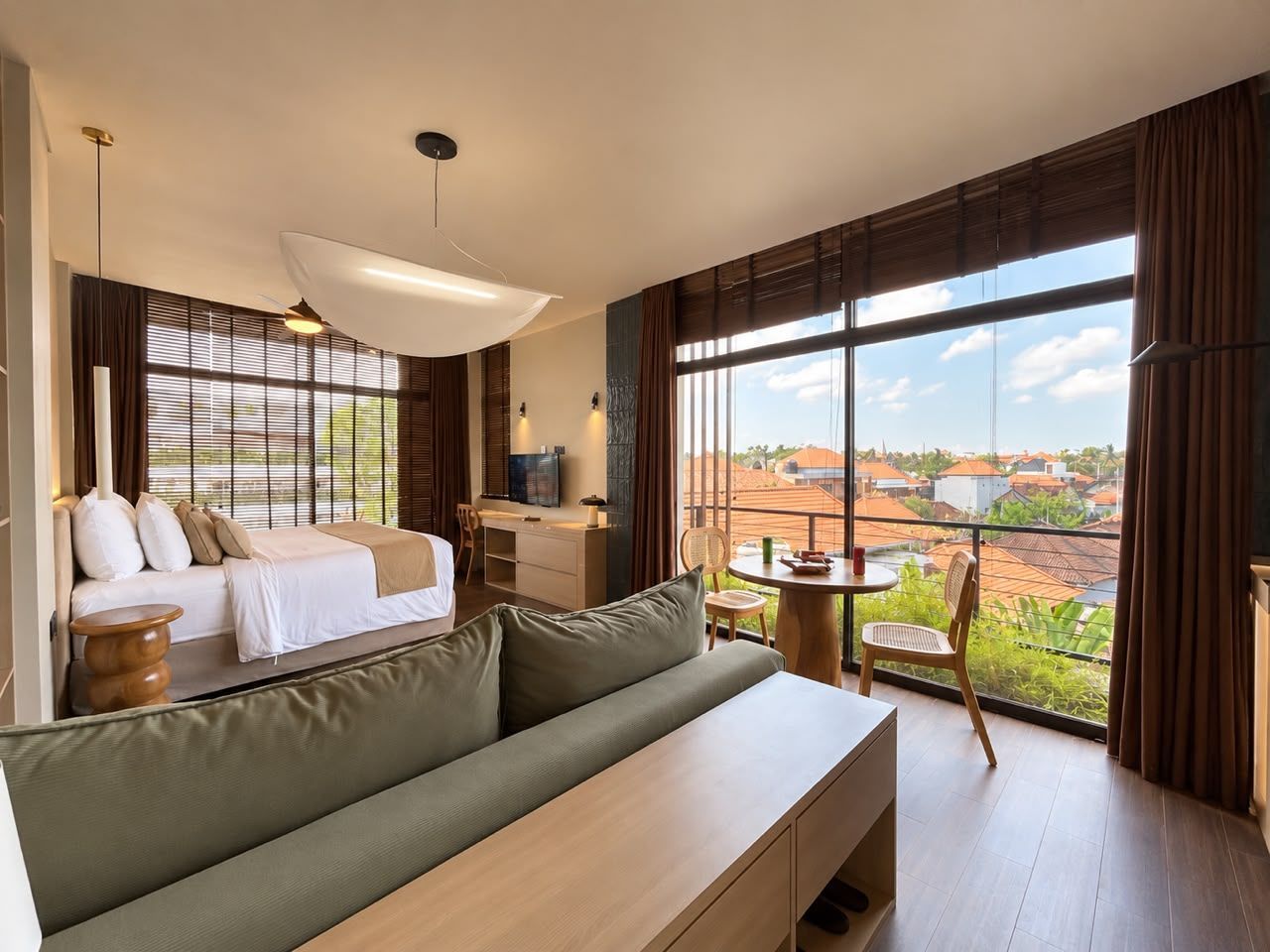
The physical environment plays a decisive role in how quickly a guest feels settled. Before any words are exchanged, space communicates. The layout of a lobby, the distance between entrance and reception, the flow of movement, and even the height of the ceiling all influence how the body interprets arrival. When a space feels cluttered or visually loud, the mind remains alert. Guests instinctively scan for direction, cues, and confirmation. But when the design is intuitive and uncluttered, orientation happens almost effortlessly. Clear sightlines reduce cognitive strain. Soft lighting prevents overstimulation. Balanced acoustics absorb echoes and harsh sounds that might otherwise keep the nervous system activated. These design choices are not decorative — they are regulatory. They guide the body from vigilance into ease.
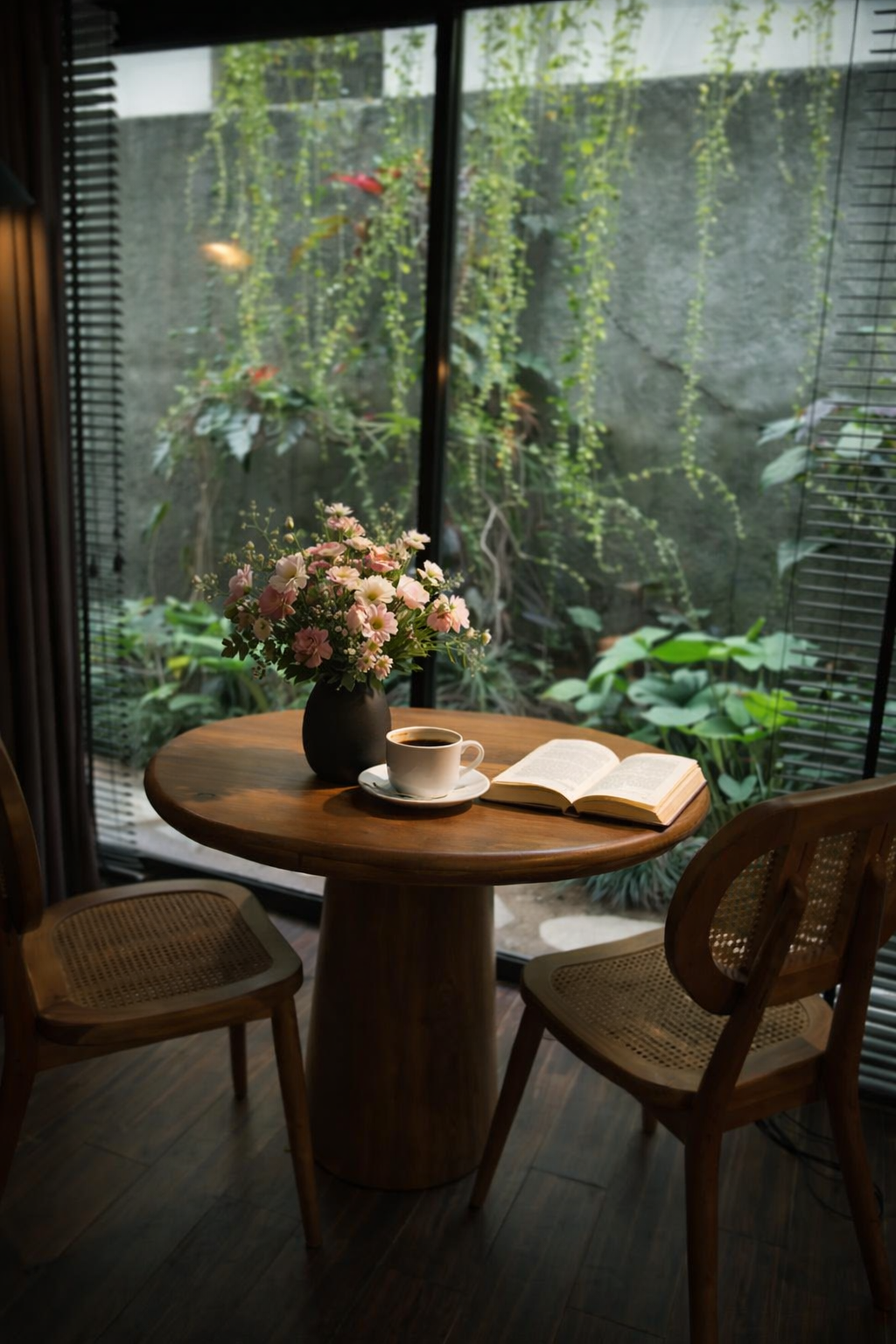
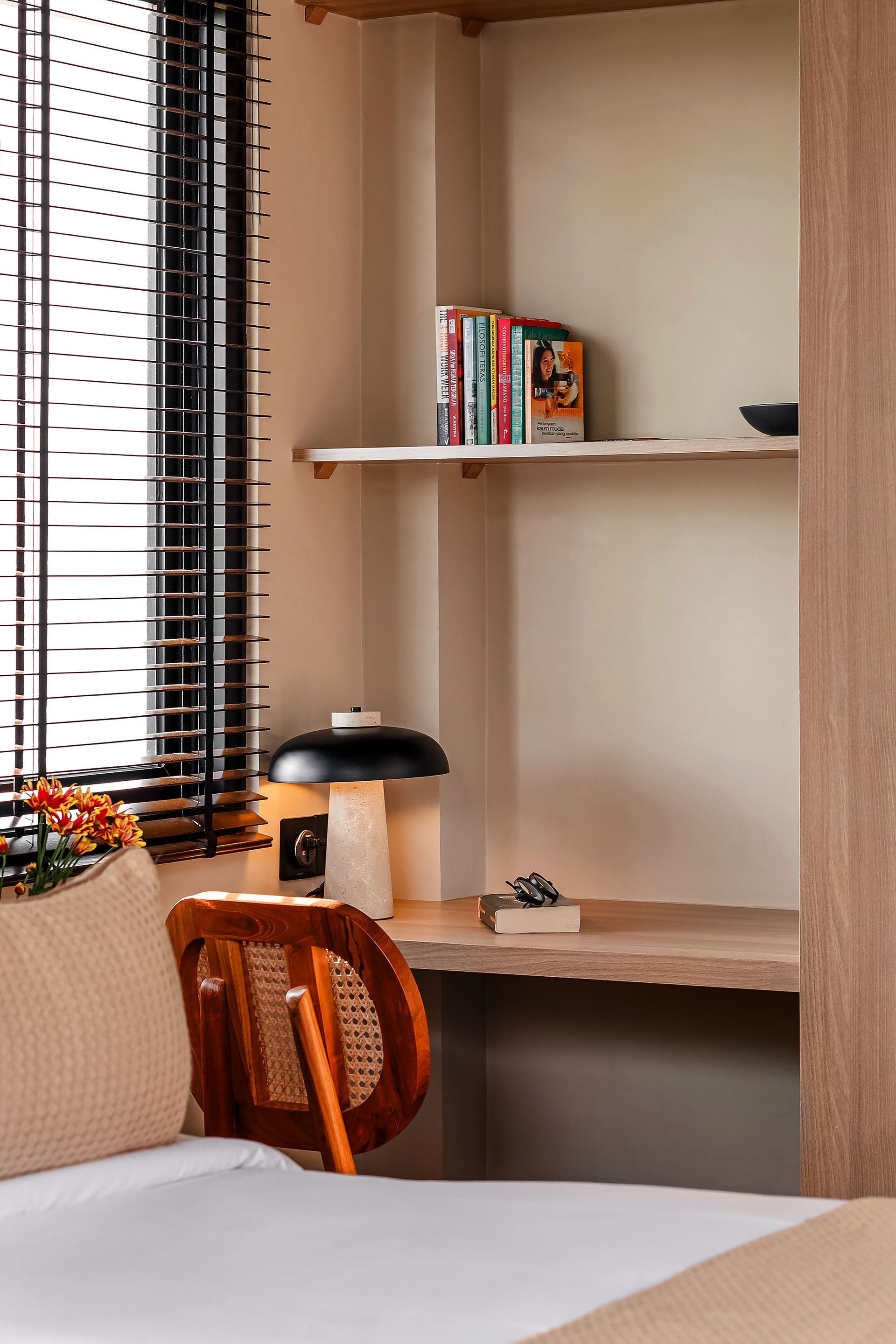
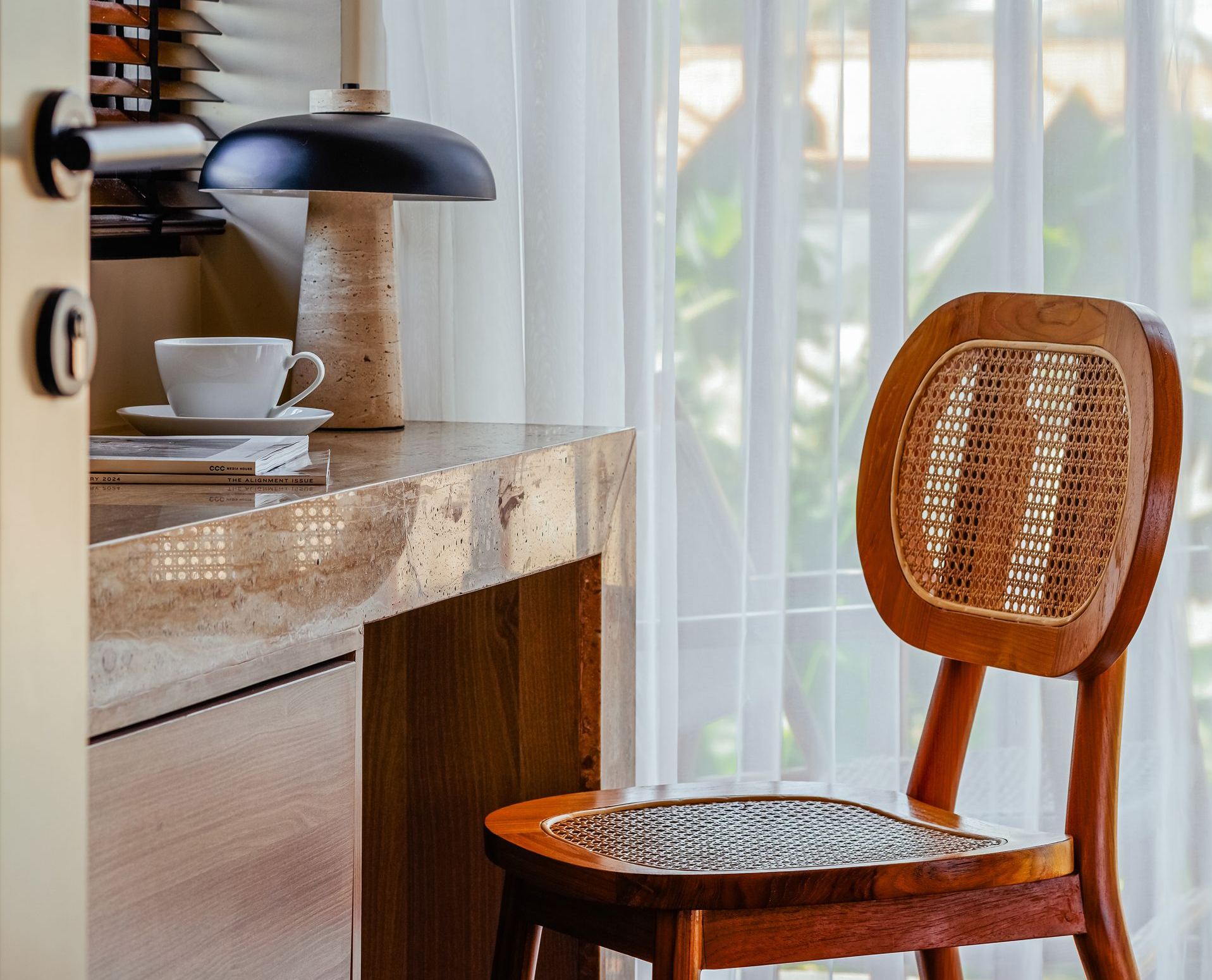
Lighting, in particular, is powerful. Natural light or warm-toned illumination signals safety and rhythm. Harsh white light, while practical, can feel clinical and keep the brain in task mode. The same applies to materials. Natural textures such as wood, stone, and fabric introduce visual softness. Hard, reflective surfaces multiply sensory input and subtly increase tension. Temperature consistency matters as well. A stable, comfortable indoor climate tells the body it can stop adapting. Even airflow contributes to this impression; stagnant air feels heavy, while gentle circulation feels alive yet calm.
Flow is another silent communicator. When guests intuitively know where to stand, where to sit, and where to move next, they feel competent rather than managed. Confusion during arrival creates micro-stress. Clear pathways reduce it. This is why thoughtfully designed spaces feel “easy” without guests knowing why. The absence of friction becomes the experience.
Importantly, settling does not require grandeur. Spaciousness is not measured in square meters alone, but in visual breathing room. A modest space can feel expansive when proportion and placement are intentional. What matters most is that nothing competes aggressively for attention. Arrival is a vulnerable moment; guests are recalibrating. A well-designed environment supports that recalibration quietly.
When space holds guests gently, the check-in process becomes secondary rather than central. The body has already begun to slow down. By the time keys are handed over, the guest is no longer arriving — they are already transitioning into rest. And that shift, though subtle, is the beginning of a meaningful stay.
While design shapes the body’s first response, human presence shapes the emotional tone of arrival. The way a guest is greeted often determines whether the space feels personal or purely operational. A smile alone is not enough; what matters is congruence — when facial expression, tone, posture, and timing align naturally. Guests are highly sensitive to authenticity, especially in the first minutes of interaction. After travel, their senses are heightened. They can detect hurried politeness, scripted warmth, or divided attention. Conversely, they can also feel when they are genuinely acknowledged.
A simple greeting delivered with calm eye contact and unforced tone can create immediate grounding. It signals, “You are expected here.” That subtle reassurance reduces the invisible tension many travelers carry. Importantly, effective hospitality does not overwhelm guests with information upon arrival. Overloading instructions or policies can reactivate stress. Instead, pacing matters. Offering guidance in digestible steps mirrors the rhythm of settling in. First, welcome. Then orientation. Then details. This sequencing respects the human need to adjust gradually.
There is also power in stillness. Not every moment requires filling with words. A composed pause while preparing documents or keys communicates steadiness. Rushed gestures, by contrast, transmit urgency even when none exists. Guests unconsciously mirror the emotional state presented to them. If the staff appears grounded, the guest’s body begins to mirror that calm. If the staff appears pressured, tension transfers silently.
Personalization, even in small doses, strengthens connection. Using a guest’s name, acknowledging their journey, or noticing a detail such as luggage or weather experience creates micro-moments of recognition. These gestures do not need to be elaborate. In fact, subtlety often feels more sincere. The goal is not to impress but to humanize.
Hospitality at its best understands that arrival is a shared moment between guest and host. It is not merely an exchange of information; it is a relational threshold. When that threshold feels respectful and attentive, trust forms quickly. And once trust is established, the rest of the stay unfolds with greater ease. Human touch does not replace good systems — it completes them. In the first ten minutes, that completion makes all the difference.
The rhythm set during arrival does more than create comfort — it influences behavior throughout the stay. When guests enter a space that moves with calm confidence, they tend to match that tempo. Human beings naturally synchronize with their environment. If the first moments feel rushed, fragmented, or tense, guests remain in performance mode. They evaluate, compare, and anticipate problems. But when the rhythm is steady and unhurried, something shifts. The body interprets the environment as stable, and vigilance softens.
This softened vigilance has practical effects. Guests who feel regulated are more patient when minor inconveniences arise. A brief delay in service feels situational rather than systemic. A small imperfection in the room is perceived as human rather than careless. Trust established early creates interpretive generosity. In contrast, if arrival felt chaotic, the same small imperfection may confirm an internal narrative of disorganization. The experience is filtered through that first emotional imprint.
Calm rhythm also affects how guests move through the property. They walk more slowly. They speak more softly. They treat shared spaces with greater awareness. The atmosphere becomes self-reinforcing. One regulated nervous system supports another. Over time, this collective tone becomes part of the property’s identity — not because it is announced, but because it is embodied consistently.
Importantly, calm does not mean slow service. It means intentional pacing. Efficiency can coexist with softness when processes are well designed and staff are not forced into visible stress. Guests do not measure quality solely by speed; they measure it by coherence. When actions feel aligned and unforced, even brief interactions leave a lasting impression.
Hospitality spaces that prioritize rhythm understand they are shaping more than comfort — they are shaping culture within the property. The first ten minutes become a subtle contract between guest and host. It communicates, “This is how we move here.” When that movement feels grounded, the entire stay inherits that stability. And stability, more than spectacle, is what makes a place feel truly restorative.
The arrival experience does not end at the reception desk; it echoes long after departure. When guests reflect on their stay, they rarely recount events in strict chronological order. Instead, memory organizes itself around emotional anchors. Arrival is one of the strongest of these anchors. If the first moments felt calm, respectful, and intentional, the overall memory of the stay tends to lean positive — even if small inconveniences occurred later. This is not accidental. Psychologically, first impressions shape interpretive bias. Once trust is formed, the mind searches for confirmation of that trust. When trust is absent, the mind searches for flaws.
This dynamic directly influences reviews. Guests who felt grounded upon arrival often describe their stay using words such as “smooth,” “welcoming,” or “easy,” even if the property was busy. Notice that these descriptors refer less to features and more to feeling. Emotional tone becomes shorthand for quality. On the other hand, if the first interaction felt cold or rushed, reviews may focus on minor operational details with disproportionate weight. The emotional baseline shifts the narrative.
Repeat bookings follow the same pattern. Travelers return not only to a location, but to a feeling. Familiarity reduces cognitive effort, and positive first impressions deepen that sense of ease. When guests know that arrival will feel seamless and respectful, they remove a layer of uncertainty from future trips. This reliability becomes part of the property’s value. It is quiet but powerful.
In an increasingly competitive hospitality landscape, amenities are easily replicated. Design trends circulate quickly. What remains difficult to copy is emotional consistency. The way a property welcomes its guests — consistently, regardless of season or occupancy — becomes a signature. Over time, this signature defines brand identity more clearly than marketing language ever could.
Ultimately, the art of arrival is an investment in memory. It shapes how guests speak about the property, how they recommend it, and whether they choose to return. By honoring the first ten minutes, hospitality does more than facilitate check-in. It begins a relationship.
At its heart, hospitality is not defined by grand gestures but by how thoughtfully it handles transitions. Arrival is one of the most delicate of these transitions — a quiet crossing from movement into stillness, from public space into temporary belonging. When a property treats this crossing with intention, it communicates something deeper than efficiency. It communicates care.
Care is often subtle. It lives in prepared spaces, in composed gestures, in timing that does not feel forced. It lives in the awareness that guests are not simply checking into a room, but shifting out of the outside world. This awareness shapes countless small decisions behind the scenes: how the space is arranged before doors open each morning, how teams coordinate during busy hours, how tone is maintained even under pressure. Guests may never see this preparation, yet they feel its result.
The first ten minutes of a stay are rarely dramatic. There are no ceremonies, no announcements, no spectacle. And yet, within those minutes, something important happens. The body decides whether to relax. The mind decides whether to trust. The guest decides — often unconsciously — whether this place feels right.
When arrival is designed as a gentle unfolding rather than a transaction, the entire stay inherits that softness. Conversations flow more naturally. Rest feels deeper. Departures feel less abrupt. The experience becomes cohesive, not because it was extravagant, but because it was intentional from the beginning.
In the end, what guests carry with them is not only the comfort of a bed or the beauty of a space, but the memory of how they were received. To be welcomed with calm is to be invited into ease. And sometimes, that invitation — offered quietly in the first moments of arrival — is what transforms a stay into something truly meaningful.