





The Importance of Personal Space in a Social Destination

Bali, and especially Canggu, has become synonymous with connection. Cafés double as co-working hubs, beach sunsets turn into spontaneous gatherings, and chance encounters often lead to shared plans. For many travelers, this social openness is precisely the appeal. The island feels alive, collaborative, and welcoming. Yet within this vibrant atmosphere lies an often-overlooked necessity: personal space. In destinations designed around community and movement, the ability to retreat becomes just as valuable as the ability to participate. Social energy is powerful, but it is not sustainable without pause. Travelers may arrive eager to immerse themselves — to meet people, explore scenes, and fill each day. However, without a private environment that restores equilibrium, even the most exciting trip can become overstimulating. Personal space, in this context, is not isolation. It is regulation. It allows individuals to remain engaged without becoming depleted. A thoughtfully designed hotel room becomes more than accommodation; it becomes a boundary. It is where conversations end softly, where devices are set aside, where the outside world’s tempo is temporarily muted. In a social destination, that boundary is not optional luxury — it is functional necessity. The most fulfilling stays are rarely the busiest; they are the most balanced. When guests know they can return to a space that feels composed and uninterrupted, they engage with the surrounding energy more confidently. They socialize more freely because they know rest is available. They explore more deeply because recovery is guaranteed. Personal space, paradoxically, enhances connection. By protecting moments of quiet, it preserves enthusiasm for everything beyond the door.
Overstimulation while traveling is rarely discussed, yet almost everyone experiences it. Airports, new environments, unfamiliar sounds, shifting schedules, constant navigation — all require heightened awareness. In destinations like Canggu, that stimulation continues long after arrival. Motorbikes weave through traffic, music drifts from nearby venues, conversations overlap in cafés, and visual details compete for attention. Even positive experiences accumulate sensory load. The brain remains alert, processing novelty at every turn. Over time, this heightened state can quietly erode energy, making small inconveniences feel larger than they are. What many travelers interpret as fatigue or irritability is often simple sensory saturation.
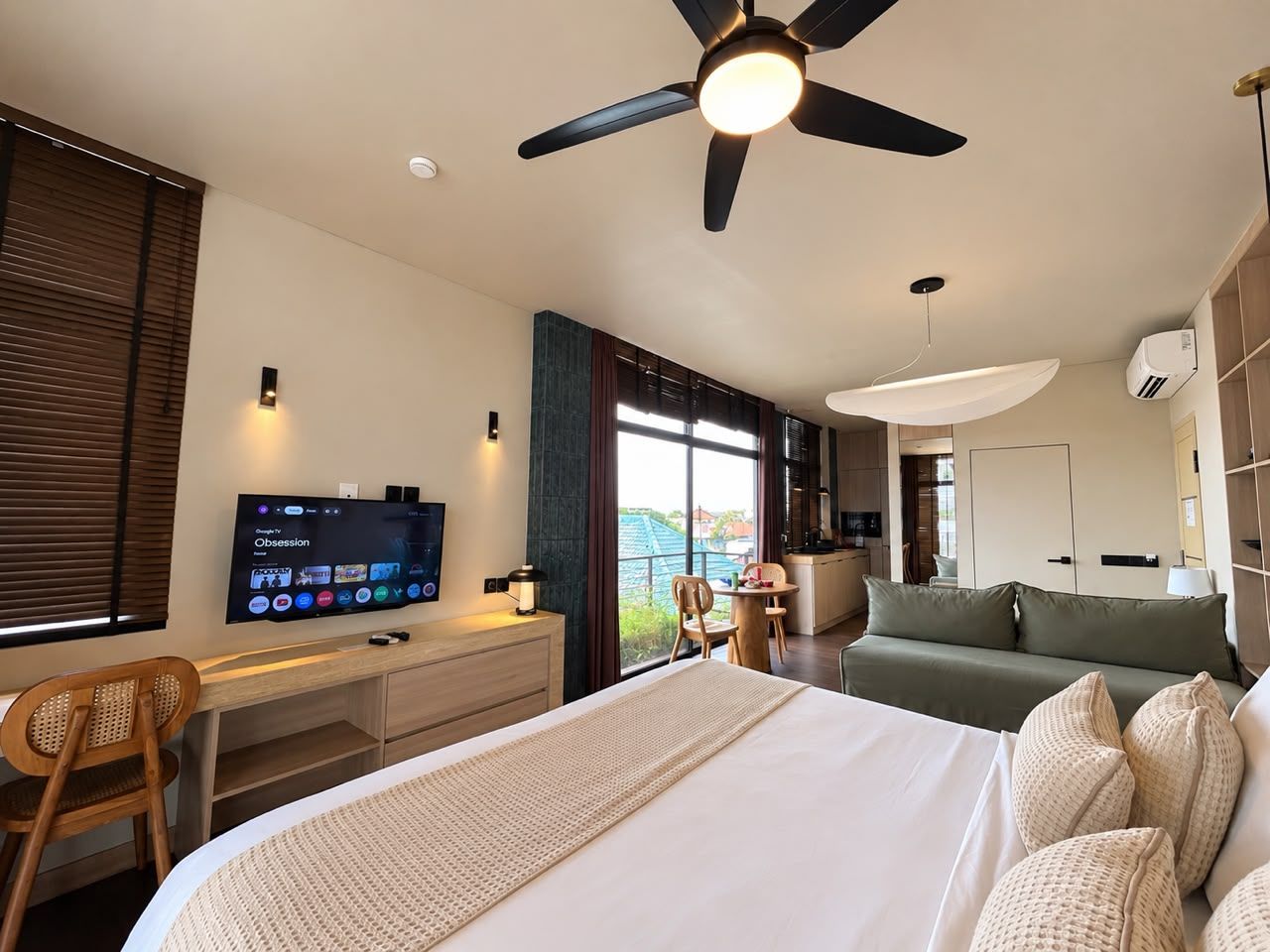
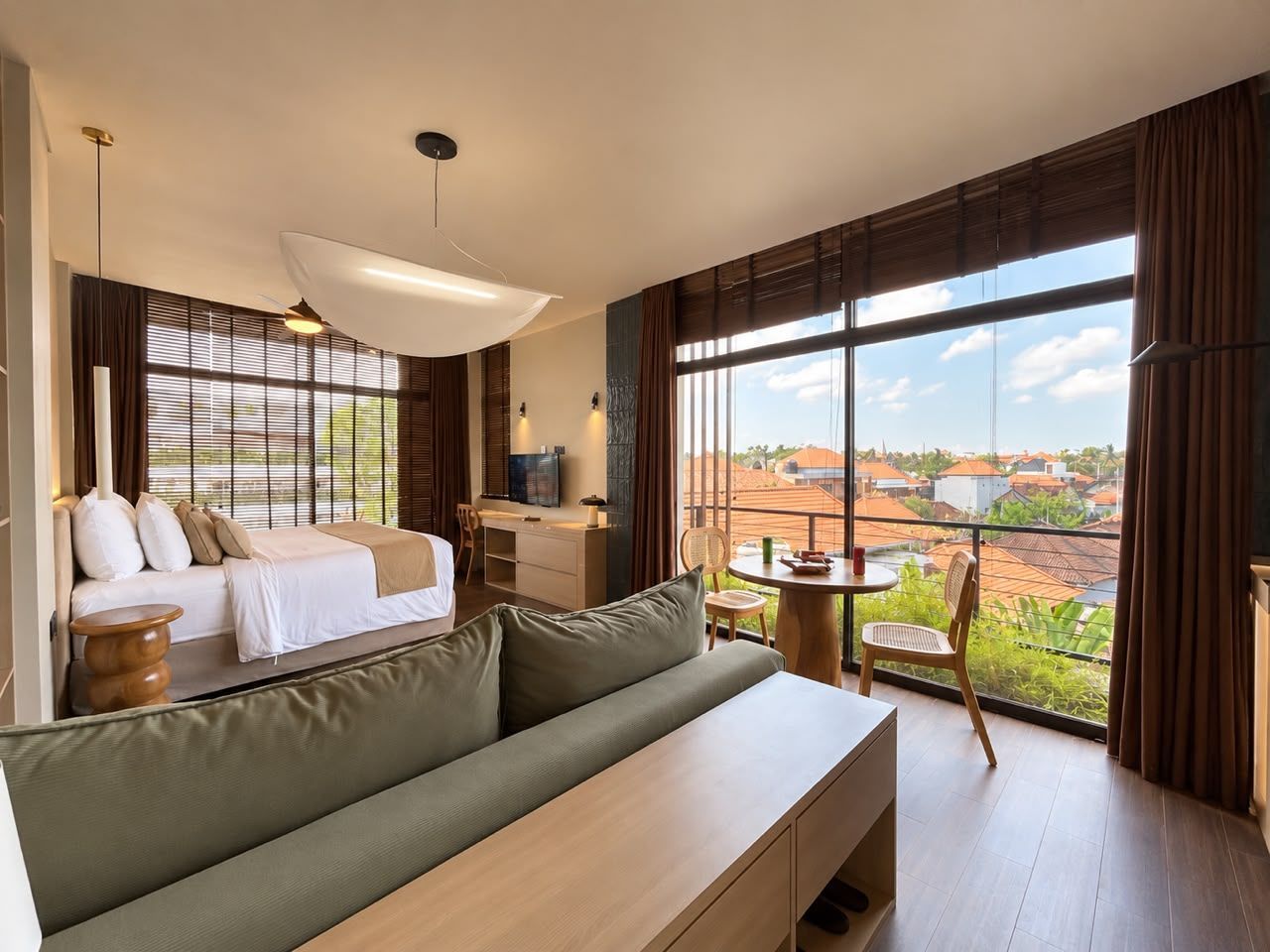
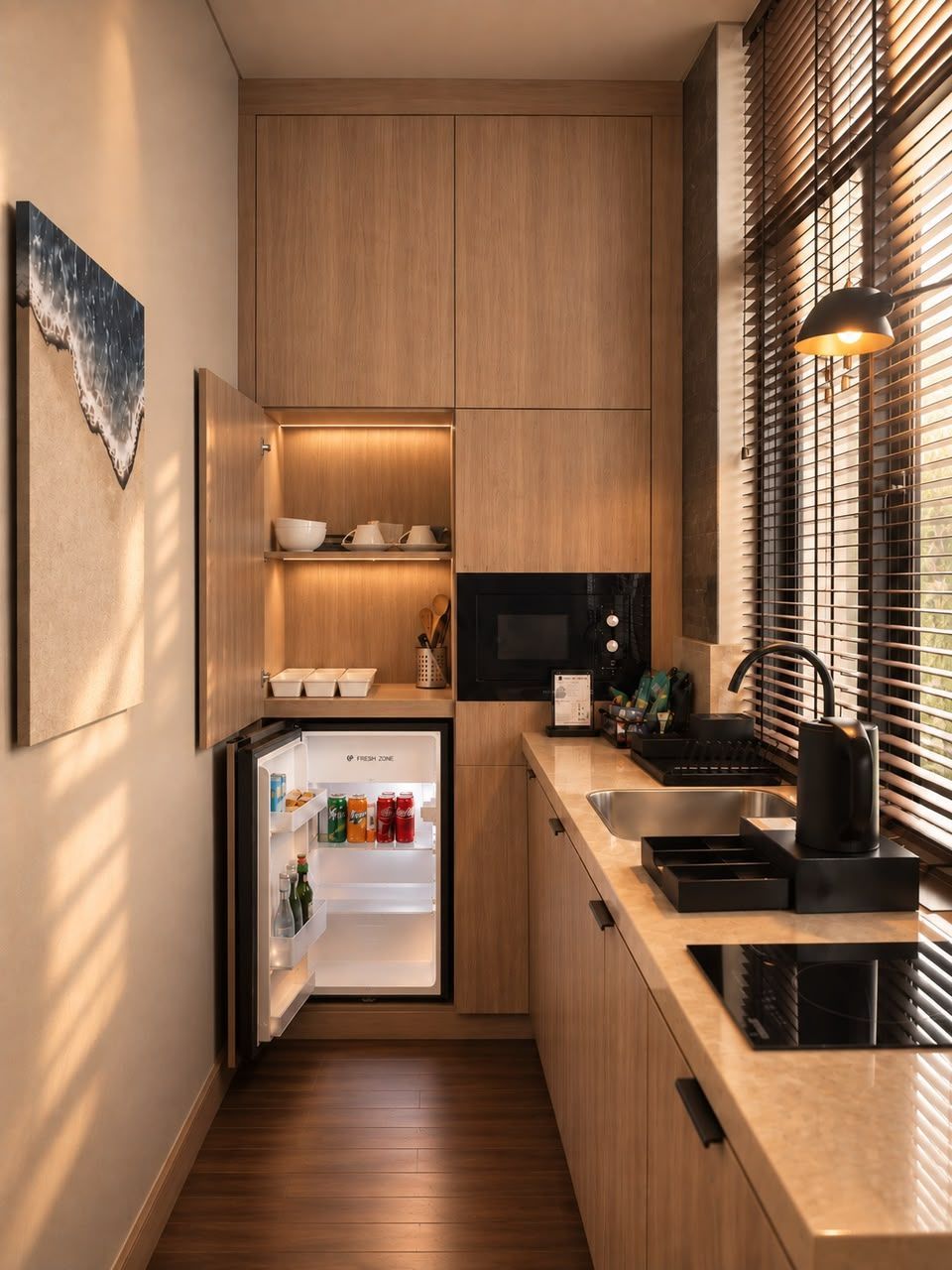
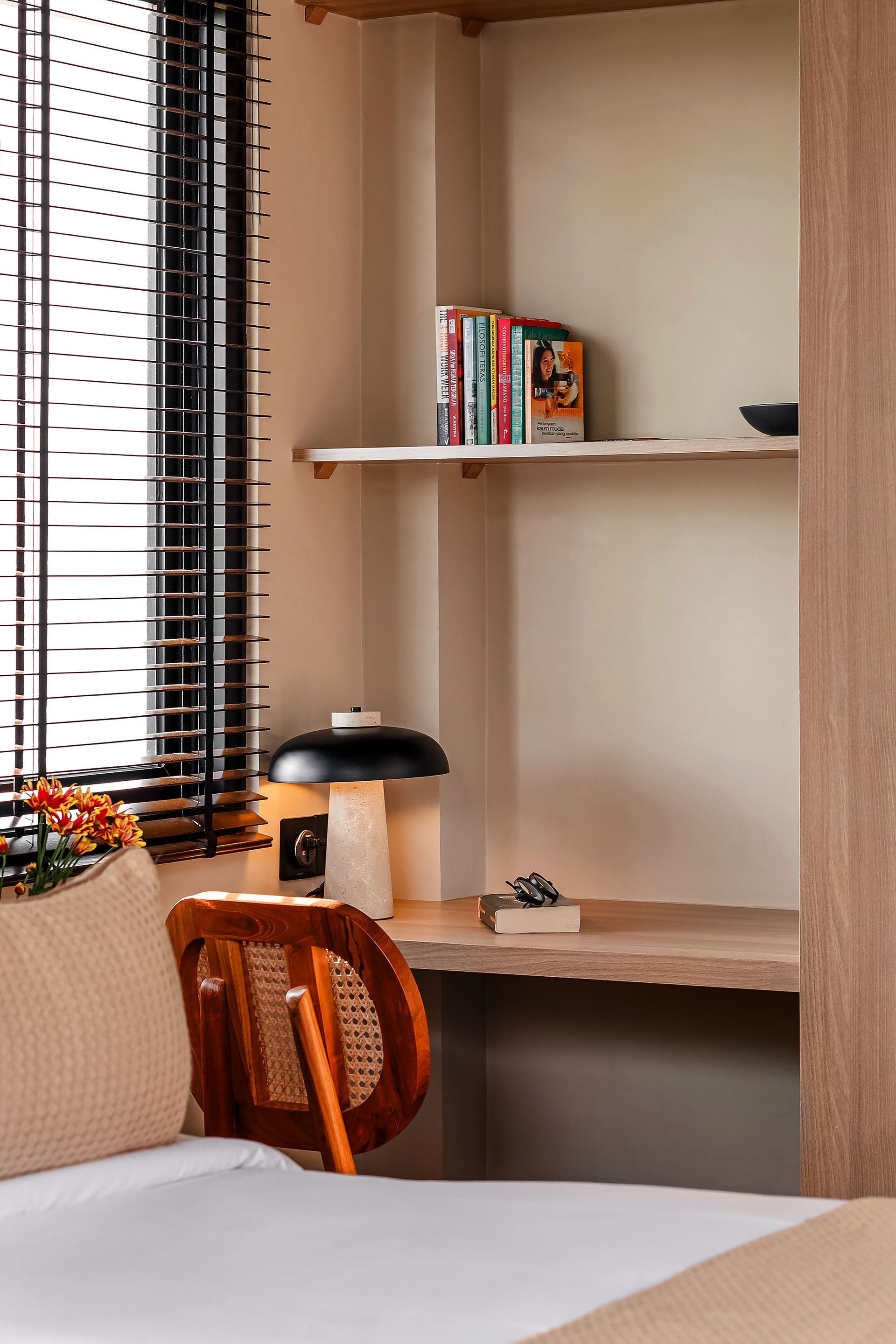
This is where accommodation becomes more than a place to sleep. A well-designed hotel room acts as a decompression chamber. The absence of clutter reduces visual demand. Controlled lighting softens transitions from day to evening. Sound insulation creates a subtle but critical separation from outside movement. Even the layout of furniture influences how quickly the body unwinds. When pathways are clear and proportions feel balanced, the mind does not need to “solve” the space. It can simply exist within it.
Color palette also plays a role. Neutral, warm tones stabilize perception. Excessively bright or contrasting interiors may appear stylish but can prolong mental alertness. Texture introduces comfort — fabrics, natural materials, and softened edges signal safety at a subconscious level. These elements combine to lower cognitive load. The guest may not consciously analyze the design, but they feel its effect.
Importantly, overstimulation does not mean travelers want silence or isolation. It means they need rhythm. Engaging with the destination, then stepping back. Socializing, then restoring. A room that supports this rhythm becomes essential infrastructure for a balanced stay. Without it, even the most exciting itinerary begins to blur.
In social destinations, the value of private calm cannot be overstated. It allows guests to re-enter the world each day with clarity rather than fatigue. The design of a space, therefore, is not aesthetic decoration. It is an instrument of regulation. And regulation sustains enjoyment.
Sleep is often underestimated in travel planning. It is assumed rather than designed for. Yet in destinations filled with activity and social opportunity, quality rest becomes the quiet foundation of everything else. In Canggu, where mornings can begin with surf sessions and evenings may extend into long dinners or gatherings, the body operates across extended rhythms. Without restorative sleep, even the most carefully curated itinerary begins to lose its appeal. Energy drops. Patience shortens. Curiosity narrows.
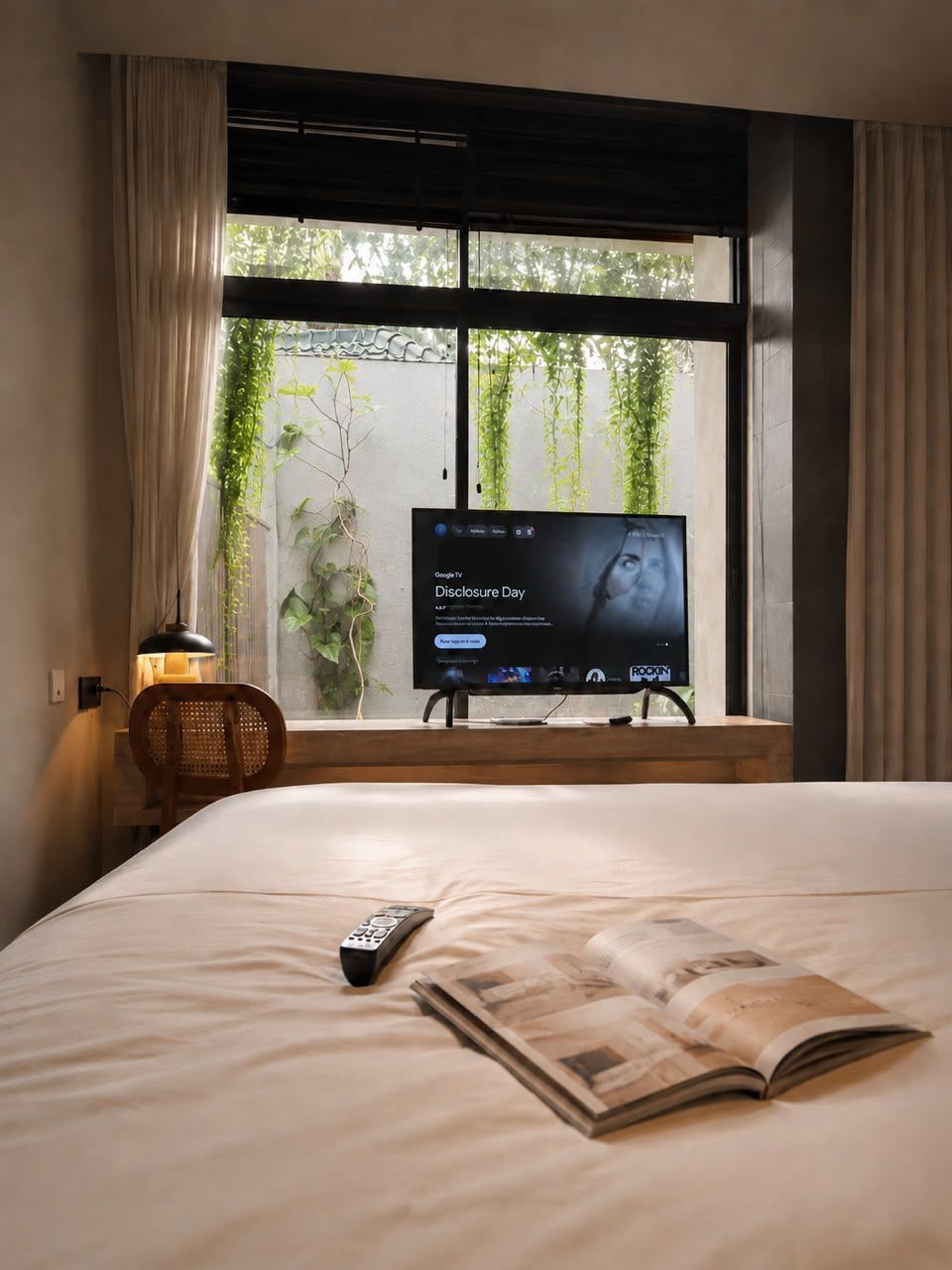
Quality sleep is influenced by more than a comfortable mattress. It begins long before lights are turned off. The transition from stimulation to stillness must be supported. Soft lighting in the evening signals the body to wind down. Adequate sound buffering shields against unpredictable noise. Temperature consistency prevents micro-awakenings that fragment deeper rest cycles. Even the psychological sense of safety — knowing the space feels private and contained — contributes to how deeply one sleeps.
In socially active destinations, guests often return to their rooms carrying residual momentum from the outside world. Conversations replay in the mind. Plans for the next day surface. The design and atmosphere of the room either absorb that momentum or amplify it. A composed environment gently slows mental activity. Clear surfaces and uncluttered surroundings reduce visual stimulation, allowing the brain to disengage. Gradually, the body follows.
The impact of a well-rested night extends into every interaction the next day. Breakfast feels enjoyable rather than rushed. Traffic feels manageable rather than frustrating. Social gatherings feel engaging instead of draining. The difference is subtle but powerful. When sleep is protected, the destination becomes more generous.
Travelers often remember the highlights of their trip — sunsets, meals, beach days. Rarely do they consciously credit their enjoyment to the nights in between. Yet those nights quietly determine the tone of each morning. In this way, accommodation is not simply where the day ends. It is where the next one begins.
In a place like Canggu, where energy and movement define the atmosphere, safeguarding sleep becomes an act of intention. It preserves enthusiasm. It protects mood. And it ensures that the social richness of the destination can be experienced fully, rather than endured.
Travel often comes with an unspoken pressure to maximize every moment. In social destinations like Canggu, this pressure can intensify. There is always another café to try, another event happening, another invitation extended. The atmosphere encourages openness, spontaneity, and participation. While this energy is part of the destination’s charm, it can also blur personal boundaries. Without realizing it, travelers may begin saying yes to everything — stretching their days longer than intended, compromising rest, and moving from one engagement directly into the next. Over time, enthusiasm can quietly turn into depletion.
Healthy boundaries while traveling do not diminish the experience; they refine it. Choosing which invitations to accept, which mornings to keep slow, and which evenings to end early creates intentionality. It allows social moments to feel chosen rather than obligatory. When guests know they have a private space waiting — one that feels calm and uninterrupted — it becomes easier to step away without guilt. The boundary between public and personal time becomes clear.
Accommodation plays a subtle but crucial role in reinforcing this balance. A room that feels restorative encourages guests to return not because they must, but because they want to. The transition back becomes appealing rather than reluctant. Lighting softens, noise fades, and the pace shifts naturally. This contrast strengthens both experiences. Social interactions feel vibrant precisely because they are not constant. Solitude feels nourishing because it is intentional.
In destinations that thrive on connection, it is easy to assume that constant immersion is the goal. Yet meaningful experiences often require pauses in between. Conversations are more present when energy is intact. Exploration feels richer when curiosity is not exhausted. Even creativity — for digital nomads or artists — depends on cycles of engagement and withdrawal.
Canggu rewards those who understand rhythm. It offers stimulation, but it does not demand continuous participation. When travelers establish gentle boundaries and choose an environment that supports them, the stay becomes sustainable. The destination remains exciting, not overwhelming. In this way, personal space does not compete with social energy — it sustains it.
The modern traveler moves differently than before. Work travels with them. Social networks extend across time zones. Even leisure is often documented, shared, and curated in real time. In destinations like Canggu, where creative communities and digital nomads intersect, this layered lifestyle becomes even more visible. Guests are not simply on holiday; many are balancing connection, productivity, exploration, and celebration simultaneously. With so many overlapping roles, the need to recharge is no longer optional — it is essential.
Recharge today is not only about physical rest. It is about mental clarity. It is about stepping out of constant responsiveness. Notifications, messages, itineraries, and social expectations create subtle cognitive demand. Even positive engagement can accumulate into fatigue. A hospitality space that understands this does not overwhelm guests with excess. Instead, it creates an atmosphere where slowing down feels natural rather than forced.
Modern hospitality in Canggu must recognize that guests seek both access and refuge. They want to be close to surf breaks, cafés, gatherings, and cultural experiences — yet they also need a return point that feels composed. Recharge happens in environments where lighting is gentle at night, where spatial layout allows uninterrupted movement, and where design feels intentional rather than decorative. It happens when the outside energy does not leak continuously into private space.
There is also emotional recharge. Traveling, especially in social hubs, often involves comparison — where to go, what to wear, what to attend. A thoughtfully designed room removes that external narrative. It offers neutrality. It provides a setting where guests can simply exist without performing. In that neutrality, mental noise quiets.
The most sustainable travel experiences are those that honor cycles: engage, withdraw, rest, return. Hotels that understand this rhythm become partners in the guest’s journey rather than mere backdrops. They support productivity without pressure, connection without chaos, and rest without isolation.
In Canggu’s evolving landscape, modern hospitality is no longer defined solely by amenities. It is defined by awareness — awareness that today’s traveler needs restoration just as much as stimulation. Spaces that quietly facilitate recharge create deeper loyalty, not because they are loud or extravagant, but because they understand what balance truly requires.
In a destination as socially magnetic as Canggu, the most memorable stays are rarely defined by how much was attended, but by how well everything flowed. Flow requires contrast. Energy feels exciting when rest exists. Connection feels meaningful when solitude is respected. Exploration feels inspiring when there is a place to return to that restores clarity. Without that anchor, even the most vibrant destination can begin to feel fragmented.
A thoughtfully positioned hotel becomes that anchor. Not disconnected from the rhythm of Canggu, but slightly removed from its sharpest edges. Close enough to reach the beach within minutes. Accessible to cafés, studios, and gatherings. Yet composed enough that once the door closes, the outside world softens instantly. This duality — proximity and privacy — shapes a different kind of experience. Guests are not escaping Canggu; they are engaging with it on their own terms.
Personal space in a social destination is not about distance. It is about design. It is about understanding that modern travelers carry layered lives — professional, creative, relational — and that travel does not erase those layers. A space that feels intentional, clean-lined, and quietly confident supports all of them without competing for attention. It does not overwhelm with decoration or noise. It provides structure, comfort, and breathing room.
When accommodation understands rhythm, the entire trip gains coherence. Mornings begin with calm rather than recovery. Afternoons unfold with focus. Evenings close gently instead of abruptly. Guests leave not only with photographs and stories, but with the memory of balance — the sense that they moved through Canggu without being consumed by it.
In the end, social destinations shine brightest when paired with private clarity. The right base does not isolate you from the energy; it allows you to return to it refreshed. And in Canggu, that balance transforms a busy itinerary into a sustainable, meaningful stay.