



Why Short Stays Deserve Thoughtful Design Too
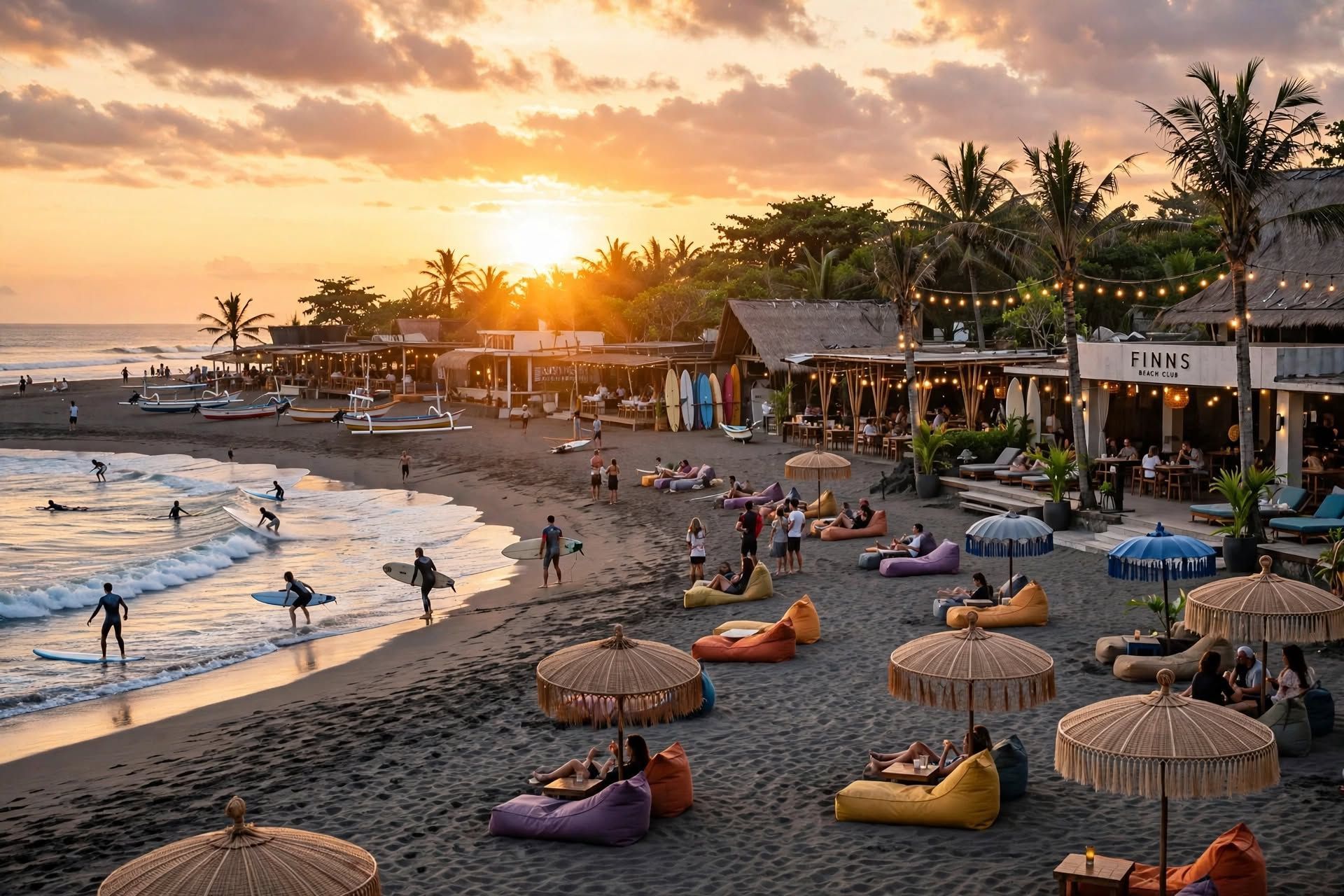
In travel culture, longer stays are often associated with depth, immersion, and meaningful experience. Short stays, by contrast, are sometimes treated as transitional — a quick stop, a brief escape, a temporary pause. Yet in reality, short stays often carry greater emotional weight. They are squeezed between busy schedules, planned around limited leave, or built around specific milestones. A three- or four-night trip to Bali may represent months of anticipation. In destinations like Canggu, where energy is vibrant and time feels elastic, even a brief visit can leave a lasting impression — if it is designed intentionally. Thoughtful hospitality understands that short stays do not mean lower expectations. In fact, they require greater precision. There is less margin for friction. Less time to recover from inconvenience. Less opportunity for “it gets better tomorrow.” The first impression matters more. The room layout matters more. The quality of rest matters more. When guests know their time is limited, they move with purpose. They want to wake up ready, not recalibrating. They want transitions to feel seamless, not delayed by confusion. In this context, design becomes an accelerator of experience. A well-positioned base in Canggu allows guests to step directly into the rhythm of the area without wasting hours navigating it. A composed interior allows immediate decompression after a flight. Every detail contributes to maximizing presence. Short stays, when supported by thoughtful design, feel expansive rather than rushed. They hold clarity. They feel curated, not chaotic. And often, they linger in memory longer than extended trips because each moment was protected.
The first twenty-four hours of a short trip carry disproportionate weight. In a three- or four-night stay, the initial day sets the emotional tone for everything that follows. If arrival feels smooth, intuitive, and calm, guests immediately settle into the rhythm of the destination. If it feels confusing or rushed, that tension lingers longer than expected. In longer vacations, there is time to recover from small inconveniences. In shorter stays, first impressions become amplified.
After a flight — whether regional or international — travelers arrive with accumulated fatigue. They may be slightly dehydrated, overstimulated, or mentally transitioning from work mode into leisure mode. During this vulnerable window, environment matters deeply. Clear arrival guidance reduces uncertainty. A straightforward check-in process preserves energy. A room that feels immediately comfortable eliminates the need for adjustment. These small efficiencies create psychological relief.
Location becomes especially critical during the first day. In Canggu, traffic patterns and unfamiliar roads can easily consume hours. A strategically positioned base allows guests to access cafés, beaches, or dinner spots without extensive planning. Instead of spending the first afternoon navigating logistics, they can begin experiencing the destination. That shift — from managing to enjoying — defines whether the trip feels expansive or compressed.
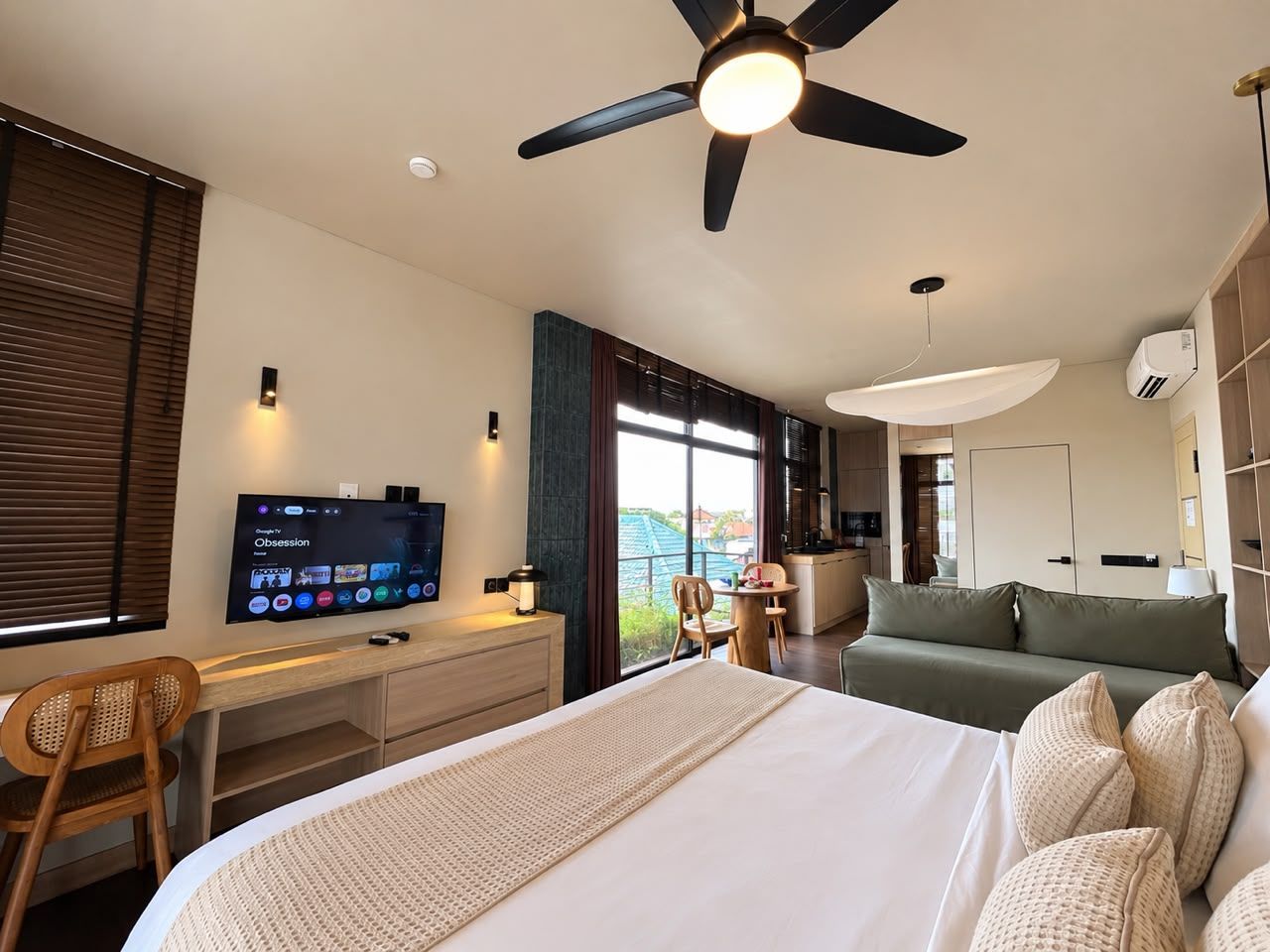
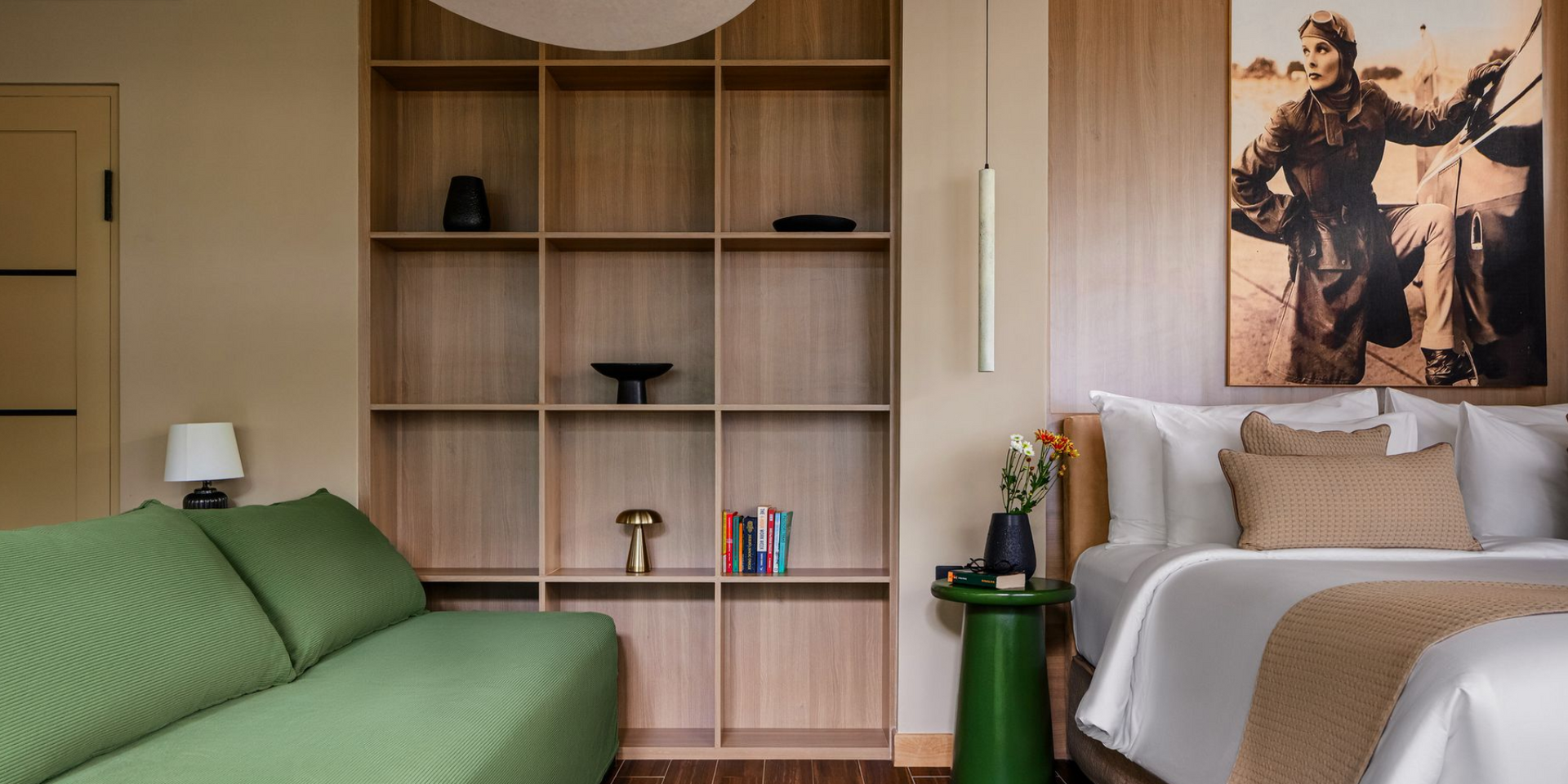
The room itself plays a silent but decisive role. After placing luggage down, guests instinctively scan the space. Is it clear where to unpack? Is the lighting balanced? Does it feel private? When answers to these questions are immediate and reassuring, the body relaxes. The nervous system moves out of alert mode. Only then can genuine enjoyment begin.
Even sleep on the first night influences perception. A well-rested morning resets residual travel fatigue. Guests wake up ready to explore rather than recovering from discomfort. In short stays, that reset is invaluable. It preserves the limited time available.
Ultimately, the first twenty-four hours are not just a starting point; they are a multiplier. When designed thoughtfully, they elevate the entire stay. When overlooked, they quietly diminish it. In destinations like Canggu — vibrant, social, and full of movement — beginning with clarity and calm transforms a brief visit into a fully realized experience.
Travel, even when exciting, places quiet demands on the body. Airports require alertness. Flights disrupt posture and circulation. Transfers introduce unpredictability. By the time guests arrive in Canggu, they are often carrying invisible fatigue. In a short stay, the ability to recover quickly becomes essential. Every hour spent recalibrating is an hour taken from exploration.
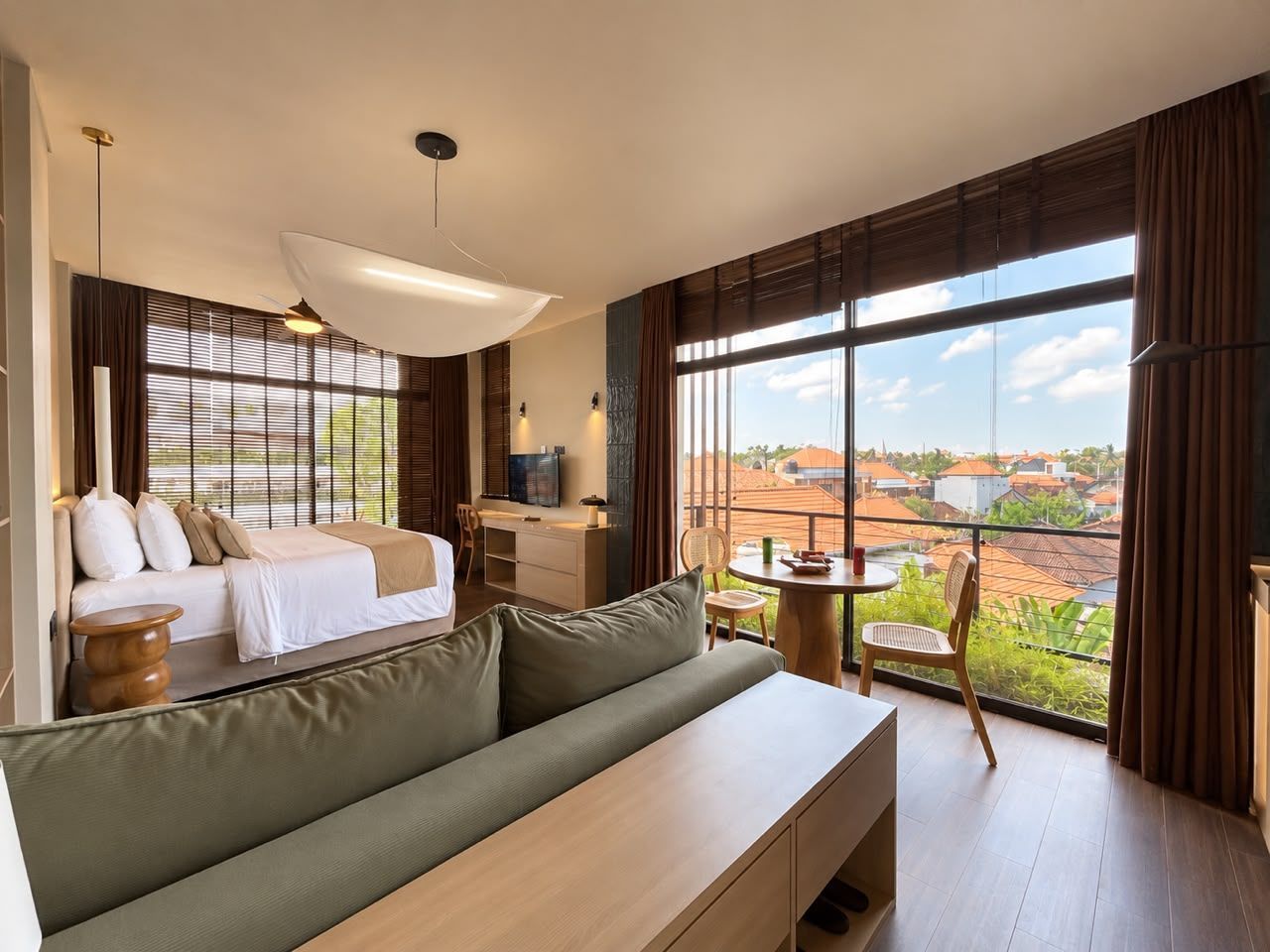
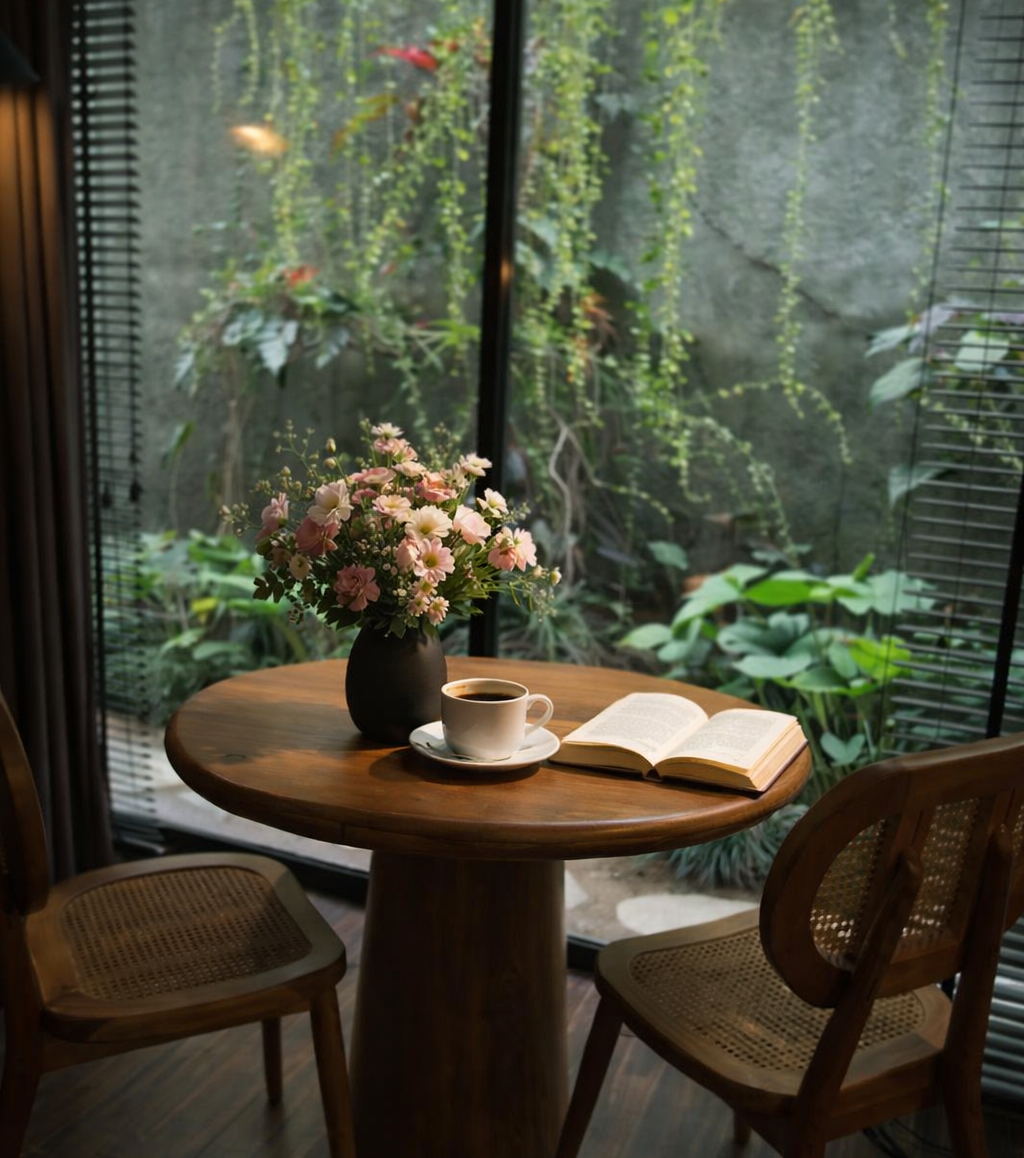
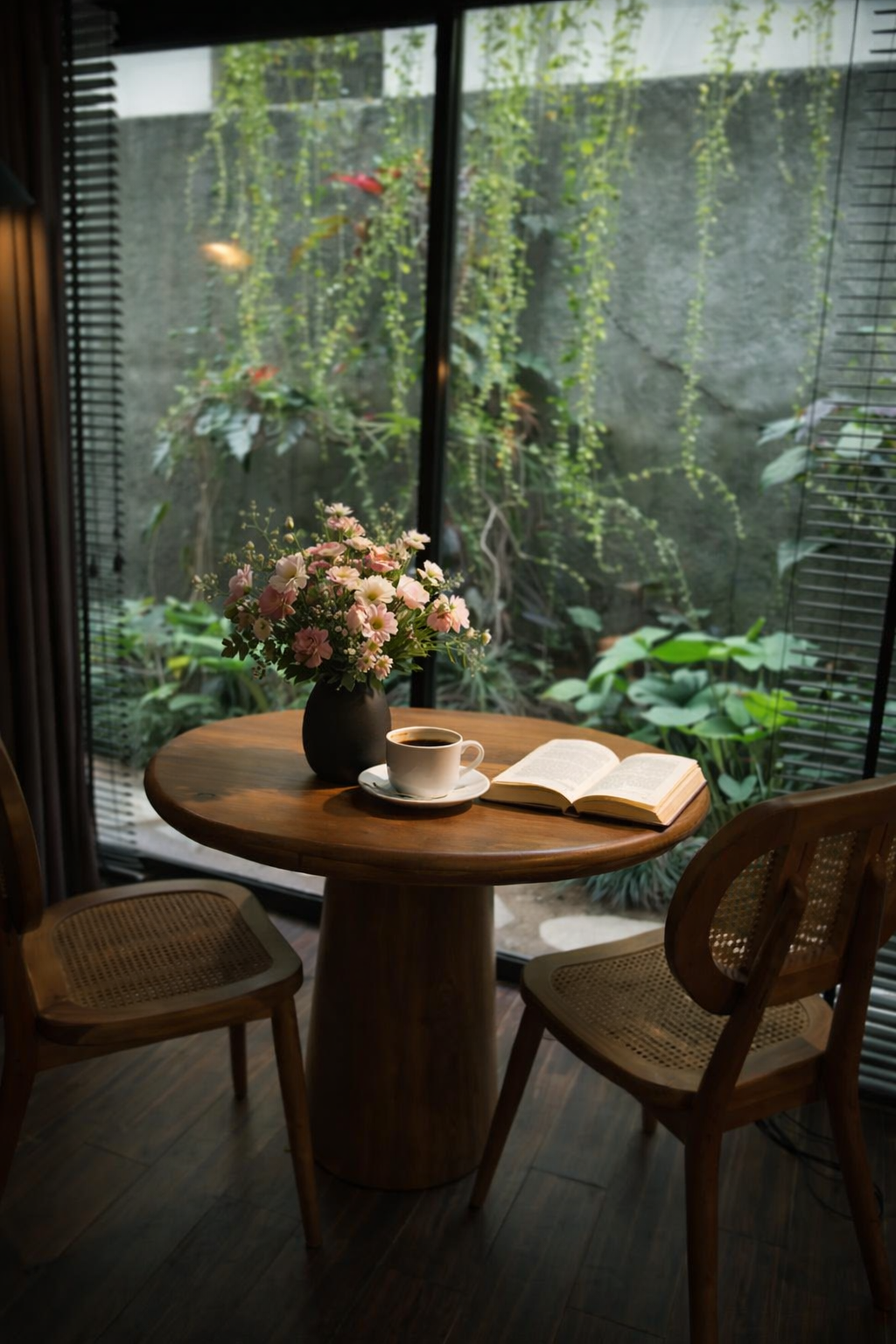
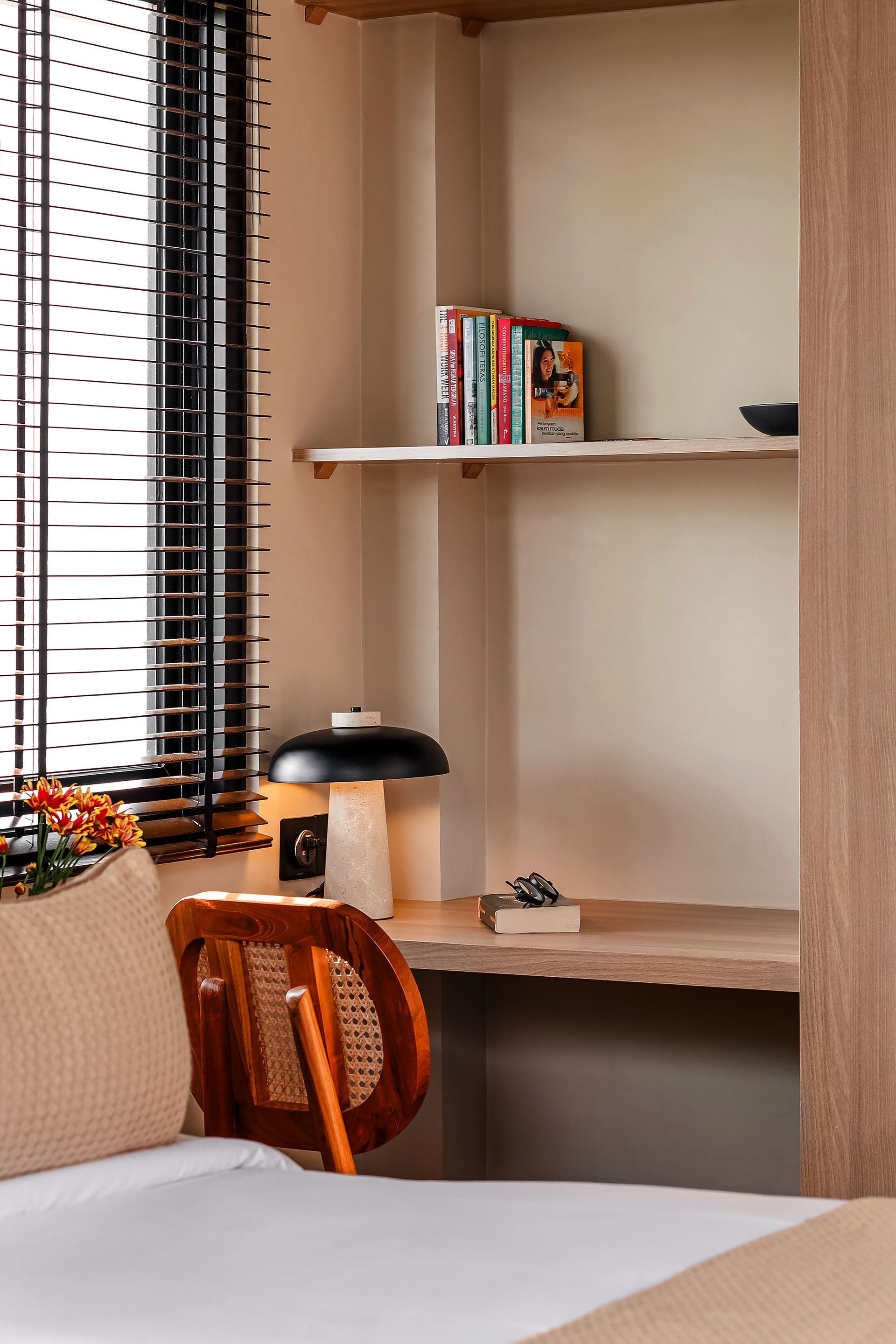
Thoughtful design can shorten that recovery window dramatically. The moment guests enter a space that feels ordered and calm, the nervous system begins to downshift. Clean lines and balanced proportions signal stability. Natural light, when controlled thoughtfully, restores circadian rhythm. Ventilation and comfortable temperature settings allow the body to settle without distraction. These elements may seem subtle, yet their cumulative effect is immediate.
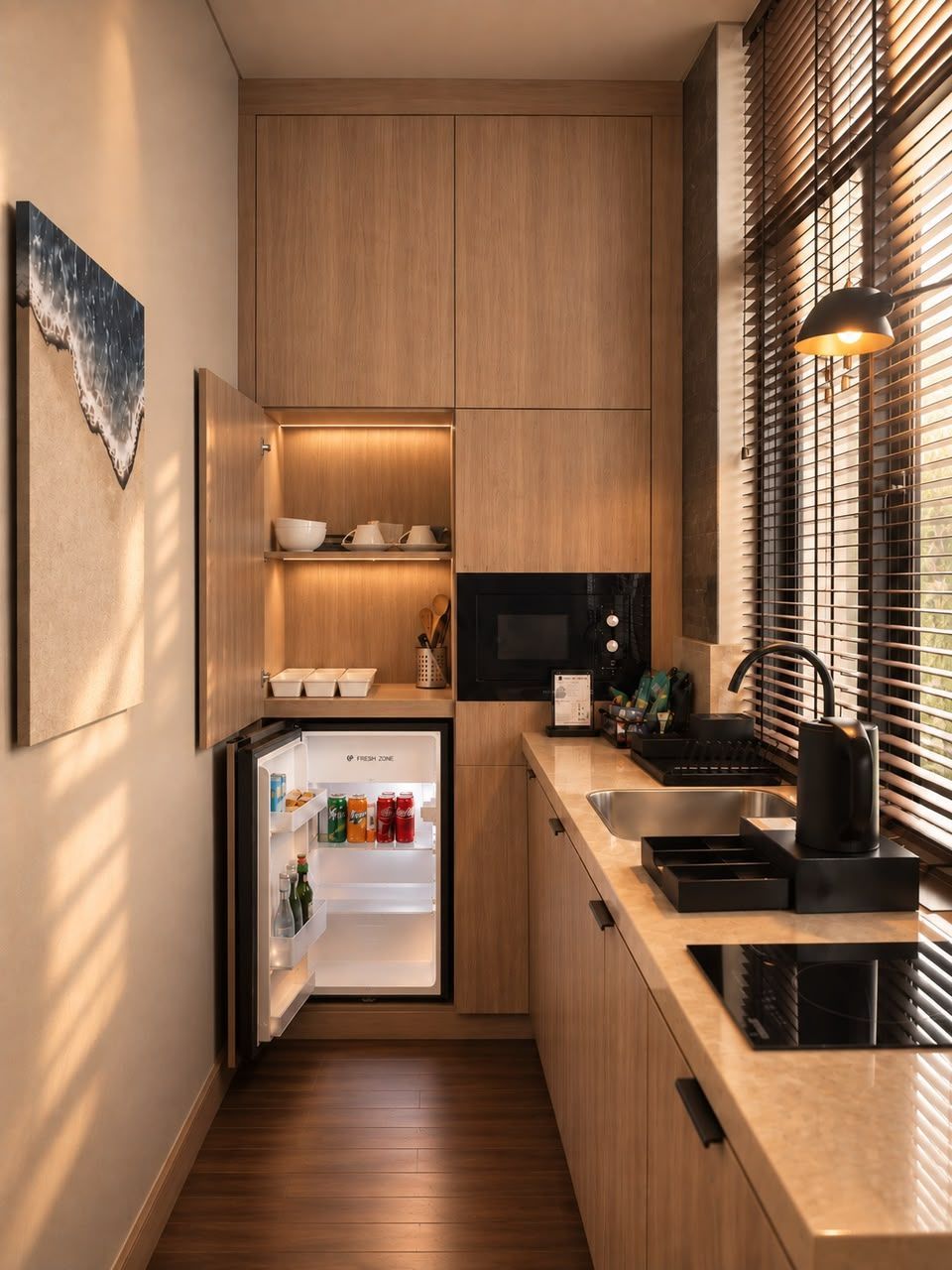
Clarity accelerates adjustment. When storage is intuitive, guests unpack faster and feel mentally organized. When surfaces are uncluttered, the room feels breathable. When seating is comfortable and positioned intentionally, resting becomes inviting rather than improvised. The space does not demand rearrangement or problem-solving. It absorbs the transition from travel to arrival.
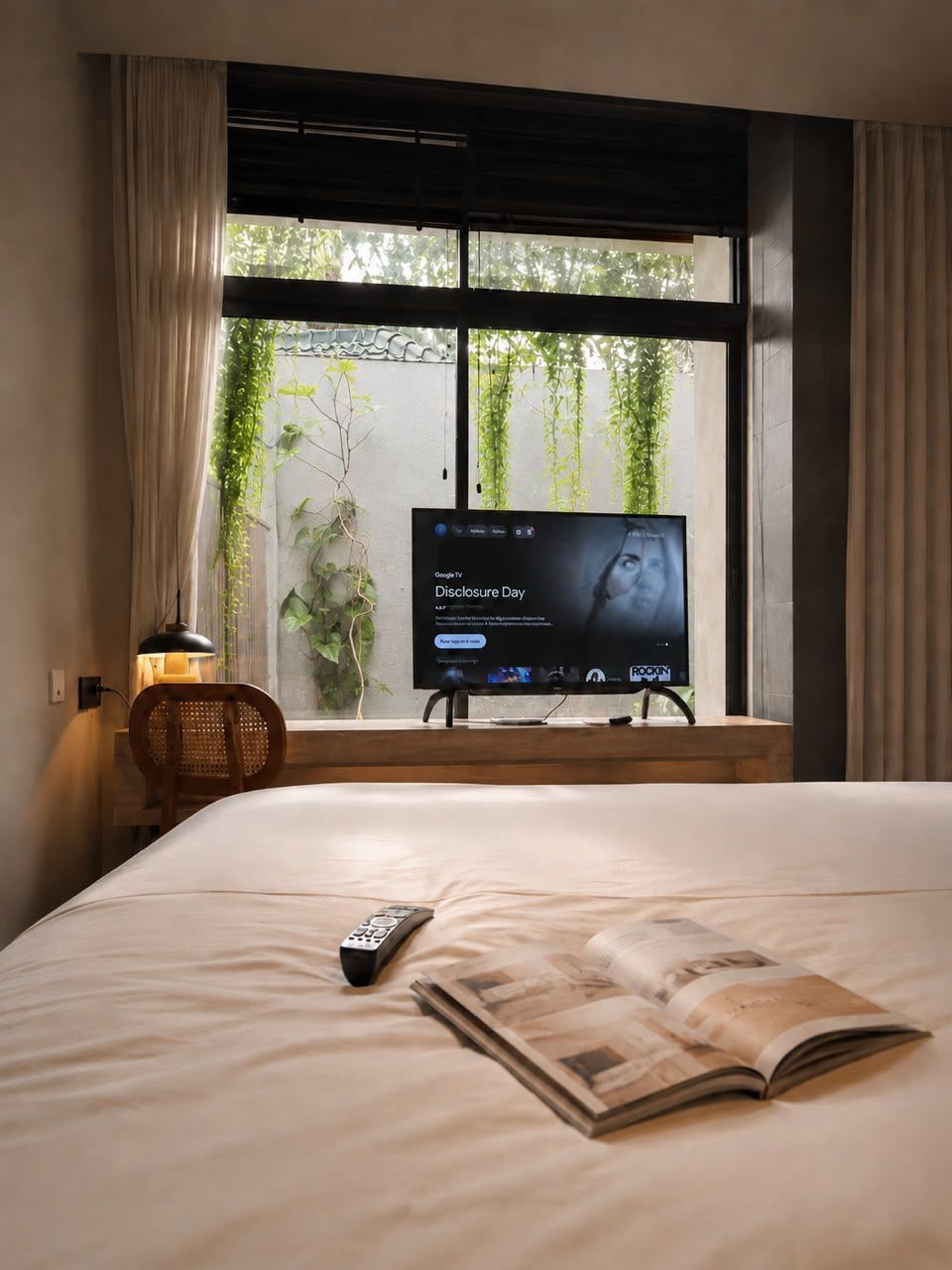
Sound management further influences recovery. Sudden or persistent external noise keeps the body in alert mode. A room that buffers outside movement creates a sense of containment. That containment allows muscles to release tension accumulated during travel. Even a short rest becomes more restorative.
Lighting design also plays a strategic role. Bright, harsh lighting can prolong stimulation, while layered lighting allows gradual adjustment from day to evening. Guests can ease into the environment rather than being confronted by it. In a destination as lively as Canggu, this soft landing is invaluable.
When recovery is efficient, the trip feels longer than it actually is. Guests step out on their first evening refreshed rather than depleted. They experience dinner, sunset, or a simple walk with genuine presence. In short stays, this compression of recovery time transforms perception. Three nights can feel like five when energy is preserved from the beginning.
Design, therefore, is not decoration. It is facilitation. It bridges the gap between transit and experience. And in a brief getaway, that bridge makes all the difference.
In a short stay, time is the most limited resource. Unlike extended trips where days can absorb detours and delays, a three- to five-night visit requires efficiency without feeling rushed. In Canggu, where traffic patterns shift throughout the day and popular areas can become congested, location quietly determines how much of the destination guests truly experience.
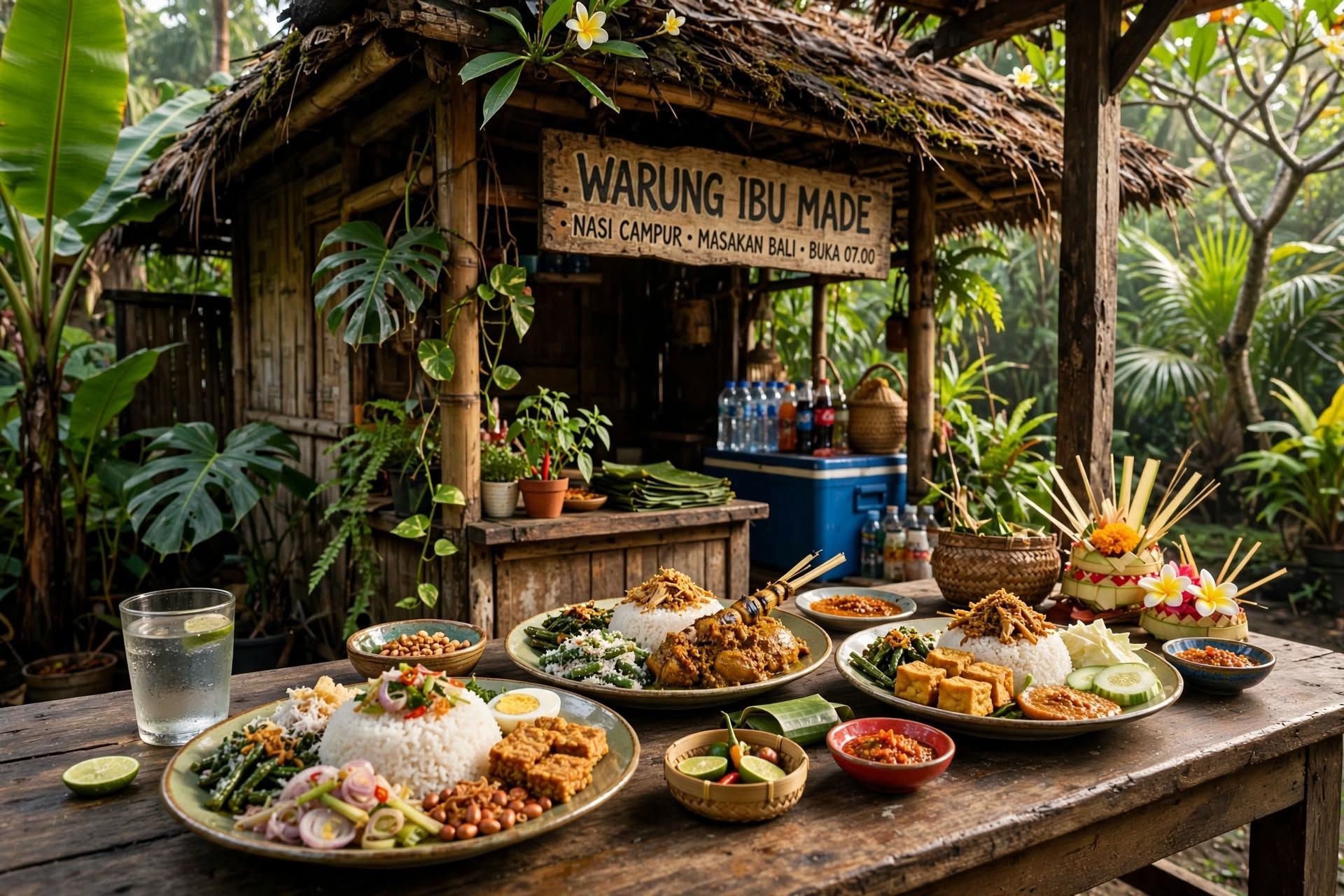
A strategically positioned base acts as a time multiplier. When cafés, beach access, fitness studios, and dinner spots are reachable within minutes, spontaneity becomes possible. Guests can decide in the moment rather than planning extensively. A quick sunset visit does not require a forty-minute calculation. Morning coffee becomes a short walk or ride rather than a logistical effort. These small time savings accumulate across a stay.
In short trips, proximity reduces decision fatigue. Instead of mapping routes repeatedly or accounting for peak-hour congestion, guests move with fluidity. They can return to their room between activities without feeling that the journey back is an obstacle. That flexibility encourages balance — a midday reset before dinner, a quick refresh after the beach, a comfortable pause before an evening out.
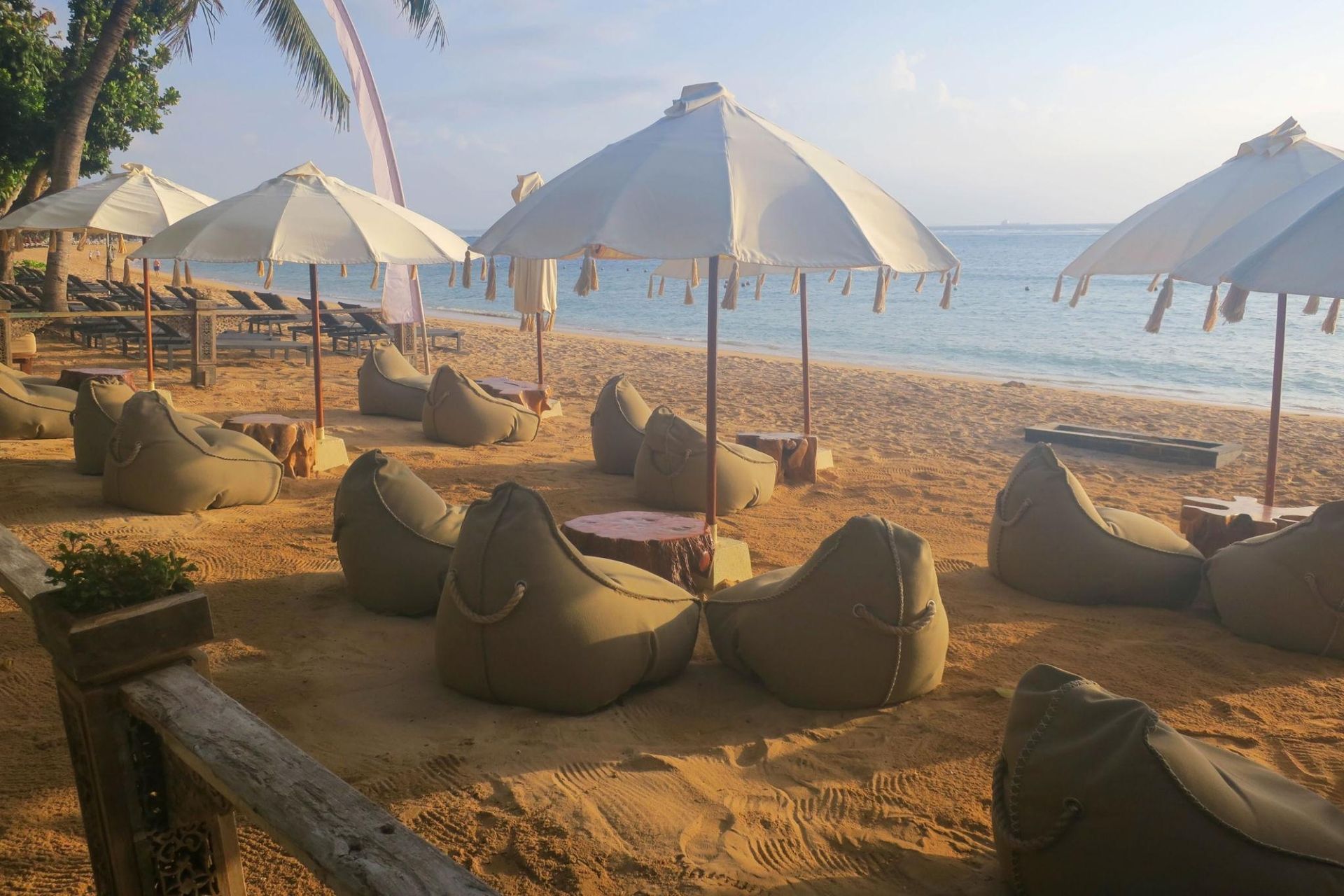
Equally important is being slightly removed from the most chaotic strips. Central does not have to mean exposed. A location that is connected yet subtly set back protects rest while preserving access. Guests can immerse themselves in Canggu’s social and creative energy, then retreat within minutes to a quieter atmosphere. This contrast enhances both experiences.
For short stays especially, the right location shapes perception of the entire destination. If movement feels smooth, Canggu feels welcoming. If movement feels constantly obstructed, even vibrant surroundings can feel tiring. Strategic positioning transforms the trip from reactive to intentional.
Ultimately, location is not only about distance; it is about alignment. When a base is placed with awareness of how guests actually move through the area, time expands. And in a brief getaway, expanded time is perhaps the most valuable luxury of all.
There is a significant difference between a stay that feels compressed and one that feels curated. Compression happens when time is packed tightly — when guests try to fit too much into too little space, moving rapidly from one activity to the next without pause. Curated experiences, on the other hand, feel intentional. They may include just as many highlights, but the pacing feels considered. In short stays, this distinction becomes crucial.
When accommodation supports smooth transitions, days unfold naturally rather than mechanically. Guests wake up rested, step into the neighborhood with clarity, and return without disruption. Instead of racing between destinations, they move with rhythm. A curated stay prioritizes quality over quantity — a meaningful dinner rather than three rushed stops, a focused morning by the beach instead of a fragmented itinerary.
Design contributes to this sense of curation. When the room environment feels calm and organized, it becomes easier to make thoughtful choices about how to spend time. Guests feel less urgency to “escape” their base because their base is comfortable. That psychological ease encourages selectivity. They choose experiences that align with their mood rather than reacting to external pressure.
In Canggu, where options are abundant, curation protects enjoyment. There is always another café to try, another sunset viewpoint, another event. But a short stay does not need to capture everything. It needs to capture what matters. A well-designed, strategically located base makes that easier. Guests can experience the best of the area without feeling that they are chasing it.
Even evenings reflect this difference. Returning to a composed space after a lively dinner allows the day to settle intentionally. Reflection replaces exhaustion. Conversations feel complete rather than cut short by fatigue. The trip feels shaped rather than squeezed.
When short stays are curated instead of compressed, they leave a stronger imprint. Guests depart feeling fulfilled rather than rushed. They remember clarity, not chaos. And often, that sense of completeness is what inspires a return — not because time ran out, but because the experience felt intentionally crafted.
Short stays are not smaller experiences; they are concentrated ones. They require clarity, precision, and an environment that supports presence from the very first hour. In destinations like Canggu — vibrant, layered, and constantly in motion — the right base determines whether those limited days feel rushed or expansive.
An ideal short-stay environment understands momentum. Guests may arrive with anticipation and leave with memories formed quickly but intensely. The space in between must flow seamlessly. Arrival should feel intuitive. Movement within the neighborhood should feel effortless. Evenings should wind down gently rather than abruptly. When these transitions are smooth, time seems to stretch.
Proximity to what matters — beaches, cafés, creative spaces — allows spontaneity. Being slightly removed from the busiest flow preserves rest. Clean, intentional design reduces friction. Balanced lighting supports natural rhythm. Quiet confidence in architecture and layout removes the need for adjustment. Together, these elements transform a brief visit into a fully realized experience.
In Canggu, energy is abundant. What distinguishes a refined stay is how that energy is framed. A thoughtfully positioned, modern base allows guests to participate in the vibrancy without being consumed by it. They can explore freely, knowing that clarity and calm await them at the end of the day.
And perhaps that is the true value of thoughtful hospitality in short stays: it protects what little time there is. It ensures that each morning begins ready and each evening ends smoothly. It turns limited nights into lasting impressions.
When design, location, and atmosphere align quietly, three or four nights in Canggu can feel complete — not hurried, not overwhelming, but intentional. And intentional experiences are the ones that linger long after departure.