








Rainy Moments and Sunny Hours: A Reflection on Everyday Weather

Weather is one of the natural elements we experience most often, yet it is also one of the hardest to predict with certainty. In a single day, the sky can change several times—mornings may begin with warm, bright sunshine, afternoons can feel scorching and intense, and by evening, rain may suddenly pour down with little warning. This kind of weather pattern is becoming increasingly common, especially in tropical regions, where rain and heat frequently alternate without a fixed rhythm. For many people, such rapid changes can feel confusing or even inconvenient. However, on the other hand, these conditions also teach us to be more flexible and adaptable.
Weather that shifts between rain and sunshine creates its own rhythm in everyday life—a rhythm that reminds us not everything can be controlled. When the sun is shining, we feel encouraged to move, stay active, and enjoy the energy it brings. In contrast, when rain falls, there is a natural invitation to slow down, seek shelter, and allow ourselves moments of rest. These transitions, though often taken for granted, actually play an important role in shaping our mood, emotions, and the way we go through each day.
When the sun shines brightly and the air feels warm, the atmosphere seems to invite everyone to be more active. Heat brings energy—it encourages people to step outside, catch up on unfinished tasks, or simply enjoy the open air. On days like these, time feels as though it moves faster, footsteps feel lighter, and the mind tends to focus more on productive things. Yet heat also reminds us of our limits. Excessive heat can leave the body tired, emotions more sensitive, and the need for a pause becomes increasingly clear.
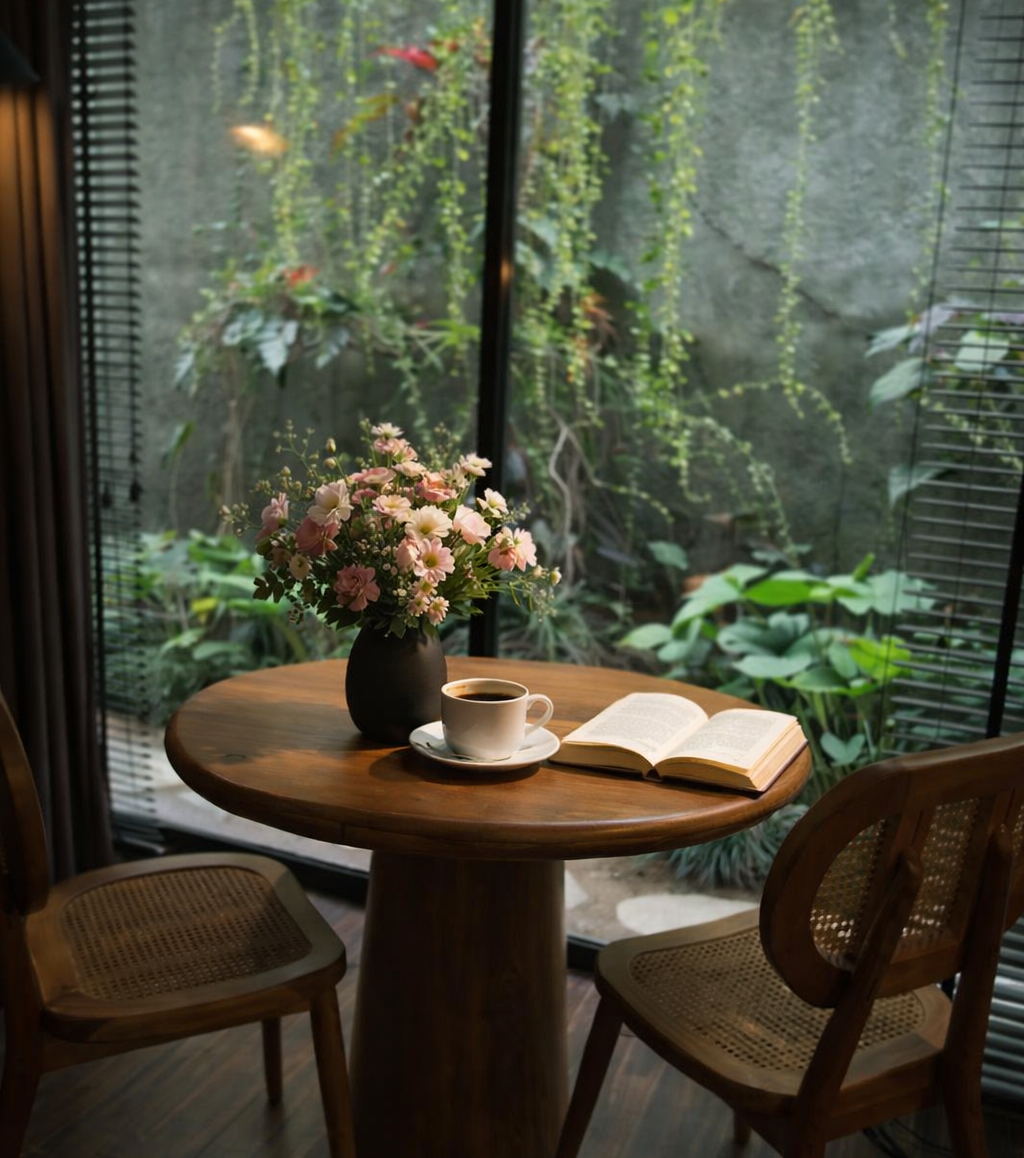
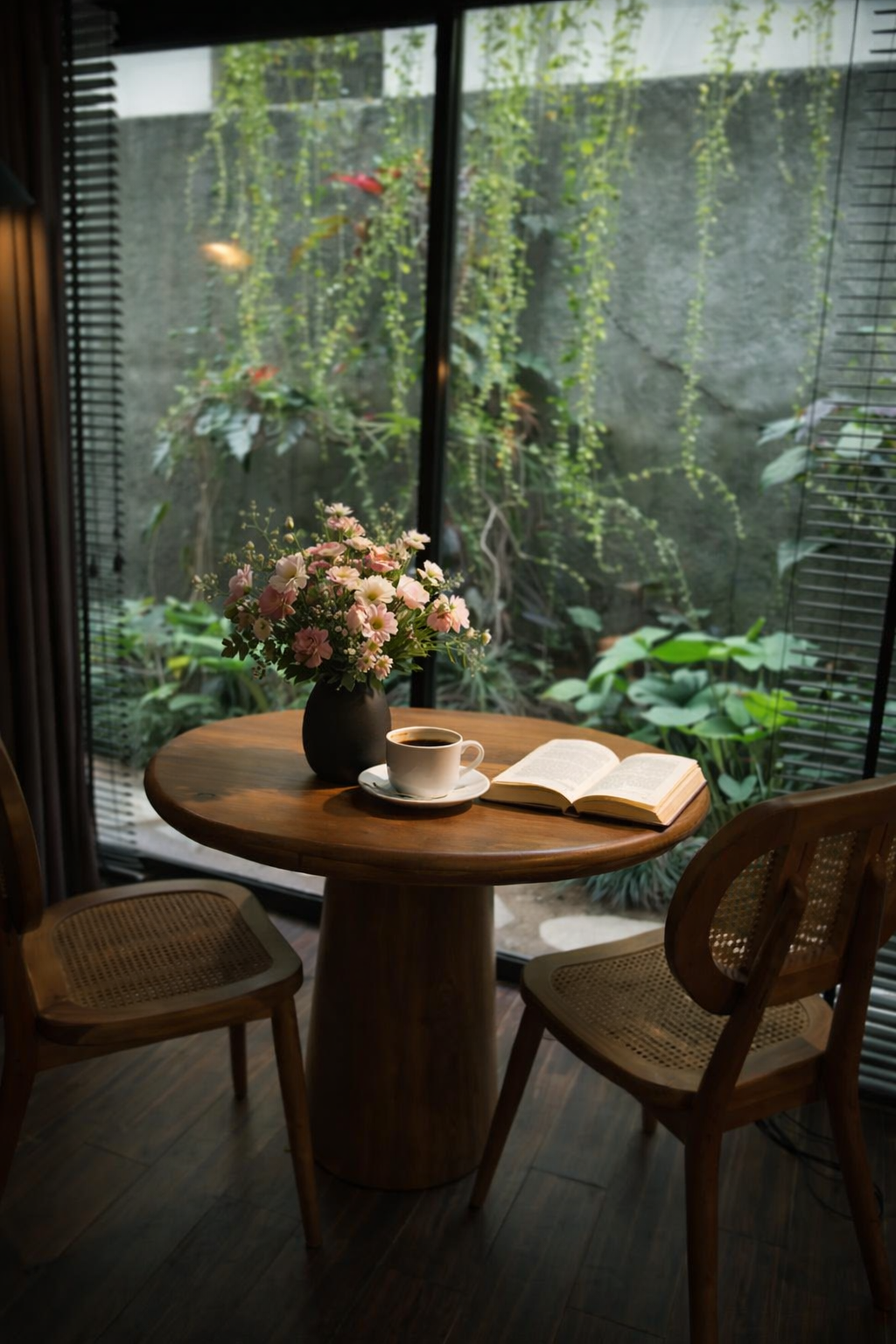
This is where rain takes on its role. As dark clouds gather and raindrops begin to fall, the mood shifts naturally. The sound of rain touching the ground and rooftops creates a calm that is hard to describe. Activities slow down, conversations grow softer, and our attention gradually turns to simpler things. Rain offers a chance to pause for a moment—to brew a warm drink, sit quietly, or simply gaze out the window without any demands.
The alternation between heat and rain forms a unique balance. Heat provides the drive to move, while rain gives permission to rest. The two complement each other, creating a dynamic that makes days feel more alive, less monotonous, and full of variation. In this ever-changing weather, we learn that comfort does not always come from perfect conditions, but from our ability to adapt to whatever comes our way.
Changing weather often forces us to become more flexible, both physically and mentally. When a morning begins with bright sunshine, many people make plans with optimism—outdoor activities, meetings, or short trips feel more possible. Yet when rain suddenly pours down in the afternoon, those plans must be adjusted, changed, or even canceled. Situations like this teach us that not everything can go according to expectation, and that is not something to fear. It is precisely within change that adaptability becomes essential.
Rain that arrives without warning trains us to be more accepting of circumstances, while the return of heat reminds us that every phase eventually passes. In the context of daily life, weather becomes a tangible metaphor for life’s dynamics—sometimes we are in a bright, energetic phase, and at other times in a calmer, more reflective one. Neither is entirely right or wrong; each has its own purpose. Heat provides the momentum to move forward, while rain offers space to reorganize our thoughts.
When we begin to make peace with changing weather, we also learn to make peace with change in life. Instead of forcing everything to run smoothly, we allow room for imperfection to exist. In this way, days filled with both heat and rain no longer feel disruptive, but become a natural part of a rhythm that shapes everyday life in a more honest and balanced way.
Weather that shifts between rain and sunshine often teaches us to be more flexible in how we go about our days. When a morning begins with clear skies, many people plan outdoor activities with enthusiasm—taking a leisurely walk, working from a café, or simply enjoying the fresh air. But as midday turns into afternoon and rain suddenly falls, those plans often need to adjust. Rather than being a disruption, these moments can serve as a reminder that not everything needs to follow the original plan.
Rain provides a reason to slow down, seek shelter, and enjoy time in a different way. Amid unpredictable weather, days feel more dynamic and far from monotonous. Heat brings energy and movement, while rain offers calm and a pause. Together, they create a unique natural rhythm that gives each day its own character. In such conditions, we learn not to force our agendas, but to be more attentive to our surroundings. Weather that alternates between heat and rain teaches us that comfort is not always about ideal conditions, but about our ability to adapt and continue finding enjoyment in every change.
For many people, inconsistent weather also influences mood and the way time is experienced. When the sun shines brightly, the body feels lighter and the mind tends to be more open to activity. In contrast, when rain falls gently, there is a natural urge to slow down and seek a sense of calm. These two conditions complement each other, creating a balance between productivity and rest.
Shifting weather makes us more aware of the importance of listening to ourselves—knowing when to move and when to pause. Rain does not always mean a gloomy day, just as heat is not always synonymous with exhaustion. Both can be enjoyed if we allow space for change. In the context of travel or everyday life, such weather actually adds color to the experience. Each day feels different and unpredictable, and that is what makes it more alive. When we stop resisting the weather and begin to accept it as part of nature’s rhythm, days filled with sunshine and rain no longer feel disruptive, but become part of the story that shapes our daily lives.
Weather that alternates between heat and rain also shapes the way we perceive time and space. When warmth arrives, the day feels open and expansive—as if giving permission to move farther, explore our surroundings, and absorb energy from the environment. But when rain begins to fall, space naturally feels more contained, inviting us to turn inward. Simple activities such as sitting quietly, reading, working at a slower pace, or simply listening to the sound of rain become more meaningful.
These shifts in weather create a calming contrast, reminding us that life is not meant to remain in constant “motion mode.” There are pauses that arrive without being planned. In moments like these, time is no longer measured by how much we accomplish, but by how present we are within each moment. Rain offers a reason to stop without guilt, while heat restores the enthusiasm to continue the day. Together, they form a natural cycle that makes everyday life feel more balanced.
Unstable weather, rather than being a disturbance, helps us step away from rigid routines and opens space for spontaneity—something that is often lost in modern life, where everything tends to be tightly scheduled.
In the long run, living alongside weather that alternates between rain and heat nurtures a deeper sense of acceptance. We learn that not every day has to be perfect in order to be enjoyed. Hot days teach us about the limits of our bodies and the importance of rest, while rainy days remind us that calmness has its own value. Gradually, our expectations of an “ideal day” begin to shift. Instead of waiting for truly perfect conditions, we start to appreciate what is right in front of us.
Changing weather becomes a metaphor for life itself—full of surprises, not always going according to plan, yet always carrying lessons. When we stop complaining about rain that comes too quickly or heat that lingers too long, we create space to experience each day more fully. Weather is no longer an obstacle, but part of the experience that shapes how we move through time. In the rhythm of alternating heat and rain, we discover that balance is not about absolute stability, but about the ability to remain calm and present amid change.
Changing weather often becomes a backdrop that unconsciously influences our emotions and mood. When the sun shines brightly, energy feels lighter and optimism arises naturally. A clear sky gives the impression that the day is full of possibilities, as if anything can be done. Yet when rain falls, our emotions tend to slow down as well. There is a gentle sense of melancholy—not sad, but calming. In the rain, thoughts often become more honest and reflective. Many people actually find clarity on quieter, somber days—ideas emerge, decisions are considered more carefully, and emotions are processed with greater calm. The alternation between heat and rain creates a natural emotional balance. Without realizing it, we learn to adjust not only physically, but mentally too. Weather teaches us that changes in mood are normal, just as natural as clouds coming and going. By understanding this, we become gentler with ourselves—no longer forcing ourselves to be cheerful on rainy days, or feeling obligated to be productive on hot ones.
In the context of travel and everyday life, unpredictable weather is often seen as a disturbance, when in fact it can become one of the most memorable parts of an experience. Rainy days often bring unplanned moments—lingering longer under shelter, striking up conversations with strangers, or enjoying an atmosphere at a slower pace. Meanwhile, hot days open space for movement, exploration, and more active interaction with our surroundings. This combination creates richer stories than days that unfold too perfectly. We learn that the best experiences do not always come from ideal conditions, but from our ability to adapt. Changing weather forces us to be more flexible, more patient, and more present. In the process, we do not just adjust our plans, but also our perspective on time and comfort. Gradually, rain and heat are no longer seen as opposites, but as two complementary sides—each adding its own color to the journey we are on.
In the end, weather that alternates between rain and heat reminds us that life moves in a rhythm we cannot always control. There are days that feel light and bright, and others that are quieter and soaked in rain. Both play an important role in creating balance. By accepting weather changes as they are, we learn to live with greater calm and awareness. Not everything needs to be resisted or fixed—some things are simply meant to be accepted and lived through. In the heat, we move forward; in the rain, we rest. This simple cycle teaches us that life does not need to be always fast or always slow, but should move according to its moment. When we stop demanding that the weather match our desires, we create space to experience each day more fully. And perhaps that is where the meaning of everyday life is found—in the energizing heat and the soothing rain, arriving in turn, shaping a way of living that feels more balanced and deeply human.