



The Art of Slow Living in Bali

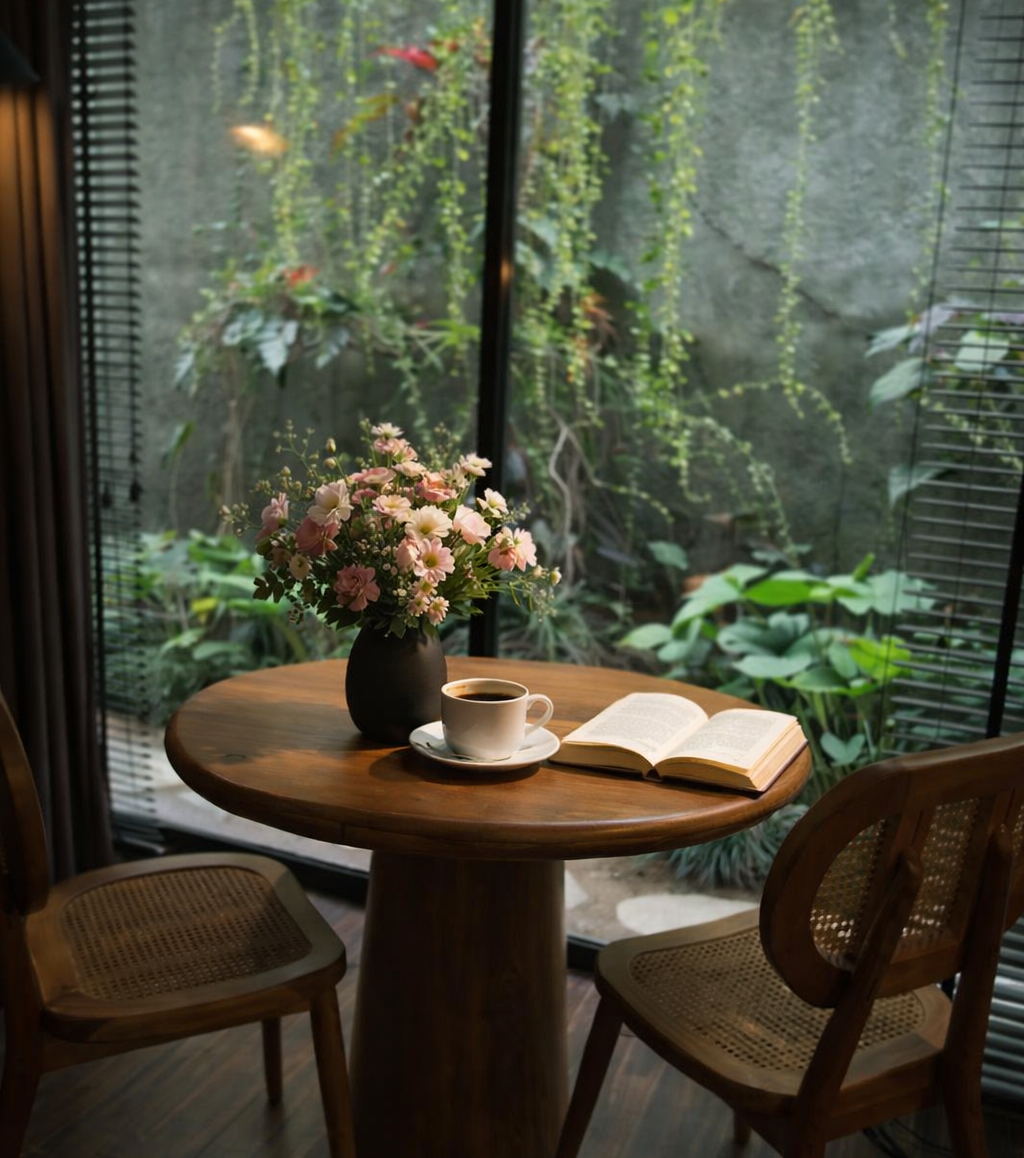
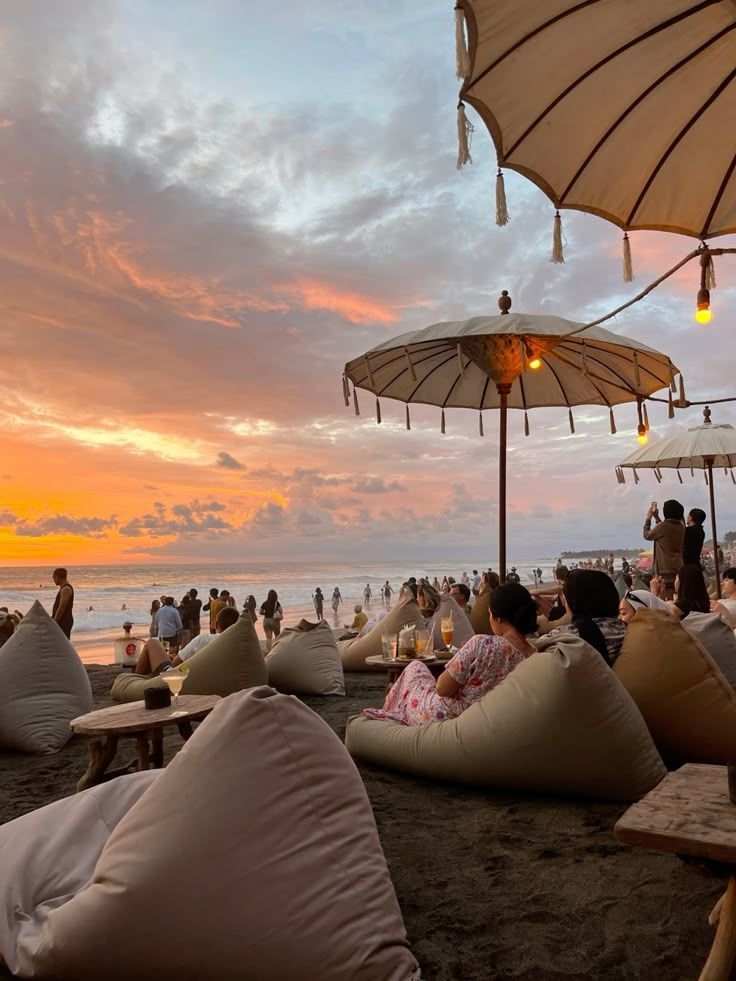
Slow living is not something you plan when you first come to Bali—it’s something that slowly finds you. At the beginning, many travelers arrive with packed itineraries, long lists of places to visit, and an unconscious urge to make every day “worth it.” But Bali has a quiet way of softening that mindset. Days feel longer here, not because time moves slower, but because life feels less rushed. Mornings are not defined by alarms but by natural light filtering into the room. Afternoons stretch gently, inviting pauses rather than productivity. In Bali, slow living is not about doing nothing—it’s about doing things with intention. Sitting with a cup of coffee without checking the time. Taking a walk without a destination. Letting conversations unfold naturally without watching the clock. This rhythm slowly reshapes how travelers experience their days. What once felt like “wasted time” becomes the most meaningful part of the journey. Slow living in Bali teaches you that rest is not a reward after work—it is part of life itself. And often, it’s in these unplanned, quiet moments that people feel most present, most grounded, and most connected to themselves.
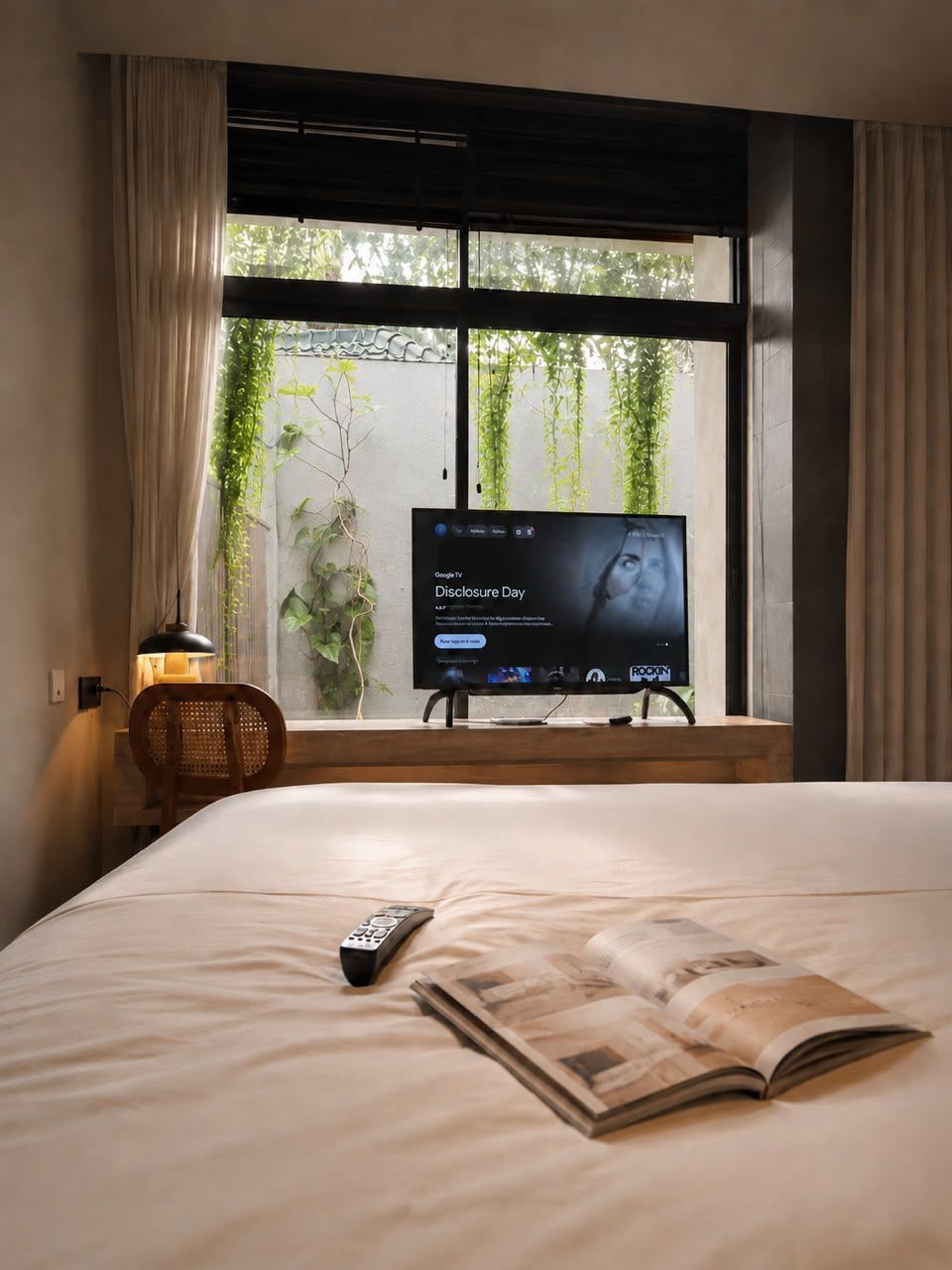
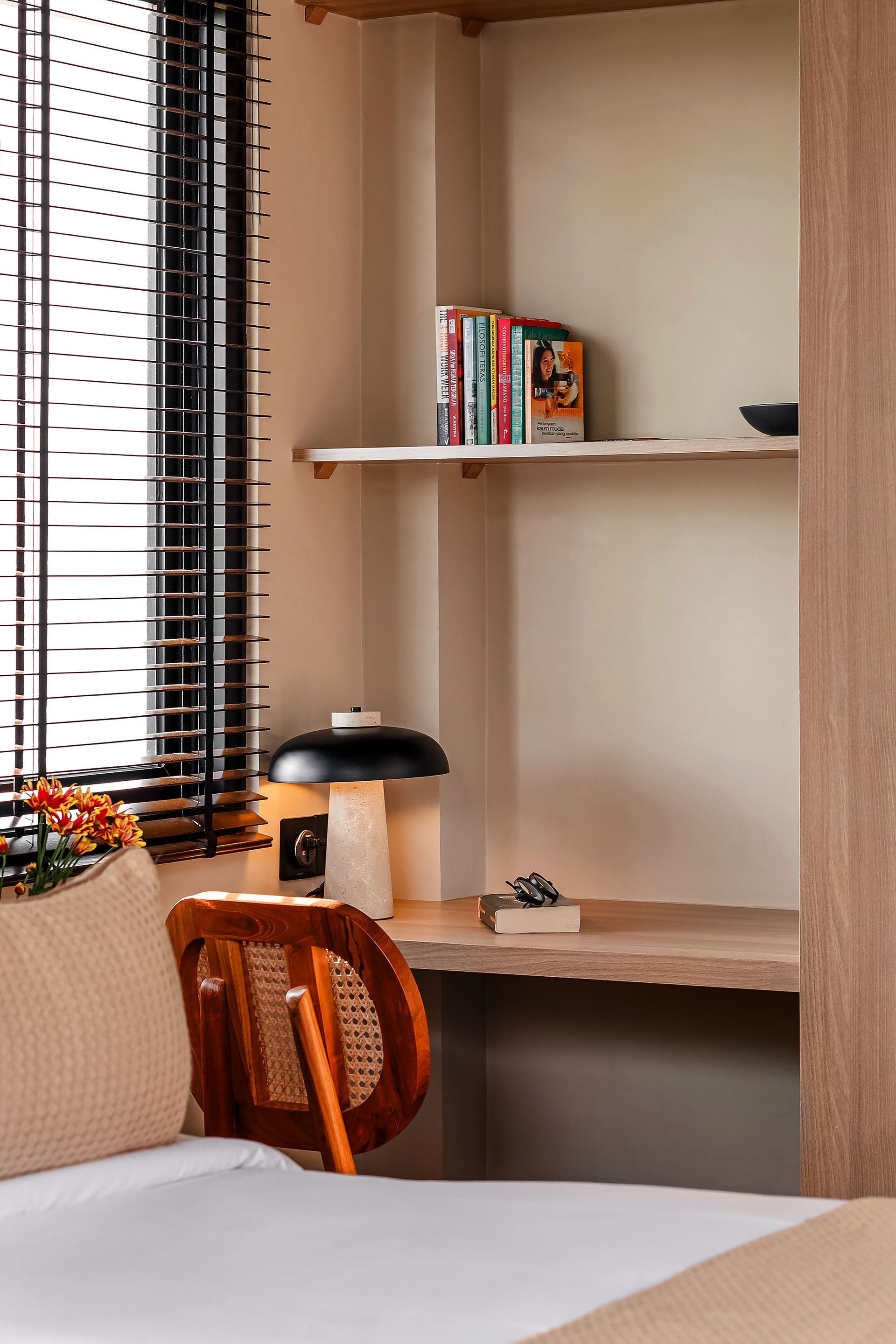
One of the reasons slow living feels so natural in Bali is the environment itself. The island encourages you to move differently—less hurried, more aware. Sounds are softer, movements feel lighter, and even simple routines become rituals. Opening the curtains in the morning, feeling the cool air on your skin, hearing distant sounds of nature or daily life—it all gently invites you to slow down. Instead of rushing out, you find yourself staying a little longer in your room, enjoying the calm before the day begins. Many travelers notice that their bodies respond first: breathing becomes deeper, shoulders relax, sleep improves. Slowly, the mind follows. Thoughts become less cluttered, priorities feel clearer. Staying in a quiet, comfortable place enhances this experience even more. When your surroundings support stillness—through simplicity, warmth, and thoughtful design—slow living stops being an idea and becomes a lived experience. You no longer feel the need to fill every hour. Bali, in its own subtle way, reminds you that life doesn’t need to be loud to be full. Sometimes, the most powerful moments come from simply allowing the day to unfold, exactly as it is.
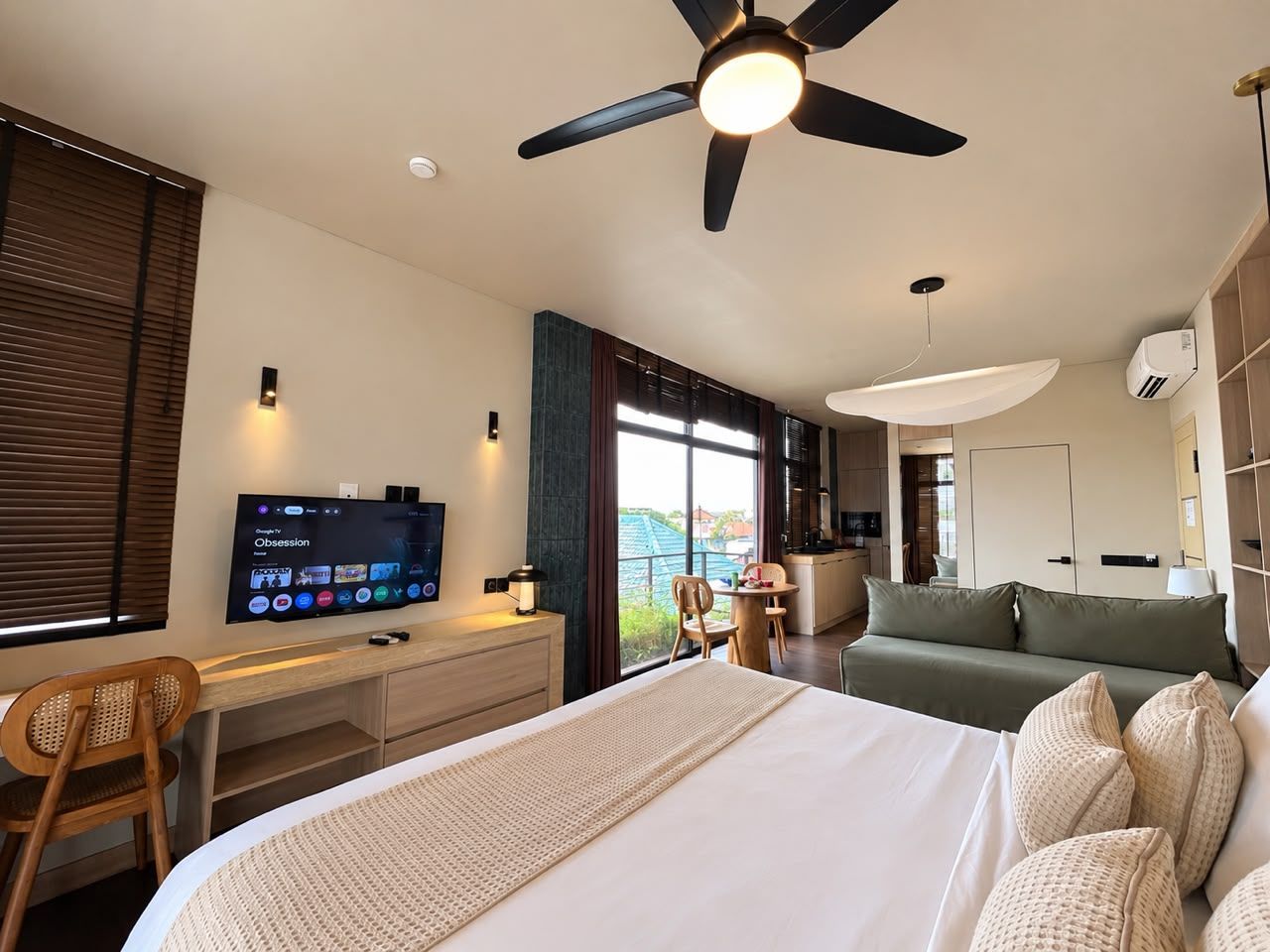
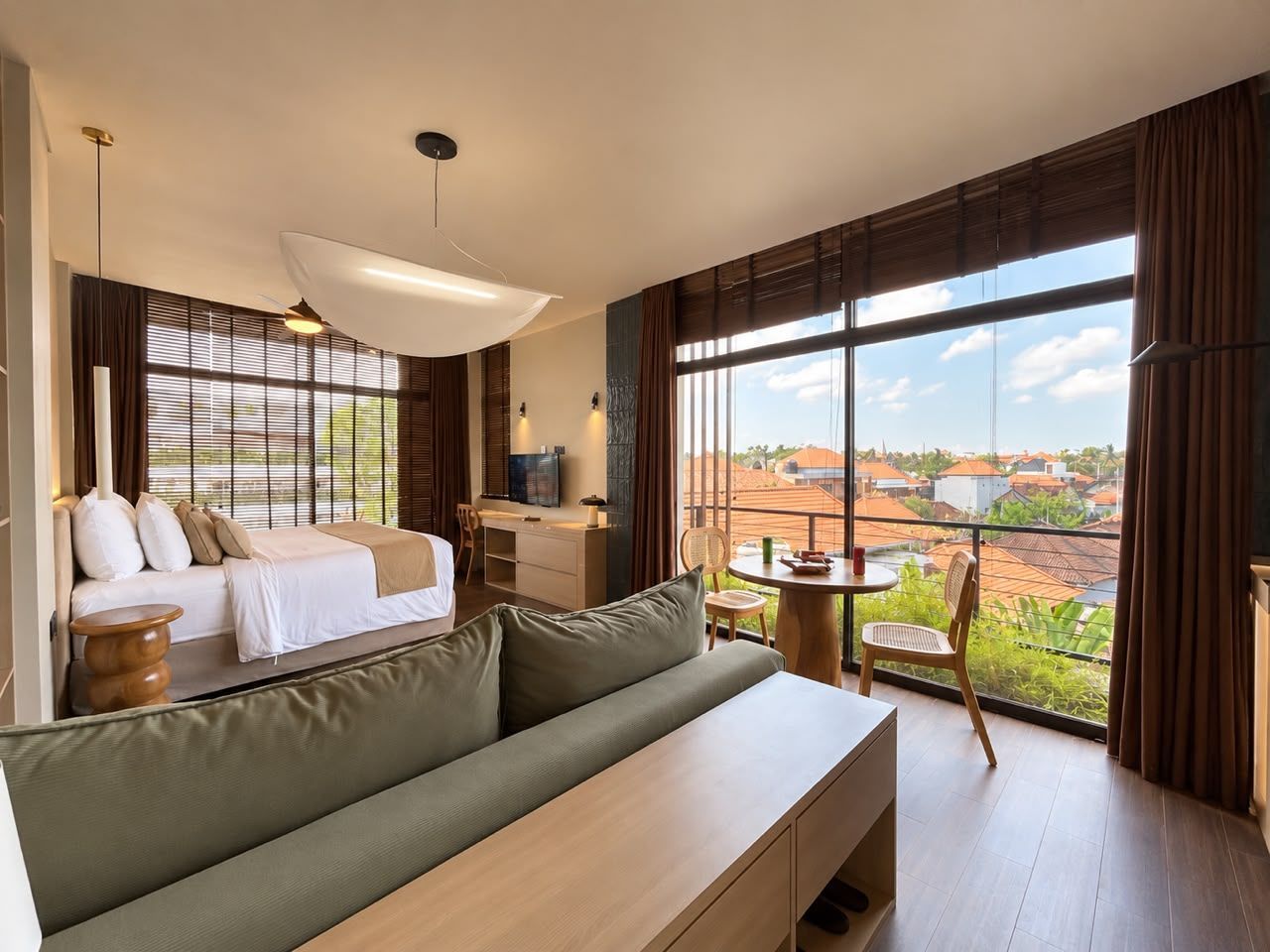
Slow living becomes even more meaningful when the place you stay truly supports that lifestyle. In Bali, accommodation is not just about where you sleep—it shapes how you experience each day. A calm environment allows travelers to ease into a slower rhythm without effort. Instead of being surrounded by noise, crowds, or constant activity, a quiet space gives room for the mind to rest. Places designed with simplicity and comfort naturally encourage guests to slow down. You wake up without urgency, move through the day without pressure, and return in the evening feeling restored rather than drained. Simple facilities, when done thoughtfully, often create the strongest sense of balance. A peaceful swimming pool becomes a place not for entertainment, but for reflection. A comfortable room becomes more than a shelter—it becomes a private space where you can truly disconnect. Strong, reliable WiFi supports those who work remotely without disturbing the calm. Small details, like good lighting, clean lines, and uncluttered spaces, quietly reinforce the idea that life does not need excess to feel complete. In environments like this, slow living feels effortless—it simply happens, without being forced.
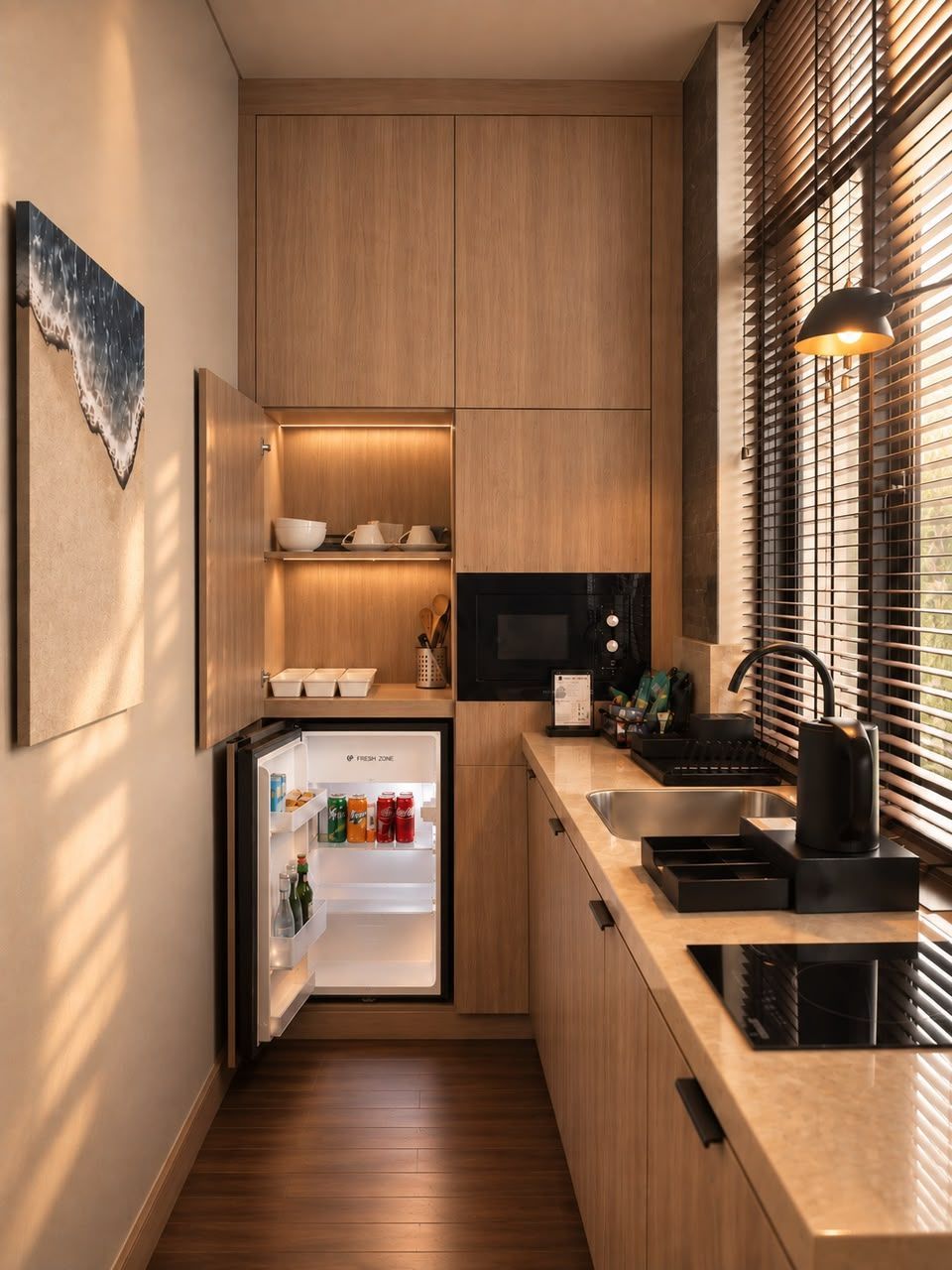
For many travelers, especially those staying longer in Bali, slow living is closely tied to routine. When daily life feels manageable and comfortable, there is no rush to escape it. Having access to practical amenities—such as a mini kitchen in the room, space to relax, and a layout that feels intuitive—allows guests to settle in rather than feel like temporary visitors. Days begin to resemble real life, just calmer. You might prepare a simple meal, answer emails at your own pace, take a quiet swim in the afternoon, and end the evening in your room without feeling the need to go out. This kind of rhythm is particularly valuable for long-stay travelers who seek balance between productivity and rest. Instead of constantly adjusting to new environments, they can focus inward, finding stability in their surroundings. A place that supports slow living does not demand attention—it provides consistency, comfort, and peace. Over time, guests often realize that what they enjoy most is not a specific activity, but the feeling of being settled. And that feeling—of calm, familiarity, and ease—is what turns a stay in Bali into something deeper than a holiday.
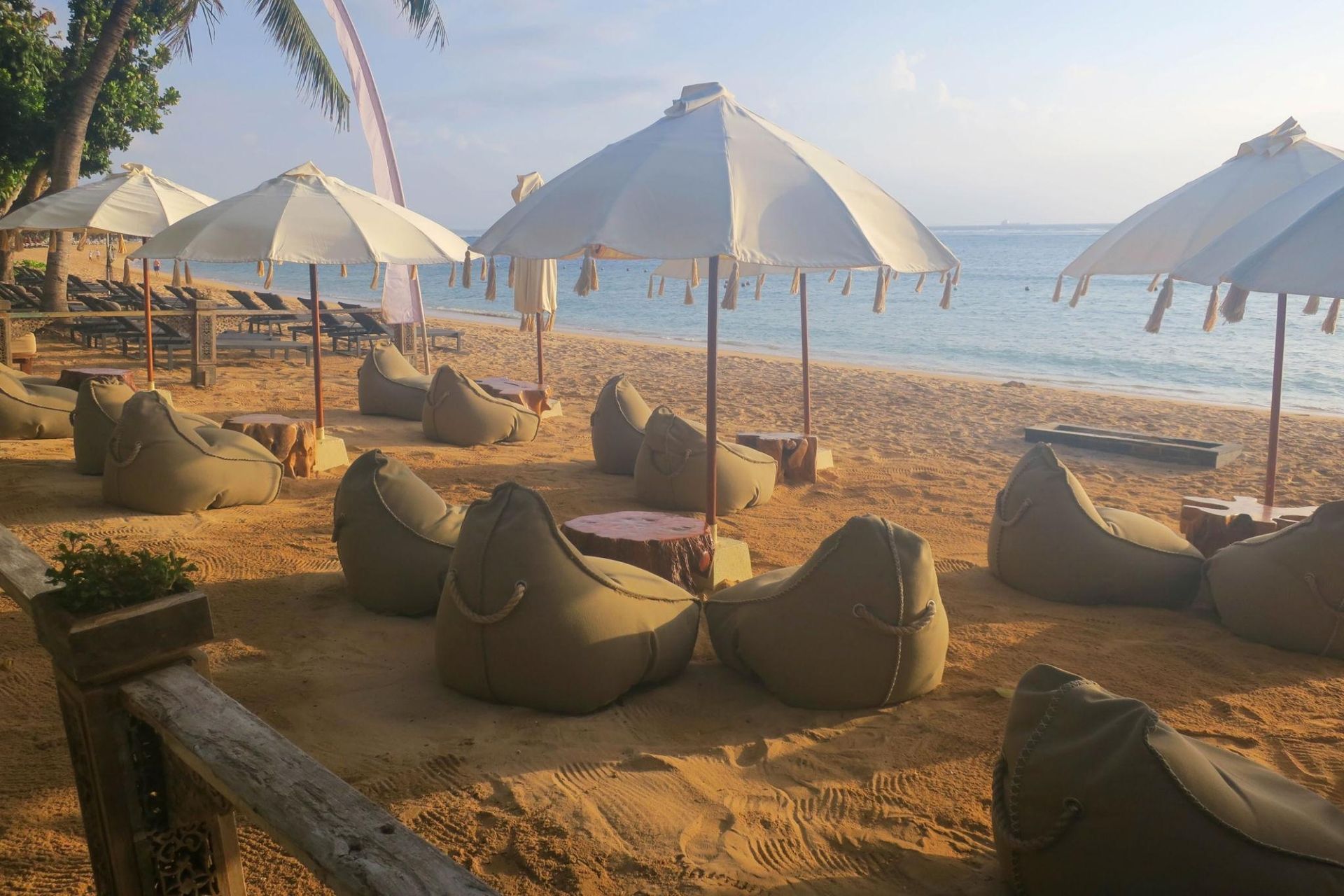
One of the most overlooked aspects of slow living while traveling is the importance of feeling “at ease” in your surroundings. Many accommodations look appealing at first glance, but over time can feel overwhelming—too crowded, too noisy, or too focused on constant activity. A space that truly supports a slower lifestyle prioritizes comfort over stimulation. It allows guests to exist without feeling watched, rushed, or encouraged to consume more experiences than they need. In a calm environment, even simple moments gain meaning. Sitting by the pool becomes a pause rather than a plan. Spending time in your room feels restorative instead of isolating. The layout, lighting, and atmosphere quietly work together to create a sense of privacy and safety. When a place feels balanced, guests naturally slow down. They stop checking the time so often. They become more present in their routines. This is especially valuable for travelers who arrive in Bali seeking a reset—mentally, emotionally, or physically. Instead of constantly adapting to their surroundings, they are supported by them. Over time, this sense of ease becomes the defining feature of the stay, often remembered long after the trip ends.
Facilities play an important role in supporting slow living, but only when they are designed with intention. A swimming pool does not need to be large or lively to be meaningful—it simply needs to be calm, clean, and inviting. A room does not need excessive decoration to feel welcoming—it needs comfort, good airflow, and thoughtful design. Reliable WiFi allows guests to stay connected without stress, especially for those working remotely or staying longer. A mini kitchen offers flexibility, letting guests choose when and how they want to eat rather than following a rigid schedule. These elements quietly remove friction from daily life. When basic needs are met smoothly, there is more space for rest, creativity, and reflection. Guests can structure their days naturally—working when they feel focused, resting when they feel tired, and enjoying Bali without pressure. In places that embrace this philosophy, the experience feels less like a temporary escape and more like a gentle, sustainable way of living. This balance is what makes a stay feel fulfilling rather than exhausting, especially for travelers who value depth over intensity.
Slow living while traveling often becomes more meaningful during longer stays, when routines begin to form and days no longer feel rushed. Instead of counting attractions or planning every hour, guests start paying attention to how they feel in a place. Comfort becomes more important than novelty. Simple rituals—morning coffee, a quiet swim, light work in the afternoon, early evenings—start to shape the experience. In this phase, accommodation plays a crucial role. A space that supports longer stays must feel practical yet calming. Good WiFi, a comfortable bed, and a room that allows privacy all contribute to a sense of stability. When travelers feel settled, they engage with their surroundings more naturally. They explore nearby areas at their own pace, return without fatigue, and appreciate moments of stillness. Bali, with its mix of nature and culture, lends itself well to this rhythm, especially when guests choose places that respect the need for balance. Over time, the destination feels less like a temporary stop and more like a gentle chapter of everyday life.
Another important element of slow living is having the freedom to choose how social or private each day feels. Some days invite interaction—casual conversations by the pool, friendly exchanges with staff, or shared silence in common spaces. Other days call for solitude, rest, and personal reflection. A well-designed environment allows both without pressure. Guests are never forced into activity, yet never feel isolated. This balance creates a sense of emotional comfort that is especially valuable for solo travelers, couples, or remote workers. Instead of constantly adjusting to external energy, guests can follow their own. Over time, this autonomy builds a deeper connection to the stay itself. The space becomes familiar, grounding, and emotionally safe. This is when slow living truly settles in—not as a concept, but as a lived experience. Guests leave not only rested, but more aware of what kind of pace suits them best, often carrying that awareness beyond their journey.
As the stay comes closer to an end, many travelers begin to notice a subtle shift within themselves. The rush that often accompanies daily life feels distant, replaced by a calmer awareness of time and space. This is one of the quiet gifts of slow living—realizing that rest is not only physical, but also mental and emotional. Guests often reflect on how small moments became the most memorable: waking up without alarms, enjoying silence without feeling lonely, or simply sitting still without needing distraction. These experiences rarely come from packed itineraries or constant movement, but from environments that allow breathing room. In places that prioritize calm over excess, travelers rediscover the value of simplicity. They leave not feeling like they “did everything,” but feeling that they were present. This sense of presence often lingers long after checkout, influencing how they approach their routines back home.
Ultimately, slow living is not about doing less—it is about living more intentionally. Choosing where to stay becomes part of that intention. A place that offers comfort without noise, facilities without overwhelm, and warmth without intrusion creates the foundation for a meaningful stay. At Aviator Bali, this philosophy naturally unfolds through quiet spaces, thoughtful design, and an atmosphere that encourages guests to slow down without being told to do so. Whether staying for a few nights or an extended period, guests are invited to find their own rhythm—unhurried, balanced, and genuine. In a destination as vibrant as Bali, choosing moments of calm is not an escape, but a conscious decision to experience the island more deeply. And often, it is in these quiet stays that travelers realize: slowing down is not a pause from life, but a way to truly live it.