



Why Canggu Attracts the 30s–40s Traveler More Than Ever

Travel in your 20s often revolves around spontaneity and social momentum. In your 30s and 40s, however, the motivation subtly shifts. Comfort becomes intentional. Time becomes valuable. Experiences are chosen with discernment rather than impulse. And in Southeast Asia, few destinations reflect this evolution as clearly as Canggu.
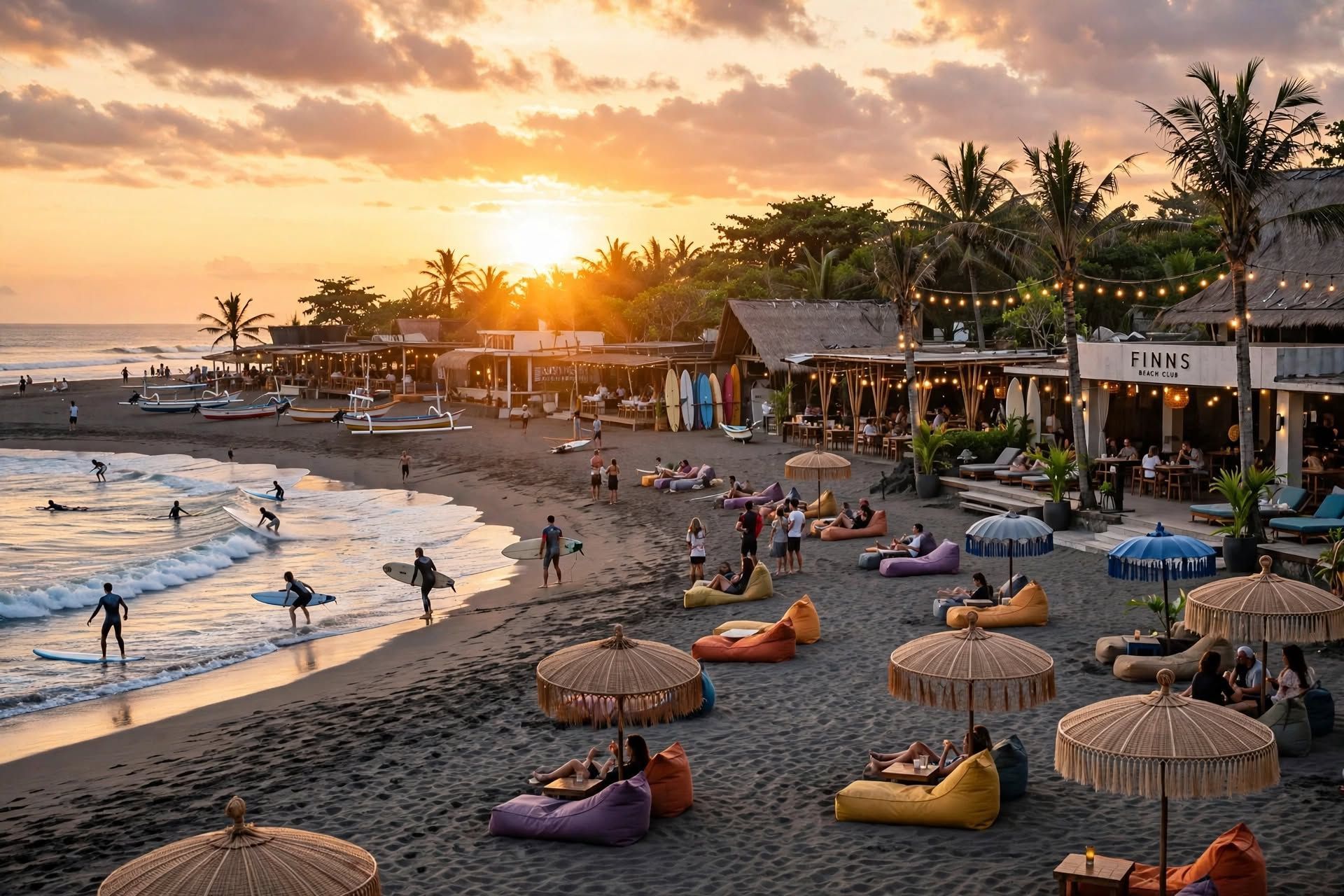
Canggu’s appeal to travelers in their 30s and 40s lies in its balance. It offers stimulation without chaos, community without overcrowding, and lifestyle-driven experiences without demanding excess. Unlike high-intensity party destinations or ultra-secluded retreats, Canggu exists in the middle — a curated blend of activity and ease.
This age group typically travels with layered priorities. Some arrive for remote work while maintaining professional responsibilities. Others come seeking wellness resets without disconnecting entirely from modern infrastructure. Many travel as couples, small groups of friends, or young families. What they share is a desire for an environment that supports flexibility.
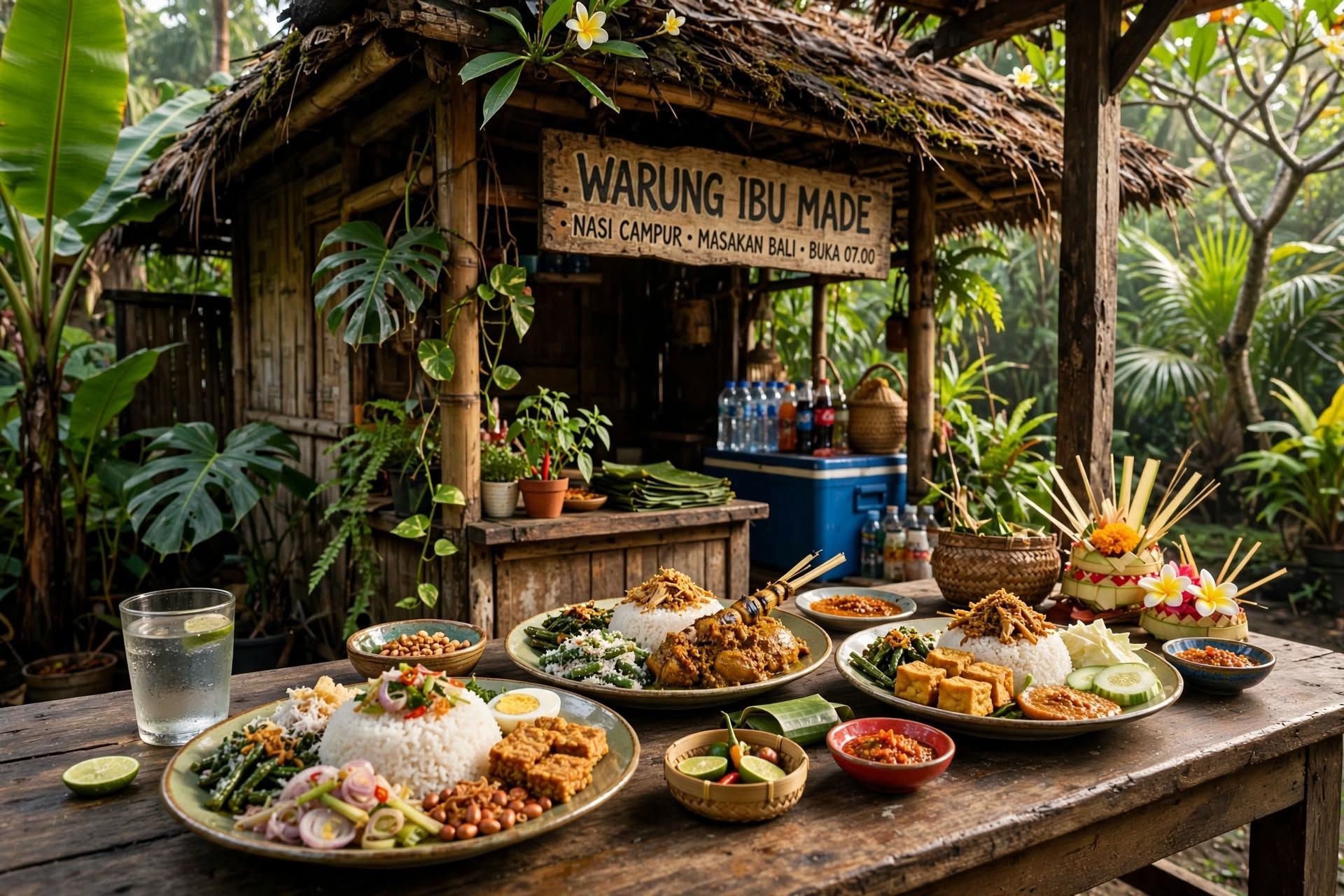
Infrastructure plays a significant role. Reliable Wi-Fi, high-quality dining, fitness studios, co-working spaces, and boutique retail are no longer luxuries — they are expectations. Canggu provides these in a compact radius. The ability to move from a morning gym session to a focused work block, followed by a sunset beach walk and refined dinner, creates a rhythm that aligns with mature travel preferences.
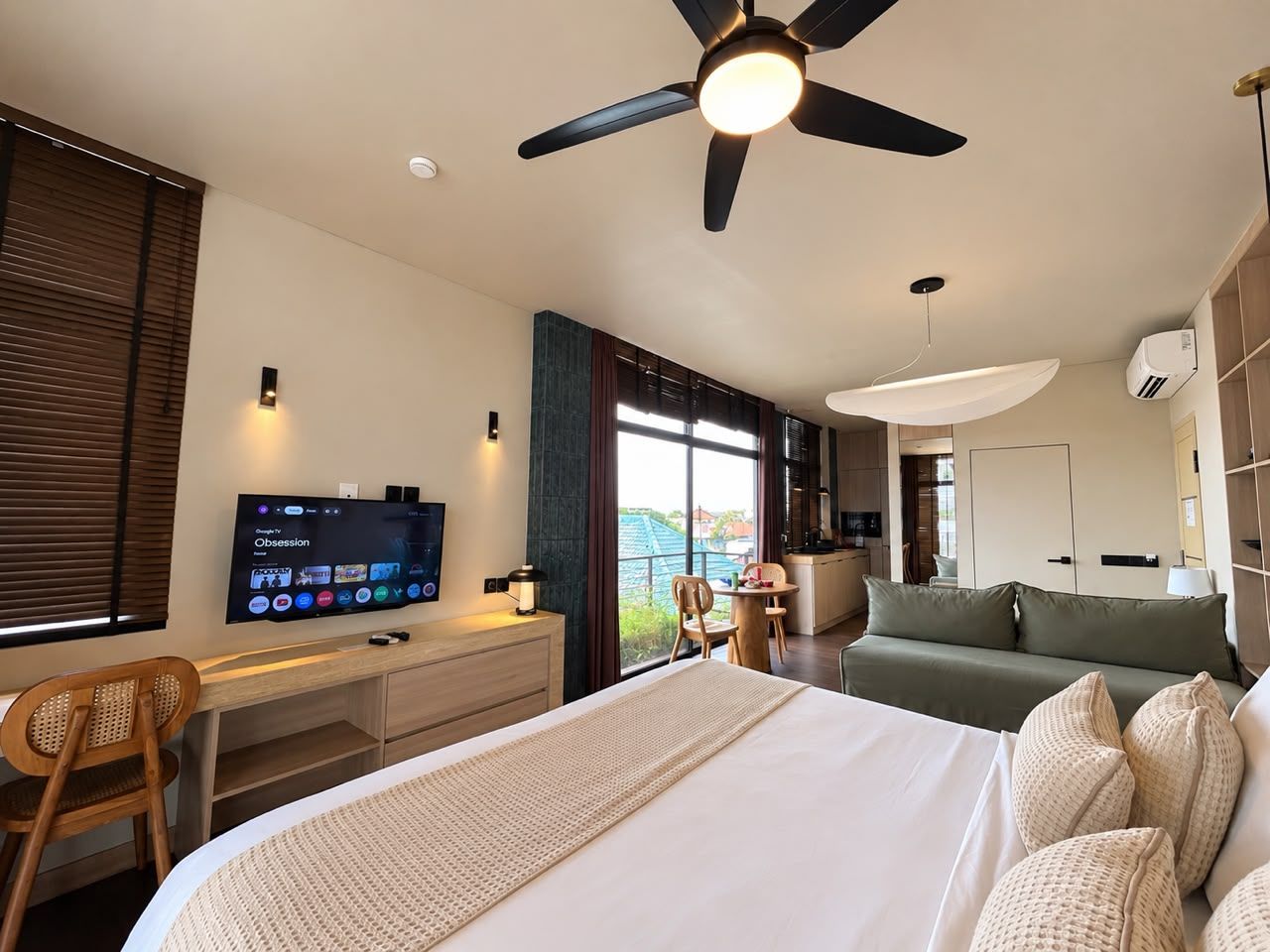
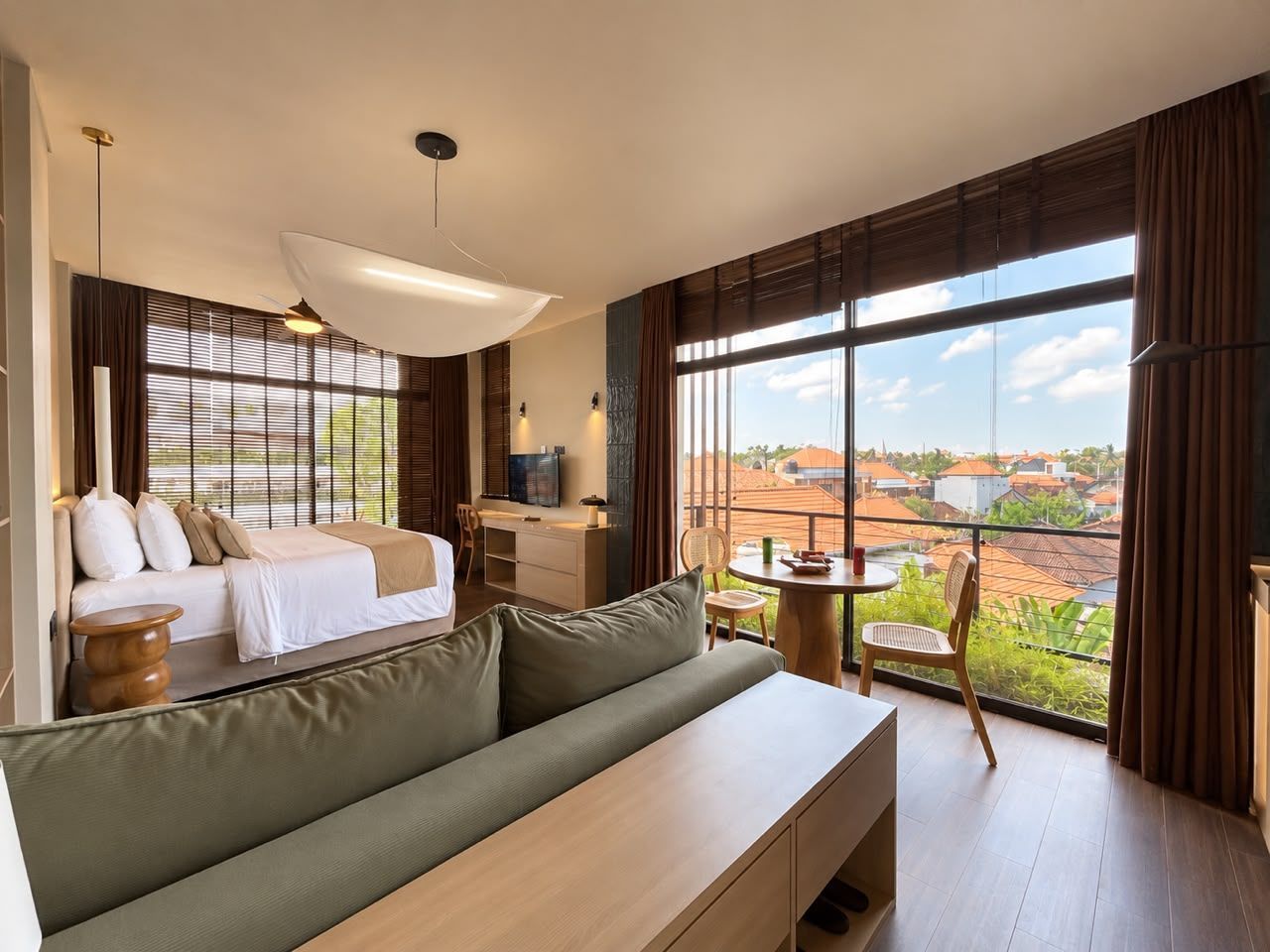
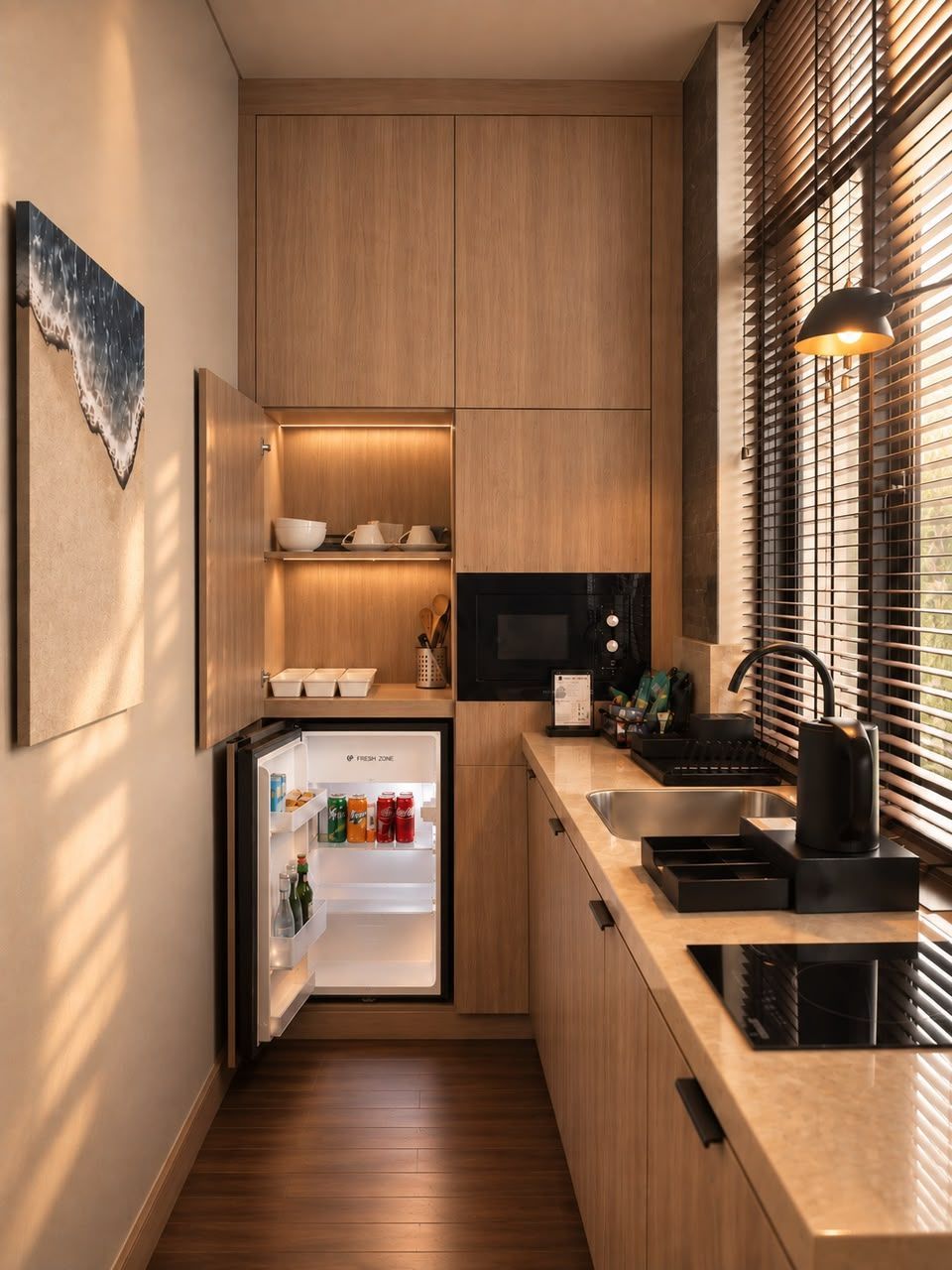
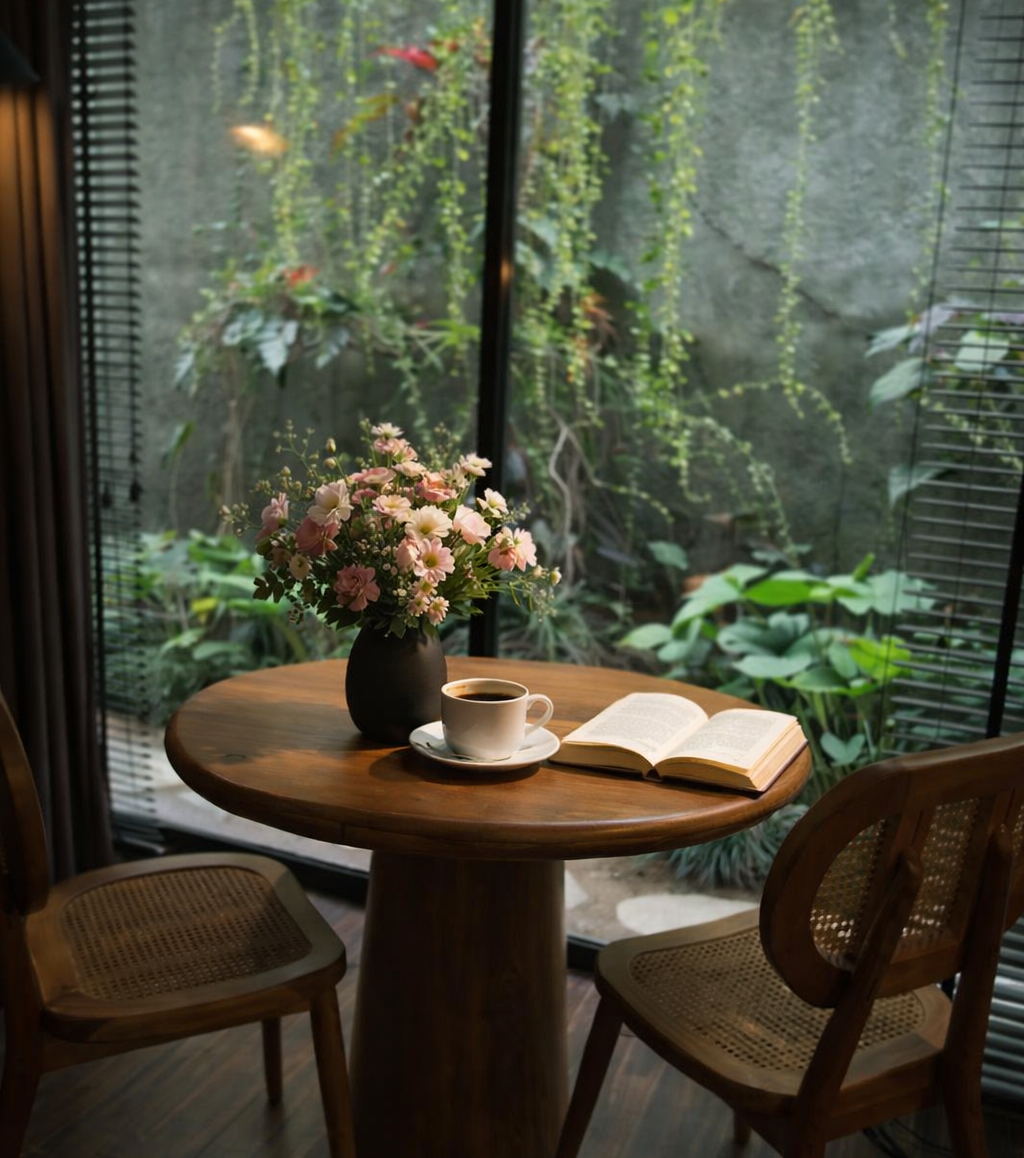
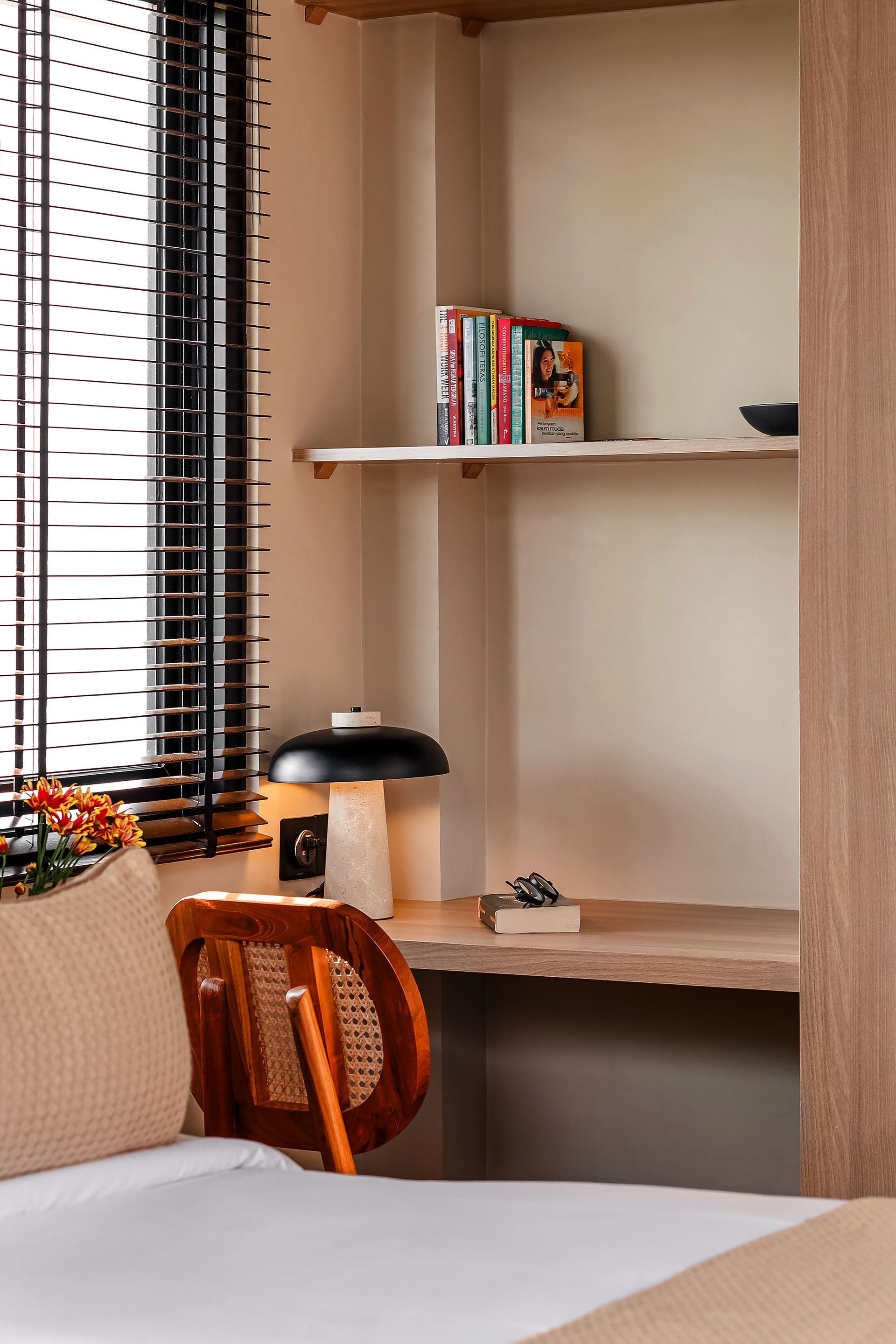
There is also an aesthetic alignment. Travelers in this life stage often appreciate design clarity — neutral palettes, thoughtful lighting, clean architectural lines. Overly themed or overly crowded environments can feel draining. Canggu’s contemporary villas, modern boutique stays, and minimalist cafés reflect a global design language that resonates with professionals and entrepreneurs.
Importantly, this demographic values autonomy. They prefer spaces that allow independence while remaining close to curated experiences. They do not want rigid schedules imposed by resorts, nor do they want logistical complications. They want freedom with structure. Canggu delivers this by being navigable, walkable in key areas, and dense with quality options.
Financially, travelers in their 30s and 40s often prioritize value over absolute budget constraints. They are willing to pay for comfort, privacy, and strategic location — but they expect return on that investment. A stay must feel efficient, well-managed, and thoughtfully designed.
Another factor is community. Canggu has quietly developed into a hub for founders, creatives, remote professionals, and wellness-oriented individuals. For travelers in their 30s and 40s, this matters. Conversations in cafés feel engaging. Networking happens organically. Social interaction does not feel transactional or chaotic.
Ultimately, Canggu supports a version of travel that feels aligned with personal evolution. It is active without being exhausting. Social without being overwhelming. Refined without being inaccessible. For a demographic balancing ambition, relationships, and personal growth, that balance is not just attractive — it is essential.
For travelers in their 30s and 40s, the concept of “vacation” has evolved. It is no longer about complete disconnection; instead, it is about integration. Many in this age group manage businesses, lead teams, freelance across time zones, or maintain hybrid roles. Travel, therefore, must accommodate productivity without sacrificing restoration. Canggu has quietly positioned itself as one of the few destinations where this blend feels natural rather than forced.
The key lies in proximity and infrastructure density. Within a compact radius, Canggu offers coworking spaces, cafés designed for laptop-friendly comfort, fitness studios, beach access, and high-quality dining. This layout allows a day to unfold without logistical strain. A morning might begin with a workout, transition into focused work hours, followed by a beach sunset and a refined dinner — all without long commutes or transportation friction. Efficiency protects energy.
Reliable internet is non-negotiable for this demographic. Beyond Wi-Fi speed, it is the overall working environment that matters: natural light, ergonomic seating, calm acoustics, and accessible refreshments. Many spaces in Canggu are designed with this understanding. They are not makeshift; they are intentional. This design maturity signals respect for the professional traveler.
Time zone differences also play a role. Professionals connecting with Europe, Australia, or parts of Asia find Bali’s positioning manageable. Early calls can be balanced with late-afternoon leisure. Work blocks can be scheduled around natural light cycles rather than confined to artificial office hours. This flexibility enhances wellbeing rather than diminishing it.
Importantly, the work–life blend in Canggu does not feel isolating. Unlike remote rural destinations where productivity may feel detached from community, Canggu offers ambient connection. Cafés are filled with other focused individuals. Conversations spark naturally. Networking can happen casually without the formality of structured events. For many in their 30s and 40s, this organic professional ecosystem adds value beyond the scenery.
Accommodation plays a critical supporting role. A stay must accommodate both rest and productivity. Adequate desk space, quiet evenings, strong connectivity, and thoughtful lighting allow work sessions to remain comfortable. At the same time, the atmosphere should signal transition at the end of the day — encouraging relaxation once tasks are complete.
There is also psychological balance at play. Working remotely in a dynamic environment reduces burnout risk compared to repetitive urban routines. Being able to step outside for fresh air, walk to the beach, or dine well after meetings creates mental separation between stress and recovery. The environment becomes part of the productivity strategy.
Financially, this blend makes sense. Instead of dividing time between rigid office months and compressed vacations, professionals can extend stays for two to four weeks, spreading leisure organically across workdays. The experience becomes sustainable rather than indulgent.
In essence, Canggu supports a modern reality: professionals in their 30s and 40s do not want to pause life to travel — they want travel to enhance life. When environment, connectivity, and lifestyle options align seamlessly, the work–life blend stops feeling like compromise and starts feeling like optimization.
As travelers move into their 30s and 40s, the social dynamic of travel changes significantly. The desire to be surrounded by noise, unpredictability, and constant stimulation tends to soften. In its place comes an appreciation for privacy, meaningful connection, and environments that support deeper conversations rather than surface-level interaction. Canggu’s evolution as a destination mirrors this shift.
This demographic often travels as couples, long-term partners, close-knit groups of friends, or even solo with a strong sense of self-containment. The focus is less on meeting as many people as possible and more on strengthening existing relationships — including the relationship with oneself. Space becomes important. Not isolation, but intentional breathing room.
Large party villas and high-traffic accommodations may appeal to younger travelers seeking social acceleration. For those in their 30s and 40s, however, overstimulation can quickly feel draining. Sleep quality matters. Acoustic calm matters. Personal space matters. The ability to unwind without background chaos is no longer a luxury; it is foundational to enjoyment.
Boutique modern stays resonate because they reflect clarity. Clean architectural lines, neutral palettes, controlled lighting, and thoughtful layout signal psychological ease. When a space feels organized and composed, the mind follows. There is less friction, fewer distractions, and more room for presence.
Relationship dynamics also influence accommodation preferences. Couples may value private terraces, garden access, or quiet communal areas where they can share morning coffee without interruption. Small groups might prioritize proximity to cafés and beaches while still returning to a calm base. Solo travelers in this age group often appreciate environments that feel secure and elevated rather than transient.
Security and professionalism are quietly important. A well-managed property communicates reliability. Clear communication, seamless check-in processes, and attentive but non-intrusive service build trust. For experienced travelers, operational smoothness significantly affects perception of quality.
There is also an emotional layer. Travel in one’s 30s and 40s often intersects with personal milestones — anniversaries, career transitions, life reflections, even pre-family escapes or post-burnout resets. The setting should feel aligned with these moments. Overly themed or overly casual spaces may not match the internal significance of the trip.
Canggu offers this middle ground effectively. It remains vibrant and socially active, yet refined corners exist within it. A traveler can participate in energy during the day and retreat to calm in the evening. This duality supports emotional balance.
Design subtly shapes behavior. In a composed environment, guests tend to move slower, speak softer, and notice more. Conversations become richer. Mornings stretch longer. Even short stays feel intentional rather than reactive.
Ultimately, for travelers in their 30s and 40s, accommodation is not just a place to sleep. It is a stabilizing anchor within a dynamic destination. When privacy, aesthetics, and operational excellence align, the stay enhances relationships instead of competing with them.
In the 20s, travel is often an escape. In the 30s and 40s, it becomes recalibration. The intention shifts from “getting away” to “realigning.” This distinction is subtle but powerful — and it explains why Canggu resonates so strongly with this demographic.
By this stage of life, most travelers carry layered responsibilities: career leadership, business ownership, long-term relationships, family planning, financial commitments. Stress is no longer episodic; it can become structural. What they seek in travel, therefore, is not chaos disguised as freedom, but restoration that feels sustainable.
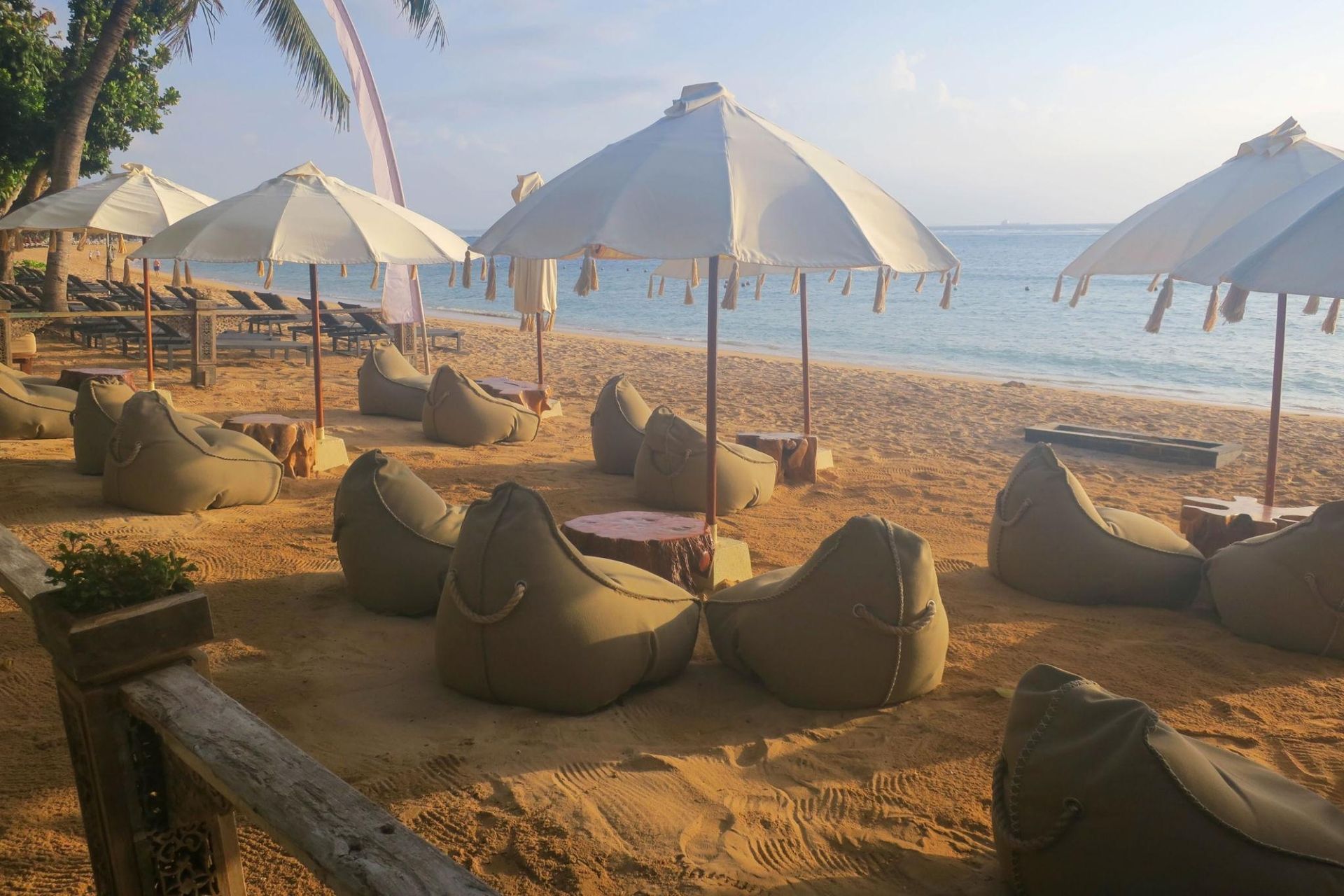
Canggu supports this recalibration through rhythm. The days unfold at a pace that feels active yet breathable. Sunrise walks along the beach, strength training or yoga sessions, nutrient-focused cafés, massage therapy, and sunset pauses are not rare indulgences — they are embedded into the environment. Wellness is accessible, not ceremonial.
There is also a maturity in how this age group approaches health. It is less about extremes and more about consistency. Rather than intensive detox retreats or hyper-restrictive regimens, travelers in their 30s and 40s often prefer balanced routines: good sleep, movement, clean food, meaningful work blocks, and restorative downtime. Canggu’s ecosystem naturally supports this moderate optimization.
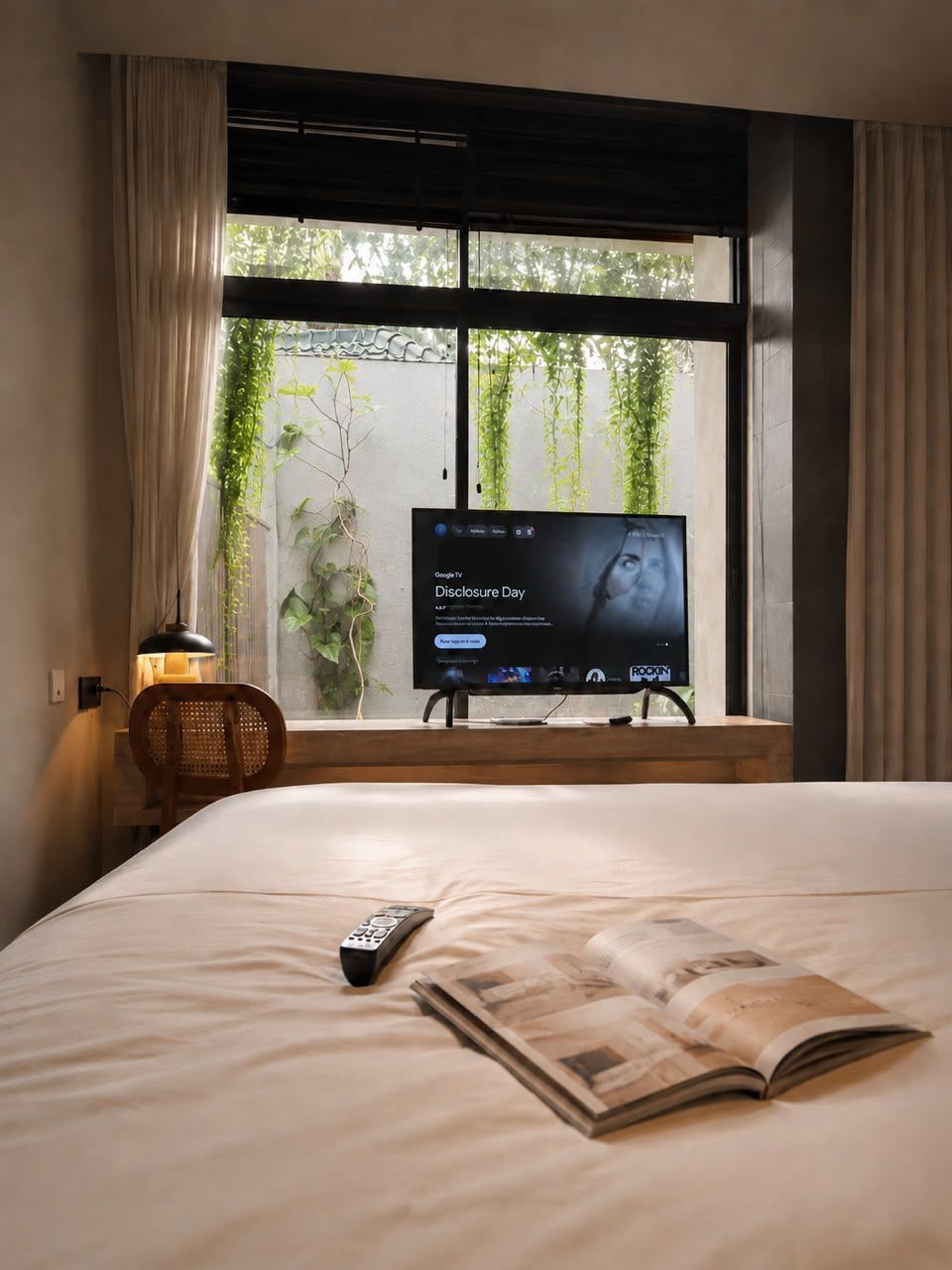
Mental clarity becomes a priority. Spacious design, natural light, greenery, and quiet mornings contribute more to wellbeing than loud nightlife ever could. The ability to think clearly — about career decisions, relationship direction, or personal goals — becomes part of the value of the trip.
Importantly, recalibration does not mean isolation. Community remains essential, but it is chosen carefully. Conversations at cafés, shared fitness classes, or networking dinners feel intentional rather than accidental. The social layer enhances growth instead of distracting from it.
Financial perspective also plays into wellness maturity. Travelers in this bracket understand opportunity cost. Time away from responsibilities must deliver genuine return — whether emotional, physical, or strategic. Canggu offers an environment where productivity and restoration can coexist, reducing guilt around extended stays.
There is a reason many visitors in their 30s and 40s return repeatedly. The destination supports incremental improvement. Each visit builds on the previous one — new routines formed, better habits established, stronger professional networks developed. It feels progressive rather than escapist.
Even short stays can trigger meaningful shifts. A week of consistent sleep, balanced meals, sunlight exposure, and intentional reflection can recalibrate nervous systems taxed by urban life. The external environment acts as a stabilizer for internal clarity.
Ultimately, Canggu appeals to this demographic not because it promises transformation, but because it quietly enables alignment. It offers stimulation without overwhelm, wellness without rigidity, and community without pressure.
For travelers in their 30s and 40s, that combination is rare. And in a world where time is increasingly precious, destinations that respect both ambition and wellbeing are not just attractive — they are strategic choices.