




How to Choose the Right Stay in Canggu for a 2–4 Week Reset

Short vacations are refreshing. Extended stays are transformative. The difference between five days and three weeks in Canggu is not simply time — it is depth. In a 2–4 week reset, routines begin to form. The nervous system settles. Productivity stabilizes. Sleep improves. Eating patterns normalize. The destination stops feeling like a backdrop and starts becoming a temporary lifestyle.
For professionals in their 30s and 40s, this duration is particularly powerful. It allows space to maintain responsibilities while stepping outside of habitual environments. Calls are taken from sunlit rooms instead of fluorescent offices. Work blocks are followed by movement, ocean air, and proper meals rather than traffic and fatigue.
However, the success of a multi-week stay depends heavily on accommodation choice. Unlike short holidays, where location and aesthetics may dominate decision-making, longer stays demand functional alignment. The wrong environment becomes exhausting quickly. The right one compounds wellbeing.
A 2–4 week reset requires a property that supports rhythm. Mornings should feel calm. Evenings should feel restorative. Noise levels, lighting, ventilation, desk space, and proximity to essentials begin to matter significantly more than novelty.
Privacy becomes critical. Even social travelers need controlled interaction during extended stays. A well-designed boutique environment provides subtle separation — communal energy nearby, but not imposed. The ability to engage or withdraw on demand supports emotional regulation.
Location strategy also shifts. Being within walking distance of quality cafés, fitness studios, and essentials reduces decision fatigue. Transportation friction, when repeated daily, drains energy. In Canggu, micro-location often defines experience more than neighborhood labels alone.
Financially, extended stays often unlock better value. Negotiated rates or direct bookings can make premium environments accessible over longer durations. This creates an opportunity: choosing quality becomes sustainable rather than indulgent.
Ultimately, a 2–4 week reset is not about escaping life. It is about redesigning daily structure in a way that feels healthier and more aligned. The right stay acts as a quiet partner in that redesign.
When choosing a stay for 2–4 weeks in Canggu, aesthetics alone are not enough. Beautiful photos may attract attention, but layout determines experience. Over time, spatial design begins to influence energy levels, focus quality, and even emotional stability. For extended stays, architecture is not decoration — it is infrastructure.
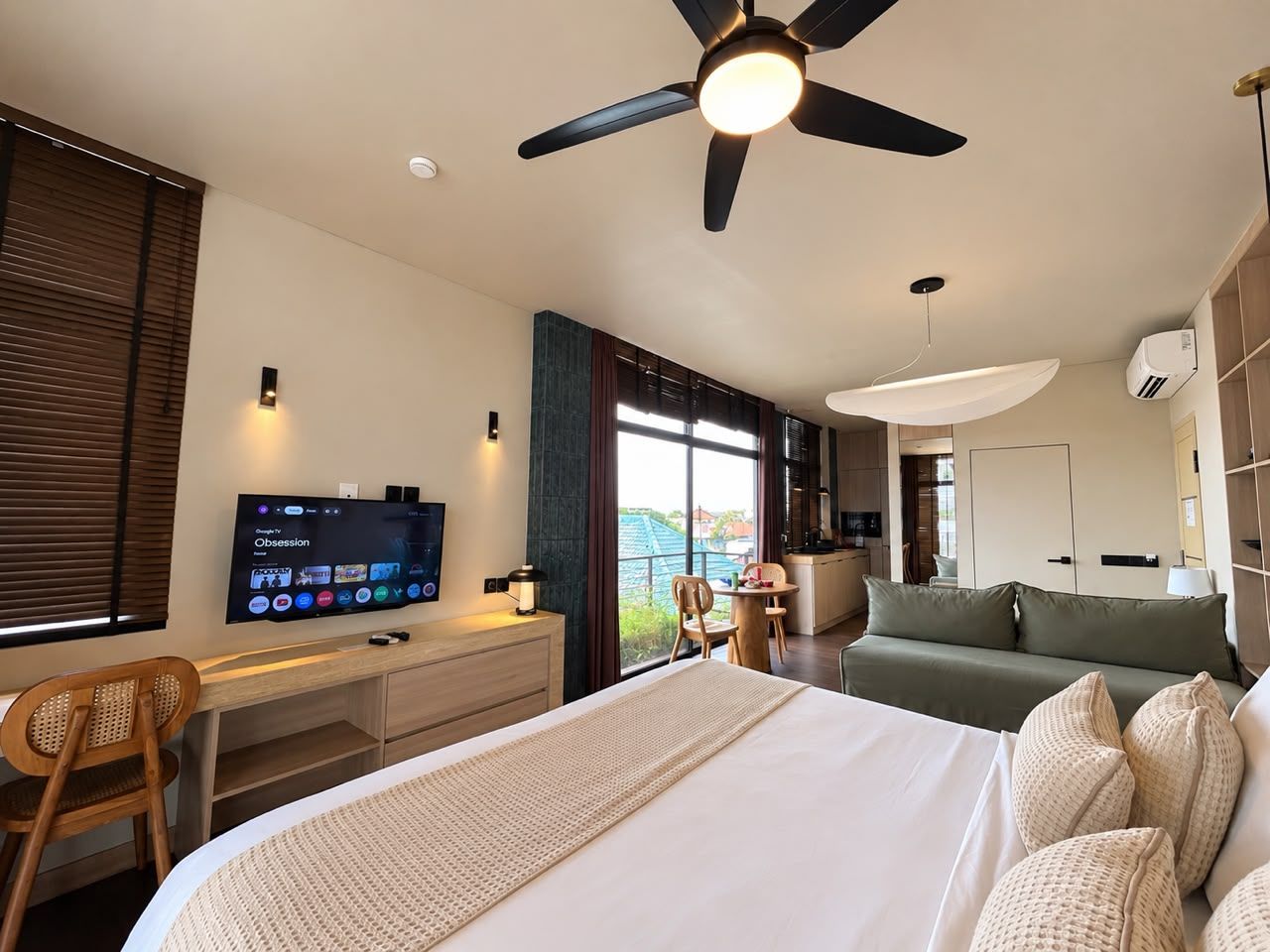
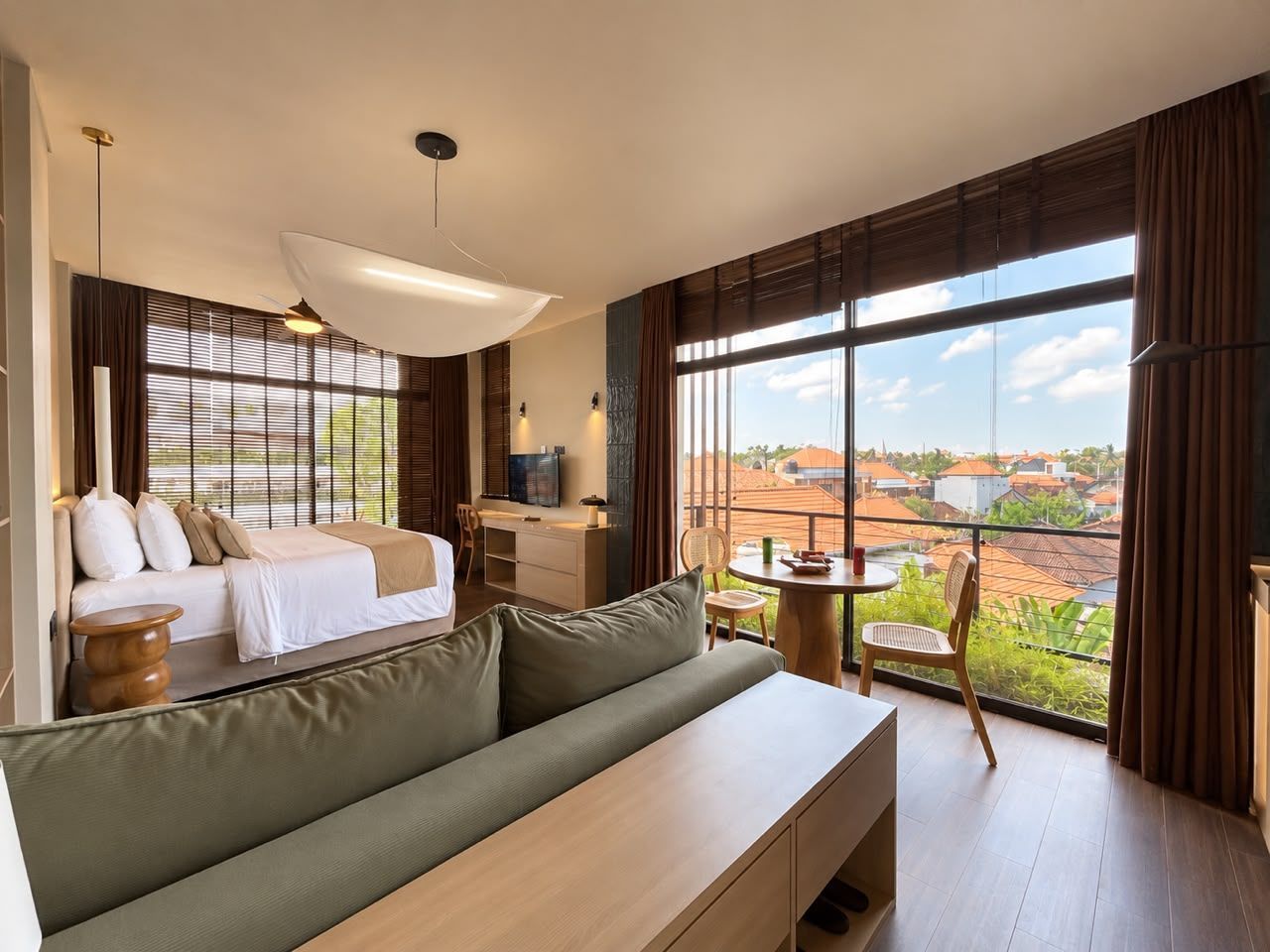
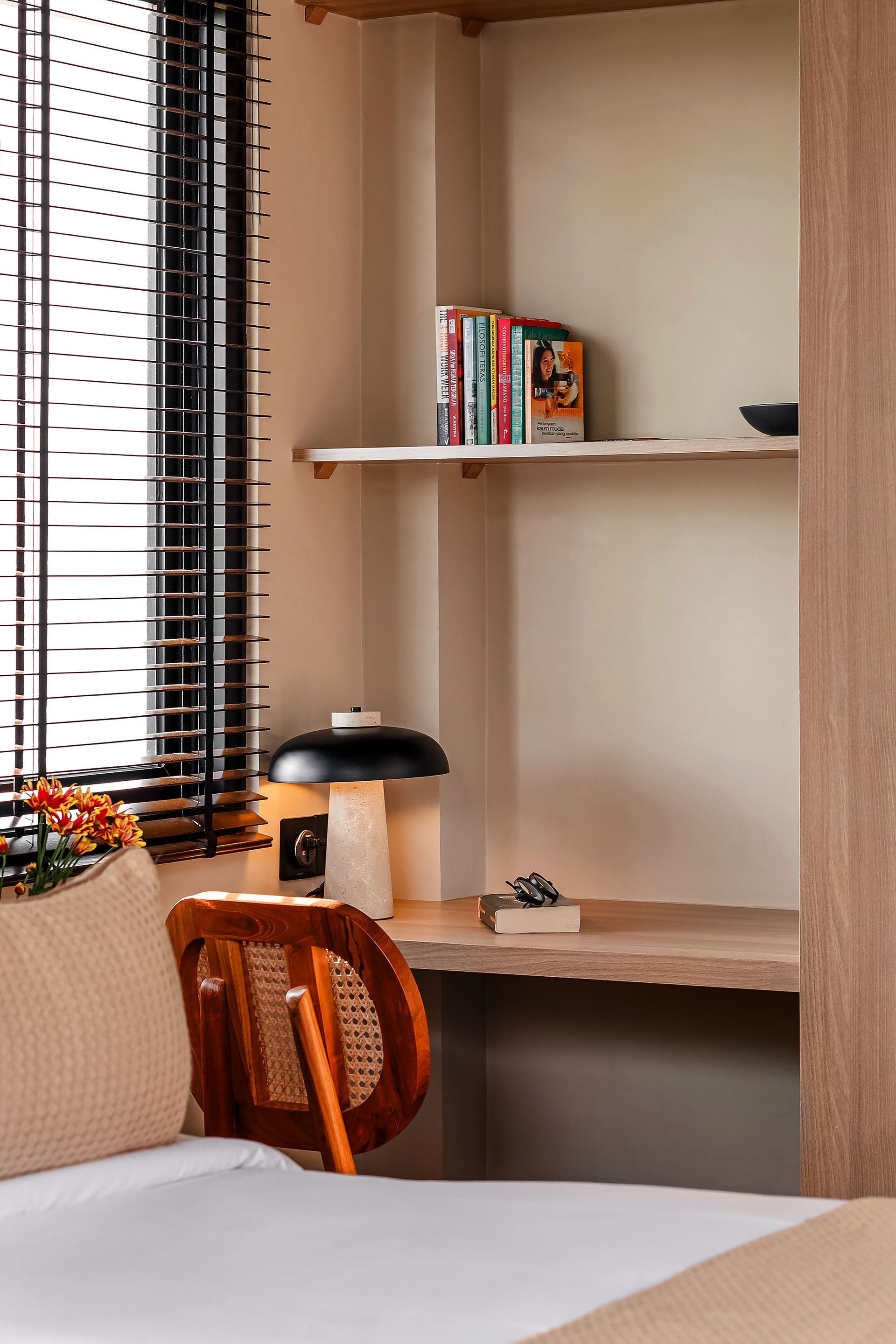
The first element to evaluate is functional zoning. A room that blends bed, desk, lounge, and storage into one compressed space may work for two nights. Over multiple weeks, however, this lack of separation can blur psychological boundaries. Productivity declines when the brain cannot distinguish between rest space and work space. Even a subtle division — a defined desk corner, a small terrace, a reading chair near natural light — creates mental clarity.
Natural light is another non-negotiable factor. Exposure to daylight regulates circadian rhythm, stabilizes mood, and enhances cognitive performance. A room with large windows, garden views, or soft morning sun provides more than ambiance. It supports biological alignment. Over several weeks, this makes a measurable difference in sleep consistency and daily focus.
Air circulation matters more than many realize. Stale, enclosed environments create subtle fatigue. Properties with thoughtful ventilation, greenery integration, and breathable layouts help maintain alertness. In tropical climates like Bali, airflow contributes directly to comfort and work stamina.
Minimal modern design often outperforms heavily themed interiors during extended stays. Visual clutter increases cognitive load. Overstimulating color palettes and excessive decoration may photograph well but can subconsciously exhaust the mind. Clean lines, neutral tones, and controlled textures create visual calm. This calm translates into clearer thinking.
Storage and organization also affect emotional ease. Living out of a suitcase for weeks becomes draining without proper shelving, closet space, or surface area. Order supports mental clarity. A well-planned room allows belongings to disappear into structure rather than accumulate into chaos.
Bathroom quality is frequently underestimated. Strong water pressure, clean design, adequate lighting, and proper ventilation influence daily comfort significantly. Morning routines set the tone for productivity. When these routines feel smooth, the entire day benefits.
Sound insulation is equally critical. Canggu is vibrant. Being near cafés and social hubs is advantageous, but internal quiet must be preserved. Quality boutique stays often balance proximity with controlled acoustics. This ensures that engagement remains optional, not imposed.
Workspace practicality cannot be compromised. A proper desk height, supportive chair, accessible power outlets, and stable Wi-Fi are foundational. For professionals managing responsibilities across time zones, these details directly impact output quality and stress levels.
Over a 2–4 week reset, design becomes behavioral guidance. Calm spaces encourage calm decisions. Organized layouts promote organized thinking. Balanced lighting supports balanced energy.
Ultimately, choosing a stay with intentional layout is an investment in mental efficiency. In a destination designed for movement and inspiration, the accommodation should act as a stabilizing counterweight — grounding, structured, and quietly supportive.
In Canggu, location is not just geography — it is identity. Two properties separated by five minutes can deliver entirely different lifestyle experiences. For a 2–4 week reset, this distinction becomes crucial because micro-location influences daily rhythm, energy exposure, and even decision-making patterns.
Canggu is not a single uniform neighborhood. It is a collection of micro-zones, each with its own tempo. Areas closer to Batu Bolong tend to feel socially charged — cafés buzzing from early morning, digital nomads rotating through laptops and smoothie bowls, sunset crowds flowing toward the beach. This energy can be motivating for some, especially those seeking social interaction or networking opportunities.
Move slightly outward, and the atmosphere shifts. Streets become quieter. Traffic thins. Greenery increases. The environment feels more residential, more grounded. Over multiple weeks, this subtle difference compounds. Constant stimulation, even if enjoyable at first, can gradually drain focus and sleep quality.
For extended stays, proximity without immersion is often ideal. Being 3–7 minutes from the main hubs allows access without overload. You can reach fitness studios, cafés, co-working spaces, and beaches easily — yet return to calm at night. This buffer zone becomes psychologically protective.
Noise patterns matter more over time. What feels lively for a weekend can feel intrusive after three weeks. Motorbike traffic, late-night music, and pedestrian density influence stress levels subconsciously. A strategically positioned boutique stay minimizes these variables while preserving convenience.
Accessibility is another overlooked factor. Walking access reduces reliance on ride-hailing and avoids traffic unpredictability. When daily essentials are reachable on foot, life feels smoother. Micro-frictions disappear. Over weeks, this efficiency preserves mental bandwidth.
Safety perception also shapes comfort. Well-lit streets, organized surroundings, and professional property management contribute to relaxation. Feeling secure allows deeper rest. For solo travelers or small groups staying longer, this becomes a non-negotiable factor.
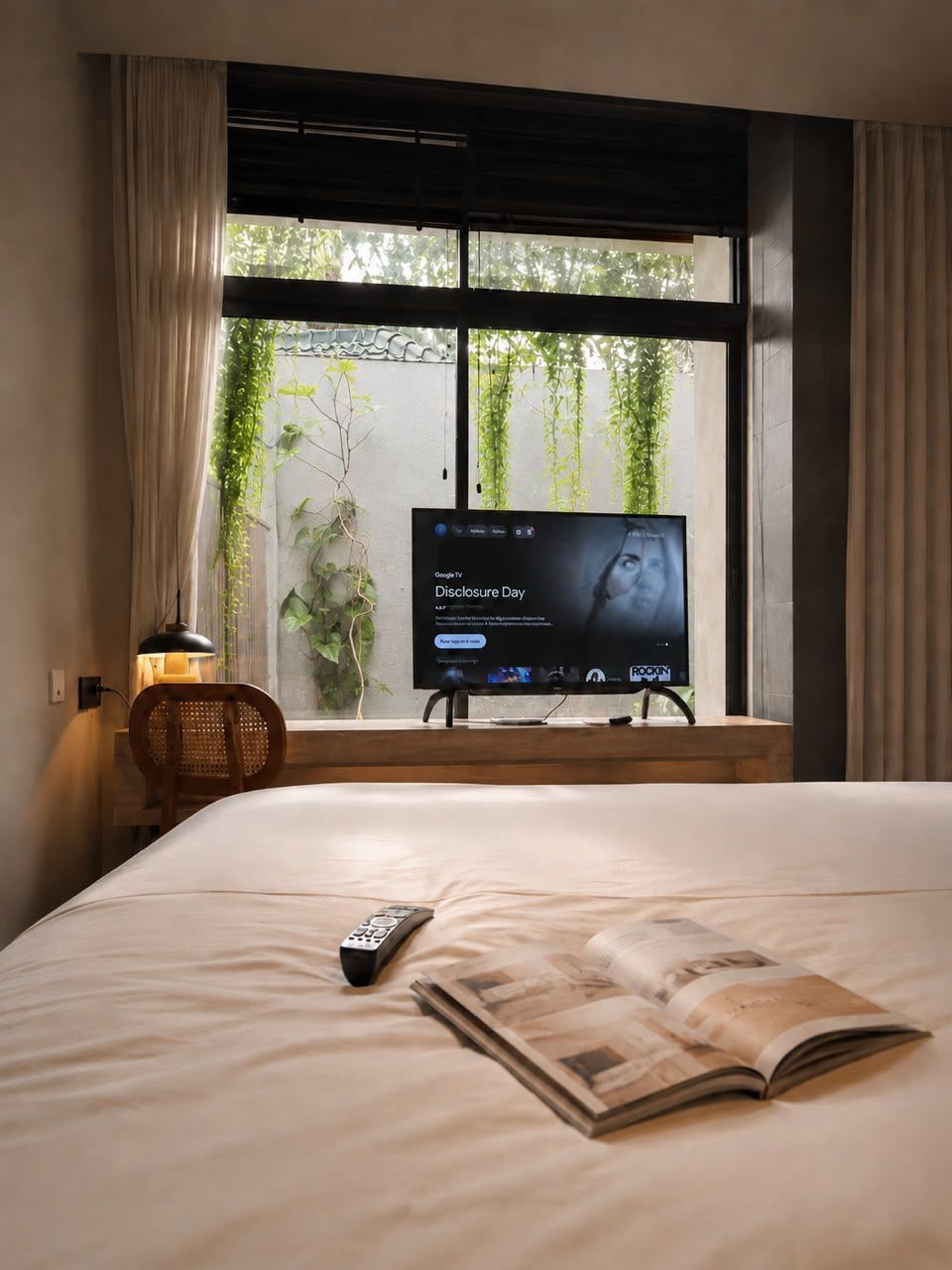
There is also the matter of visual environment. Views of greenery, open skies, or quiet lanes regulate the nervous system differently than views of dense commercial strips. Exposure to nature — even subtle — improves mood stability and creative thinking.
Importantly, the right location supports balance. During a reset, you may alternate between productivity days and exploration days. A central but calm base makes both modes accessible. You are neither isolated nor overstimulated.
In Canggu, five minutes can mean the difference between social intensity and restorative calm. Choosing wisely ensures that the destination works with your reset rather than against it.
When planning an extended stay in Canggu, many travelers initially focus on nightly rates. This makes sense for short holidays, but for 2–4 weeks, the conversation shifts from price to value architecture. The true cost of a reset is not defined solely by accommodation fees — it is shaped by productivity impact, lifestyle convenience, and negotiation flexibility.
Nightly OTA prices can appear straightforward, but they often include platform commissions that inflate total costs. For short stays, this difference may feel negligible. Over 21 to 30 nights, however, even small markups compound significantly. Extended stays create leverage — and leverage allows negotiation.
Direct bookings with boutique properties frequently unlock better monthly or multi-week packages. This may include rate adjustments, added services, flexible payment structures, or room upgrades depending on availability. The longer the stay, the more room there is for mutually beneficial arrangements.
Beyond base price, hidden economic factors shape overall experience. Transportation costs, for example, can quietly accumulate if the property is poorly positioned. Daily ride-hailing to cafés, gyms, beaches, or co-working spaces adds up. A strategically located stay reduces recurring expenses and preserves time.
Time itself is economic capital. For professionals managing businesses or remote teams, inefficiencies carry opportunity cost. Weak Wi-Fi, uncomfortable workspace setups, noisy surroundings, or poor sleep conditions can reduce output quality. Even minor productivity dips over several weeks can outweigh small accommodation savings.
There is also a psychological cost to instability. Moving between properties mid-stay to chase lower rates disrupts rhythm. Packing, adjusting, and recalibrating consume energy. A well-chosen single base eliminates transition fatigue.
Service quality influences economics as well. Reliable housekeeping, responsive management, and smooth maintenance reduce friction. Extended stays inevitably encounter small issues — strong property management ensures these are resolved quickly, preventing disruption.
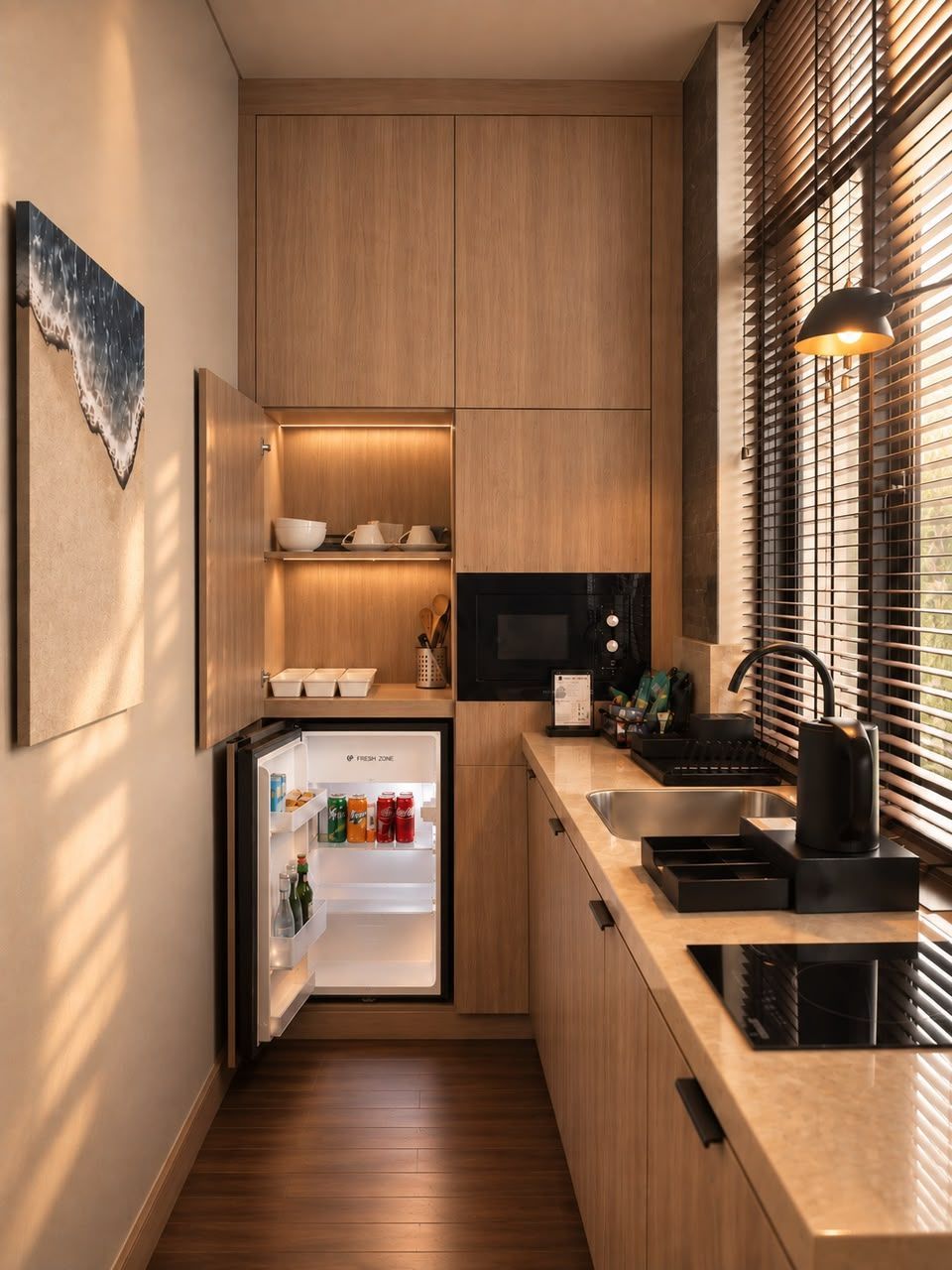
Utilities and inclusions should be evaluated carefully. Cleaning frequency, linen changes, laundry access, kitchen facilities, and workspace provisions contribute to perceived value. What appears slightly higher in nightly rate may include services that offset external spending.
For group travelers, shared boutique environments often provide stronger cost efficiency compared to multiple hotel rooms. Shared communal areas, coordinated booking terms, and consistent service create cohesion without sacrificing privacy.
Extended stays also open the possibility of relationship-building. Guests staying multiple weeks often receive more personalized attention. This enhances experience quality and, in some cases, provides flexibility for future returns.
Ultimately, the economics of a 2–4 week reset are strategic rather than transactional. The goal is not to minimize cost at all expense — it is to maximize alignment between environment, productivity, and wellbeing.
When evaluated holistically, the right boutique stay becomes an investment in performance, clarity, and lifestyle optimization — not merely a line item in a travel budget.