





Balcony Serenity at Aviator Bali
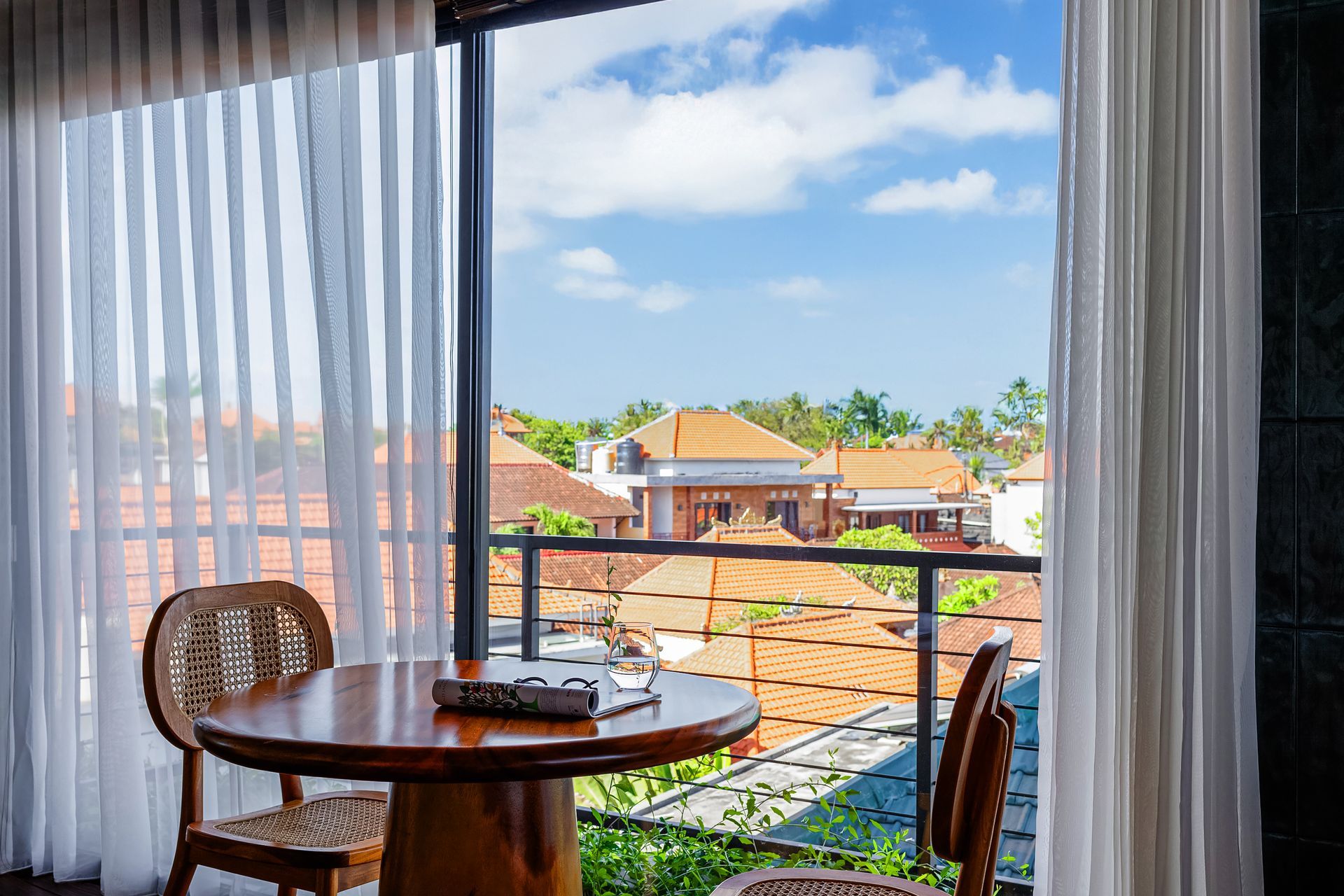
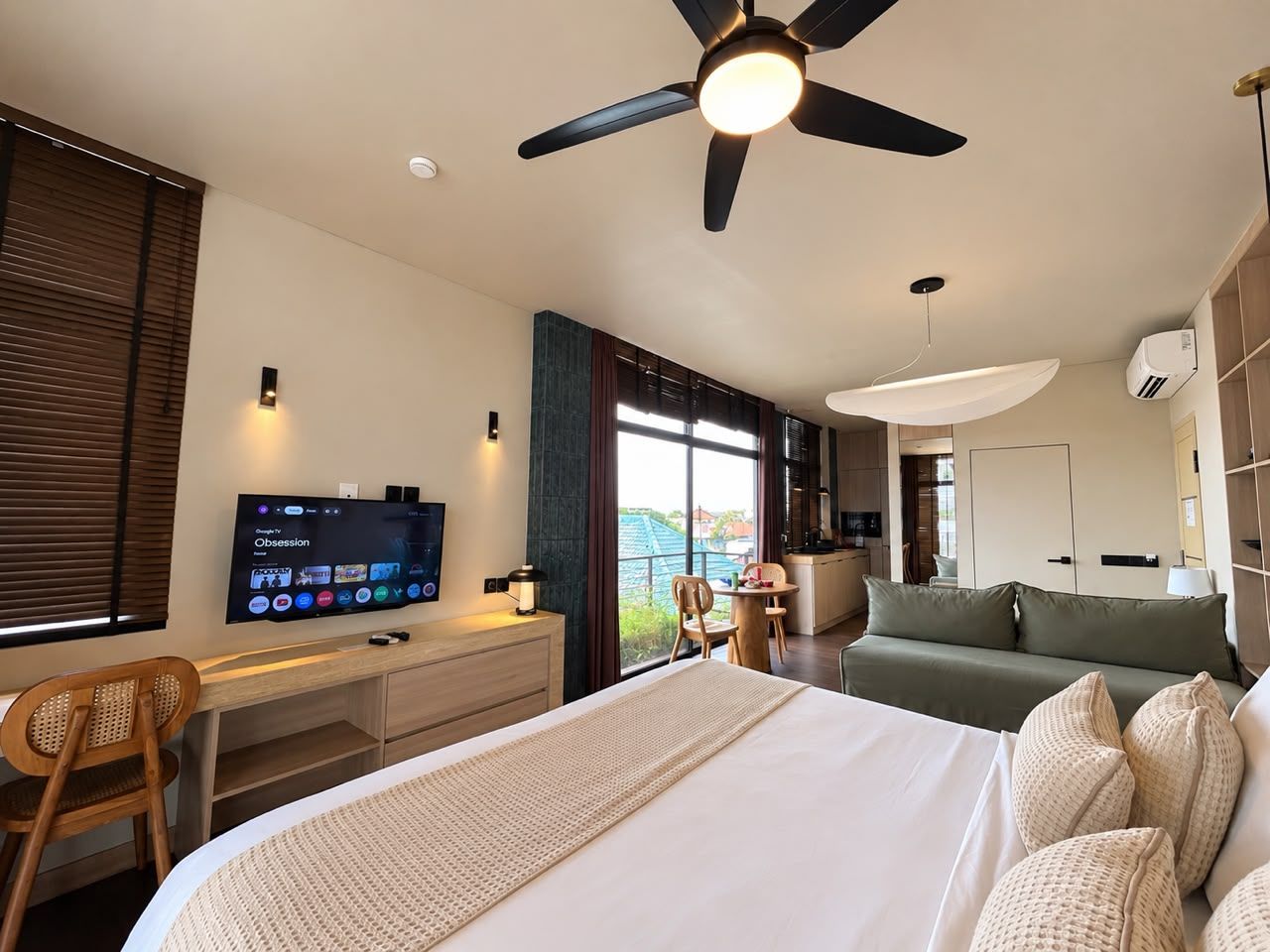
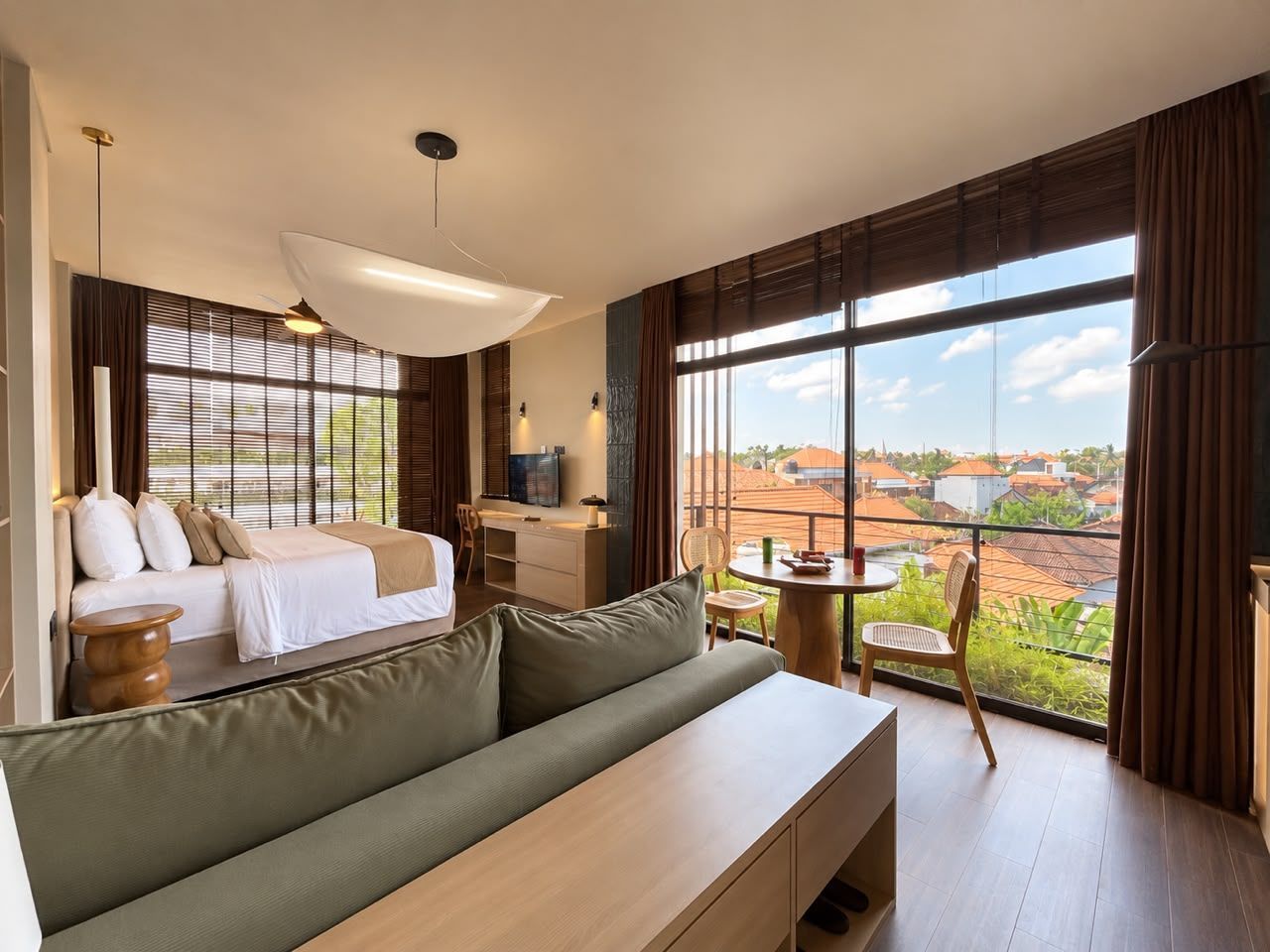
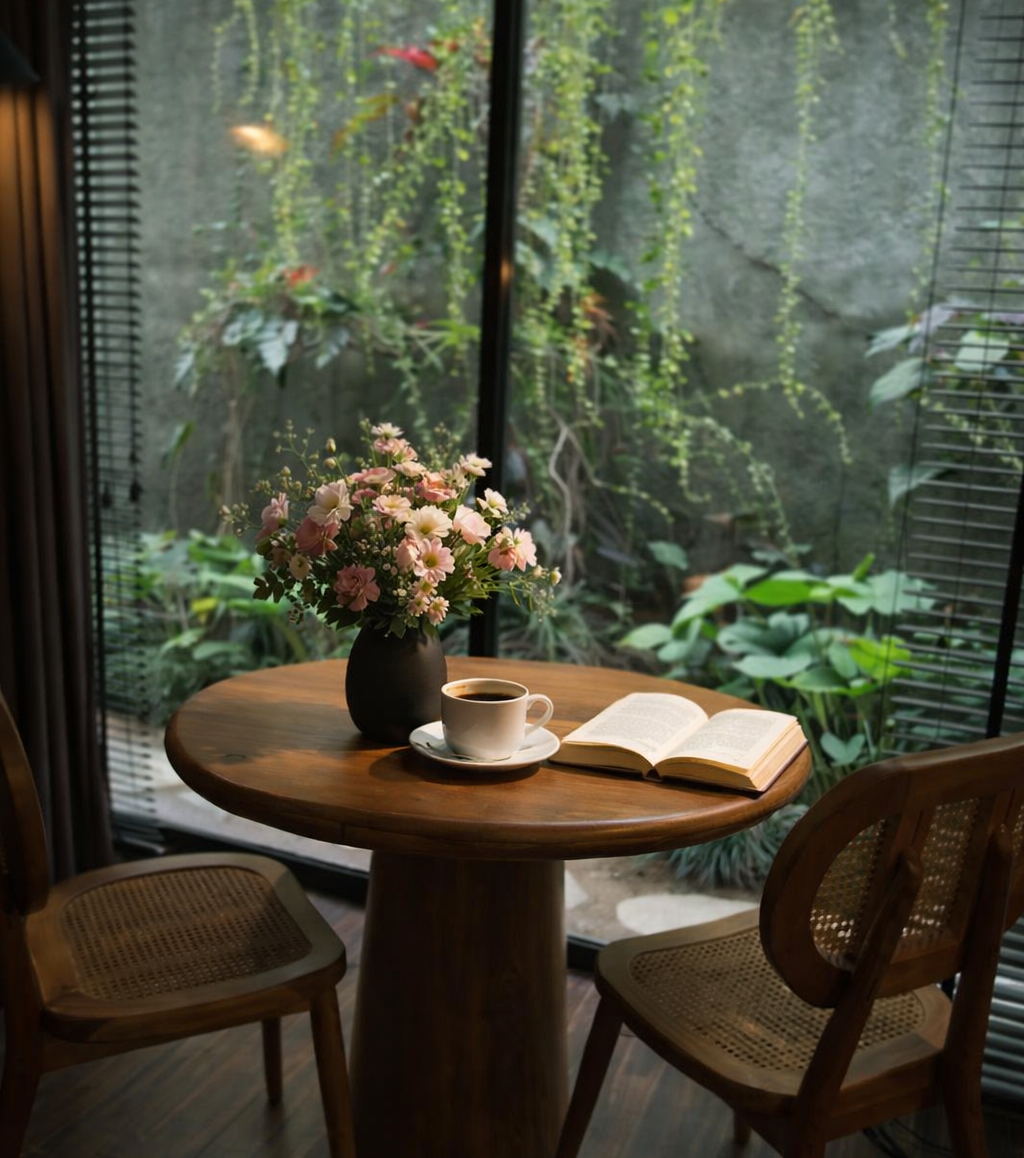
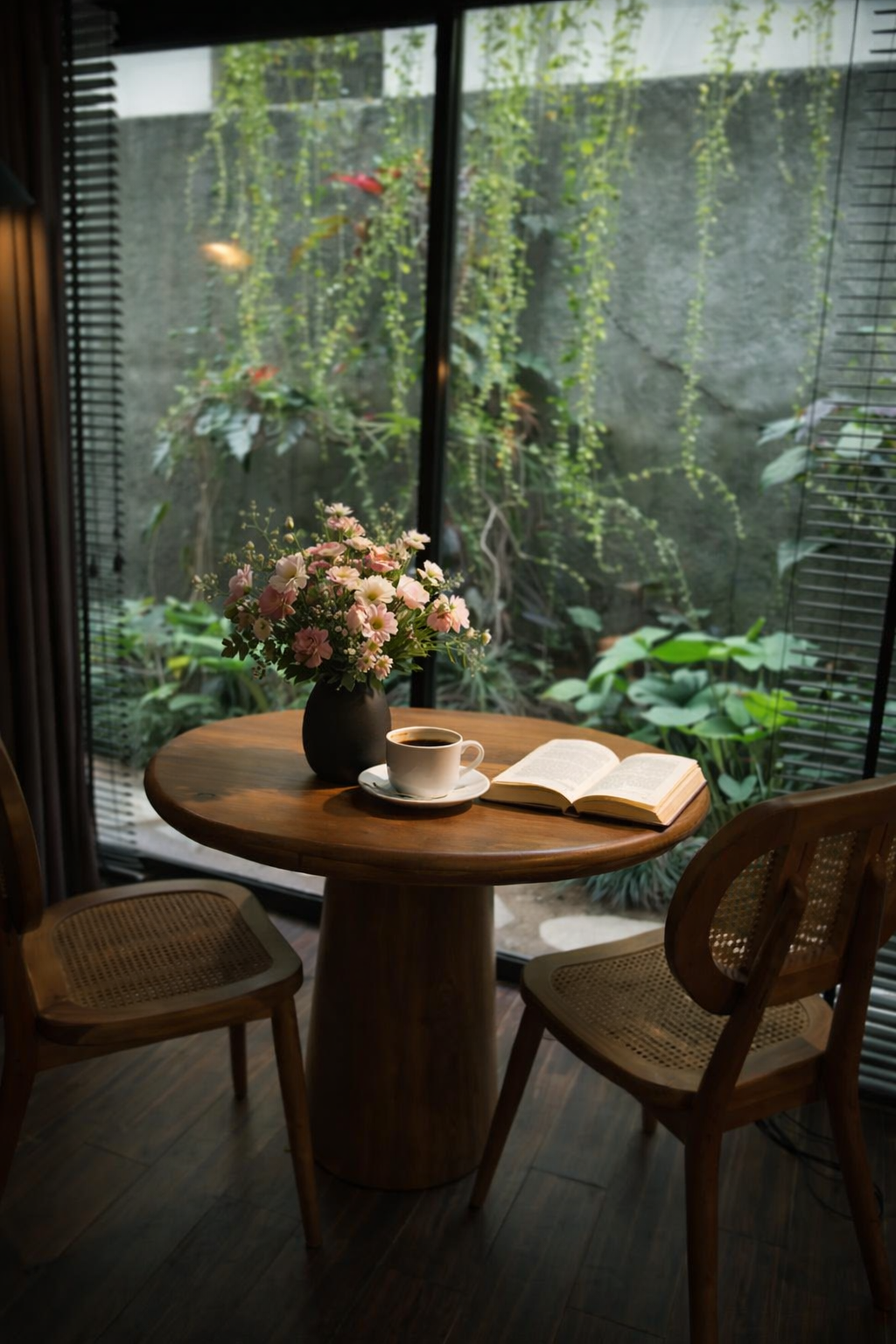
There is a small, quiet ritual that many of us come back to without realizing: the first cup of tea of the day, made slowly, carried out to the balcony, and set down beside an open laptop as the morning wakes. At Aviator Bali that ritual feels effortless because the design of the rooms and the placement of the balconies seem made for it. You push the door open, let a soft breeze brush your face, and feel how the light has already softened the edges of things. The distant sounds of Canggu—muted scooters, a rooster calling, someone chatting in a courtyard—blend into an ambient hum that somehow clears your head instead of cluttering it. Sitting there with the steam rising from a teacup, you realize that work can be held in a gentler rhythm: you answer emails between sips, outline ideas while watching the leaves move, and find yourself writing sentences with more patience than you usually do. The balcony becomes a small stage where productivity and calm coexist; the view reminds you that the job is part of a larger life, not the whole thing. This feeling—that your workspace is not a box but an open place—changes how you approach the day. It doesn’t shout inspiration at you. Instead, it hands you a steady, quiet confidence that’s perfect for doing good work without burning out.
Working from a balcony transforms the way the brain organizes the day. Instead of jumping into a list of tasks, you begin by letting the body settle: a long inhale, a cooling exhale, a look across the horizon. The cup of tea warms your hands; the taste marks a gentle starting point. On the balcony at Aviator Bali the eye finds more than pixels and deadlines: there’s a pattern of rooftops, a distant tree line, a bicycle that crosses the street like a punctuation mark. Those small, human rhythms are surprisingly restorative. They break up focus in the best way, giving the mind a chance to refuel before committing to the next block of concentration. When you return to the screen, the work is not an imposition but a choice. That psychological reframing—where you feel as though you’re selecting tasks from a menu instead of being swept into them—makes you more efficient and less anxious. The balcony setting is not about distraction; it’s about giving the mind fresh air. And a simple tea ritual helps the body to join the brain’s calmer pace. Over time, you learn to trust the pauses: they are not wasted minutes; they are the architecture that holds a good day together.
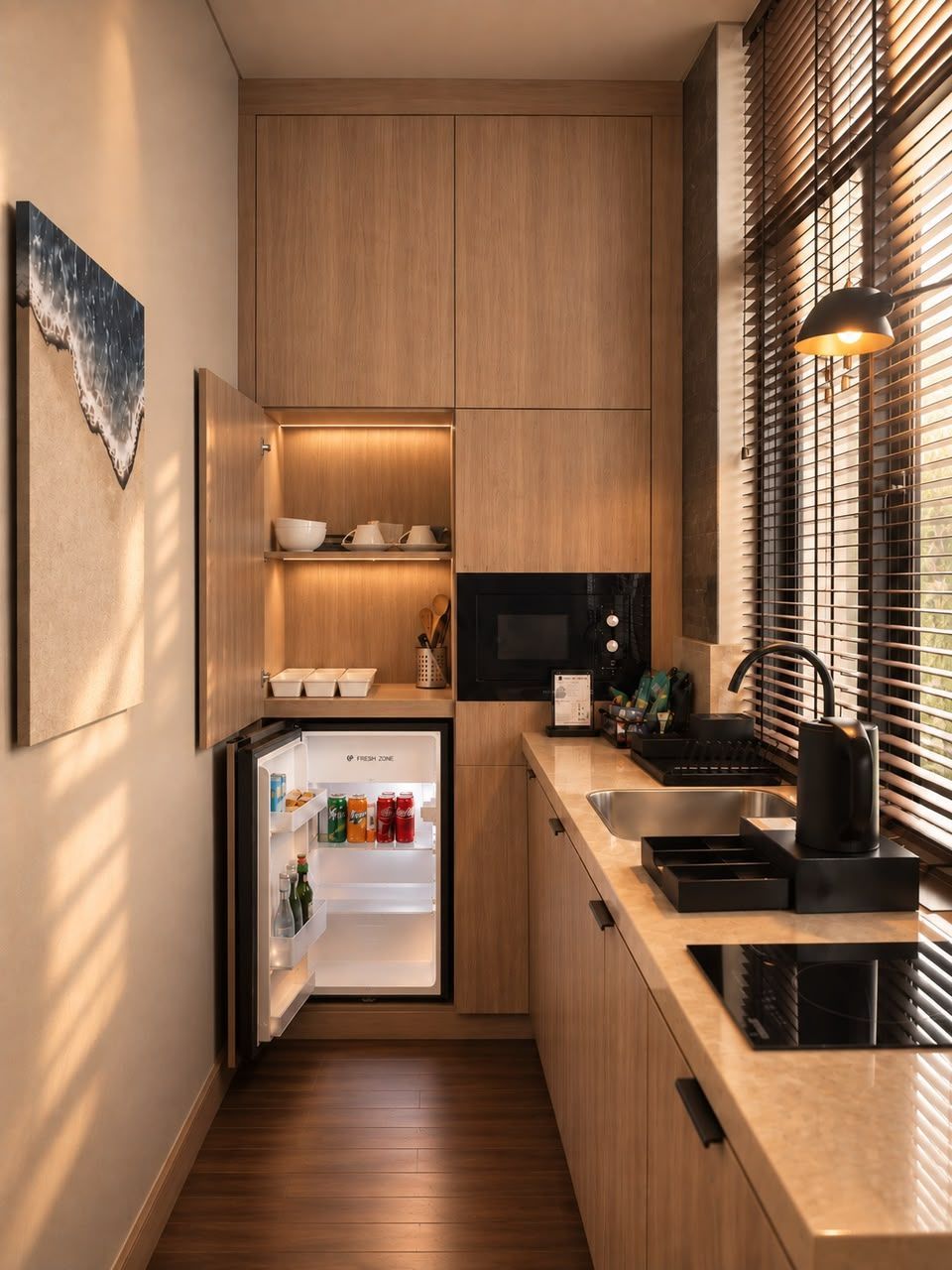
The sensory texture of a balcony workspace changes everything. The air smells different—green and warm; the light is kinder to the eyes than fluorescent bulbs; the ambient noises are soft and layered rather than one loud loop. At Aviator Bali, where the rooms are designed to make the most of their views, these details matter. Preparing a cup of tea and bringing it outside becomes an act of ritualized care: you grind or steep, you watch the steam curl, and you sit. That momentary slowness is a recalibration that makes intense thinking easier. Instead of forcing creativity, the setting invites it. Ideas arrive on their own pace, and you have room to test them without pressure. The balcony also becomes a place to schedule small experiments—try a different tea, see if you write better with rain in the background, move your chair a few degrees to the left to catch a better angle of light. These tiny adjustments compound; a more comfortable body posture results in longer, deeper concentration. People who work remote for months tell me that these little rituals—tea, balcony, minor angle changes—are what make long-term productivity sustainable. You don’t fight exhaustion; you structure around it. The balcony is the architecture that supports that structure.
When the sun climbs higher and the morning becomes afternoon, the balcony offers a gentle, continuous reminder that your work exists within a physical world of air, light, and weather. This awareness is helpful for resisting the tyranny of constant busyness. At Aviator Bali, many guests find themselves scheduling work in blocks—two hours in the morning on the balcony, an hour mid-day for errands or a short walk, then another block in the late afternoon as the light softens. The tea cup marks the transitions. You don’t punish yourself for stopping; you consider the pause as moving to the next stanza of your day’s poem. Productivity becomes less about rigid throughput and more about flowing with natural cycles. That cyclical structure sharpens attention in a profound way. You find that your most creative sentences arrive after that short walk, that your best emails come when the air is warmer and your tea has cooled to the perfect drinking temperature. In that sense, the balcony is not an escape from work; it is a strategic tool. The view and tea ritual are part of an intentional practice that keeps creative energy alive while protecting rest. It’s why so many people who travel and work long-term seek out accommodations with a balcony that invites presence.
There’s also a subtle psychological comfort in watching something that moves slowly while you work: a tree, a distant dog on a leash, a laundry line fluttering. Those slow motions remind you that you are not the only tempo in the world. Aviator Bali’s balcony views provide that kind of gentle pacing, as if the neighborhood itself is indicating how to cooperate with time rather than fight it. When you’re in a good rhythm—typing for a set period then leaning back to watch the sky—you create a pattern of productivity that’s patient and sustainable. The tea grips that pattern: every sip a tiny ceremony that punctuates your attention, a soft note between paragraphs. These small markers have big effects on endurance. A full day of focused work feels less like endurance and more like a curated experience—tasteful, slow, and imbued with small pleasures. You’re doing real work, but you’re also part of place. For many visitors, this feeling is unexpected; they come for the landscape and discover that the landscape is good for their work. In the end, the balcony’s calm view becomes a collaborator in the process of making a day well shaped.
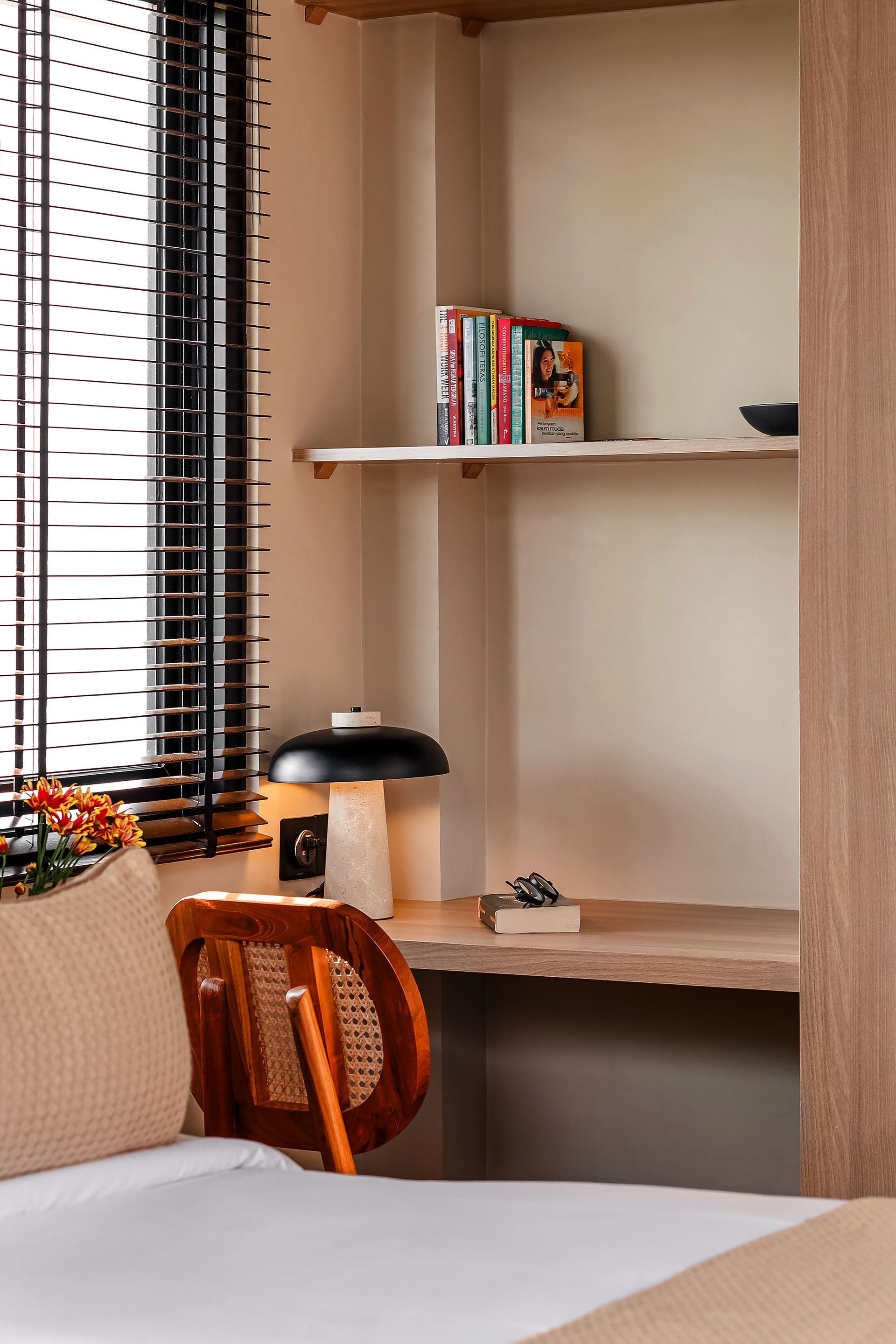
Afternoon light is often when the balcony reveals its best secrets. The sun’s angle softens everything, and that honeyed light tends to open up a different kind of thinking—more associative and poetic than the crisp focus of morning. For writers, designers, or anyone needing divergent ideas, those hours can feel generative. Aviator Bali’s balconies catch that light in particularly flattering ways: wood grain warms, shadows lengthen, and the whole scene takes on a gentle glow that invites reflection. Tea, by then, may be cooler, but it is no less valuable: a sip becomes a cool counterpoint to warm air, a small return to the present. Working in that palette encourages you to tolerate ambiguity, to follow threads of thought without the need to conclude them immediately. This is often when notebooks get filled with half-formed plans that later become projects. It’s also when meetings—if you must have them—feel less dreadful, since the visual comfort moderates the social pressure. Suddenly, negotiation and thinking are done within a softer aesthetic frame; you’re less likely to escalate into stress. The balcony gives you visual pied-à-terre, a place to land when ideas float away.
By late afternoon the world around the balcony begins a gentle denouement: roadside sounds lower, shopkeepers begin to close shutters, and shadows tilt longer. Those changes press a soft reset button on the body. The cup of tea—perhaps a second one—has transformed from fuel into a ritual anchor. At Aviator Bali, guests report that their most meaningful insights often come in these moments: the answer to an earlier problem crystallizes while watching a child on a scooter, or an overdue message writes itself while the sky moves into gold. This is the power of being present in a living environment; the world’s small dramas—bird fights, a neighbor’s chuckle, a laundry line—offer a continual source of micro-inspiration. You are not insulated from life; you’re part of it. For long stretches of remote work, that feels crucial. It’s easy to turn into a productivity automaton in the wrong setting. The balcony’s view and a cup of tea defend against that tendency by offering scenes that are interesting but not demanding, alive but not intrusive. They let you remain human in the midst of required productivity.
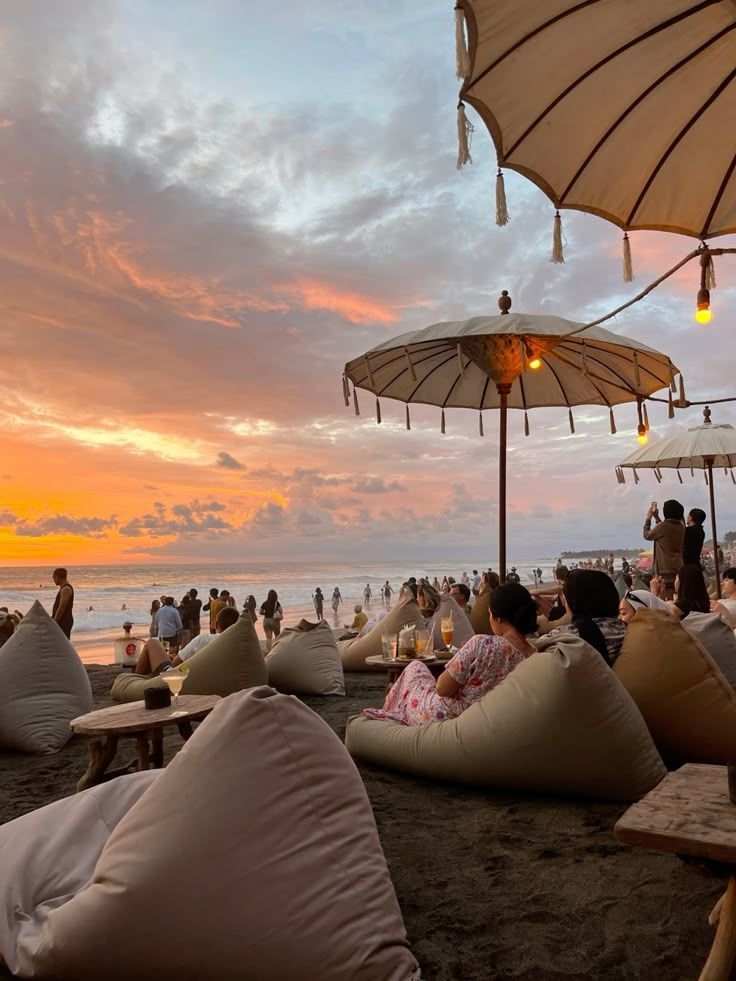
Evening brings an intimacy that daylight can’t replicate. The balcony at Aviator Bali becomes a private theater where night noises and lights shape a tranquil close to the day. You might end work with a few calm emails, or simply close the laptop early and watch the warm glow from nearby windows and street lamps. At this point the tea may be cold or swapped for something else, but the ritual of a warm (or once-warm) cup remains. The balcony’s safety and privacy make it a space to reflect rather than to perform. Here, you can tally small wins from the day and decide what tomorrow will hold. That sort of quiet closure is useful; it prevents the creeping anxiety of unfinished to-dos and replaces it with a soft acceptance that you did what you could today. People who travel for work often underestimate how restorative that sense of closure can be. It’s why a balcony with a view matters more than just a nice photo; it’s a structure for psychological completion.
It’s worth noting that a balcony also supports social work rituals. Sharing a view with a partner, or having a colleague pop by for a quick cup of tea and a casual brainstorming session, changes the dynamic of professional relationships. Instead of intense conference tables and fluorescent interrogation, you trade into a conversational cadence that unfolds in sunlight. Aviator Bali’s balconies are well suited for this: enough privacy for focused work, but also enough openness for soft collaboration. You get to see people, exchange ideas, and return to your desk within seconds. Those micro-meetings are often more creative because they lack pretense. There’s no pressure to perform; the balcony gently invites curiosity and offers a kind of mutual groundedness. For teams doing remote work retreats, or couples juggling projects together, this spatial flexibility is invaluable. Collaboration becomes a series of short, high-quality interactions rather than long, draining marathons.
Ultimately, working from a balcony with a cup of tea is not a luxury reserved for vacations—it’s a practice that reshapes how you live and work. Aviator Bali offers that practice in a quiet, unshowy way: well-proportioned balconies, thoughtful room layouts, and gentle views that encourage presence. The ritual—tea, breath, gaze, return to work—becomes part of a larger philosophy: that productivity thrives when rest is woven into the day. People who discover this rhythm carry it forward into their lives, often choosing future accommodations with the same detail in mind. A balcony does more than give you a view; it offers you permission to work as part of a life rather than as its totality. And for those who have tasted that balance—a morning cup of tea, an afternoon of thoughtful work, an evening of quiet reflection—it’s a small, transformative way to live better, with more ease, clarity, and human warmth.