

Remote Work in Bali Without the Burnout: How to Stay Productive in Canggu Without Losing the Point of Being Here
Remote work promised freedom. Freedom from offices, from rigid schedules, from fluorescent lighting and long commutes. Yet somewhere along the way, many professionals discovered a new challenge: working from beautiful destinations while barely experiencing them. Bali, particularly Canggu, has become one of the world’s most recognizable hubs for digital entrepreneurs, consultants, creatives, and founders. The cafés are full, the co-working spaces are thriving, and the Wi-Fi signs glow almost as brightly as the sunsets. But productivity in paradise comes with a paradox. Without structure and intentional design, remote work in Bali can quietly turn into burnout — only with a better backdrop.
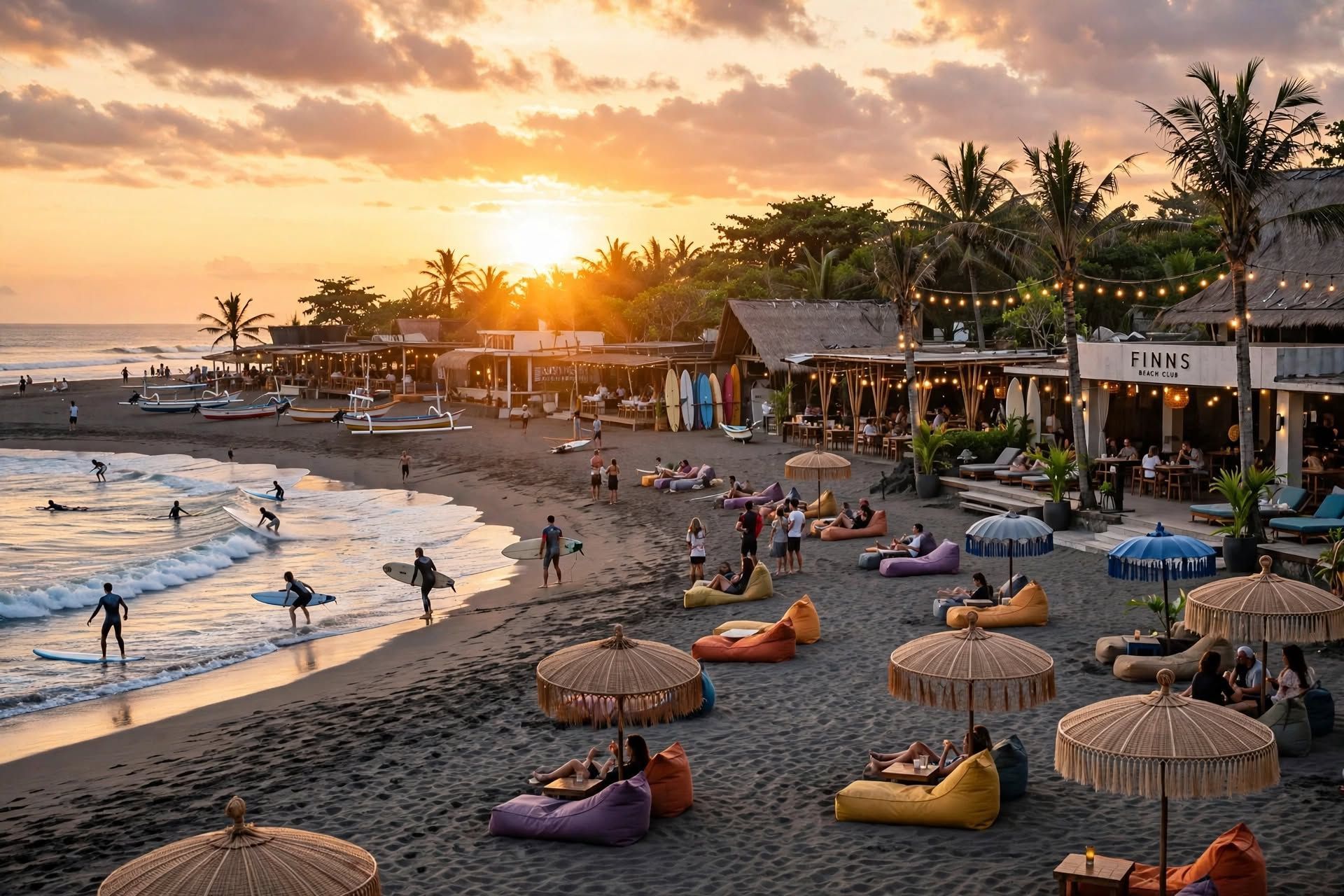
Canggu offers stimulation at every corner. Beach clubs, fitness studios, social dinners, networking events, sunrise surf sessions, and spontaneous invitations compete for attention. The environment is inspiring, yet constant exposure to social energy can erode focus. Many professionals arrive imagining a balanced lifestyle and leave feeling overstretched — juggling deadlines by day and social obligations by night.
The key to avoiding this cycle lies in the base you choose. Accommodation is not just where you sleep; it is your operational headquarters. When your stay lacks proper workspace integration, stable internet, ergonomic seating, or acoustic insulation, even small inefficiencies compound. Working from a bed or noisy café may feel romantic for a few days, but over weeks it reduces output quality and mental clarity.
Remote professionals in their 30s and 40s often seek something different from backpacker-era Bali. They want calm design, controlled environments, reliable systems. They need to move seamlessly between deep focus and island exploration. A boutique hotel that understands this duality becomes more than a convenience — it becomes strategy.
Burnout in Bali rarely comes from workload alone. It comes from friction. From poor sleep due to noise. From unreliable Wi-Fi during critical calls. From constantly relocating between cafés to find comfort. The solution is not to withdraw from the island’s energy, but to anchor it properly.
Remote work in Canggu works best when the stay is designed for rhythm. And rhythm is what protects longevity.
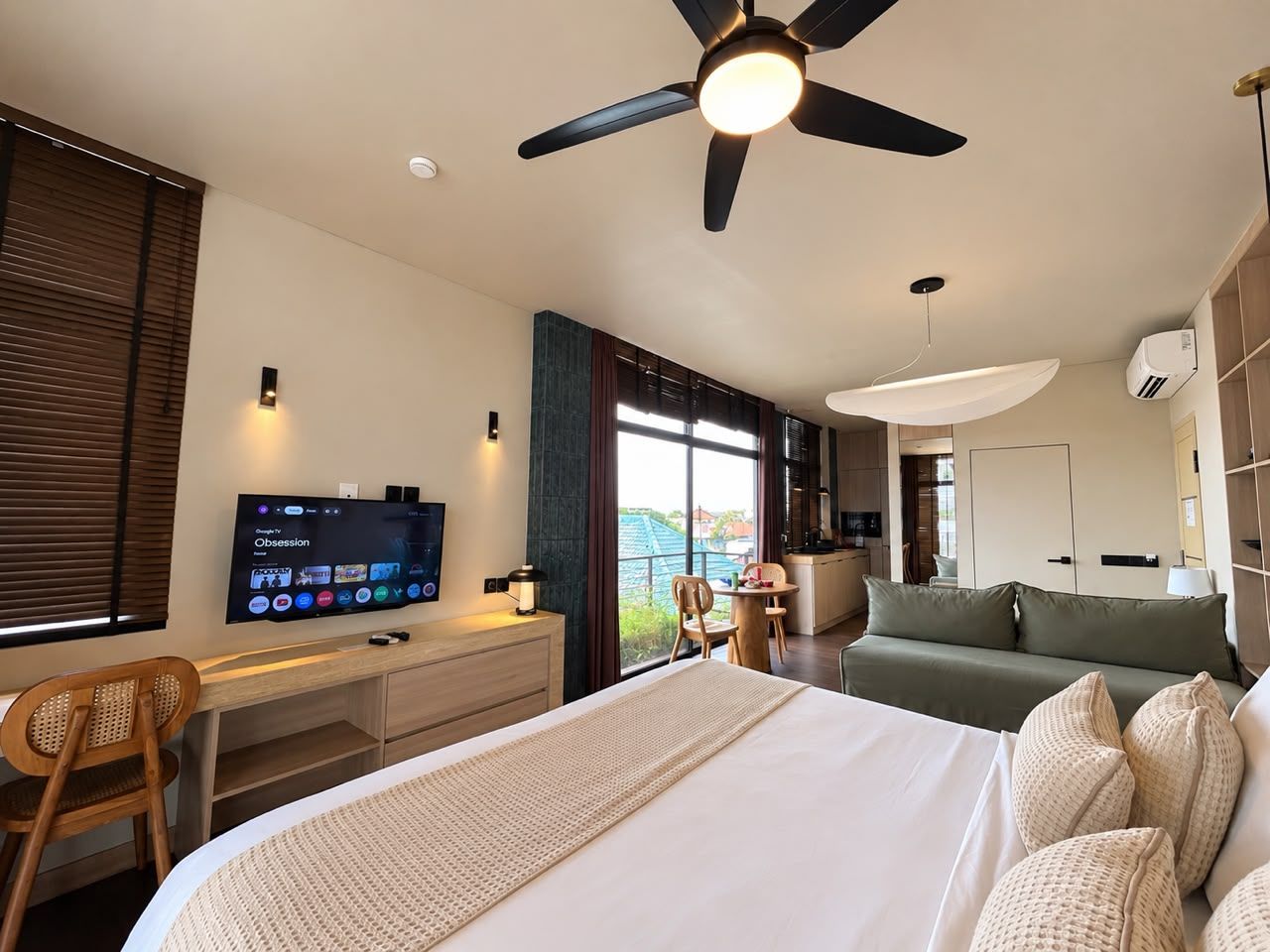
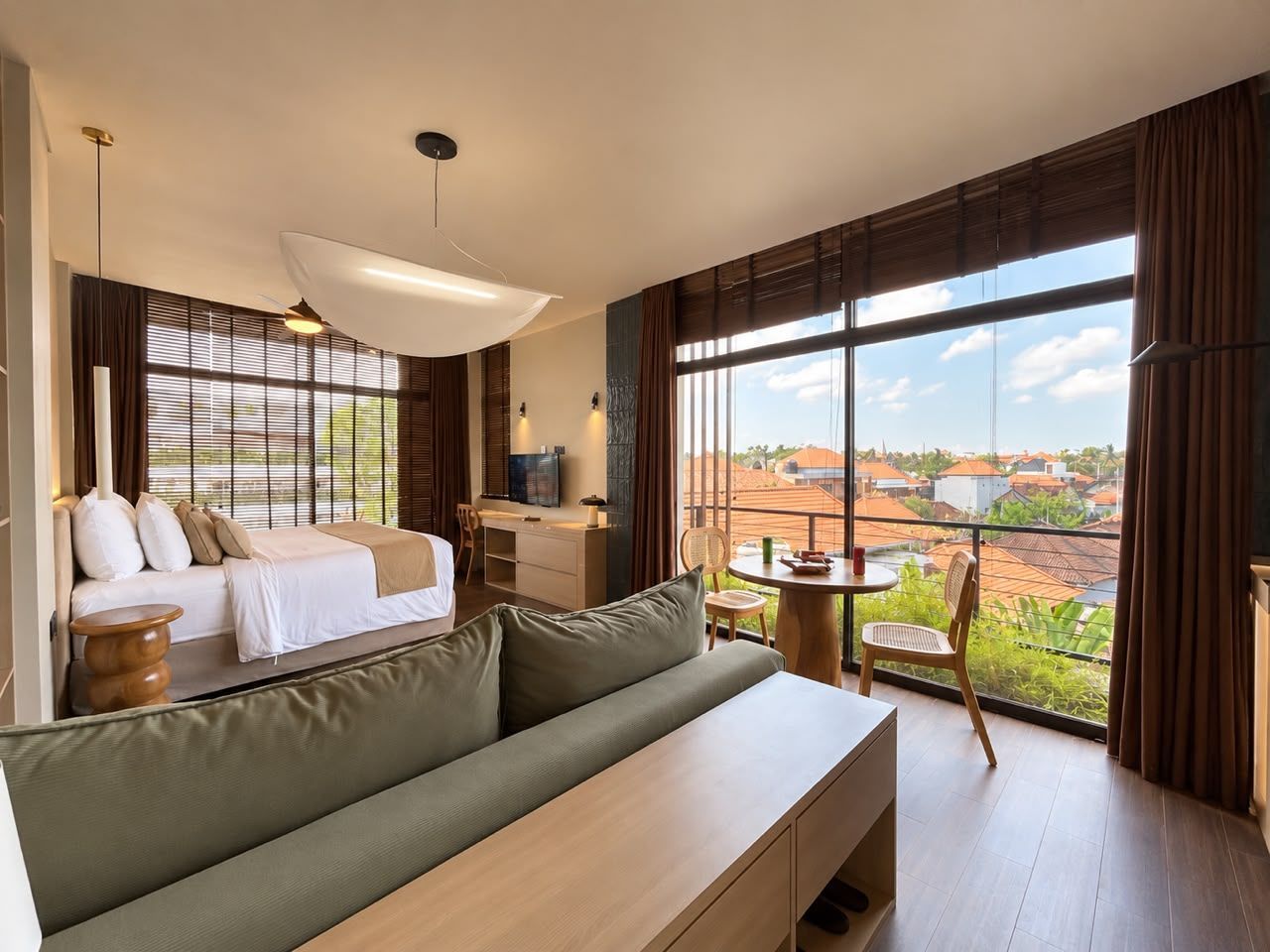
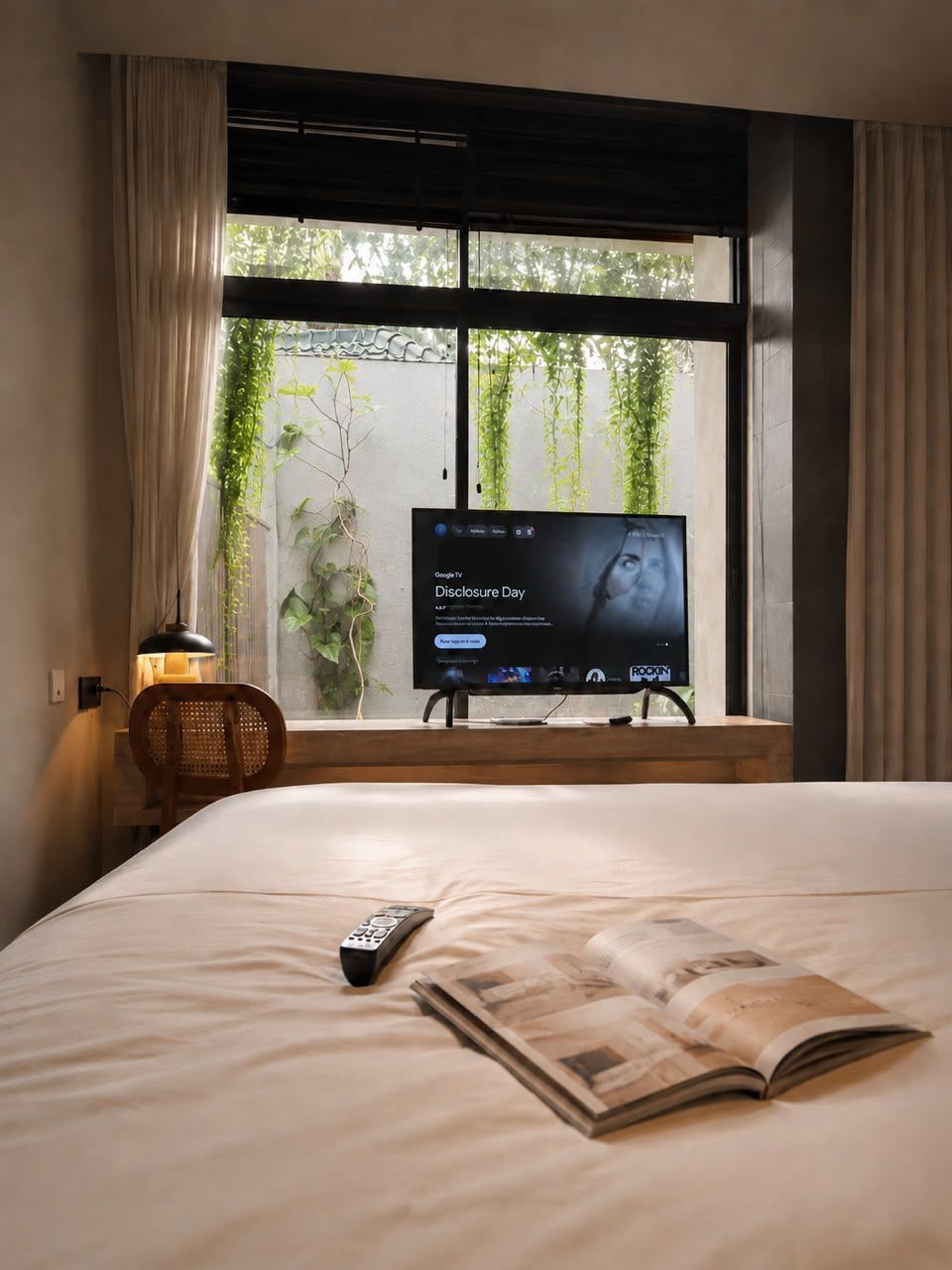
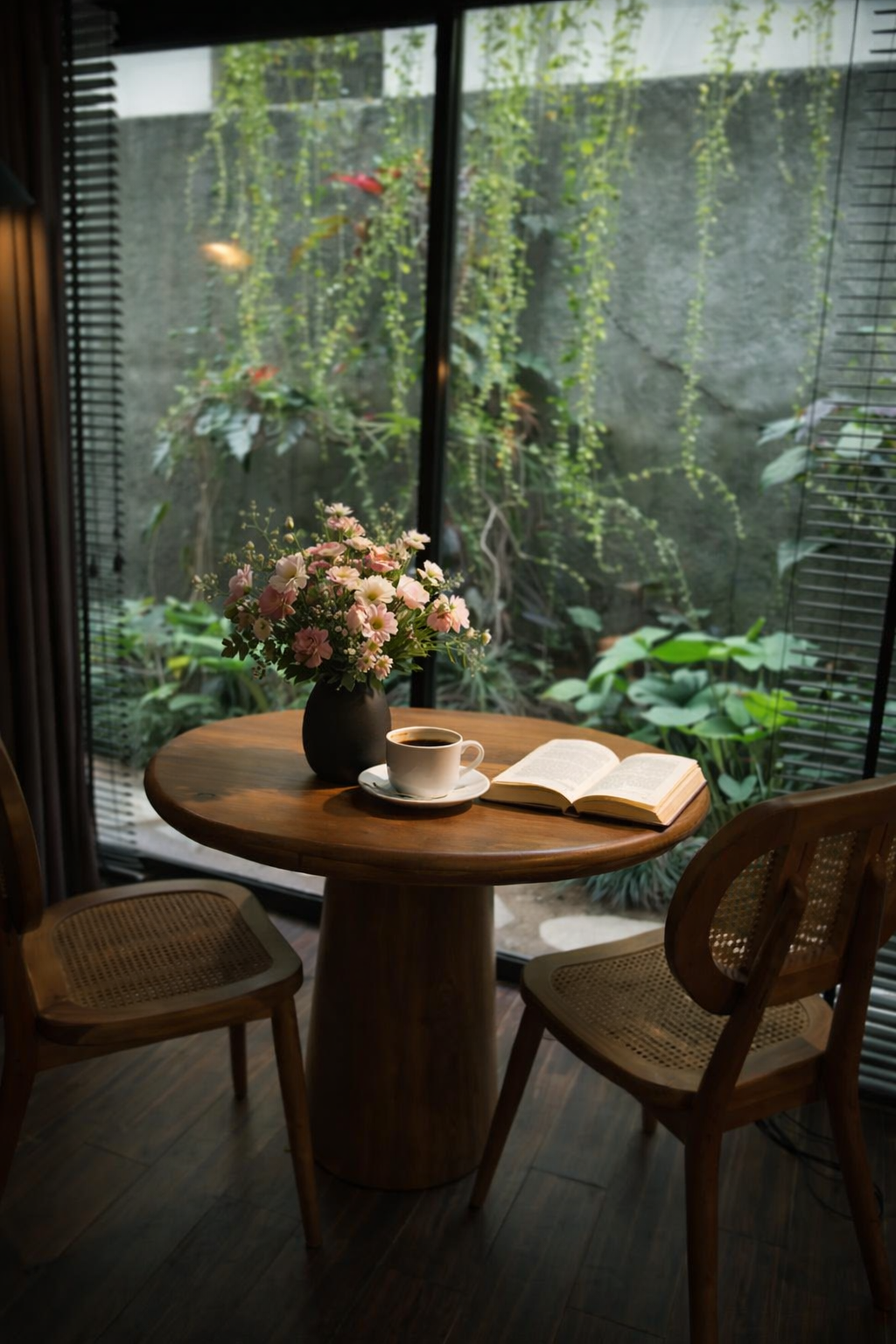
Environment directly shapes cognitive performance. Clean lines reduce visual distraction. Neutral palettes promote calm concentration. Adequate natural light regulates circadian rhythm and enhances mood stability. These are not aesthetic luxuries; they are functional necessities for sustained productivity.
In tropical climates, ventilation and temperature control are equally critical. Overheated rooms drain focus. Humidity impacts comfort and sleep quality. A thoughtfully designed room with balanced airflow and strong air conditioning allows professionals to maintain energy levels throughout long work sessions.
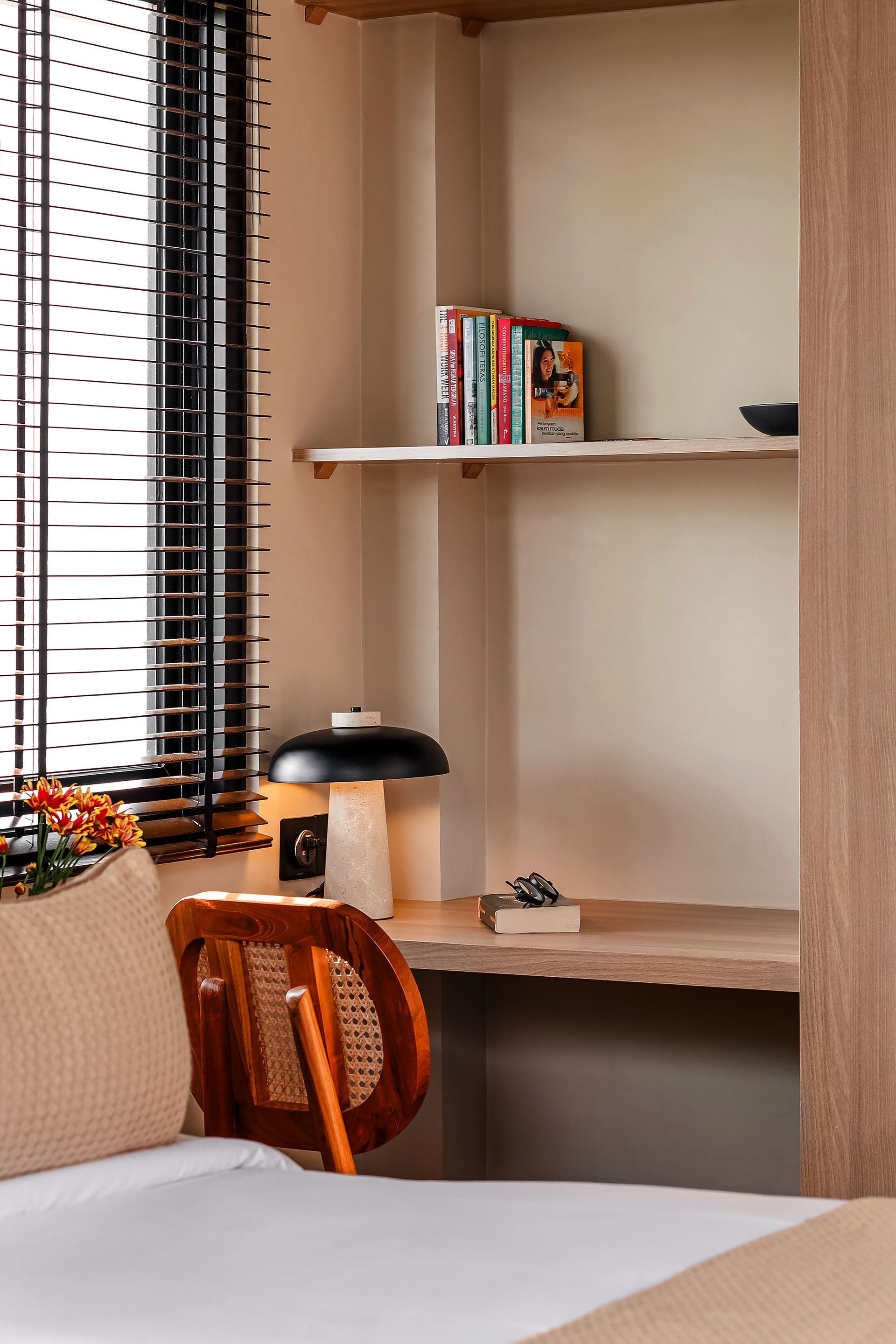
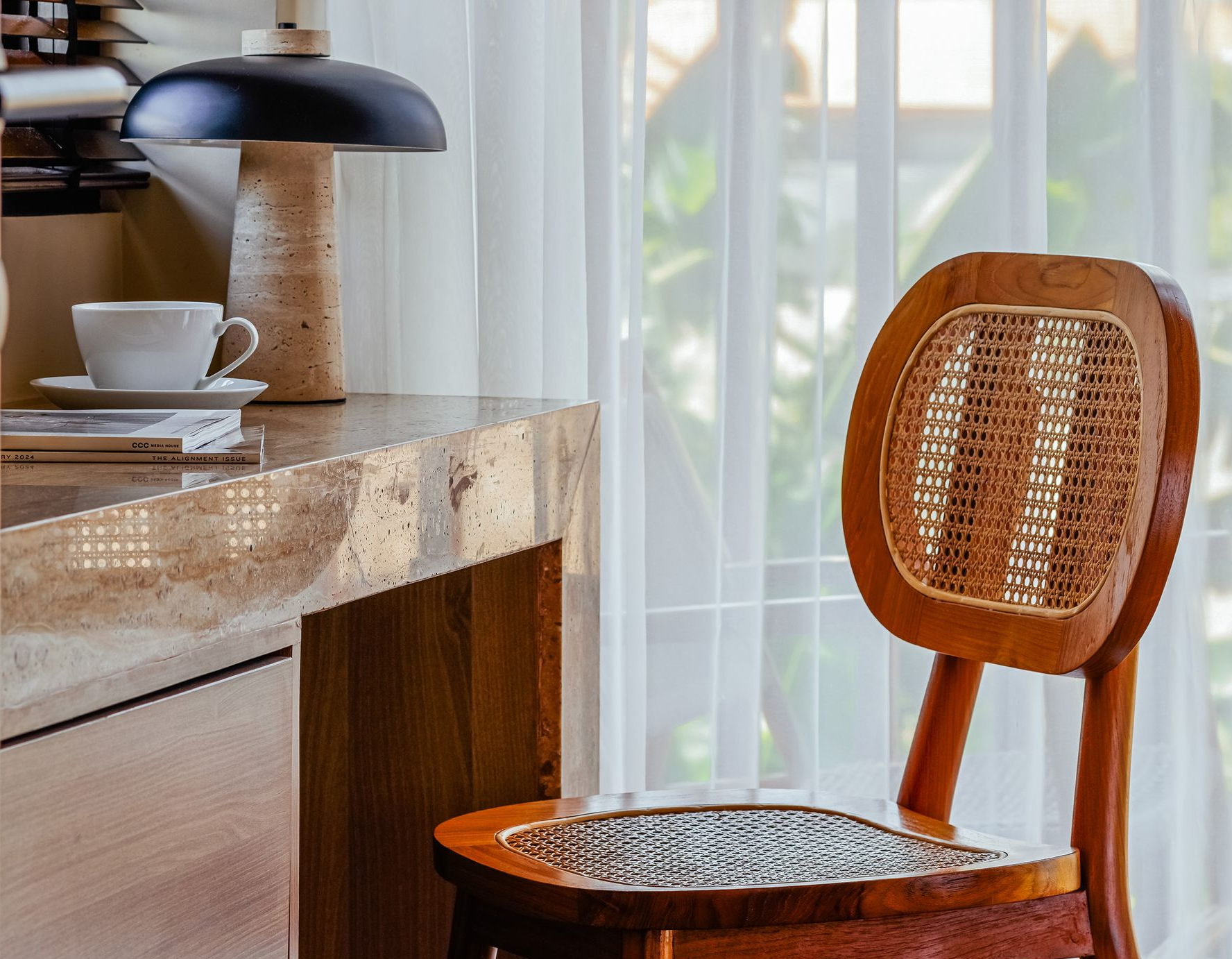
Workspace setup has evolved from optional to essential. A proper desk at the correct height, accessible power outlets, stable high-speed internet, and supportive seating create an invisible framework for efficiency. When these basics operate seamlessly, mental bandwidth remains available for meaningful tasks rather than logistical adjustments.
Sound control distinguishes a weekend stay from a month-long base. Canggu’s vibrancy is part of its charm, but deep work requires quiet. Properties positioned slightly outside peak nightlife zones — yet still close to key areas — offer the ideal compromise. Guests can participate socially without sacrificing sleep.
Another overlooked factor is psychological separation. Having a defined workspace within the room creates boundary clarity. When work ends, stepping away from the desk restores balance. Without this spatial distinction, days blur, and burnout accelerates.
Remote professionals often underestimate the value of coming “home” to calm after stimulating afternoons. That transition resets the nervous system. It allows you to enjoy Bali without feeling consumed by it.
Ultimately, productivity in paradise depends less on the island and more on infrastructure. Choose the right environment, and Bali becomes expansive rather than exhausting.
One of Canggu’s greatest strengths is its ecosystem. Within minutes, you can move from focused work to a beach walk, from a strategy call to a strength-training session, from a late lunch meeting to sunset stillness. This flexibility is powerful — if managed well.
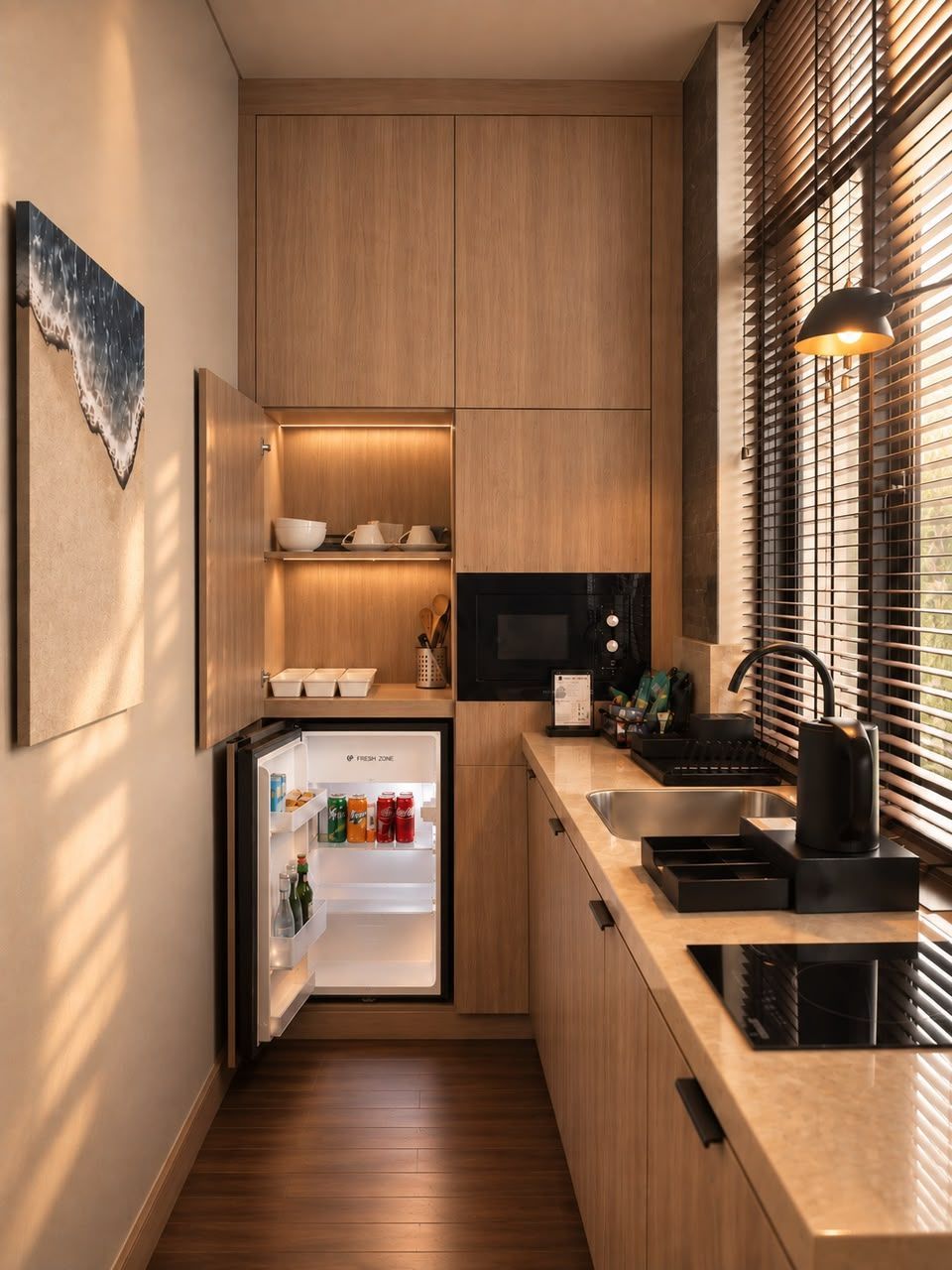
Structured mornings often protect output. Many remote professionals adopt early work blocks before the social tempo rises. With the right base, coffee can be brewed or easily accessed nearby without logistical delay. Meetings run smoothly when internet reliability is unquestioned. The day begins grounded rather than reactive.
Midday breaks become strategic rather than distracting. A quick walk, a short swim, or a nearby healthy lunch resets focus. When accommodation is centrally located yet slightly removed from heavy congestion, transitions feel fluid. Time is preserved.
Evenings in Canggu present temptation. Networking dinners, events, and spontaneous invitations can extend late into the night. Sustainable remote work requires selectivity. Staying in an environment that feels restorative encourages better decision-making. When your room is comfortable and inviting, staying in becomes appealing — not restrictive.
There is also value in social alignment. Boutique properties often attract guests within similar professional demographics. Subtle community forms organically — respectful, ambitious, globally minded individuals sharing a temporary base. These connections feel lighter than forced networking events.
Remote work in Bali should expand life, not compress it. The right accommodation acts as stabilizer — absorbing excess stimulation while supporting performance.
Longer stays introduce additional considerations. Laundry access, consistent housekeeping, and secure storage matter more over weeks than over weekends. Small inefficiencies become magnified with time. Organized space promotes organized thinking.
Security is another non-negotiable. Professionals traveling with laptops, cameras, and equipment need confidence in their environment. Structured reception support and professional management reduce underlying stress.
Financially, extended stays often benefit from direct communication with properties. Monthly or multi-week arrangements can be more strategic than nightly bookings. Stability also reduces the energy drain of relocating mid-stay.
There is freedom in knowing your base is handled. That freedom allows you to explore Bali intentionally — perhaps a weekend in Ubud, a day trip to Uluwatu, or a sunrise session at the beach — while returning to familiarity.
Burnout prevention is ultimately about sustainability. It is about creating a lifestyle that can be maintained for weeks without depletion. In Canggu, that balance is entirely possible when accommodation supports rather than competes with your goals.
Bali remains magnetic for remote professionals because it offers contrast. You can close your laptop and be at the ocean within minutes. You can attend a strategy call in the morning and watch a tropical sunset in the evening. But contrast without structure becomes chaos.
The modern remote worker no longer seeks constant stimulation. They seek calibrated environments — places that allow productivity, rest, and experience to coexist. In Canggu, where energy is abundant, the choice of stay determines whether your time here feels expansive or overwhelming.
A boutique property that understands workspace integration, calm design, strategic positioning, and responsive service provides more than comfort. It provides clarity. It allows you to work deeply, sleep properly, and engage socially with intention.
Remote work in Bali should feel like alignment — not escape. When your base supports rhythm, the island reveals its best qualities without demanding exhaustion in return.
And that is how productivity and paradise can finally coexist — without burnout.