







The Psychology of Staying Near the Beach — Without Staying On Top of It

There is a powerful psychological pull toward the ocean. Even before arriving in Bali, many travelers imagine waking up steps away from the sand, hearing waves crash beneath their balcony, and feeling immersed in coastal energy at every moment. The beach represents freedom, openness, and escape from routine. In Canggu, particularly around Batu Bolong and Echo Beach, that imagery feels accessible. Yet there is a subtle distinction that experienced travelers begin to understand: being near the beach and being directly on top of it create very different emotional outcomes over time.
Staying directly in the heart of beach traffic delivers immediacy. You step outside and you are instantly inside the movement — surfers carrying boards, sunset crowds gathering, music drifting from nearby venues, motorbikes circulating continuously. For short stays, this immersion feels electric. The stimulation amplifies the sense of being somewhere vibrant and alive. However, for guests staying longer than a few nights, constant exposure to high energy can begin to erode rest quality.
Psychologically, proximity without saturation often produces the most sustainable experience. When you are positioned five to ten minutes away from the shoreline — within easy reach but slightly buffered — the nervous system relaxes differently. You retain access to sunrise walks and sunset views, yet your evenings are not defined by lingering crowd noise or late-night traffic.
The ocean carries a regulating effect. Studies in environmental psychology suggest that blue spaces reduce stress and improve mood stability. But regulation works best when paired with controlled retreat. The ability to approach the beach intentionally, rather than being involuntarily immersed in it, restores autonomy.
In Canggu, this micro-distance matters. A strategically positioned boutique stay allows you to participate in coastal life without sacrificing sleep, focus, or privacy. The difference may seem minimal on a map, but emotionally it is significant.
The ideal beach stay, therefore, is not necessarily the closest one — it is the one that understands balance.
Sound plays a critical role in how we process environment. While waves themselves are soothing, the surrounding human activity near popular beaches can introduce layered noise patterns: conversations, music, engines, footsteps, late-night dispersal. Over time, inconsistent soundscapes interfere with deep sleep cycles. For travelers blending leisure with remote work or extended stays, this becomes consequential.
Acoustic recovery requires predictability. A boutique property located just outside the densest zones can preserve quiet evenings while maintaining beach accessibility. This positioning allows guests to control exposure. They can choose vibrant sunsets, then consciously step away into calm.
There is also a visual component. Direct beachfront zones often carry commercial density — signage, vendors, traffic flow. Slightly removed neighborhoods frequently offer cleaner architectural lines, more greenery, and less visual clutter. These environmental differences influence cognitive load. Cleaner visual fields promote mental clarity and reduce subconscious tension.
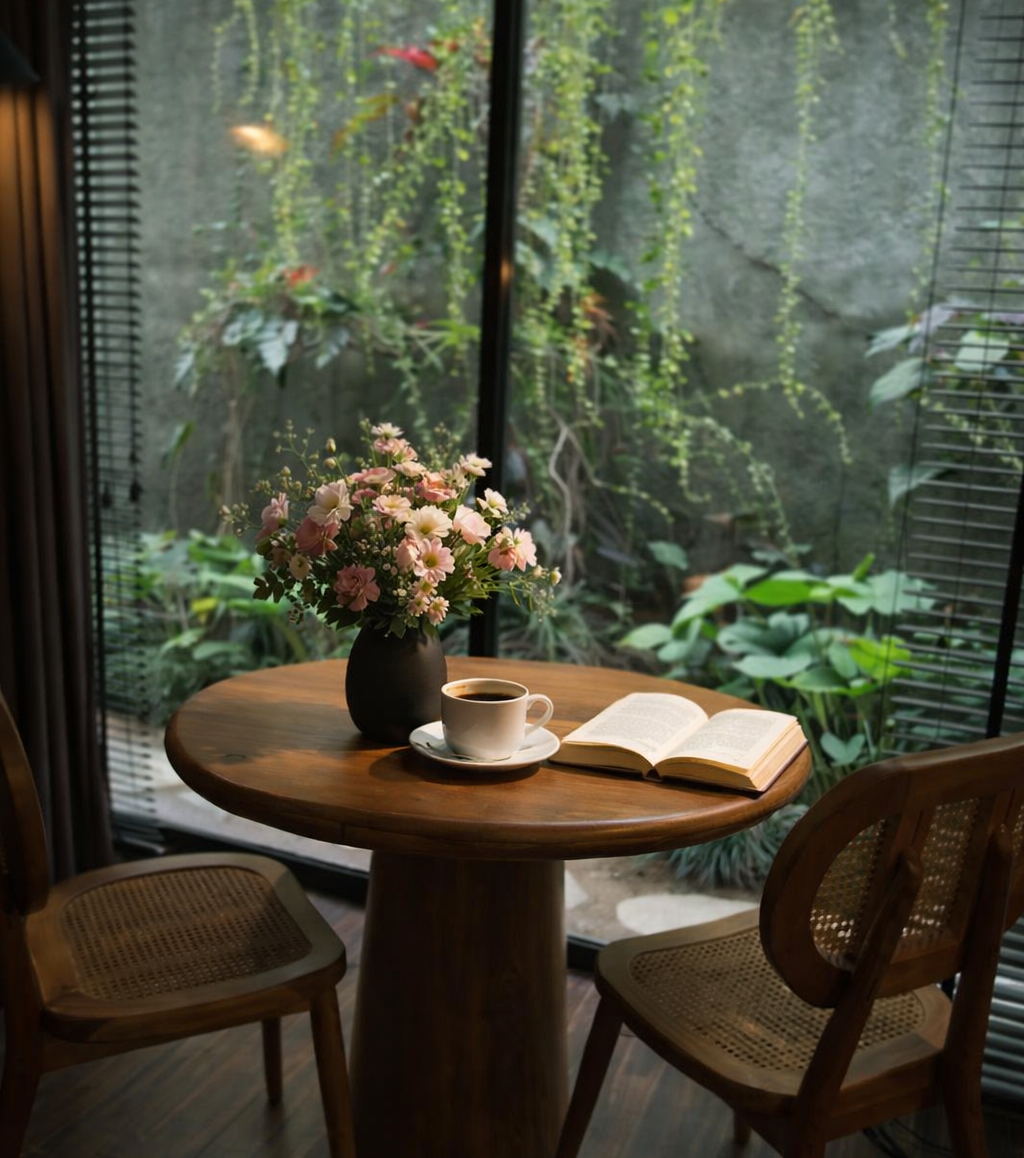
Morning routines benefit from this separation. Instead of waking immediately into crowded energy, guests can transition slowly — coffee first, light stretching, perhaps focused work — before deciding to walk or ride toward the ocean. This intentional sequencing enhances the experience of the beach itself. Arrival feels purposeful rather than automatic.
In tropical climates, airflow and temperature control also matter. Properties slightly inland may benefit from better structural design, controlled ventilation, and reduced exposure to salty humidity that can affect comfort over time. Subtle environmental stability enhances long-term wellbeing.
The psychology of “near but not on top” creates emotional spaciousness. It allows guests to experience the coastline without feeling consumed by it.
Social energy intensifies around beaches, particularly in Canggu where sunset culture thrives. Cafés fill, beach clubs prepare for evening sessions, and the shoreline becomes a social corridor. For milestone trips or celebratory weekends, this atmosphere feels magnetic. Yet sustainable enjoyment depends on contrast.
Contrast requires retreat. When your accommodation exists as a calm counterpoint to beach stimulation, the island’s rhythm feels harmonious rather than overwhelming. You engage socially by choice, not by default. You recover fully before engaging again.
Privacy also increases slightly away from the immediate beachfront. Boutique properties positioned in quieter pockets often attract travelers seeking intentional experiences — remote professionals, small groups celebrating thoughtfully, couples prioritizing design and comfort. This alignment shapes atmosphere subtly. Shared spaces feel composed rather than chaotic.
Accessibility remains critical. Being near the beach means you can walk or take a short ride without planning logistics extensively. This convenience preserves spontaneity. You can chase a sunset on a whim, schedule an early surf session, or meet friends without committing to long commutes.
At the same time, returning to a peaceful base after sunset restores equilibrium. Soft lighting, controlled sound, and organized space regulate the nervous system. Sleep deepens. Mornings feel clearer.
In Canggu, the beach is not only a destination — it is a daily option. The psychological advantage lies in having that option without being surrounded by it at all hours.
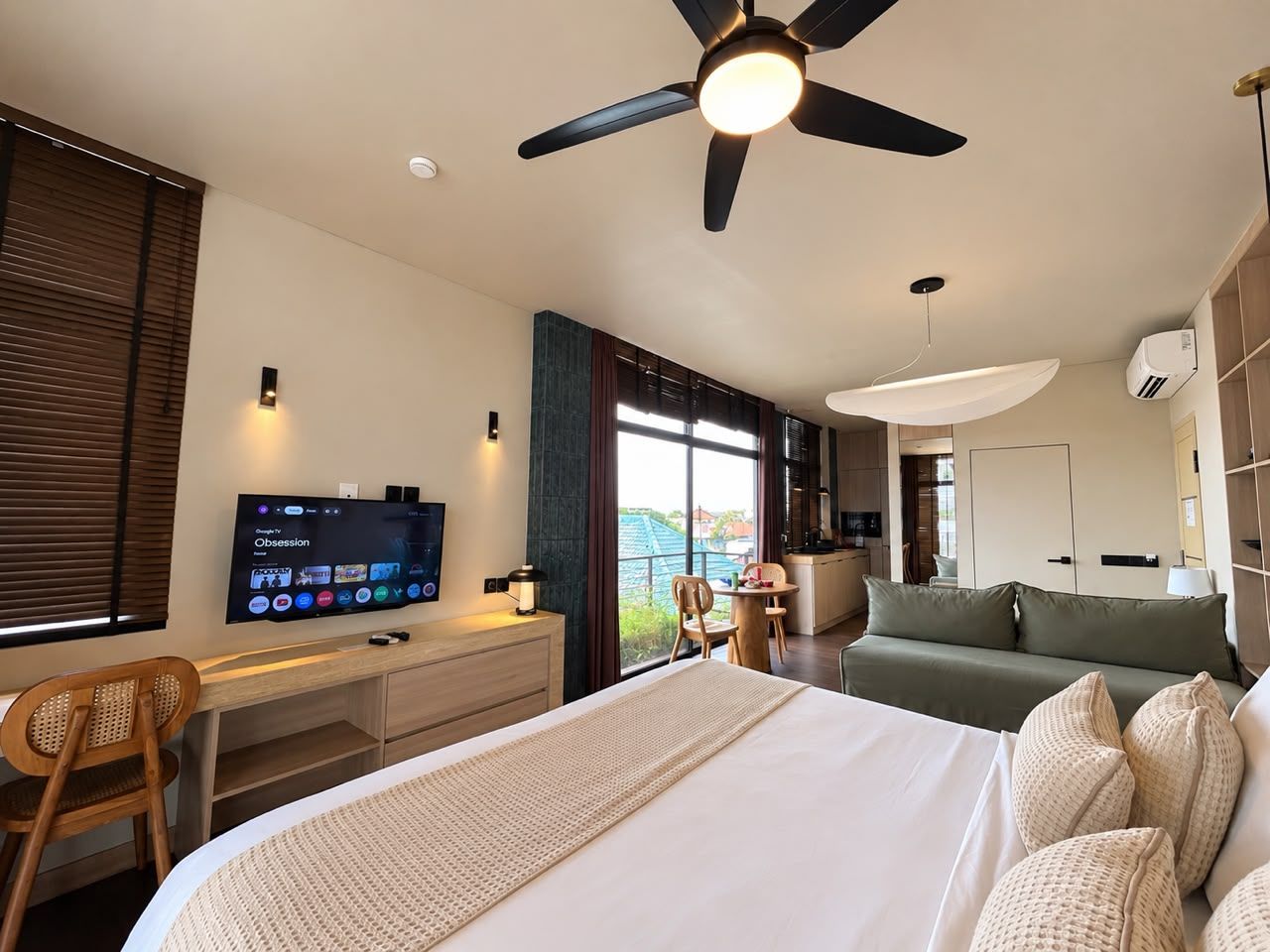
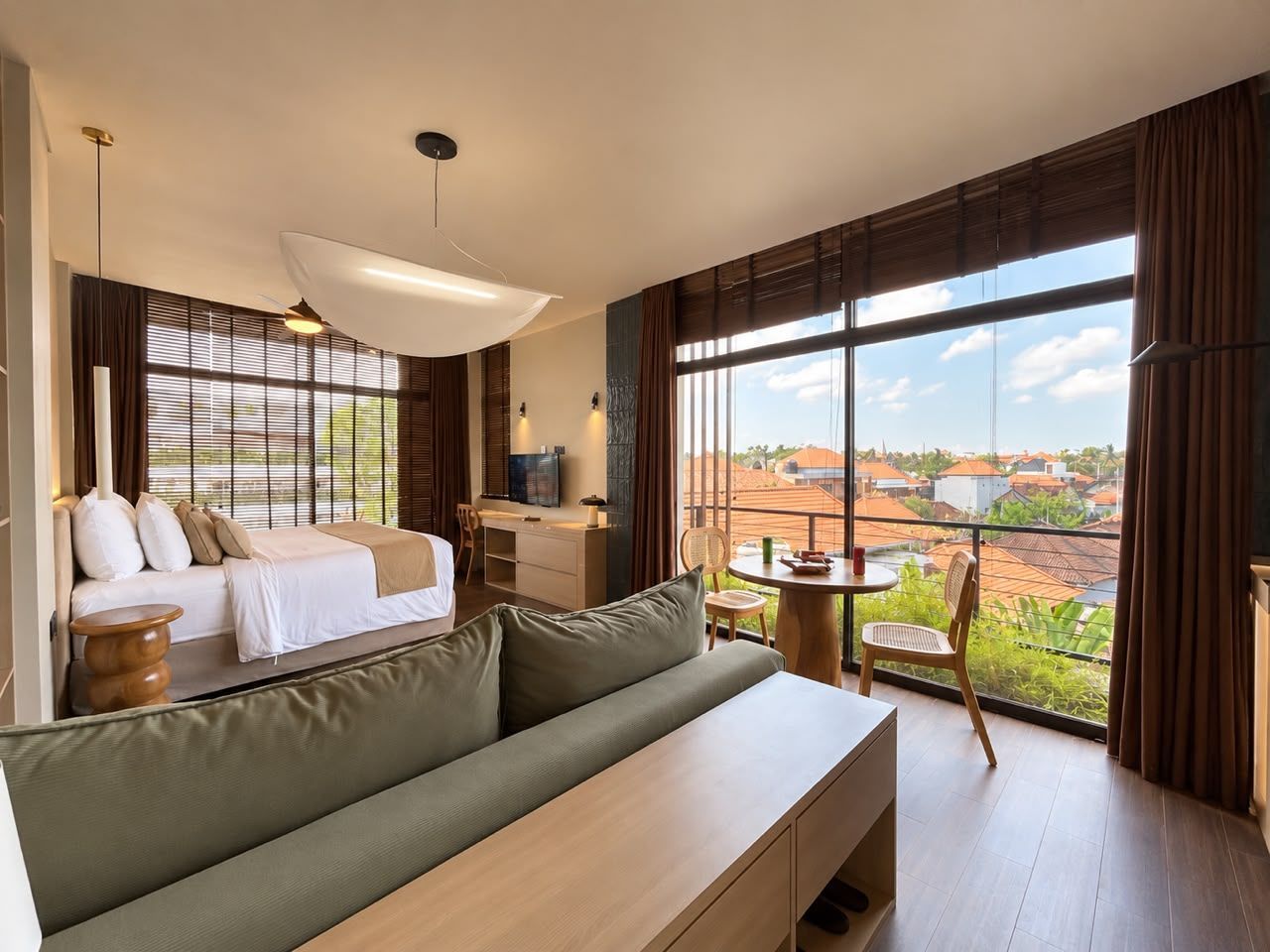
Design-forward boutique stays positioned near — but not directly within — the busiest beach corridors often achieve a unique balance. They integrate modern architecture with tropical openness, creating spaces that feel elevated yet relaxed. Clean lines, neutral palettes, and thoughtful layouts provide mental breathing room.
Extended stays particularly benefit from this approach. Over multiple weeks, small environmental irritations compound. Traffic congestion, inconsistent noise, and crowded entrances become draining. Micro-distance shields guests from these accumulative stressors.
Security and organization also improve slightly outside dense beachfront zones. Structured reception, controlled access, and well-managed surroundings contribute to subconscious ease. Guests can return late from sunset gatherings knowing their base remains orderly and calm.
The ability to separate beach time from rest time enhances appreciation. When every moment is not saturated with coastal intensity, each visit to the shoreline feels renewed. The ocean remains inspiring rather than routine.
Strategic positioning also supports balanced daily planning. Guests can combine beach sessions with café work blocks, fitness classes, or cultural exploration without logistical fatigue. Efficiency increases when transitions are smooth.
The modern traveler values intentional immersion. They do not need to sleep above the crowd to feel connected to the sea. They need reliable access paired with restorative retreat.
Staying near the beach without staying on top of it reflects a broader shift in travel psychology. Today’s travelers — particularly those in their 30s and 40s — prioritize quality of experience over proximity alone. They understand that deeper rest enhances enjoyment. That sleep quality influences mood. That calm mornings elevate vibrant evenings.
In Canggu, where coastal culture defines identity, the temptation to book the closest possible stay is strong. Yet often the most rewarding choice lies slightly removed — within walking distance, yet buffered by quiet streets and thoughtful design.
The right boutique environment becomes an anchor. It allows you to approach the ocean intentionally, to engage with sunset energy fully, and then to retreat into privacy and structure. It supports productivity for remote work, clarity for creative projects, and recovery after celebration.
The beach will always be there. Its waves do not disappear overnight. What shapes your experience is how you position yourself in relation to it.
When distance is calibrated precisely, something powerful happens: you experience the coast not as noise, but as nourishment. And that distinction transforms a simple stay into a balanced coastal lifestyle — even if only for a week.