



The Art of Slow Mornings in Canggu: Why Where You Stay Shapes How You Wake Up
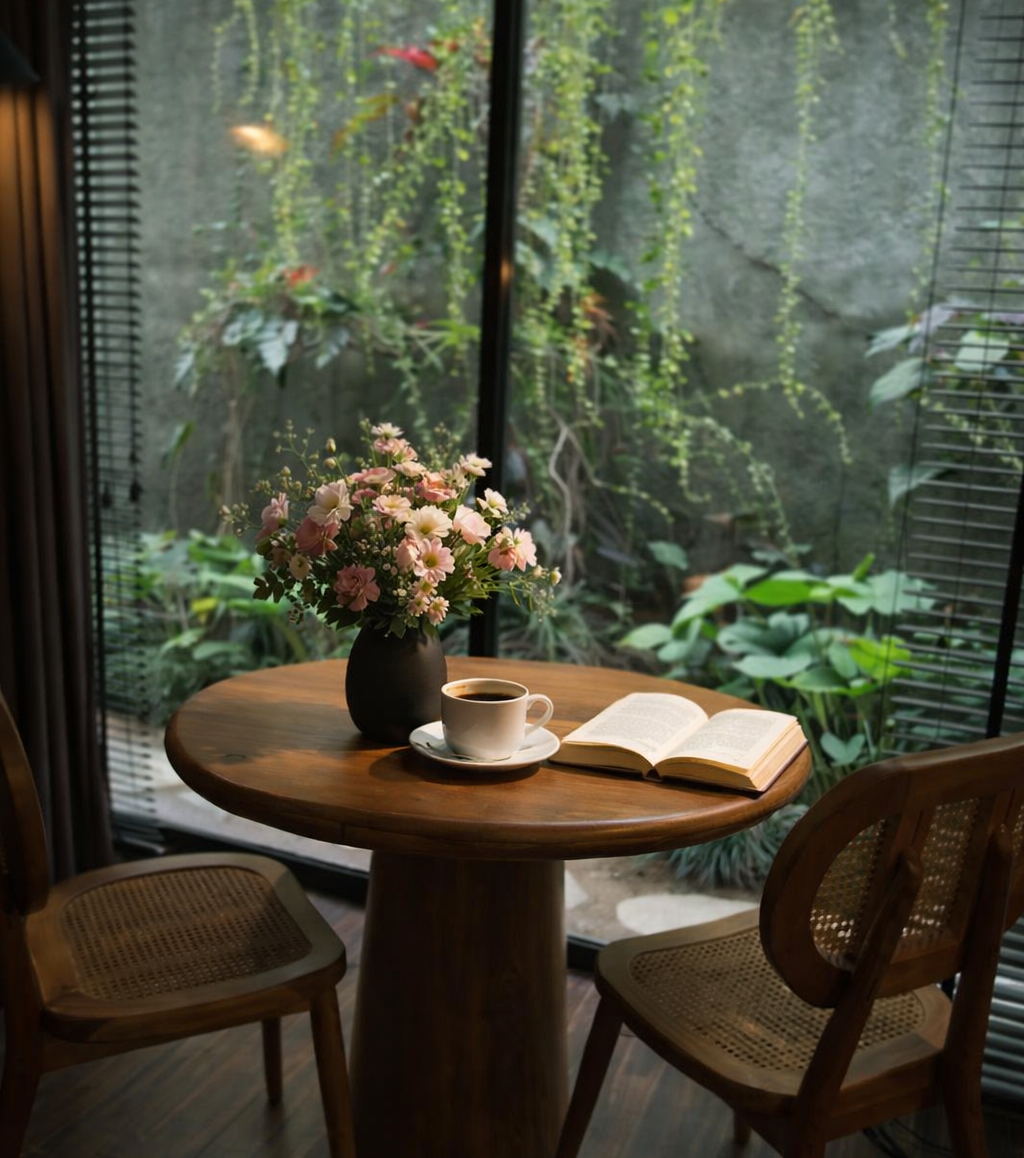
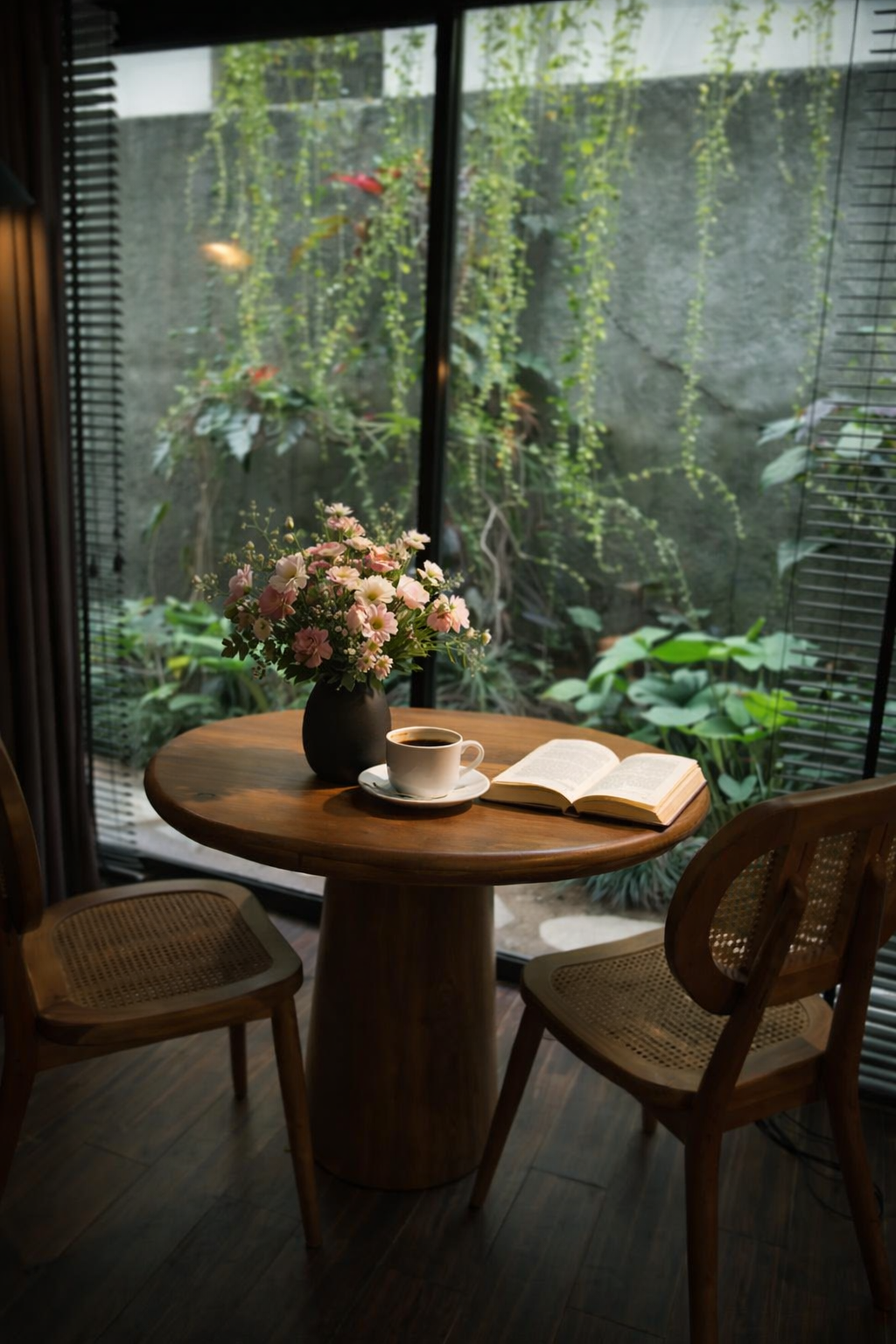
There is a distinct difference between waking up on vacation and waking up in a place that truly holds space for you. In Canggu, mornings can unfold in many ways. They can begin with motorbike engines and rushed coffee runs, or with filtered sunlight entering through wide windows, soft air moving through the room, and the quiet awareness that there is nowhere urgent to be. The experience of a slow morning is not accidental. It is designed. It is influenced by architecture, location, noise control, and the emotional atmosphere of the space you choose to call home for a few days or a few weeks.
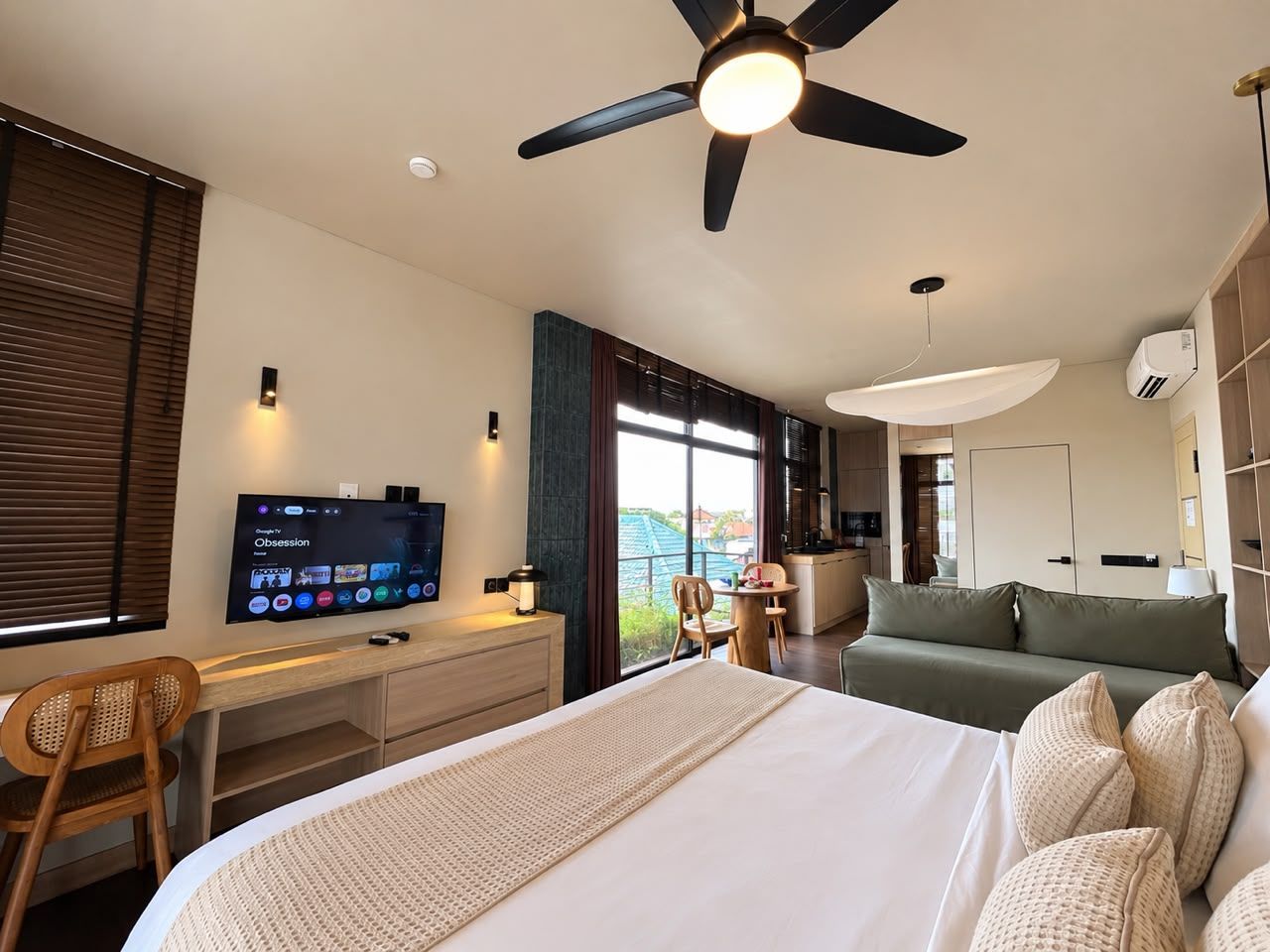
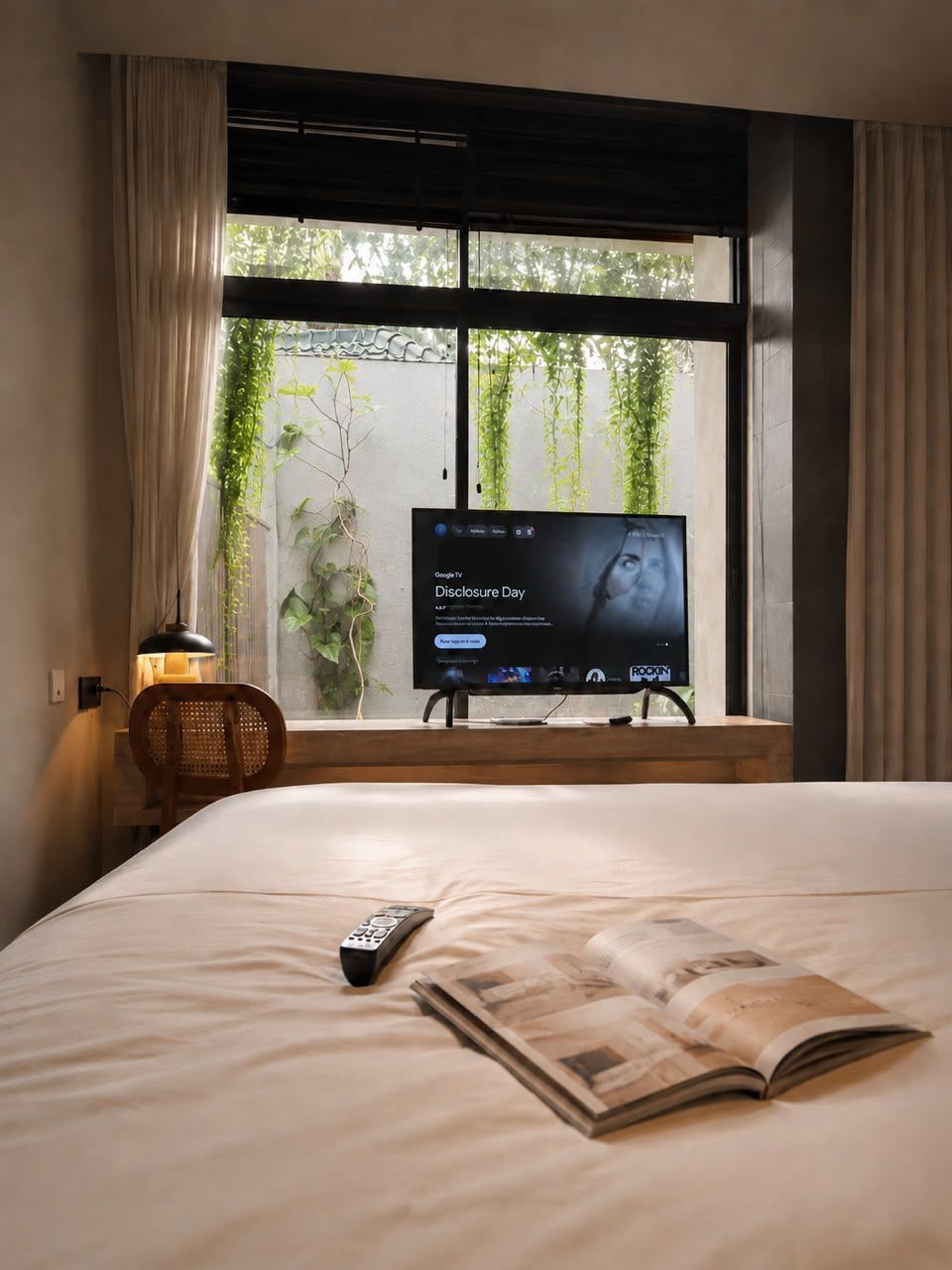
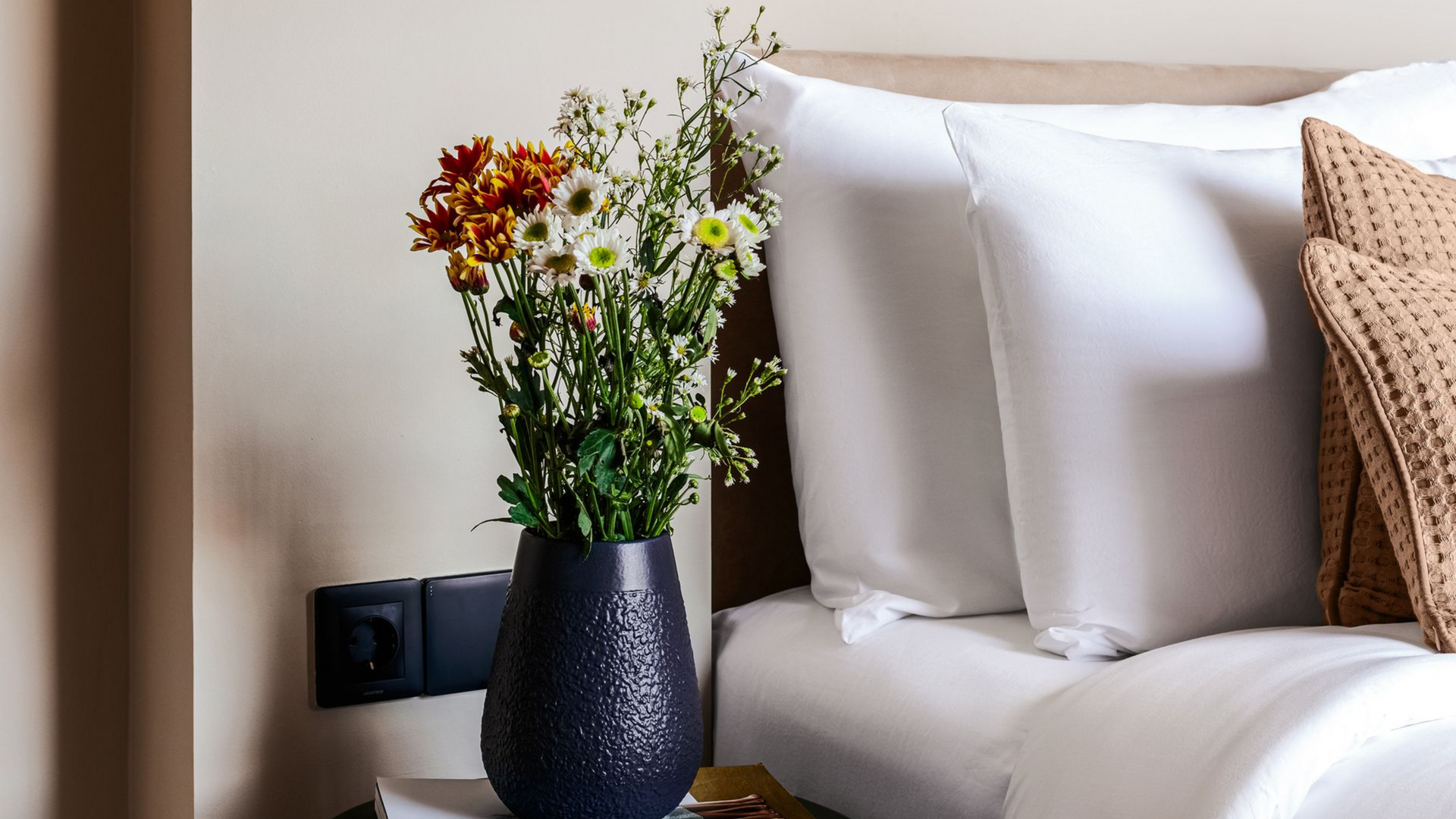
Travelers often underestimate the psychological power of the first hour after waking. This hour shapes the tone of the entire day. In high-pressure cities, mornings are transactional — alarms, screens, notifications, traffic. In contrast, a well-designed stay in Canggu transforms mornings into grounding rituals. The bed positioning, the quality of linen, the way natural light enters, the temperature of the room — these details quietly determine whether you begin the day regulated or reactive.
A boutique environment plays a particularly important role in this transition. Unlike large resorts where stimulation is constant, a more intimate property allows space to breathe. Fewer rooms mean less hallway noise. Thoughtful layout means you are not waking up to chaos. When design prioritizes calm neutrality, your nervous system follows.
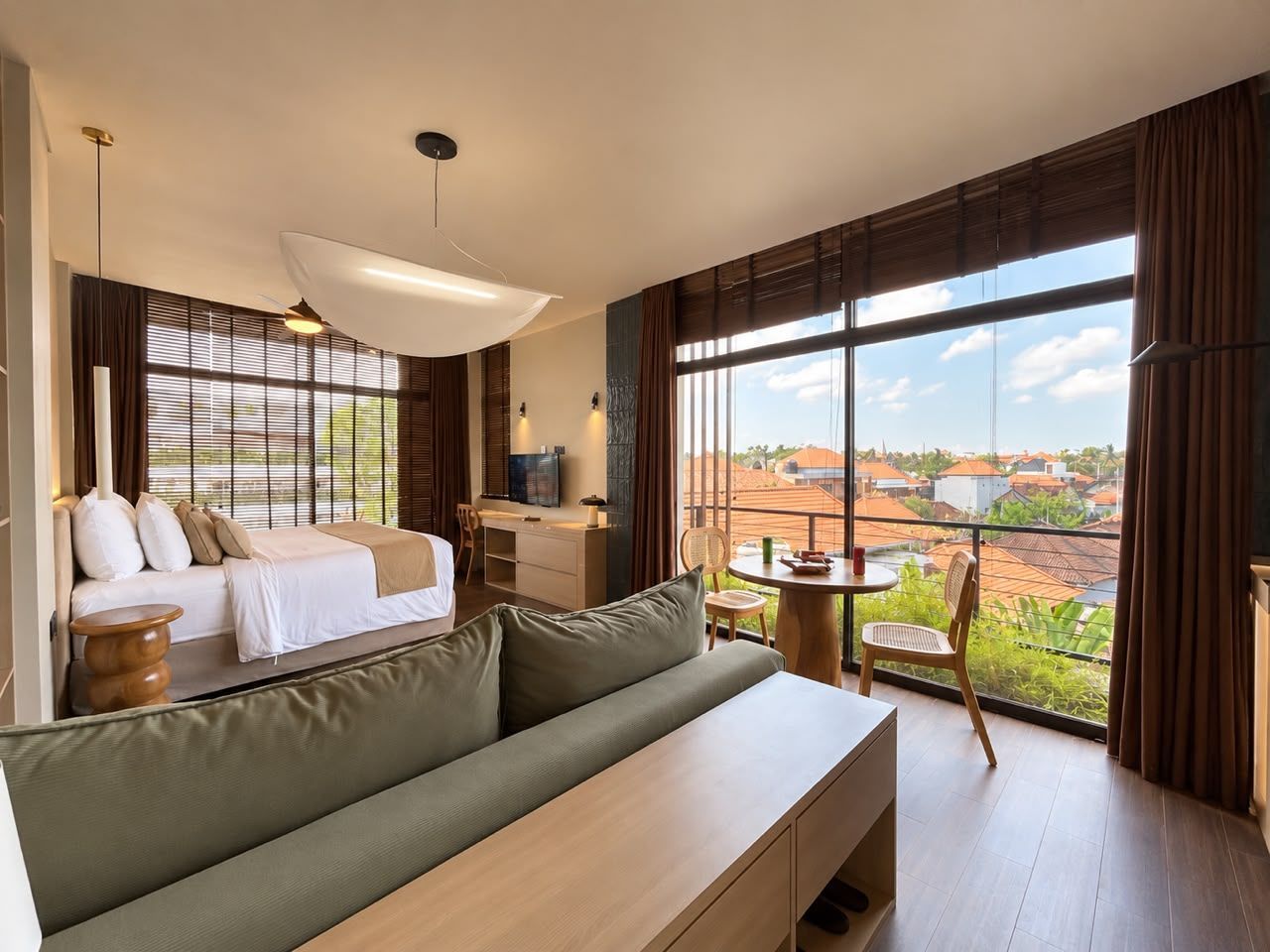
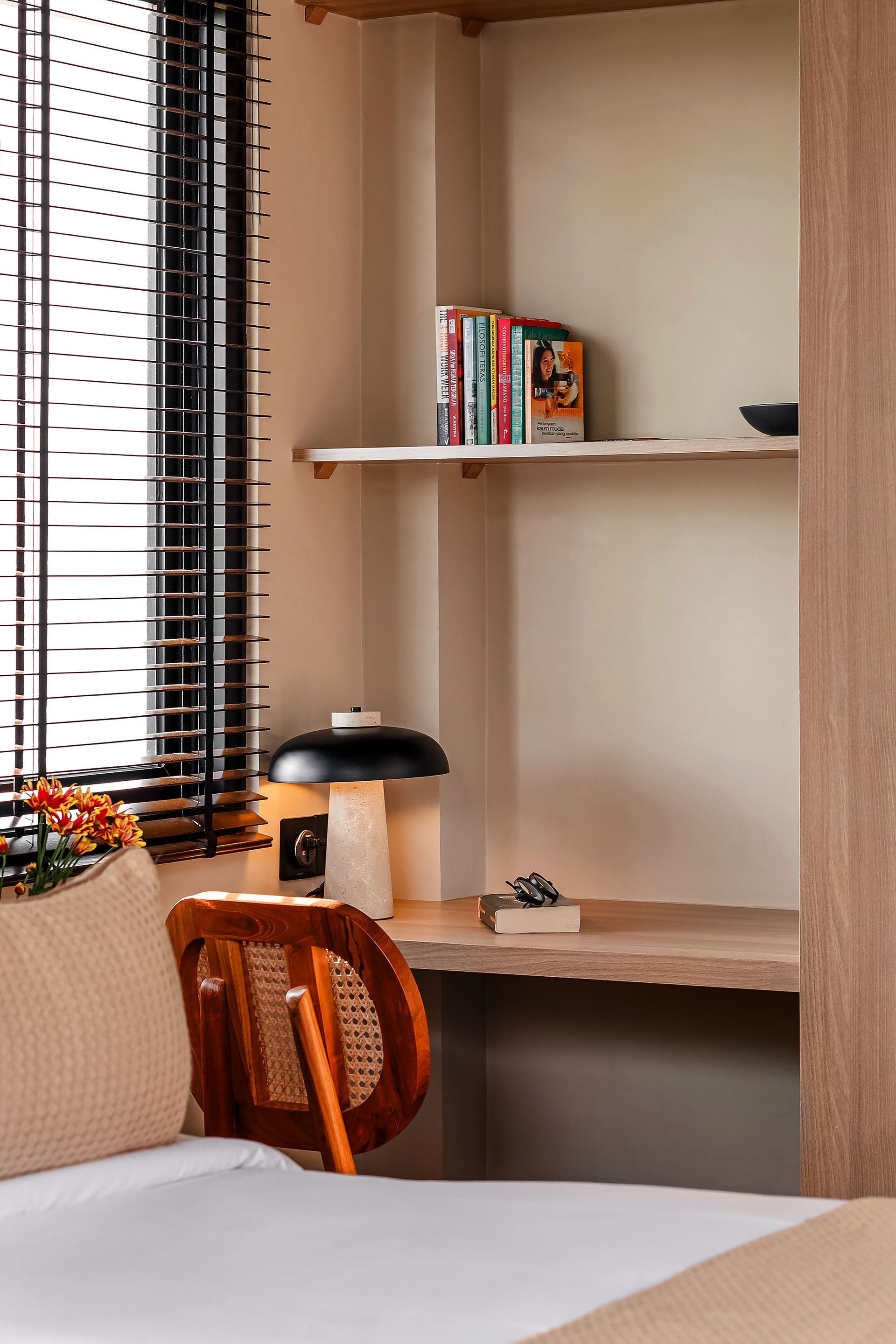
Slow mornings are not about laziness. They are about intentional pacing. Perhaps you sit on a private terrace with coffee before the streets fully awaken. Perhaps you journal at a proper desk while light fills the room. Perhaps you stretch without feeling compressed by furniture or clutter. These micro-experiences accumulate into emotional clarity.
In Canggu, where social energy and movement are abundant, having a calm base becomes essential. The right stay does not compete with the outside world — it balances it. And balance, over time, becomes the true luxury.
Design is often discussed in terms of aesthetics, but in reality, design dictates behavior. The color of the walls influences mood regulation. Neutral tones promote stability and reduce cognitive overload. Clean architectural lines minimize visual distraction. Even ceiling height can subtly affect breathing patterns and posture. When staying multiple nights — or multiple weeks — these environmental cues shape productivity, sleep quality, and overall wellbeing.
In tropical destinations like Bali, ventilation is more than comfort — it is functional necessity. Rooms that allow airflow prevent stagnation, reduce humidity discomfort, and maintain freshness. When combined with natural materials and intentional lighting, the environment feels alive rather than enclosed. This sense of openness contributes to emotional ease.
Workspace integration has also become critical. Many travelers arriving in Canggu are remote professionals, entrepreneurs, creatives, or executives blending leisure with responsibility. A proper desk setup, accessible power outlets, stable internet connection, and supportive seating are no longer optional features. They are infrastructure. Without them, even paradise can become frustrating.
Sound insulation deserves equal attention. Canggu is vibrant — cafés, beach clubs, music, movement. Yet restorative sleep requires controlled acoustics. The right boutique property manages to exist near lifestyle hubs while protecting interior calm. This duality is intentional, not accidental.
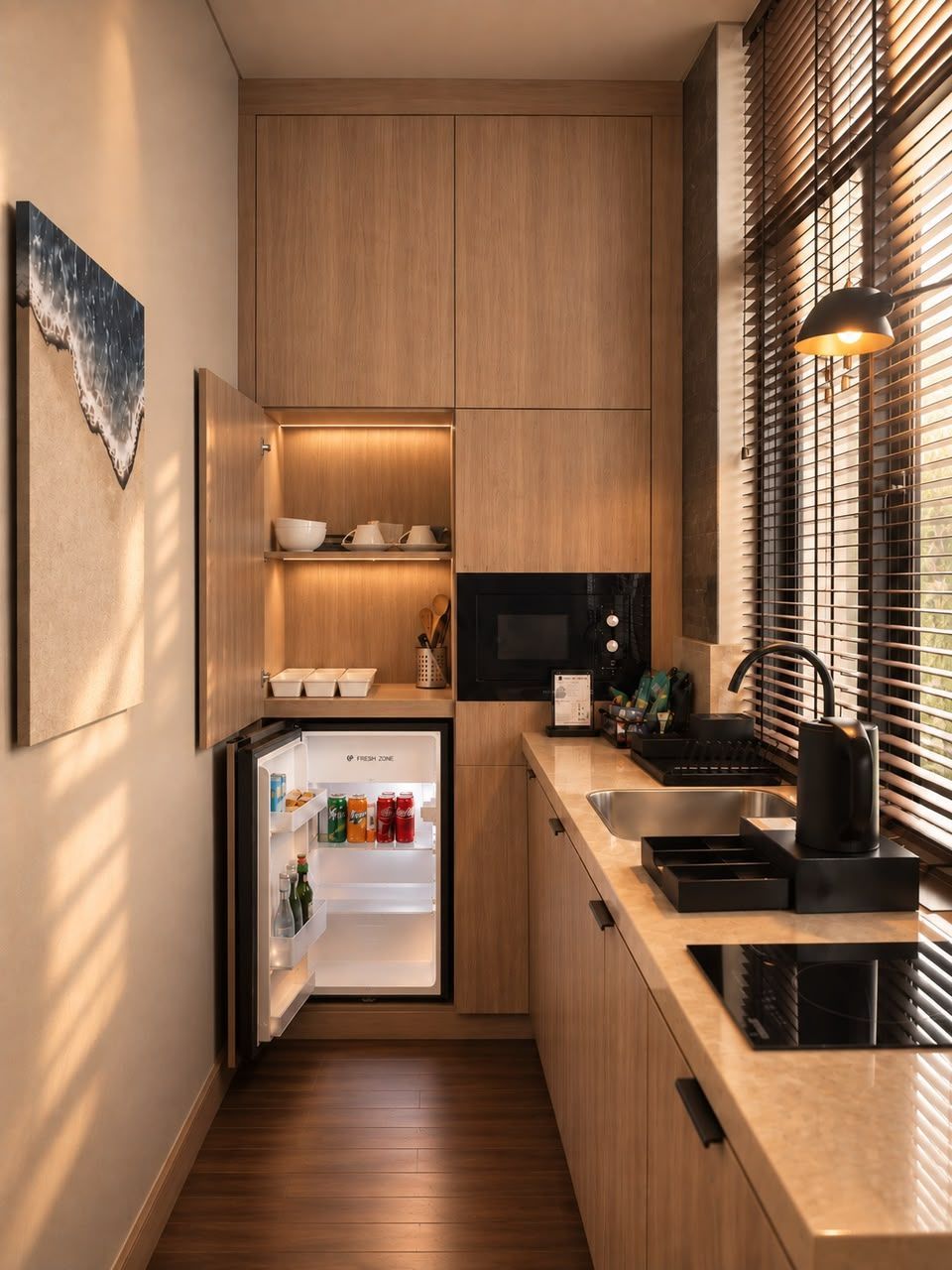
Storage solutions also matter. Living comfortably requires organization. Extended stays demand more than a suitcase on the floor. Adequate wardrobe space, clean surfaces, and thoughtful layout reduce visual stress. When belongings have structure, the mind follows.
Ultimately, good design disappears. It does not demand attention; it supports function. And in that quiet support, guests experience something rare — effortlessness.
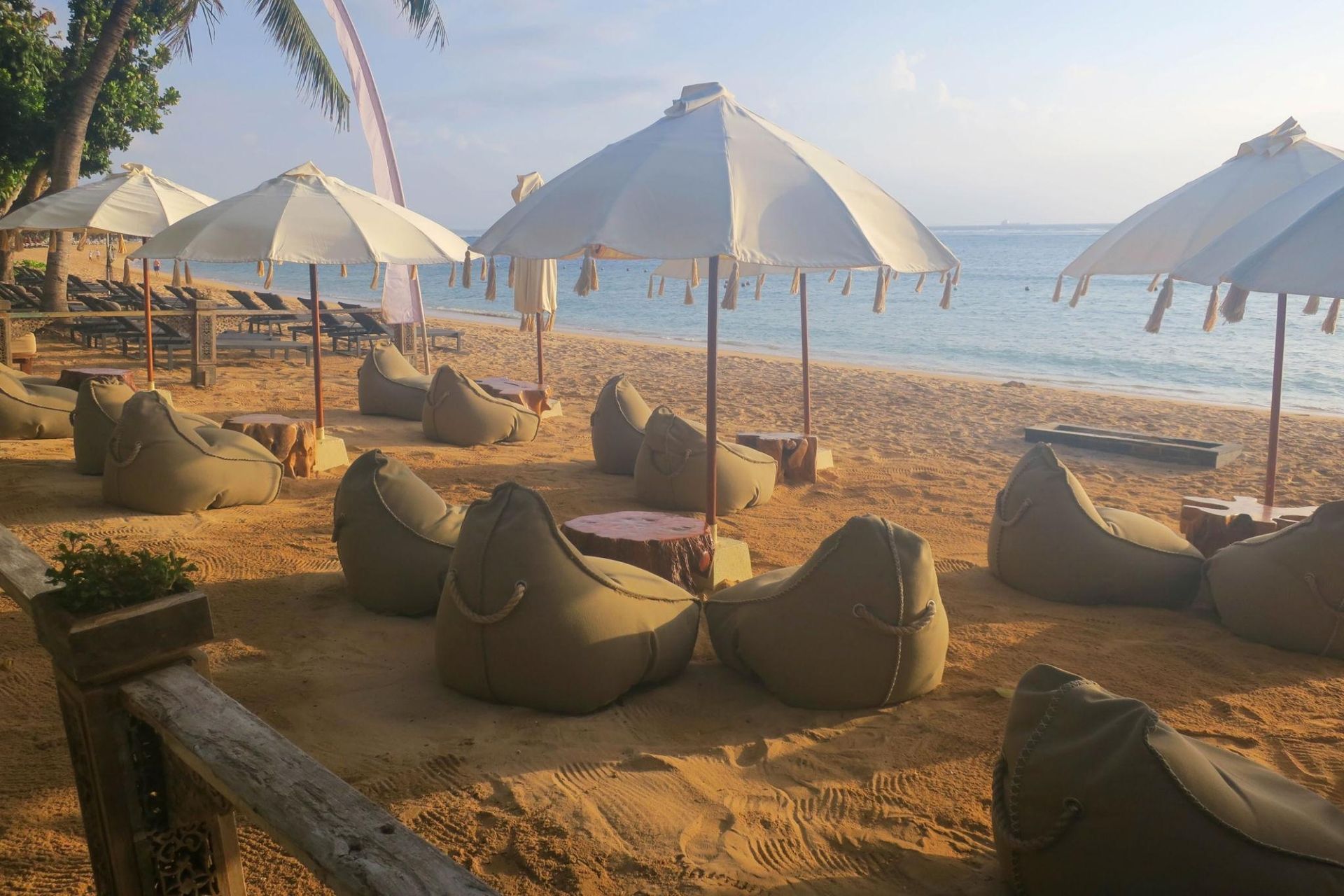
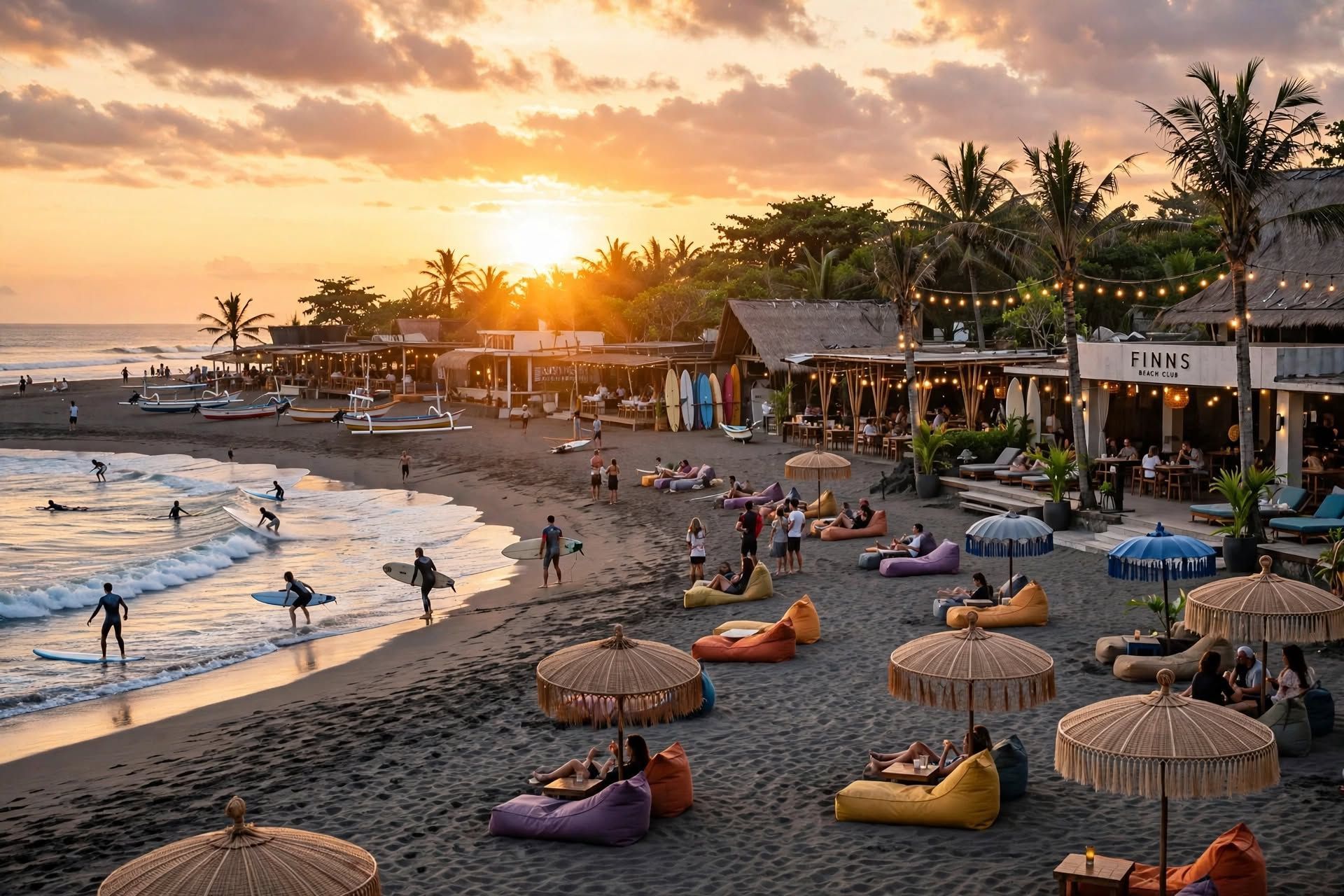
Location within Canggu defines rhythm. Two properties separated by minutes can feel worlds apart. Proximity to Batu Bolong offers immediate access to cafés, beach walks, and social encounters. Yet being directly inside constant activity may erode calm over time. The ideal positioning often lies slightly removed — close enough for convenience, far enough for privacy.
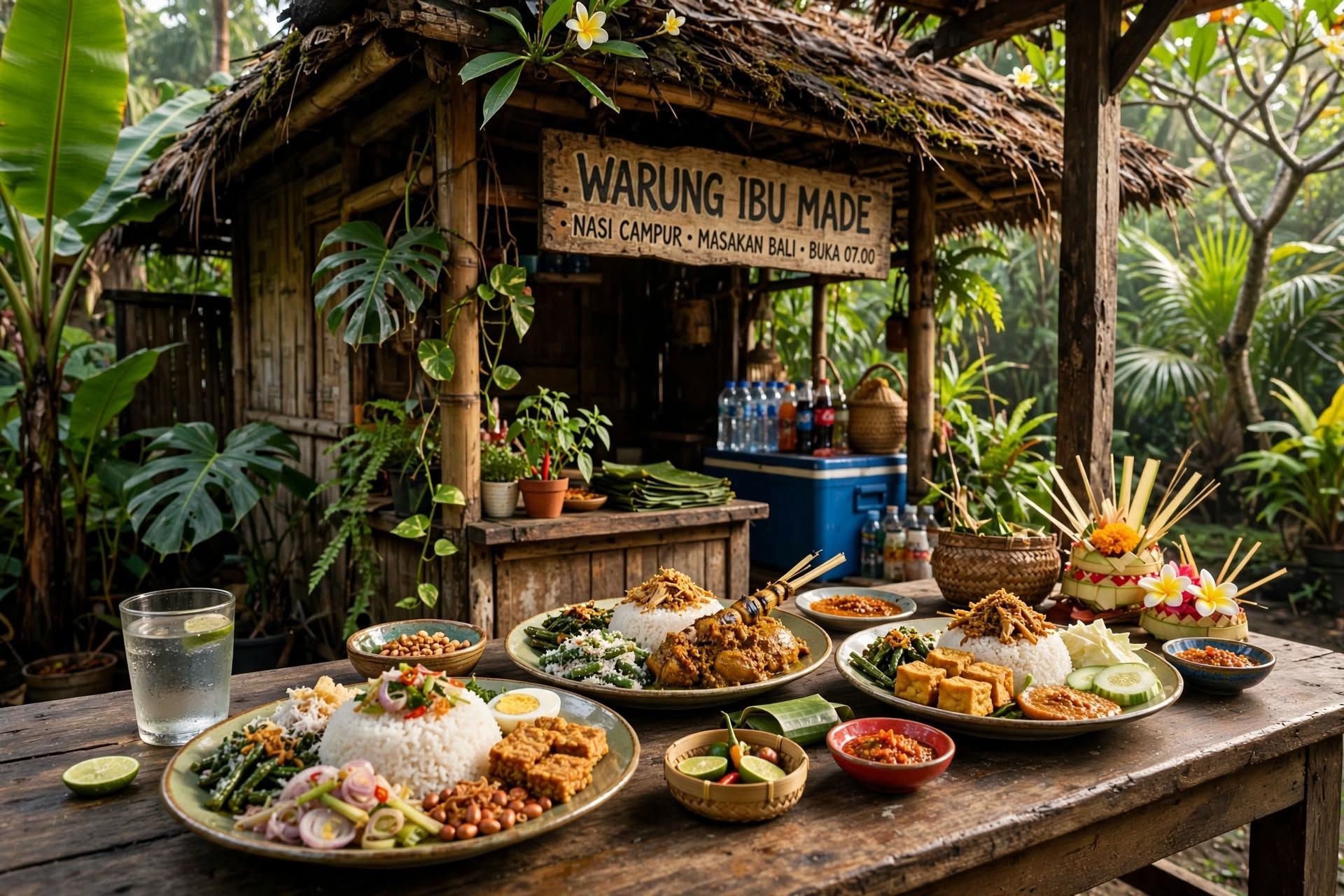
For guests staying longer than a weekend, this distinction becomes critical. Walking access to quality coffee, fitness studios, and dining options reduces friction. Eliminating daily transportation stress preserves mental bandwidth. At the same time, returning each evening to a quieter micro-area allows genuine recovery.
Safety perception influences relaxation as well. Well-lit streets, organized surroundings, and professional management create subconscious comfort. Guests who feel secure rest more deeply and move more freely. For solo travelers or small groups, this assurance becomes essential.
Canggu’s charm lies in its blend of creativity and coastal lifestyle. However, overstimulation can diminish enjoyment if there is no counterbalance. A thoughtfully positioned stay provides that counterweight — a stable anchor within a dynamic neighborhood.
When accommodation aligns with both access and tranquility, guests experience flow. They participate in Canggu’s energy without being consumed by it.
Service quality defines memory. Beautiful rooms attract bookings; attentive service creates loyalty. In boutique environments, personalization becomes possible. Staff recognize faces. Preferences are remembered. Small adjustments are handled without bureaucratic delay. This intimacy elevates experience beyond transaction.
Extended guests particularly value responsiveness. Whether adjusting housekeeping schedules, assisting with local recommendations, or resolving minor technical issues, efficient communication preserves momentum. Nothing disrupts a reset faster than avoidable inconvenience.
Consistency also builds trust. Cleanliness standards, linen freshness, reliable hot water, and stable Wi-Fi form the invisible backbone of comfort. When these fundamentals operate seamlessly, guests can focus on their purpose — rest, celebration, productivity, or exploration.
There is also something powerful about staying in a property that understands its identity. A hotel with clear character — modern, calm, intentional — attracts like-minded travelers. This alignment subtly enhances atmosphere. Shared values create quiet cohesion among guests.
In Canggu’s competitive landscape, differentiation comes not from excess but from precision. Precision in design, service, and positioning signals confidence. And confidence allows guests to relax fully.
A stay in Canggu should not feel temporary. Even if brief, it should feel complete. The right environment allows you to build routine quickly — morning coffee rituals, sunset walks, focused work sessions, slow evenings. This sense of temporary belonging transforms travel into lifestyle immersion.
Whether gathering friends for a milestone celebration, working remotely for several weeks, or seeking solo recalibration, accommodation becomes the foundation of experience. It determines how well you sleep, how clearly you think, and how deeply you enjoy the island.
In an area as energetic as Canggu, choosing a stay that prioritizes calm structure, modern design, strategic location, and attentive service ensures balance. Balance between movement and rest. Between social energy and private retreat. Between productivity and leisure.
True luxury today is not excess. It is intentionality. It is waking up without urgency, moving through the day with clarity, and returning each evening to a space that feels considered rather than crowded.
When mornings feel slower, nights feel softer, and days feel aligned, the destination reveals its full potential. And in that alignment, a trip becomes something more lasting — a reset, a celebration, or perhaps the beginning of a new rhythm entirely.