

Why Location Strategy Matters More Than Room Size in Bali
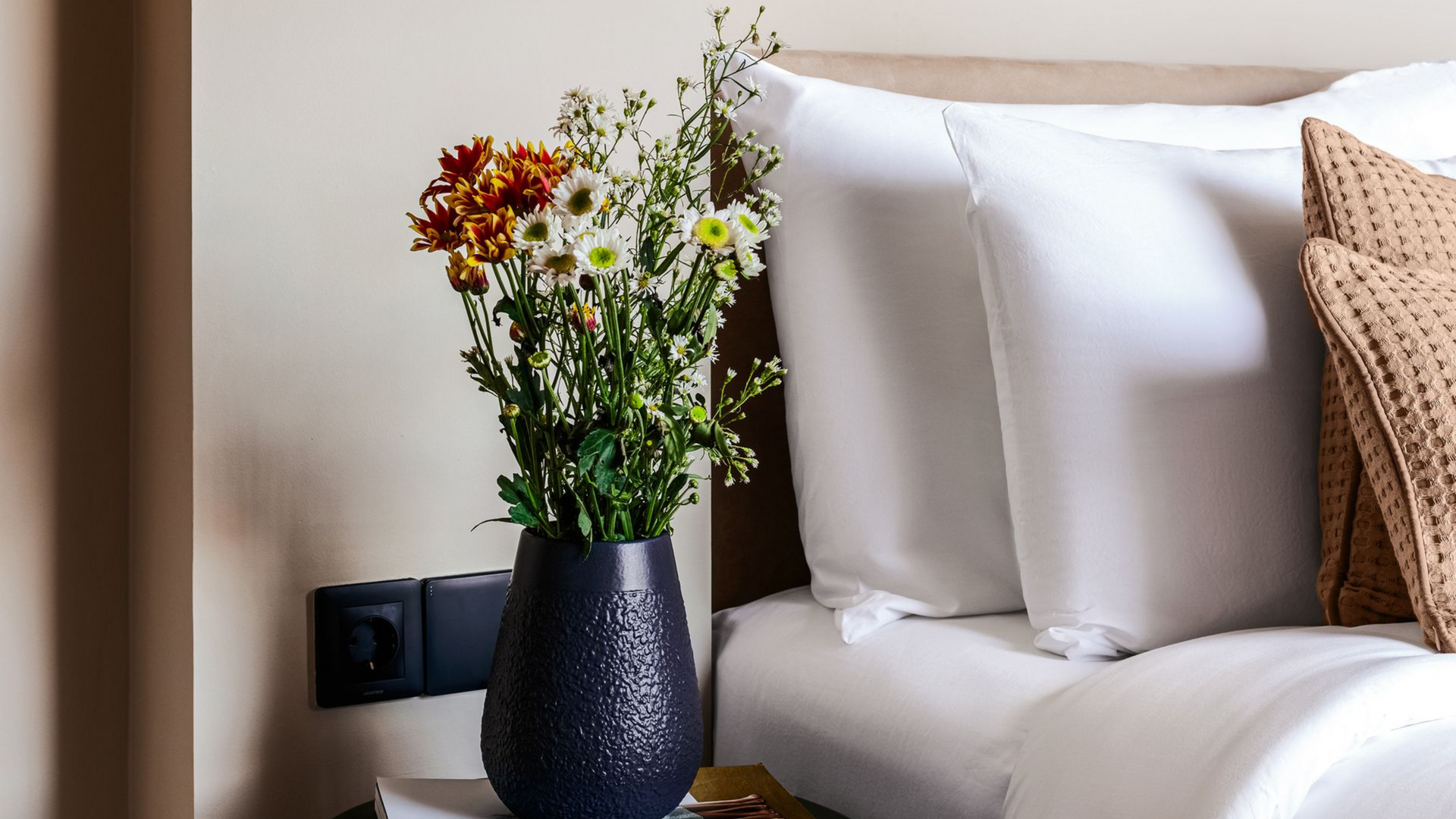
When travelers begin searching for accommodation in Bali, one of the first filters they often apply is room size. Large suites, spacious villas, and expansive interiors appear attractive in photos and can easily influence early booking decisions. However, experienced travelers quickly discover that in destinations like Canggu, room size rarely defines the quality of the stay. What matters far more is location strategy — the precise positioning of where you choose to stay in relation to everything you plan to experience.
Bali is not a destination where guests spend all their time inside their rooms. The island invites movement. Mornings may begin with a walk to a nearby café, afternoons with a fitness session or co-working block, evenings with sunset views or dinner with friends. Each of these moments requires small transitions throughout the day. When accommodation is poorly located, those transitions turn into logistical challenges. Short distances become long drives due to traffic, simple plans require planning ahead, and spontaneity gradually disappears.
In Canggu particularly, location influences rhythm more than almost any other factor. Neighborhoods shift quickly from peaceful residential pockets to high-energy streets filled with restaurants, scooters, and nightlife. Two properties separated by only a few minutes can offer completely different experiences. One may feel calm and organized, while the other may feel chaotic and constantly overstimulated.
A strategically located boutique hotel allows guests to access the best parts of Canggu without being trapped inside its busiest zones. The ideal positioning sits close enough to cafés, beaches, and restaurants to remain convenient, yet slightly removed from the constant noise of nightlife corridors. This balance allows travelers to enjoy the energy of the area while preserving personal space and rest.
Ultimately, the success of a Bali stay is rarely determined by how big the room is. It is determined by how easily life flows around it.
Location influences time management more than most travelers initially realize. In high-traffic areas like Canggu, even short distances can feel long during peak hours. A restaurant that appears five minutes away on a map may take twenty minutes to reach when roads are congested. When this happens repeatedly throughout a trip, the hidden cost becomes time — the most valuable resource during any vacation.
Choosing accommodation with strategic access points changes the experience dramatically. Being positioned near secondary streets rather than directly on major traffic corridors often reduces delays. Guests can move more efficiently between their hotel, the beach, cafés, and evening destinations without feeling trapped in traffic flows.
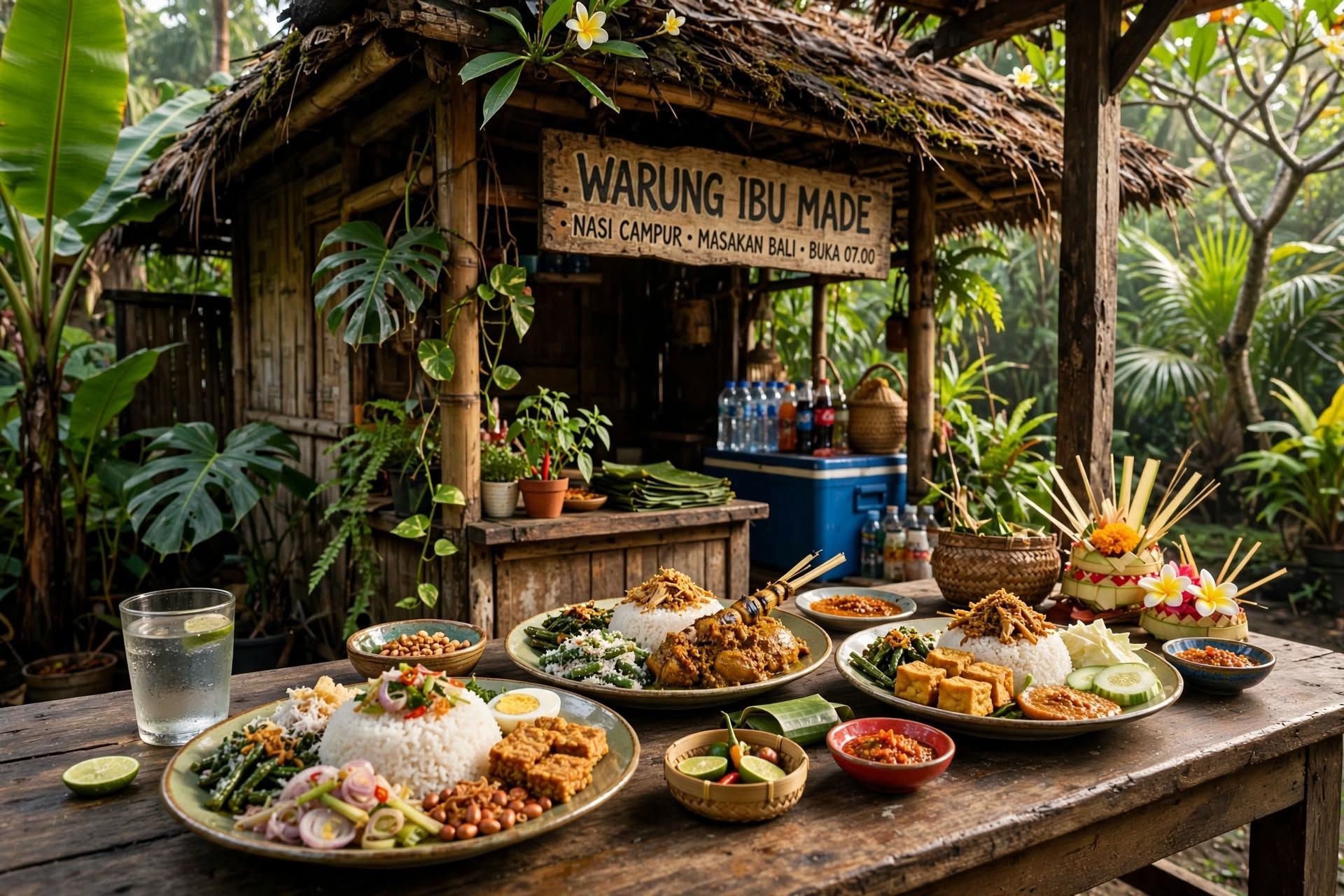
Walkability also becomes an underrated luxury. When a property sits within comfortable walking distance of essential places — coffee shops, breakfast spots, small markets, and casual dining — daily routines become effortless. Instead of relying on transport for every movement, guests can step outside and naturally integrate with the neighborhood.
This freedom creates a more authentic experience of Canggu. Rather than observing the area through car windows or ride-hailing apps, guests interact directly with the environment. They notice small bakeries, hidden smoothie bars, quiet yoga studios, and streets that might otherwise go unseen.
For travelers staying multiple nights or even several weeks, this difference becomes substantial. Life feels lighter when simple tasks require minimal effort. Morning coffee becomes a short walk instead of a planned trip. Dinner invitations become spontaneous rather than logistical puzzles.
When accommodation aligns with the natural flow of the neighborhood, the island feels easier to enjoy.
Another important aspect of location strategy is emotional atmosphere. Some areas in Canggu carry high social intensity — crowded beach entrances, loud bars, and continuous nightlife energy. While this environment can be exciting for short bursts, constant exposure can quickly become exhausting.
Travelers today increasingly look for accommodation that offers contrast. They want to participate in the energy of the area, but they also want to retreat from it when the day ends. A property located slightly outside the most saturated streets creates this psychological buffer.
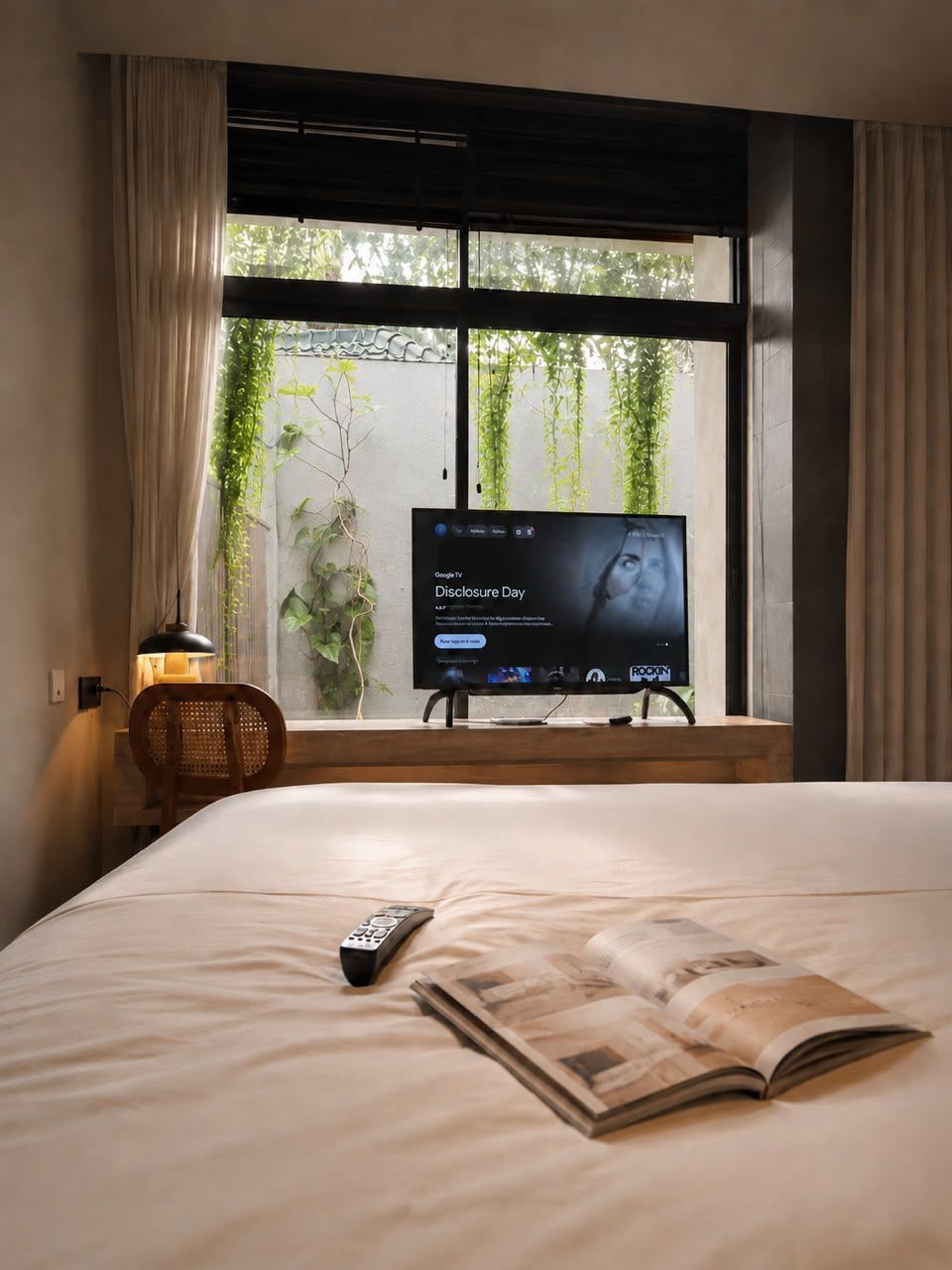
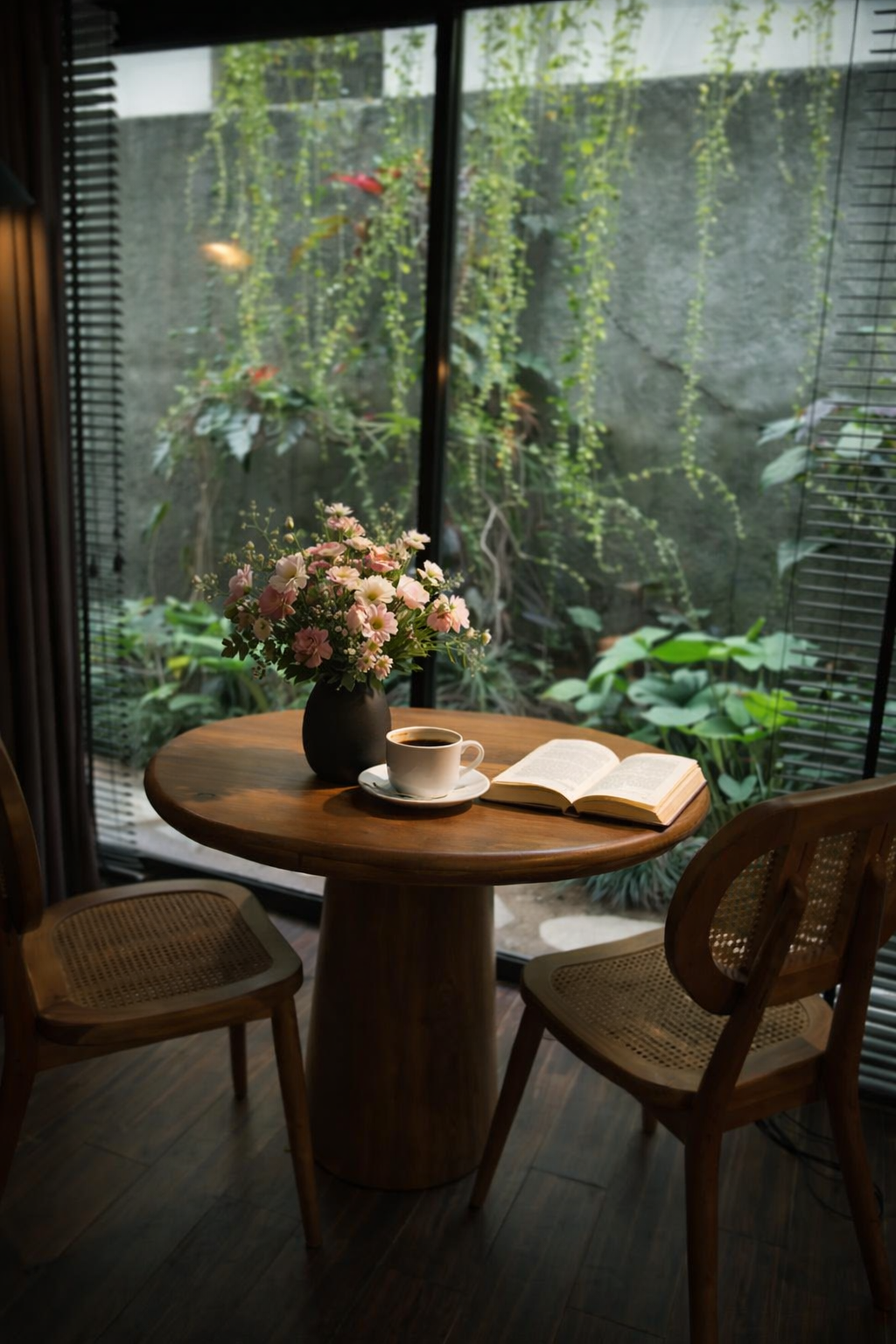
Returning to a calm space after a vibrant evening restores balance. Soft lighting, quiet surroundings, and controlled design allow the mind to decompress. Sleep quality improves, mornings feel clearer, and guests begin each day refreshed rather than drained.
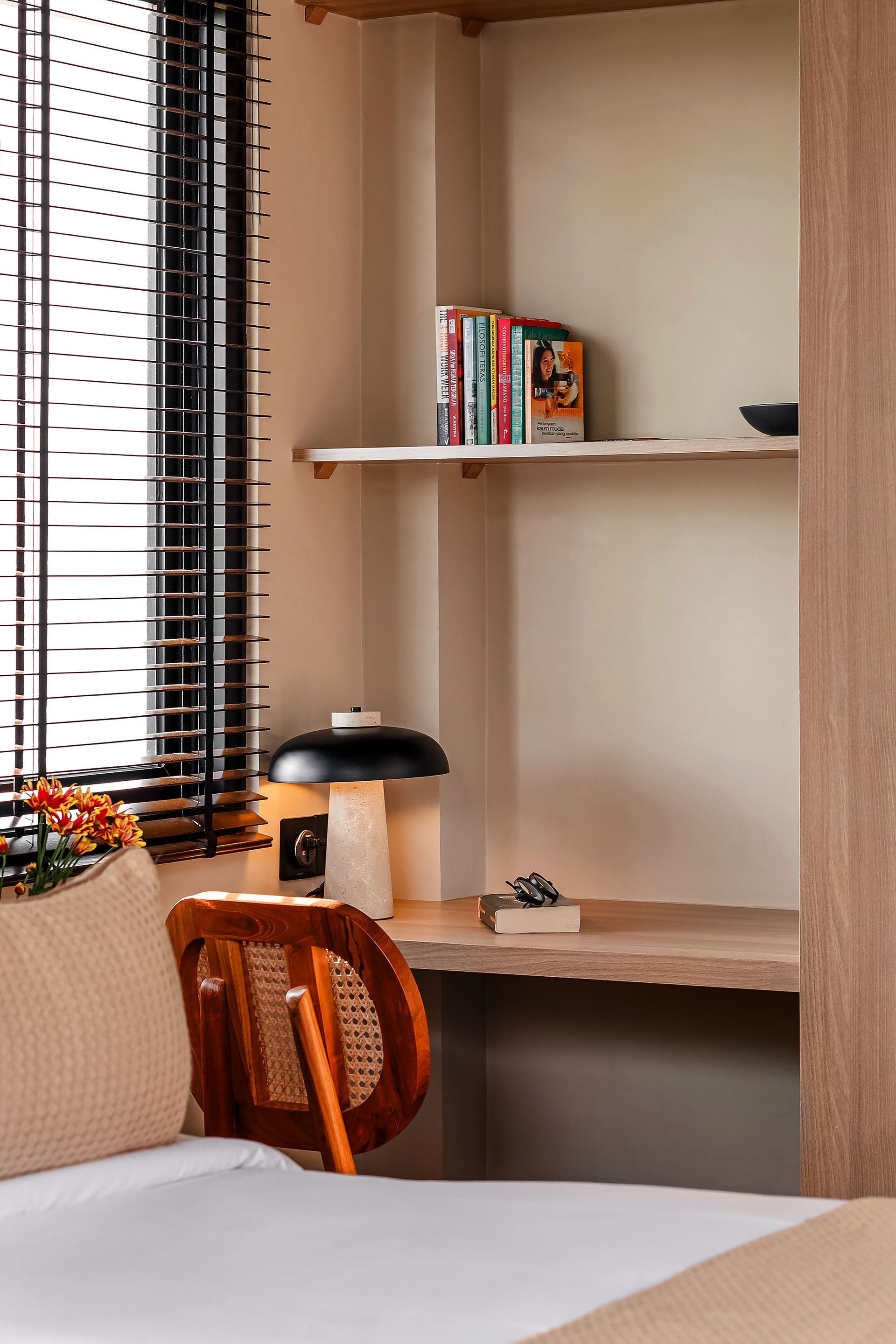
This balance is particularly valuable for travelers blending leisure with remote work. Many visitors to Canggu now arrive with laptops and flexible schedules. They may spend part of the day working from their room or nearby cafés before exploring the island later in the afternoon. In this lifestyle, a peaceful base becomes essential for focus.
The right location supports both modes — productivity and relaxation. It allows guests to step into social environments when desired while preserving a private space for rest and concentration.
In this sense, the best locations do not compete with the destination. They complement it.
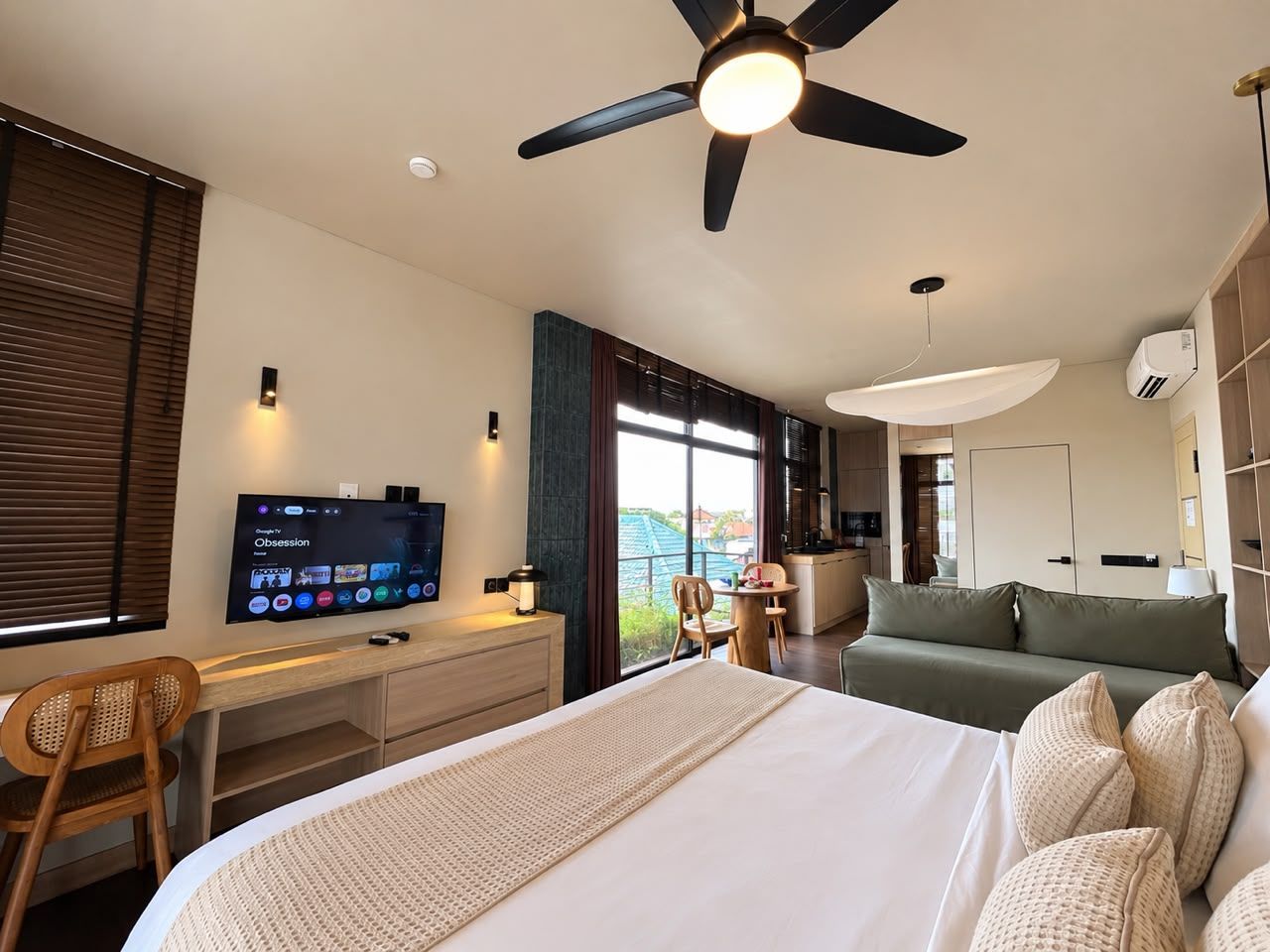
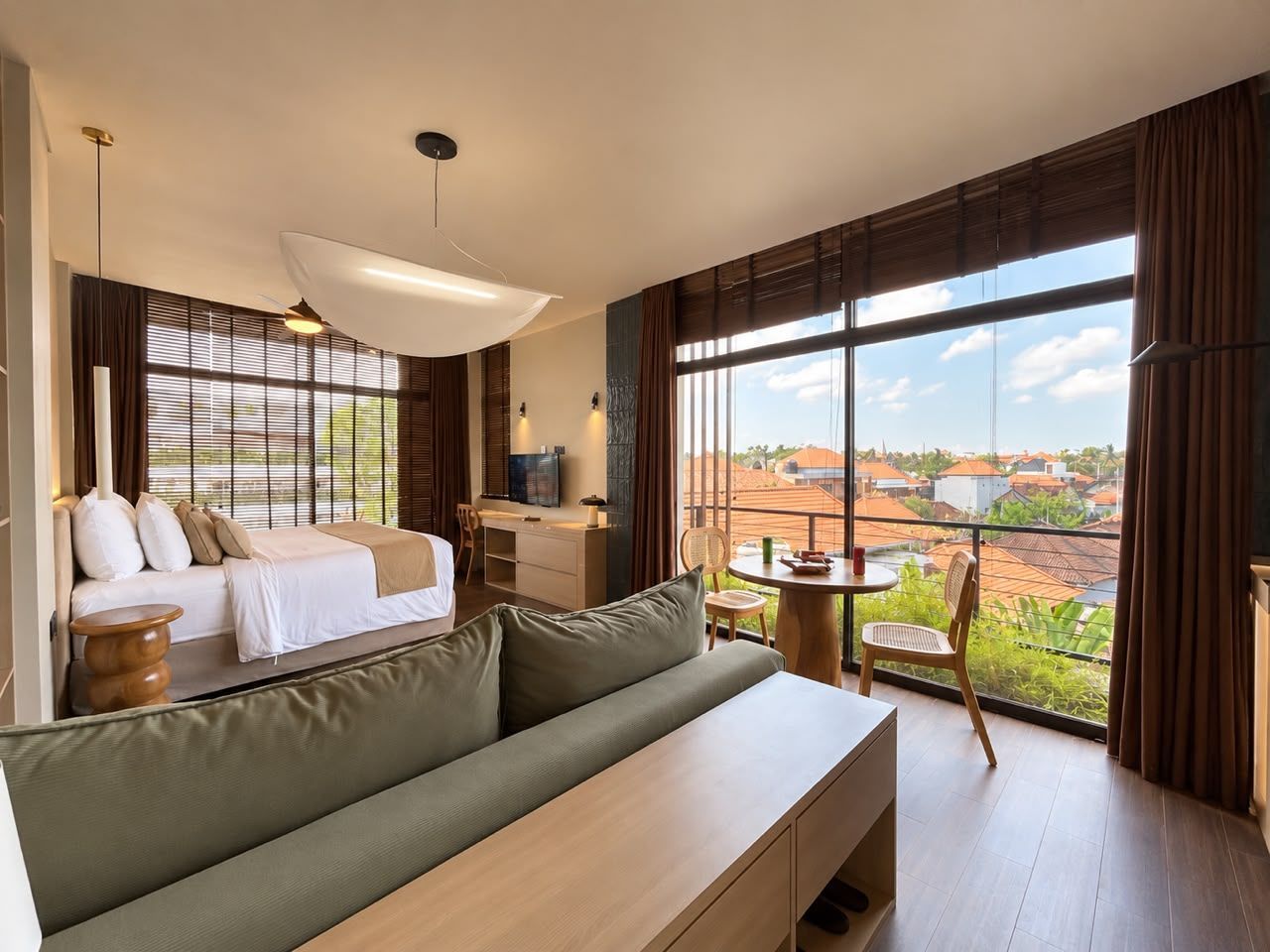
Design and location also work together to shape perception. A thoughtfully designed boutique hotel positioned in a balanced neighborhood often feels more spacious and comfortable than a larger property placed in a chaotic area. When surroundings are calm, interiors appear more refined and purposeful.
Guests notice how easily they can move through their day. Morning routines feel smooth, transportation is simple, and returning to the property at night feels safe and organized. These subtle experiences influence overall satisfaction far more than square meters of interior space.
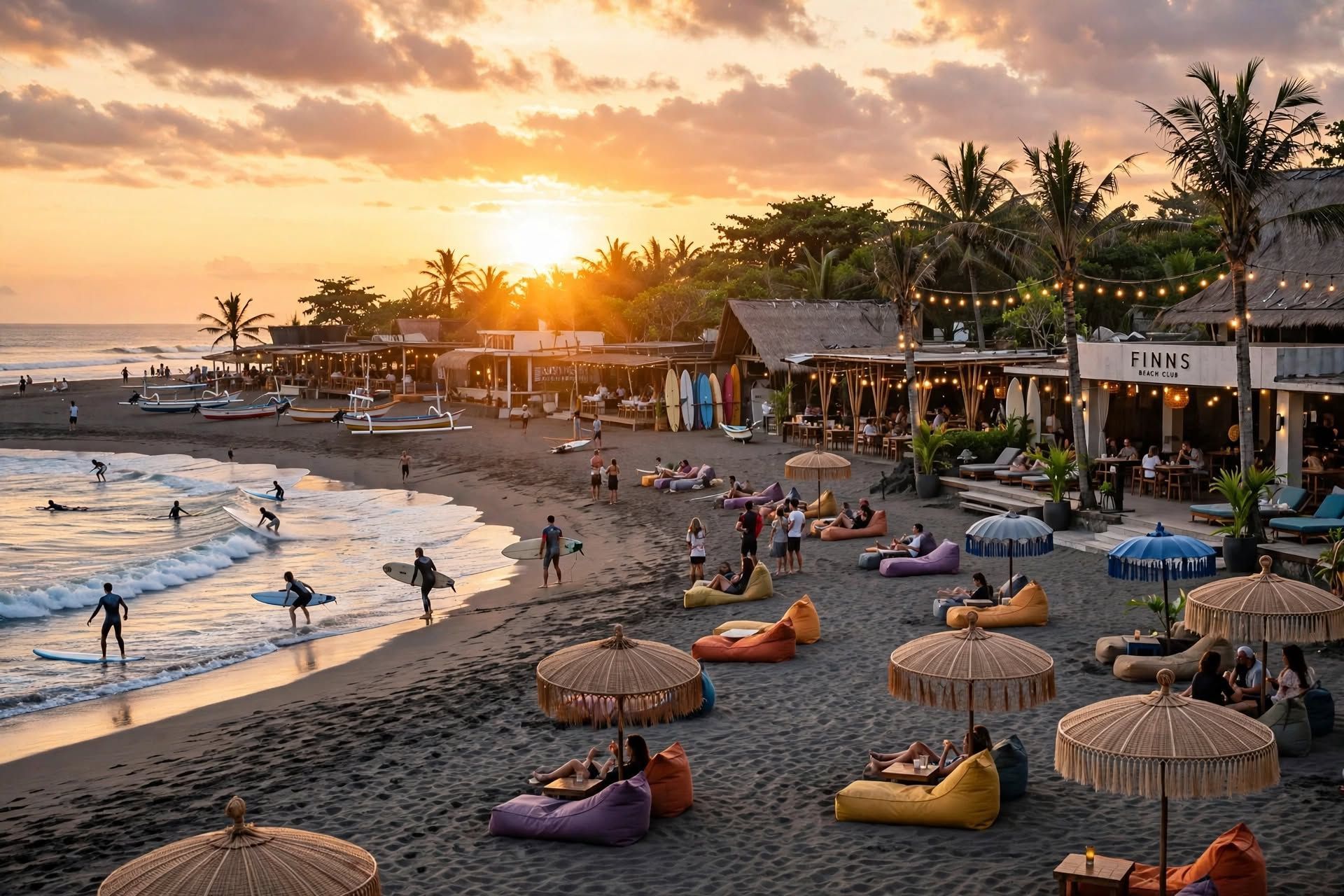
Location also determines access to experiences that define Bali. Beaches, sunset points, cafés, and wellness studios all contribute to the island’s lifestyle culture. When these experiences are reachable without long travel times, guests engage with them more frequently.
Instead of planning large excursions every day, visitors begin enjoying smaller, spontaneous moments — a quick sunset walk, a casual breakfast meeting, an afternoon swim. These moments often become the most memorable parts of a trip.
Accommodation that sits in the right place encourages this natural exploration. It removes barriers between the guest and the destination.
In many ways, location becomes the silent host guiding the entire stay.
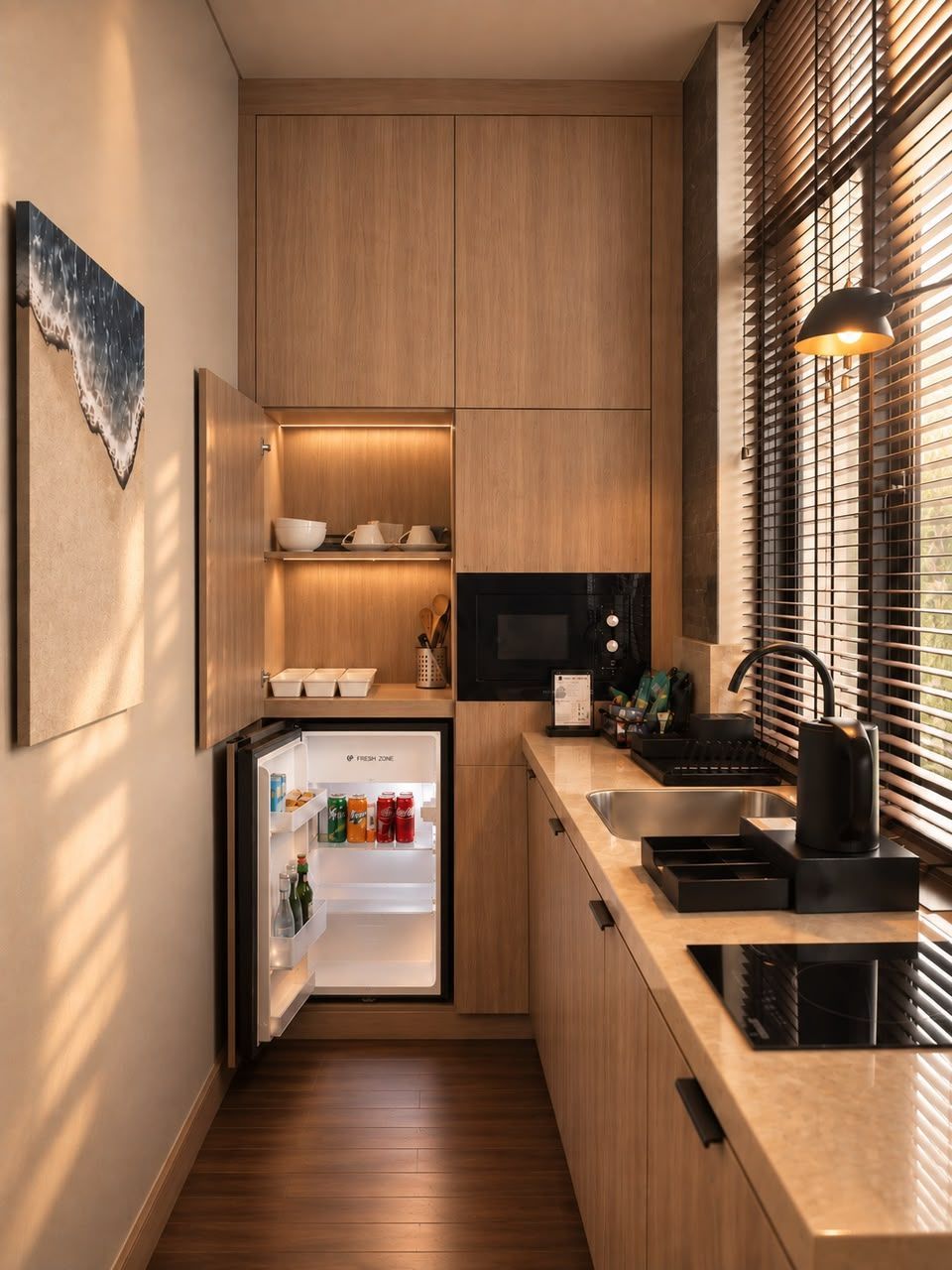
Modern travel increasingly values quality over excess. Travelers are less interested in oversized rooms that remain mostly unused and more interested in environments that support meaningful experiences. A well-designed room in the right location consistently delivers more value than a large space disconnected from the rhythm of the destination.
In Canggu, where daily life blends beach culture, creative work, social dining, and wellness routines, proximity to the right elements defines enjoyment. Guests want to reach the beach easily, access great coffee, attend fitness classes, and meet friends for dinner — all without spending large portions of the day in transit.
A strategically located boutique hotel allows this lifestyle to unfold naturally. Guests move through the neighborhood with ease, return to a calm and organized space, and repeat the rhythm day after day.
When location and design align, something subtle happens. Travel begins to feel less like a temporary escape and more like a temporary lifestyle — a chance to live differently for a short time.
And in Bali, where the destination itself invites exploration, the most valuable luxury may simply be staying in the right place.