


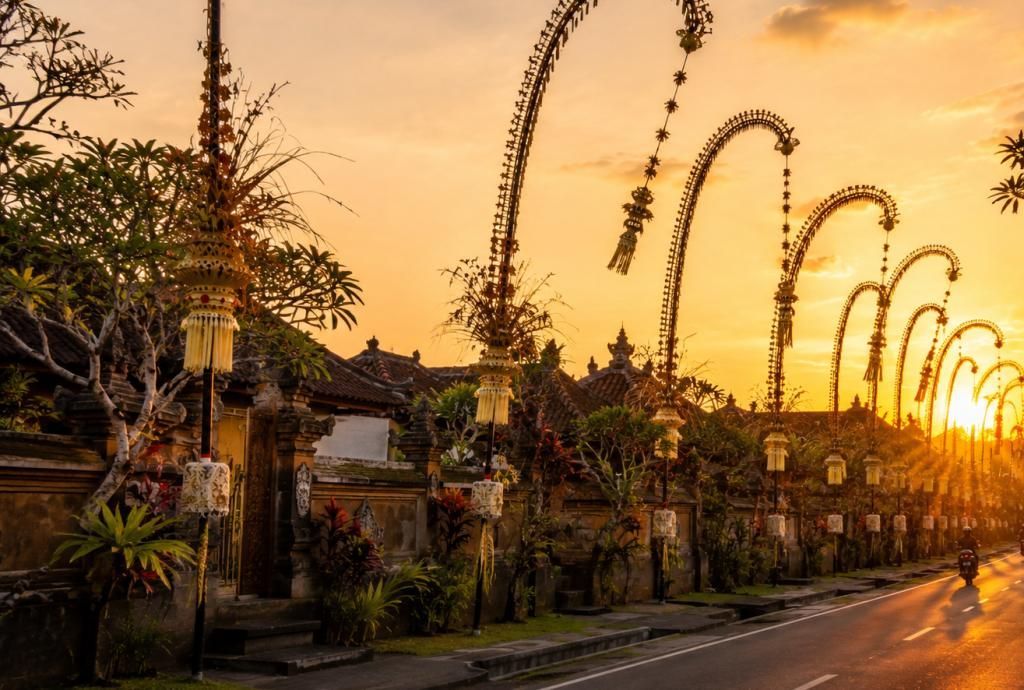
The Water Beneath Canggu: How Rain, Rice Fields and Ancient Water Traditions Shape Bali
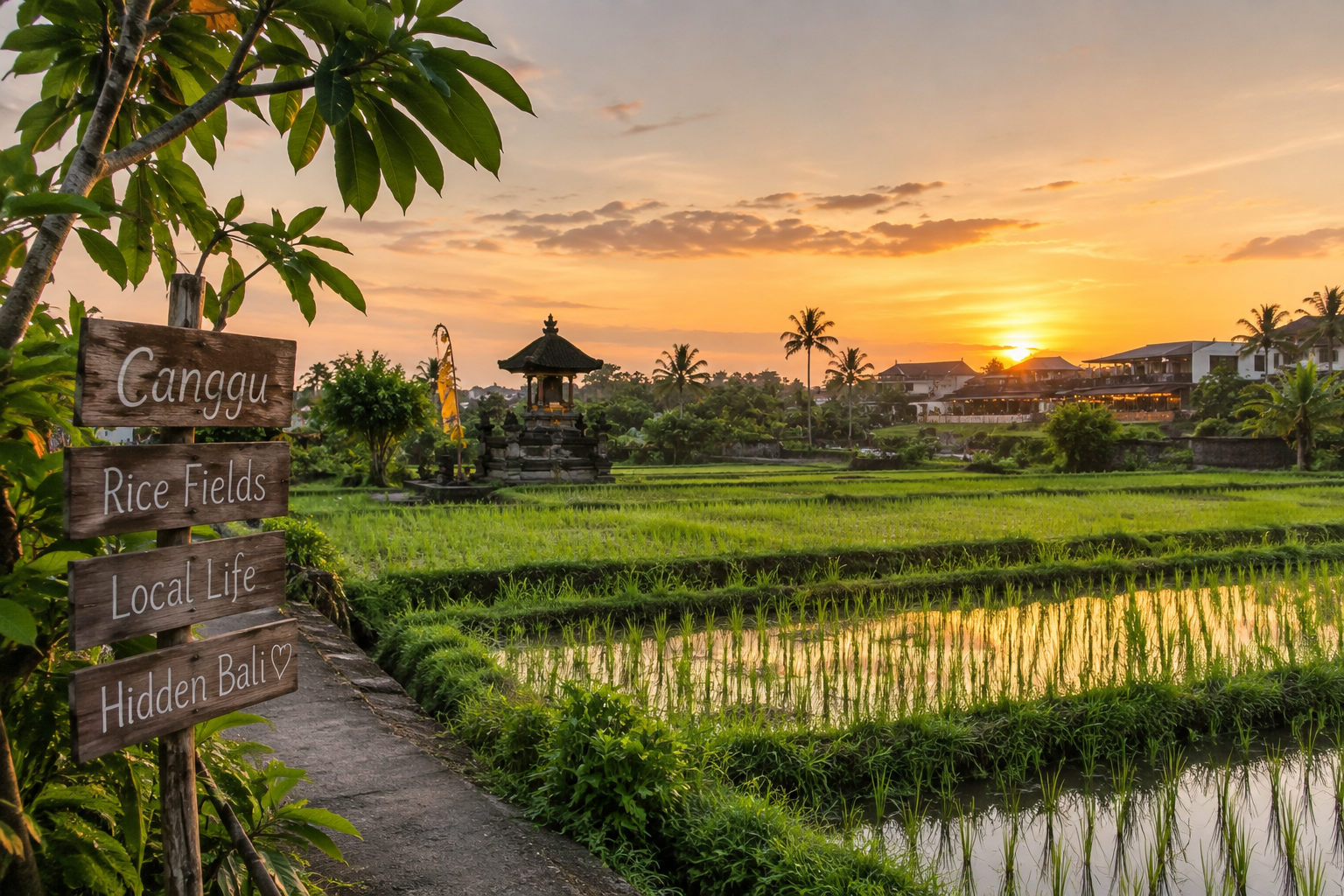
A different way to understand Canggu — through the water that moves beneath its streets, across its rice fields, and through generations of Balinese life.
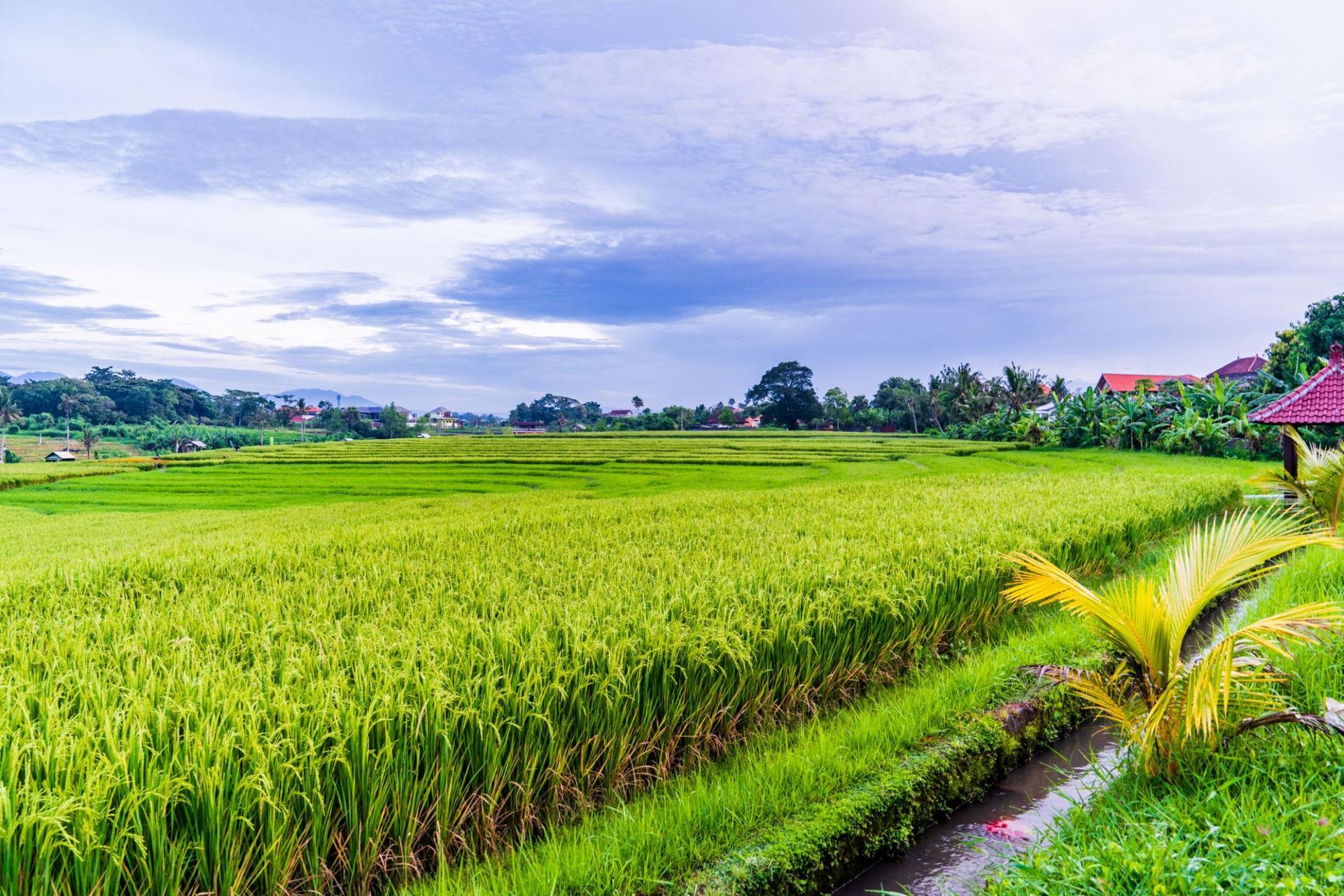
If you stay long enough in Canggu, you will begin to feel a rhythm that no travel guide mentions. It is not on the list of the top ten beach clubs, it is not the perfect latte art, and it is not the sunset at Batu Bolong. It is the sound of water. It is the sudden, heavy tropical downpour at 3:30 PM that turns the sky over Berawa dark grey in five minutes, drums loudly on the roof of your villa, and disappears an hour later leaving the air cool and smelling like earth. It is the small, fast-flowing ditch next to the road that most tourists cross on their scooter without noticing. It is the flooded rice field behind Finns Recreation Club that turns into a perfect, giant mirror at 6 PM, reflecting the pink sky. Most travelers experience Canggu as a place built on top of the land, but the real story of this place is built around the water that moves beneath it. To truly understand where you are staying when you book a villa in Canggu, you have to understand that you are not just in a trendy tourist district. You are living inside a thousand-year-old water civilization that is still alive today, flowing right past your door. And this perspective completely changes how you experience a stay at a place like Aviator Bali in Berawa.
Less than fifteen years ago, the map of Canggu looked completely different. Where you now see a dense network of villas, gyms, boutiques, and cafes from Batu Bolong to Pererenan, there was an almost unbroken ocean of sawah — rice fields. Berawa, Tibubeneng, and Canggu itself were not built for tourism; they were built for rice, and rice needs one thing more than anything else: perfectly managed water. The entire landscape was engineered by Balinese ancestors to move water from the volcanic mountains in the center of the island down to the sea in the most efficient and harmonious way possible. This engineering masterpiece is called Subak, and in 2012 UNESCO recognized it as a World Cultural Heritage. UNESCO explains that Subak is far more than just an irrigation system. It is a complete, democratic, and spiritual system that connects water, rice terraces, the farming community, and water temples, rooted in the core Balinese philosophy of Tri Hita Karana — the harmony between humans, nature, and the spirit world. Every drop of water that flows through Canggu is part of this system. It starts as rain in the highlands around Mount Batukaru, feeds into rivers like the Tukad Mati, and is then diverted into a labyrinth of primary, secondary, and tertiary canals — the small concrete and earth ditches you see everywhere. A farmer cannot simply take water whenever he wants. He must coordinate with his local Subak community, which can consist of hundreds of farmers sharing the same water source. They meet at the water temple, they perform ceremonies to honor Dewi Danu, the goddess of water, they decide together when to plant and when to flood the fields, and they share the water fairly. So when you walk from Aviator Bali to Berawa Beach and cross a small bridge over a canal, you are not crossing a drainage ditch. You are crossing a living artery of a UNESCO-recognized civilization that is still actively feeding families today. Those rice fields you see between the villas are not just decorative green spaces for your Instagram; they are highly productive, actively managed plots that depend on that water.
Then there is the second part of the story that every visitor misunderstands: the rain. In Canggu, people tend to divide the year into "good season" and "bad season" — dry season is good, rainy season is bad. But from a Balinese perspective, this is completely backward. The tropical rain from November to March is not an inconvenience; it is the engine that powers the entire island. Bali’s monsoon is intense, unpredictable, and incredibly powerful. It doesn’t drizzle all day like in Europe. It dumps a massive amount of water in a very short, dramatic burst. For a tourist, that might mean waiting an hour before going to Atlas Beach Club. For the Subak, that one hour of rain is life itself. It fills the reservoirs high in the mountains, it recharges the deep groundwater aquifers that all the villas in Canggu, including Aviator Bali, depend on for their wells, and it creates that impossibly lush, electric-green color of the rice fields in December and January that every photographer tries to capture without understanding why it is so green. The locals have a beautiful saying: "yeh ento getih Bali" — water is the blood of Bali. You can feel this if you pay attention. After a big storm, the streets of Batu Bolong might be flooded for 30 minutes because the modern drainage system is overwhelmed, but the next morning, everything is transformed. The rice fields are overflowing and sparkling, the air is crystal clear and free of dust, the frangipani flowers have opened, and the sound of frogs and crickets from the sawah behind the villas is deafening. This cycle of heavy rain, absorption, and abundance has been the heartbeat of Bali for a millennium, long before Canggu became famous. To experience the rainy season in a private villa in Berawa is not to experience bad weather; it is to witness the most important and fertile season in the Balinese agricultural calendar, a time of renewal and growth that the Balinese celebrate with special ceremonies.
This brings us to why this ancient story of water is suddenly more relevant than ever, and why it matters for modern, conscious travel. Canggu is now facing what you could call a water paradox. On one hand, the rapid development of tourism demands more water than ever before. Every new villa with a private pool, every boutique hotel, every laundry service, every lush tropical garden needs a constant supply of groundwater. On the other hand, the very thing that used to naturally manage and store all that rainwater — the vast network of rice fields and their soft, absorbent earth — is shrinking every year as it is converted into buildings and concrete roads. When the earth is covered in concrete, rainwater has nowhere to go and nowhere to be absorbed. It runs off immediately, which is why low-lying areas in Canggu and Berawa can flood so quickly after a storm. And in the dry season from May to September, when there is no rain for months, the groundwater level drops because the natural recharge areas are gone. This is why the ancient wisdom of Subak and Tri Hita Karana is no longer just a cultural tradition; it is a blueprint for sustainability. The most forward-thinking accommodations in Bali are now learning to think like a Subak farmer again. They are implementing water-saving systems, rainwater harvesting, natural filtration, and water recycling. They understand that respecting water is not just spiritual, it is essential for survival. For you as a traveler staying at Aviator Bali, this knowledge gives you a completely different, more meaningful lens. Instead of just chasing the next beach club, you can chase the real Canggu. Wake up at 6 AM, before the traffic starts, and take a slow walk or bicycle ride through the remaining Subak trails of Tibubeneng, just a few minutes from our property. You will see farmers in conical hats opening small wooden dam gates by hand, letting water flow into their plots. You will see white herons standing in the flooded fields and ducks being herded in a perfect line. You will see Mount Batukaru in the far distance, where your water came from. That ten-minute walk will teach you more about the true, authentic soul of Bali than any sunset party ever could. It is the quiet, slow luxury that most tourists miss.
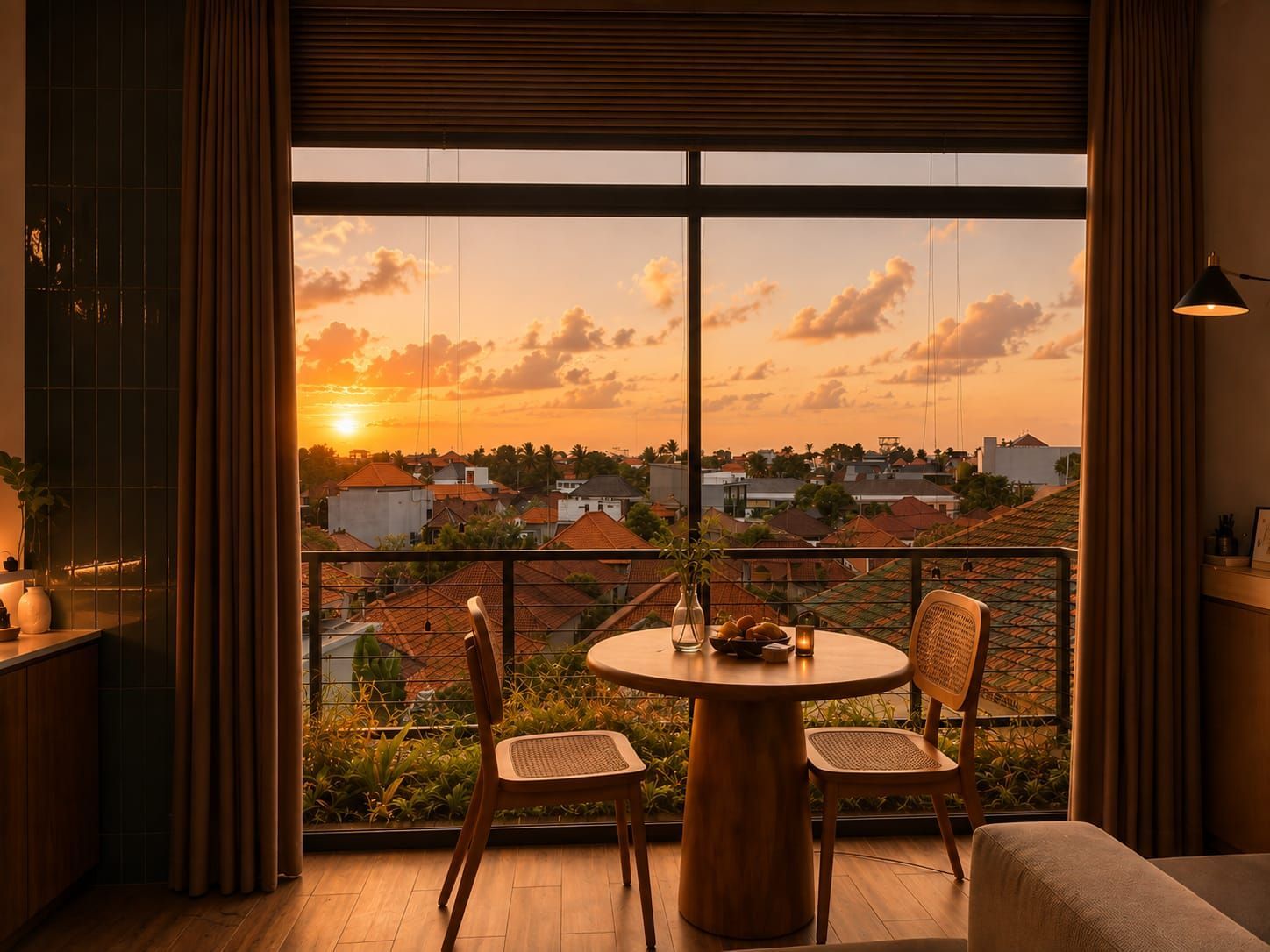
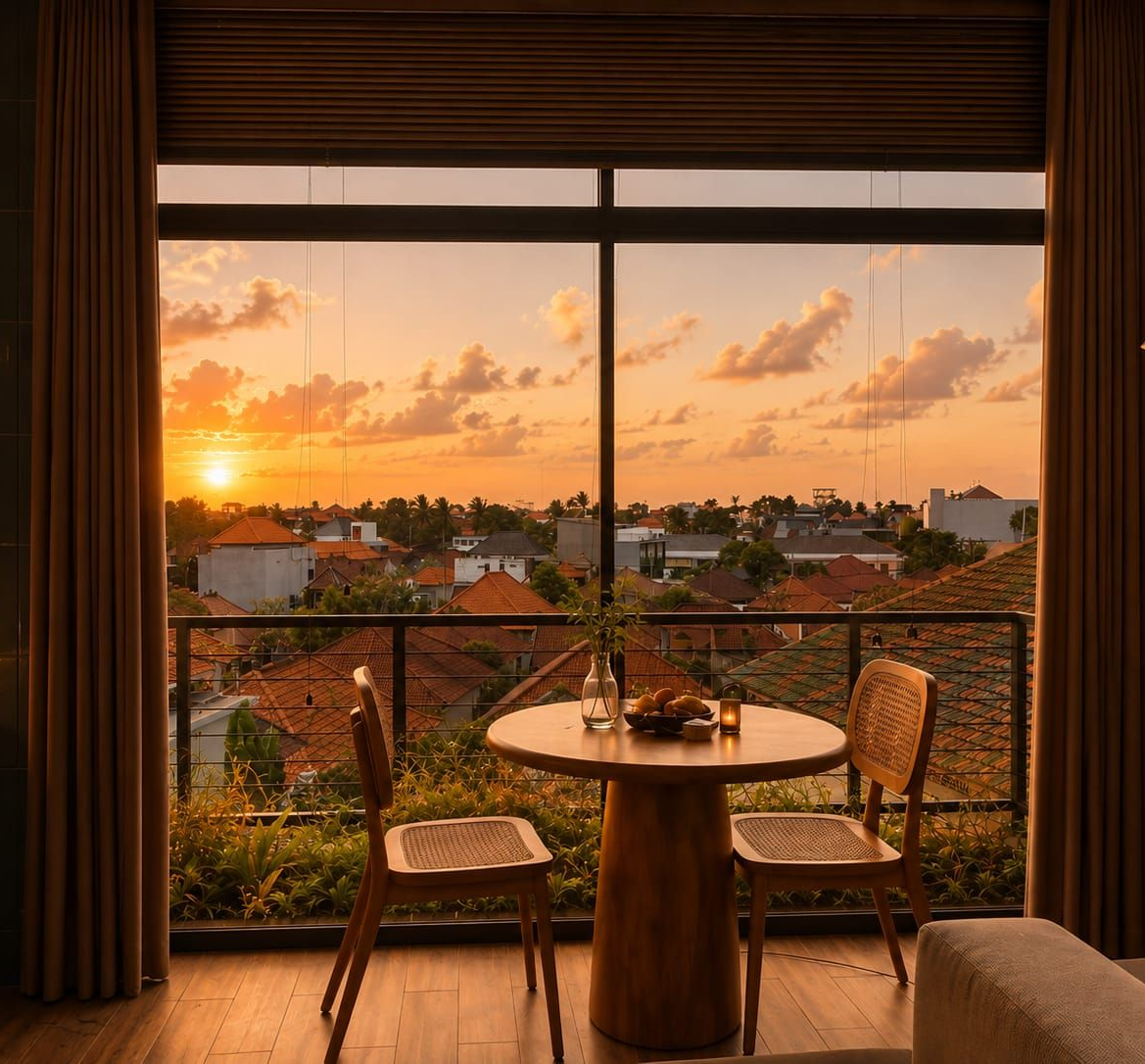
So the next time you stay with us, we invite you to listen to the water beneath Canggu. When the afternoon rain drums on the roof of your villa at Aviator Bali, don’t see it as a disruption to your plans. See it as a performance, a vital part of the show. Make a coffee, sit on your terrace, and watch it. Then, after the rain stops, step outside and walk to the edge of the nearest rice field. Look closely at how the water moves, how it sparkles as it continues its ancient, unstoppable journey from the mountain to the sea, passing through temples, villages, and villas along the way. You will realize that you are not just an observer in Canggu; for a few days, you are part of its flow. This is the hidden, authentic, and profoundly peaceful side of Bali that we want to share with you — a Bali that is not built, but grown, and not just seen, but felt.
Plan Your Stay at Aviator Bali
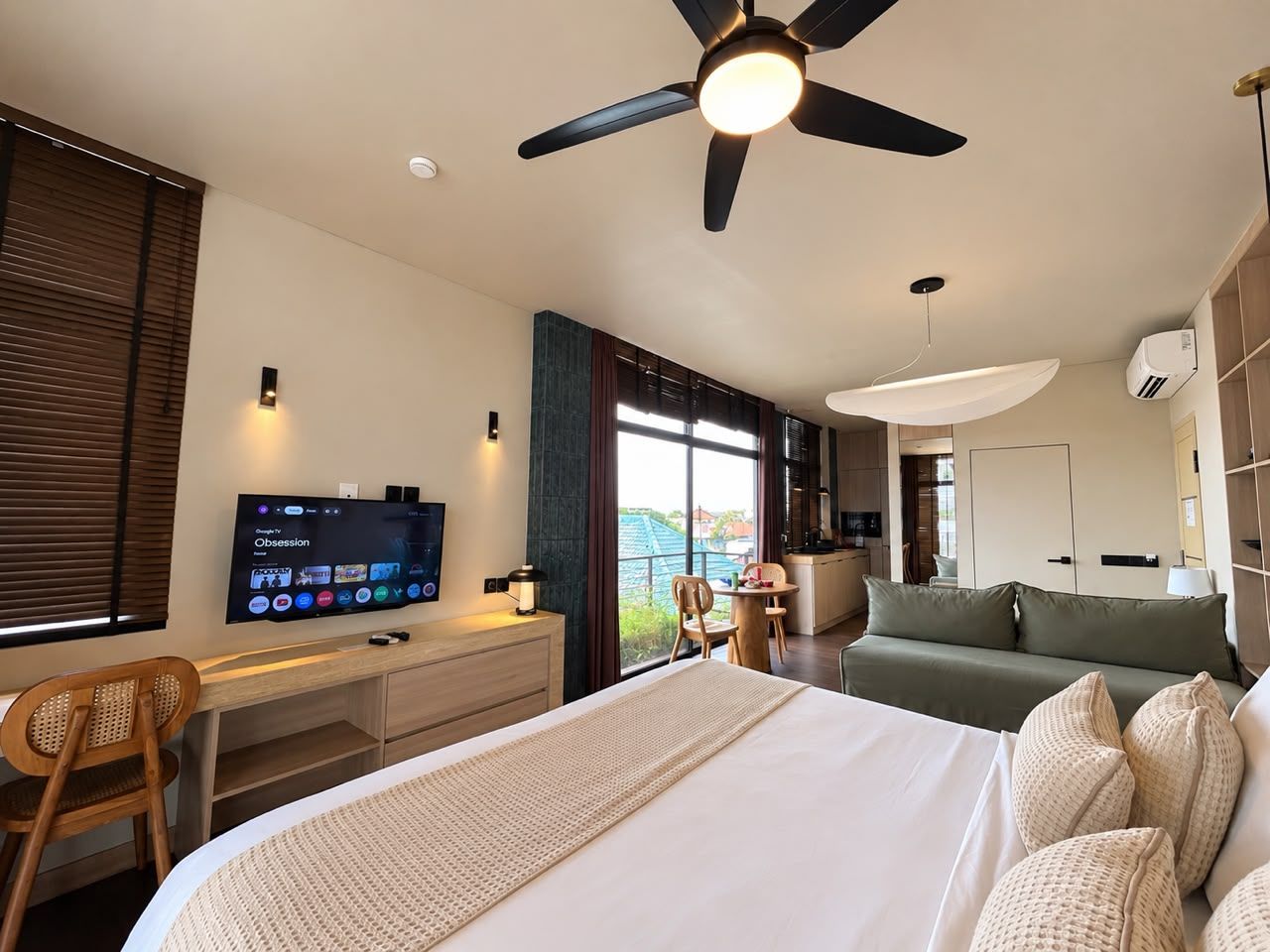
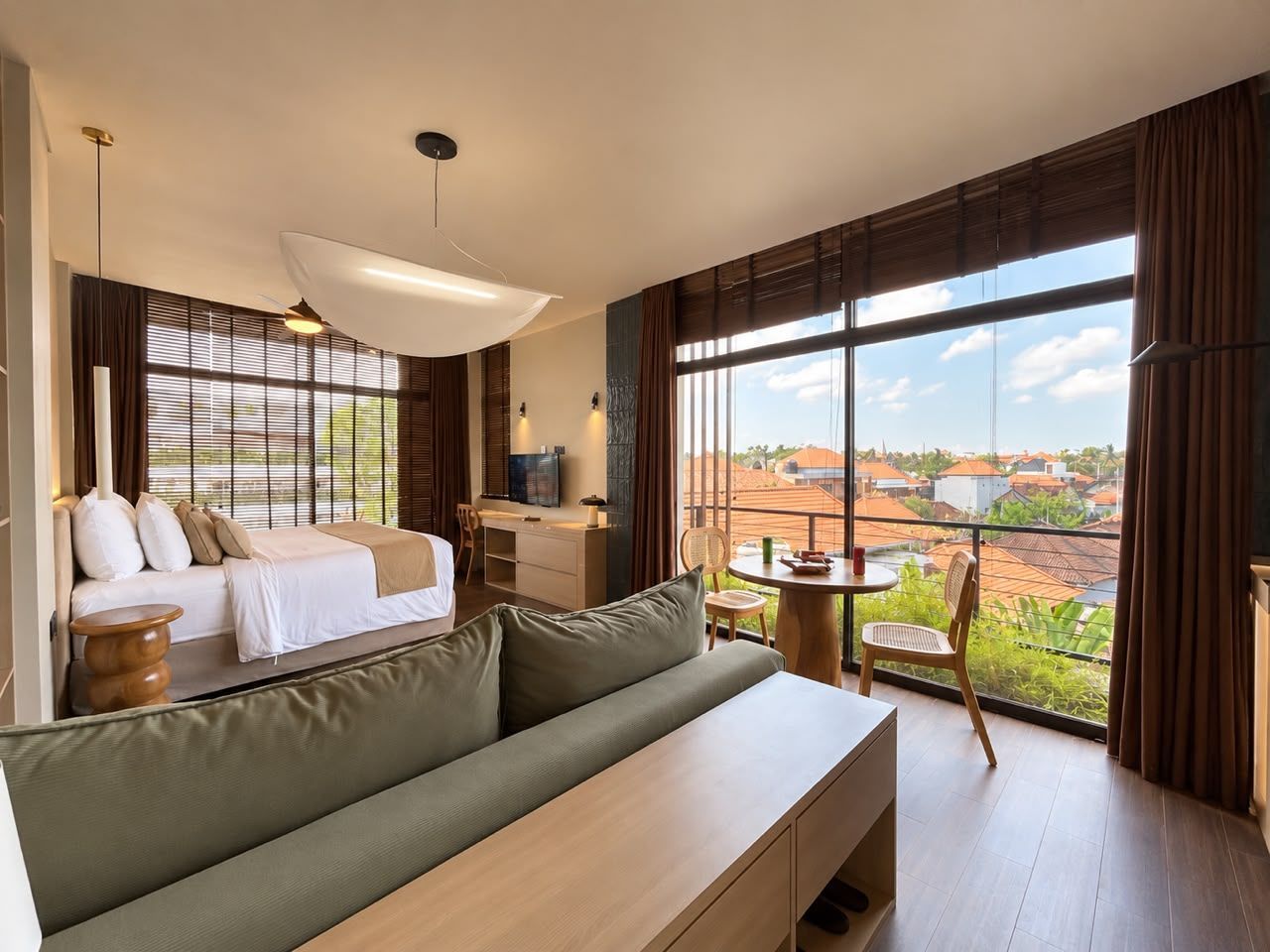
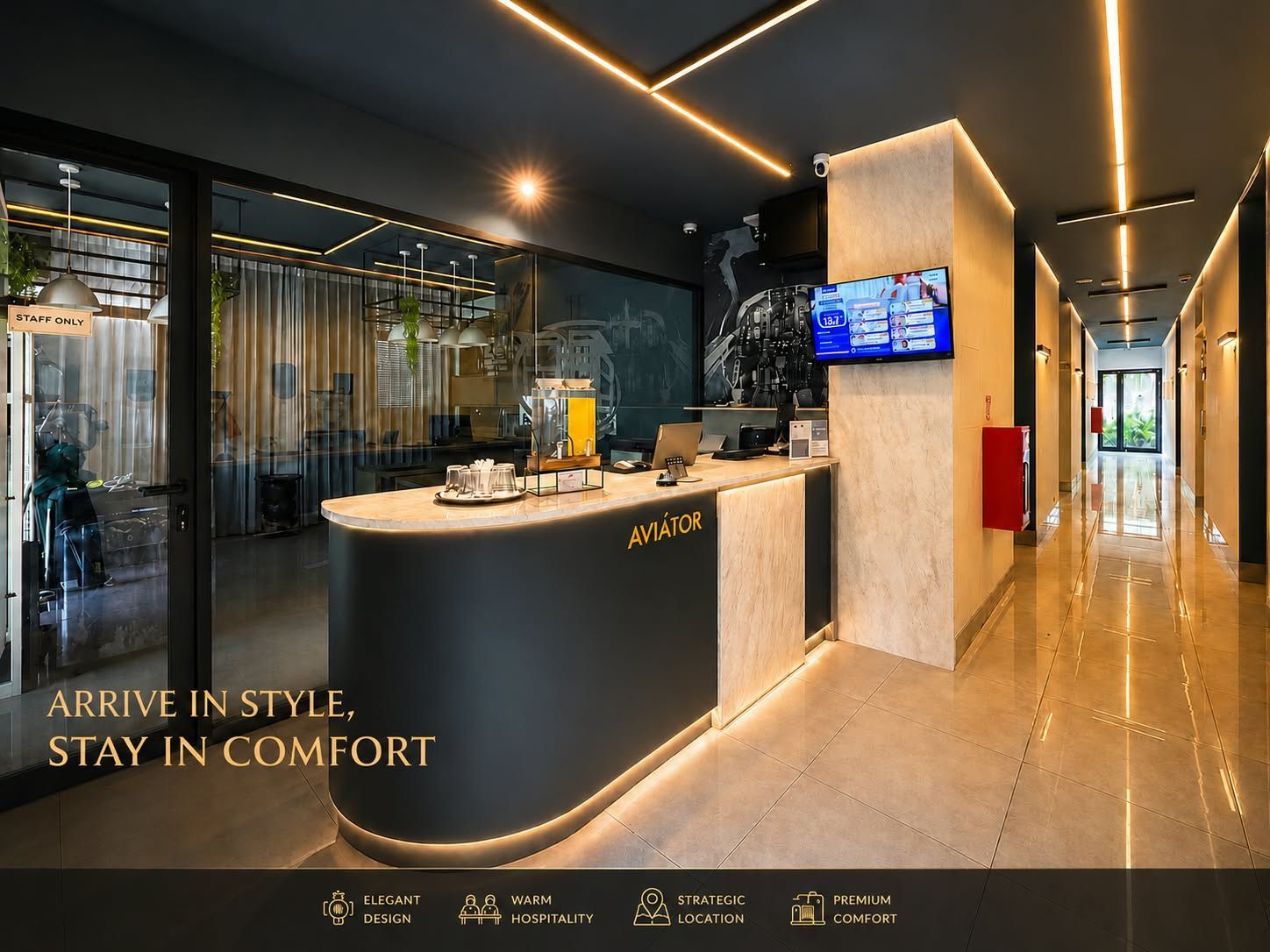
Located in the heart of Berawa, Canggu — just a 2-minute drive to Berawa Beach and surrounded by the last pockets of green rice fields and flowing Subak canals — Aviator Bali offers more than just a villa stay. We offer you a front-row seat to the real rhythms of Bali. Experience the perfect balance of modern comfort, privacy, and authentic local soul. Book direct on our official website for our best rates and a truly connected Canggu experience.